by urban-acupuncture | Sep 23, 2026 | Acupuncture Columbus
Reiki Level II practice is more powerful, intuitive, and versatile.
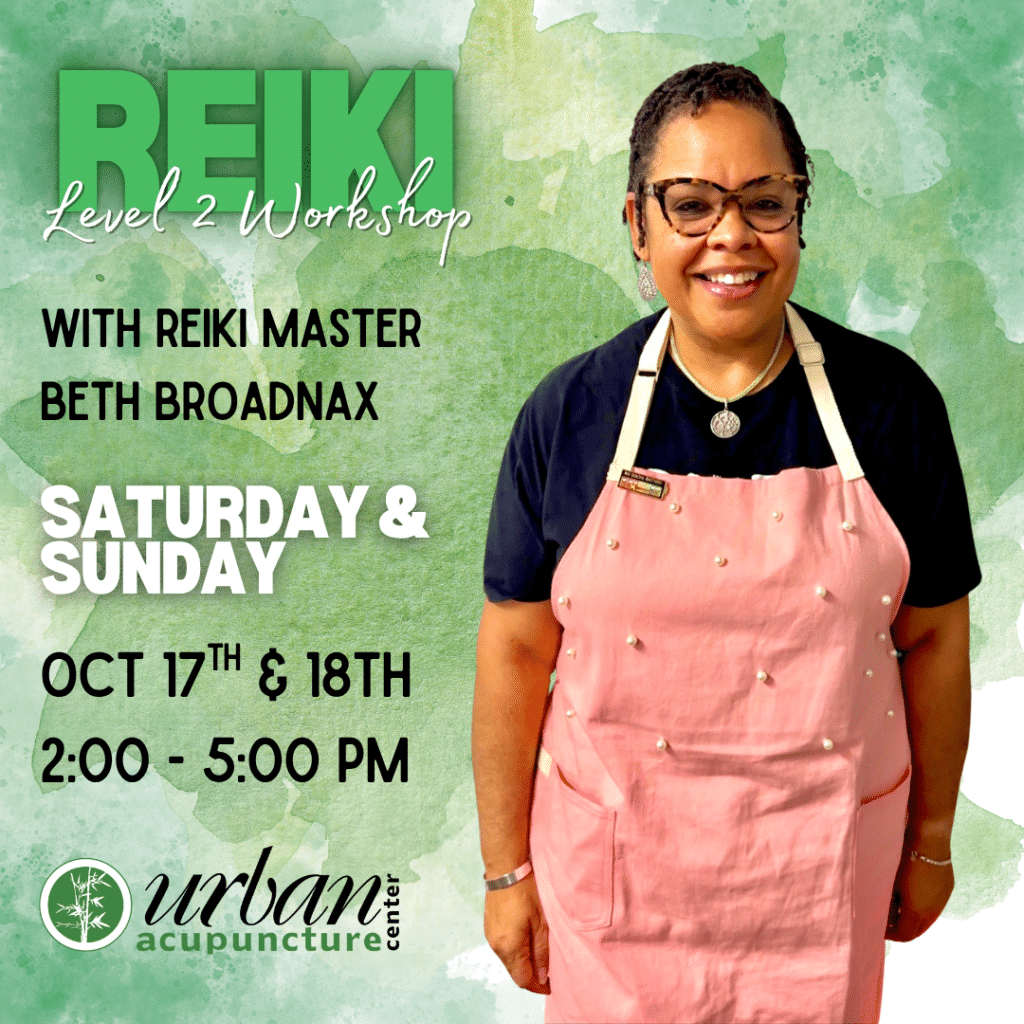 This level opens the door to emotional healing, distance work, and the sacred symbols that elevate every session. If you’re ready to strengthen your connection to Reiki and support others in a deeper way, Reiki II is your next step. Prerequisite is completion of Reiki Level 1 Training.
Participants in Reiki II learn to work with the three traditional symbols that amplify energy, support emotional balance, and allow Reiki to be sent across any distance. You’ll gain the tools to offer more meaningful sessions, support clients through stress and emotional challenges, and expand your practice.
Reiki II empowers participants to show up with greater clarity, compassion, and capability. Whether you’re continuing your personal growth or preparing to support others professionally, this training gives you the tools to make a meaningful impact.
What You’ll Recieve:
- Advanced Symbol Training–Learn the power, emotional/mental, and distance symbols and how to use them ethically and effectively.
- Distance-Healing Methods–Offer Reiki to clients anywhere in the world with confidence and structure.
- Level II Attunement–Deepen your intuitive sensitivity and strengthen your energetic channel
- Emotional & Mental Healing Techniques–Support clients through stress, overwhelm, and emotional imbalance using symbol-based practies.
- Intuitive Development–Strengthen your inner guidance and learn to trust subtle energetic information.
- Professional-Ready Skills–Learn boundaries, energetic hygiene, and session structure for those wishing to offer Reiki professionally.
Reiki II is ideal for anyone who wants to:
- Deepen their personal healing journey
- Support others with emotional or mental stress
- Offer distance Reiki to loved ones or clients
- Build confidence and clarity in their intuitive abilities
- Expand their professional wellness practice
Cost is $420 per person and includes all materials, books & supplies.
As always, please call the office if you have additional questions (614) 725-2488.
Saturday, October 17th & Sunday, October 18th, 2026 from 2-5:00 pm
Miss this one? Contact us to see when the next training will be (614) 725-2488.
Contact Urban Acupuncture Center in Columbus, OH For More Information
For more information about how acupuncture, massage therapy, electroacupuncture and other alternative healing treatments can help you, please contact the Urban Acupuncture Center Board Certified Licensed Acupuncturist’s team at Indianola Ave, Columbus, Ohio (Clintonville) (614) 725-2488 or click here. Taking new patients in and around greater Columbus, Ohio.
Voted Best of Columbus Two Years in a Row!
by urban-acupuncture | Jul 5, 2026 | Acupuncture Columbus
 Allergic rhinitis, commonly called seasonal or environmental allergies, affects millions of people each year. Triggered by allergens such as pollen, dust mites, mold, and animal dander, symptoms can range from mild irritation to chronic sinus congestion and fatigue.
As research into integrative medicine grows, acupuncture is increasingly being studied as a supportive therapy that may help regulate immune responses, reduce inflammation, and improve respiratory comfort in people with allergies.
At the Urban Acupuncture Center, acupuncture treatments focus on how stimulation of specific neurological points may influence immune regulation, circulation, and inflammatory responses involved in allergic conditions.
Key Takeaways About Acupuncture for Allergic Rhinitis
- Acupuncture may help regulate immune system responses to allergens
- Research suggests it may help reduce nasal congestion and sinus pressure
- Treatment may support inflammation control
- Acupuncture may help regulate the nervous system’s response to allergens
- It is typically used alongside conventional allergy care
What Is Allergic Rhinitis?
Allergic rhinitis occurs when the immune system overreacts to normally harmless environmental particles. When exposed to allergens, the body releases histamine and other inflammatory chemicals, which produce allergy symptoms.
Common symptoms include:
- Sneezing
- Runny nose
- Nasal congestion
- Sinus pressure
- Itchy eyes or throat
- Post-nasal drip
- Fatigue from chronic inflammation
Triggers may be seasonal or year-round depending on environmental exposure.
Common Allergy Triggers
Allergic rhinitis is commonly triggered by:
Pollen From Trees, Grasses, and Weeds
Seasonal pollen is one of the most common allergy triggers, especially during spring and fall. These microscopic particles can easily enter the respiratory system and activate immune responses.
Dust Mites
Dust mites are microscopic organisms that live in bedding, carpeting, and upholstery. They are one of the most common indoor allergy triggers.
Mold
Mold spores can trigger respiratory symptoms, especially in humid environments or buildings with water damage.
Animal Dander
Proteins found in skin flakes, saliva, and fur from animals can trigger allergic reactions in sensitive individuals.
How Acupuncture May Help Regulate Allergy Responses
Research suggests acupuncture may influence both the nervous system and immune system, which work together to control inflammatory responses.
Physiological effects being studied include:
- Regulation of inflammatory chemicals
- Modulation of immune system activity
- Improved sinus circulation
- Reduced muscle tension in respiratory structures
- Nervous system regulation of stress responses
These mechanisms may help explain improvements some patients report in symptom severity.
Acupuncture and Immune System Modulation
Allergies involve an exaggerated immune response. Some research suggests acupuncture may help regulate immune signaling rather than simply suppress symptoms.
Potential immune-related effects may include:
- Reduced inflammatory cytokine activity
- Improved immune balance
- Reduced histamine response
- Support for respiratory tissue health
While research is ongoing, these findings are encouraging for integrative allergy management.
Sinus and Respiratory Symptom Support
Acupuncture is also studied for its potential role in improving sinus drainage and reducing congestion through improved circulation and muscle relaxation.
Some patients report improvements such as:
- Reduced nasal congestion
- Reduced sinus pressure
- Easier breathing
- Reduced headache frequency
- Improved sleep due to better breathing
These improvements may be related to reduced inflammation and improved vascular regulation.
Stress and Allergies: An Important Connection
Stress can worsen allergy symptoms by increasing inflammatory responses and weakening immune regulation. Because acupuncture may help regulate the stress response, it may indirectly help allergy symptoms.
Research suggests acupuncture may support:
- Reduced stress hormone activity
- Improved parasympathetic nervous system activity
- Reduced inflammatory stress responses
- Improved sleep quality
Supporting stress recovery may help reduce symptom flare intensity in some individuals.
Who May Consider Acupuncture for Allergy Support?
Patients who may benefit from supportive acupuncture care include those experiencing:
- Seasonal allergies
- Chronic sinus congestion
- Environmental allergies
- Allergy-related headaches
- Sleep disruption from congestion
- Chronic inflammation symptoms
Treatment plans are typically customized based on symptom patterns and environmental triggers.
What Patients Should Know Before Starting Treatment
Patients considering acupuncture for allergy support should understand:
- It works best as part of a comprehensive allergy plan
- Results may improve with consistent treatments
- Environmental management is still important
- Treatment focuses on regulation rather than immediate suppression
- Coordination with healthcare providers may be recommended
Many patients begin treatment before peak allergy seasons as part of preventive care.
Supporting Allergy Relief Through Immune Regulation
Allergic rhinitis can significantly impact quality of life, especially during peak allergy seasons or with chronic environmental exposure. As research continues to explore integrative therapies, acupuncture is gaining recognition as a supportive treatment that may help regulate immune responses, reduce inflammation, and improve respiratory comfort.
When combined with appropriate medical care and environmental management, acupuncture may help patients better manage allergy symptoms and improve daily comfort.
Frequently Asked Questions
Can acupuncture help seasonal allergies?
Some research suggests acupuncture may help reduce allergy symptoms and improve quality of life when used alongside standard care.
How many treatments are needed for allergy symptoms?
Treatment frequency varies, but some patients begin with weekly treatments during allergy season.
Can acupuncture replace allergy medication?
No. Acupuncture is considered complementary care and should not replace prescribed treatment without medical guidance.
Does acupuncture help sinus congestion?
Some patients report improvements in sinus pressure and congestion following treatment.
When should I start acupuncture for seasonal allergies?
Some patients begin treatment several weeks before peak allergy season as a preventive strategy.
Contact Urban Acupuncture Center in Columbus, OH For More Information
For more information about how acupuncture, massage therapy, electroacupuncture and other alternative healing treatments can help you, please contact the Urban Acupuncture Center Board Certified Licensed Acupuncturist’s team at Indianola Ave, Columbus, Ohio (Clintonville) (614) 725-2488 or click here. Taking new patients in and around greater Columbus, Ohio.
Voted Best of Columbus Two Years in a Row!
References
National Center for Complementary and Integrative Health – Acupuncture
https://www.nccih.nih.gov/health/acupuncture-what-you-need-to-know
National Institutes of Health – Acupuncture for Allergic Rhinitis Systematic Review
https://www.ncbi.nlm.nih.gov/pmc/articles/PMC6767050/
American College of Allergy, Asthma & Immunology – Allergic Rhinitis Overview
https://acaai.org/allergies/allergic-conditions/hay-fever/
by urban-acupuncture | Mar 1, 2026 | Acupuncture Columbus, Holistic Health, Massage Therapy
 Living with chronic or recurring pain can affect every aspect of daily life—from sleep and mobility to mood and overall quality of life. At Urban Acupuncture Center in Columbus, Ohio, a holistic approach to pain management combines acupuncture, massage therapy, and Reiki to help address pain at its source while supporting the body’s natural healing processes.
Rather than masking symptoms, these complementary therapies focus on restoring balance, reducing inflammation, improving circulation, and calming the nervous system—key factors in long-term pain relief.
Frequently Asked Questions About Holistic Pain Management
Can acupuncture, massage, and Reiki really help with pain?
Yes. Numerous clinical studies show that acupuncture and massage are effective for managing chronic pain, muscle tension, headaches, joint pain, and stress-related discomfort. Reiki has also been shown to reduce pain perception and promote deep relaxation.
What types of pain respond best to these treatments?
These therapies are commonly used for back and neck pain, migraines, arthritis, sciatica, sports injuries, repetitive strain injuries, fibromyalgia, and stress-related pain conditions.
How long does it take to feel results?
Some patients experience relief after their first session, while chronic pain conditions often improve gradually over a series of treatments. Consistency is key for lasting results.
Are these therapies safe?
When provided by trained professionals, acupuncture, massage, and Reiki are considered very safe with minimal side effects. Mild soreness or temporary fatigue may occur as the body adjusts.
A Whole-Body Approach to Pain Relief
Acupuncture: Targeting Pain at Its Source
Acupuncture is a cornerstone of integrative pain management. Using ultra-thin needles placed at specific points, acupuncture helps regulate the nervous system, increase blood flow, reduce inflammation, and stimulate the release of natural pain-relieving chemicals such as endorphins.
At Urban Acupuncture Center, acupuncture is commonly used to help manage:
-
Chronic muscle and joint pain
-
Migraines and tension headaches
-
Back, neck, and shoulder pain
-
Stress-related pain and tension
This therapy supports both immediate relief and long-term pain reduction by addressing underlying imbalances rather than just symptoms.
Massage Therapy: Releasing Tension and Improving Mobility
Massage therapy plays an important role in pain management by addressing muscular tightness and restricted movement. Therapeutic massage helps:
-
Loosen tight or overworked muscles
-
Improve circulation and lymphatic flow
-
Increase range of motion
-
Reduce stress that contributes to pain flare-ups
Massage is especially beneficial when combined with acupuncture, as relaxed muscles allow acupuncture treatments to work more effectively.
Reiki: Supporting the Nervous System and Stress Response
Reiki is a gentle energy-based therapy that promotes deep relaxation and emotional balance. While Reiki does not involve physical manipulation, it can significantly impact pain by calming the nervous system and reducing stress-related tension.
For individuals whose pain is worsened by anxiety, emotional stress, or poor sleep, Reiki can be a valuable part of a comprehensive pain management plan.
Why Combine These Therapies?
Pain is rarely caused by one factor alone. Muscle tension, inflammation, stress, posture, emotional health, and nervous system regulation all play a role. By combining acupuncture, massage, and Reiki, Urban Acupuncture Center offers a multi-layered approach that supports the body physically and mentally.
Benefits of integrative pain care include:
-
More comprehensive pain relief
-
Reduced reliance on medications
-
Improved sleep and energy levels
-
Enhanced overall wellness and resilience
Pain Management at Urban Acupuncture Center in Columbus, OH
Urban Acupuncture Center is committed to providing accessible, effective, and compassionate care. Their experienced practitioners tailor each treatment plan to the individual, ensuring that pain management strategies align with personal health goals and lifestyles.
Whether you are dealing with chronic pain or looking for a natural way to manage stress-related discomfort, integrative therapies can offer meaningful relief and long-term support.
Contact Urban Acupuncture Center in Columbus, OH For More Information
For more information about how acupuncture, massage therapy, electroacupuncture and other alternative healing treatments can help you, please contact the Urban Acupuncture Center Board Certified Licensed Acupuncturist’s team at Indianola Ave, Columbus, Ohio (Clintonville) (614) 725-2488 or click here. Taking new patients in and around greater Columbus, Ohio.
Voted Best of Columbus Two Years in a Row!
References & Additional Reading
by urban-acupuncture | Feb 5, 2026 | Acupuncture Columbus
 Quality sleep is essential for physical health, emotional balance, and mental clarity. Yet millions of Americans struggle with insomnia, restless sleep, stress-related sleep disruption, and fatigue. As awareness of holistic mental health continues to rise, there is increasing interest in acupuncture as a natural solution for improving sleep, managing stress, and supporting overall mental wellness.
At Urban Acupuncture Center in Columbus, Ohio, acupuncture is used as part of an integrative approach to help calm the nervous system, regulate sleep cycles, and promote restorative rest—without relying on medication.
Frequently Asked Questions About Acupuncture and Sleep Health
Can acupuncture really help improve sleep?
Yes. Research shows acupuncture may help improve sleep quality, reduce insomnia symptoms, and support healthier sleep patterns, especially when stress or anxiety is involved.
How does acupuncture affect stress and sleep?
Acupuncture helps regulate the nervous system, promoting relaxation and reducing stress hormones that interfere with sleep.
Is acupuncture helpful for anxiety-related insomnia?
Many patients find acupuncture helpful for calming the mind, easing anxiety, and improving the ability to fall and stay asleep.
How many treatments are needed to see sleep improvements?
Some patients notice changes within a few sessions, while others benefit from consistent treatment over several weeks, depending on the severity and cause of sleep disruption.
Can acupuncture be used alongside therapy or medication?
Yes. Acupuncture is commonly used alongside conventional mental health care, counseling, and lifestyle changes.
Why Sleep Health Is a Growing Focus in Holistic Care
Modern lifestyles often involve chronic stress, screen exposure, irregular schedules, and mental overload—all of which can disrupt sleep. Poor sleep is closely linked to:
As more people seek whole-person care, acupuncture has gained recognition for its ability to address both the physical and emotional contributors to sleep problems.
How Acupuncture Supports Better Sleep and Mental Wellness
Calming the Nervous System
Acupuncture activates the parasympathetic nervous system, helping the body shift out of “fight or flight” mode and into a state of relaxation essential for sleep.
Reducing Stress and Anxiety
By regulating neurotransmitters and stress hormones, acupuncture may reduce racing thoughts, tension, and emotional overload that interfere with falling asleep.
Supporting Circadian Rhythm Balance
Acupuncture may help regulate natural sleep-wake cycles, especially for individuals with irregular schedules or chronic stress.
Improving Sleep Quality
Patients often report deeper, more restorative sleep with fewer nighttime awakenings and improved energy during the day.
Acupuncture for Common Sleep-Related Concerns
Insomnia
Acupuncture is commonly used to address difficulty falling asleep, staying asleep, or waking too early.
Stress-Related Sleep Disruption
Chronic stress can keep the nervous system overactive. Acupuncture helps down-regulate stress responses and promote calm.
Anxiety and Mental Overactivity
For individuals whose sleep issues stem from anxiety or mental fatigue, acupuncture offers a non-sedating option for relaxation.
Sleep Disturbance Associated with Pain
Pain and poor sleep often reinforce one another. Acupuncture may help reduce pain while also improving sleep quality.
What to Expect from Acupuncture for Sleep Health
At Urban Acupuncture Center, sleep-focused care typically includes:
-
A thorough discussion of sleep patterns and stress levels
-
Acupuncture points selected to promote relaxation and nervous system balance
-
Gentle, comfortable treatments in a calming environment
-
Recommendations for treatment frequency based on individual needs
Many patients describe treatments as deeply relaxing and supportive not only of sleep, but of overall mental clarity and emotional balance.
Why Choose Urban Acupuncture Center in Columbus, Ohio
Urban Acupuncture Center provides:
-
Licensed and experienced acupuncture practitioners
-
Evidence-informed, patient-centered care
-
A holistic approach to sleep, stress, and mental wellness
-
A safe, drug-free option for long-term sleep support
Our goal is to help patients achieve healthier sleep and improved well-being by addressing the root causes—not just the symptoms.
Contact Urban Acupuncture Center in Columbus, OH For More Information
For more information about how acupuncture, massage therapy, electroacupuncture and other alternative healing treatments can help you, please contact the Urban Acupuncture Center Board Certified Licensed Acupuncturist’s team at Indianola Ave, Columbus, Ohio (Clintonville) (614) 725-2488 or click here. Taking new patients in and around greater Columbus, Ohio.
Voted Best of Columbus Two Years in a Row!
References
by urban-acupuncture | Feb 1, 2026 | Acupuncture Columbus
 Chronic pain affects millions of Americans and is one of the leading causes of reduced quality of life. Conditions such as back pain, arthritis, and migraines often persist despite medication, physical therapy, or lifestyle changes. As concerns about long-term medication use grow, there is a strong national trend toward using acupuncture as a non-drug option for chronic pain management.
At Urban Acupuncture Center in Columbus, Ohio, acupuncture is used as a safe, evidence-informed approach to help patients manage pain, improve mobility, and regain control of daily life.
Frequently Asked Questions About Acupuncture for Chronic Pain
Does acupuncture really work for chronic pain?
Yes. Clinical research supports acupuncture as an effective treatment for several chronic pain conditions, including back pain, osteoarthritis, neck pain, and migraines.
How does acupuncture relieve pain without medication?
Acupuncture stimulates the nervous system, triggering the release of natural pain-relieving chemicals and helping regulate pain signaling pathways.
Is acupuncture safer than long-term pain medication?
For many patients, acupuncture offers pain relief without the side effects, dependency risks, or gastrointestinal issues associated with long-term medication use.
How many acupuncture sessions are needed for chronic pain?
This varies by condition and severity. Many patients begin to notice improvement after several sessions, with ongoing care providing cumulative benefits.
Can acupuncture be combined with other treatments?
Yes. Acupuncture is commonly used alongside physical therapy, medical care, and lifestyle changes as part of a comprehensive pain management plan.
Why Acupuncture Is Gaining Popularity for Pain Management
The shift toward acupuncture reflects several important factors:
-
Increased awareness of opioid and medication risks
-
Growing body of clinical research supporting acupuncture
-
Emphasis on whole-person, integrative healthcare
-
Desire for long-term pain solutions rather than symptom masking
Major medical organizations now recognize acupuncture as a legitimate treatment option for chronic pain.
How Acupuncture Helps Manage Chronic Pain
Regulating the Nervous System
Acupuncture affects both the central and peripheral nervous systems, helping reduce overactive pain signals and promoting relaxation.
Reducing Inflammation
Chronic inflammation is a common driver of ongoing pain. Acupuncture may help regulate inflammatory responses, reducing pain and stiffness over time.
Improving Circulation
By enhancing blood flow to affected areas, acupuncture supports tissue healing and helps reduce muscle tension and joint discomfort.
Encouraging the Body’s Natural Pain Relief
Acupuncture stimulates the release of endorphins and other neurotransmitters that naturally reduce pain and improve mood.
Acupuncture for Common Chronic Pain Conditions
Back and Neck Pain
One of the most common reasons patients seek acupuncture, back and neck pain often responds well to treatments focused on muscle tension, nerve irritation, and postural imbalance.
Arthritis and Joint Pain
Acupuncture may help reduce joint pain, stiffness, and inflammation associated with osteoarthritis and other degenerative conditions.
Migraines and Chronic Headaches
Acupuncture is widely used to reduce migraine frequency, intensity, and duration, as well as tension-type headaches.
Musculoskeletal Pain
Conditions such as shoulder pain, hip pain, and repetitive strain injuries often benefit from acupuncture’s effects on circulation and neuromuscular balance.
What to Expect from Acupuncture for Pain Relief
Treatment plans at Urban Acupuncture Center are individualized and may include:
-
A comprehensive health and pain history
-
Targeted acupuncture point selection
-
Gentle needling techniques tailored to comfort
-
Recommendations for frequency and duration of care
Many patients describe acupuncture sessions as deeply relaxing, with benefits extending beyond pain relief to improved sleep, energy, and stress management.
Why Choose Urban Acupuncture Center in Columbus, Ohio
At Urban Acupuncture Center, pain management care emphasizes:
-
Licensed and experienced practitioners
-
Evidence-informed acupuncture techniques
-
Personalized treatment plans
-
A safe, non-drug approach to long-term pain relief
Our goal is to help patients manage chronic pain naturally while improving overall function and quality of life.
Contact Urban Acupuncture Center in Columbus, OH For More Information
For more information about how acupuncture, massage therapy, electroacupuncture and other alternative healing treatments can help you, please contact the Urban Acupuncture Center Board Certified Licensed Acupuncturist’s team at Indianola Ave, Columbus, Ohio (Clintonville) (614) 725-2488 or click here. Taking new patients in and around greater Columbus, Ohio.
Voted Best of Columbus Two Years in a Row!
References
by urban-acupuncture | Jan 1, 2026 | Acupuncture Columbus
 Women’s reproductive health is influenced by a complex interaction of hormones, circulation, nervous system balance, and lifestyle factors. Acupuncture has been used for centuries to support women through every stage of life—from conception and pregnancy preparation to menstrual health and menopause.
For women seeking a holistic, evidence-informed approach, acupuncture may support fertility, reduce cycle-related discomfort, and improve overall reproductive wellness. As a mobile acupuncture provider serving Columbus, Ohio, care is designed to be accessible, personalized, and grounded in both Traditional Chinese Medicine (TCM) principles and modern research.
Frequently Asked Questions About Acupuncture for Fertility and Women’s Health
Can acupuncture help with fertility or conception?
Research suggests acupuncture may support fertility by improving blood flow to reproductive organs, regulating hormones, and reducing stress—factors that influence conception.
Is acupuncture helpful during IVF or fertility treatments?
Acupuncture is commonly used alongside IVF and other assisted reproductive technologies to support ovarian response, uterine receptivity, and stress management.
Can acupuncture help with menstrual pain or irregular cycles?
Yes. Acupuncture is frequently used to reduce menstrual cramps, regulate cycles, and address hormonal imbalances associated with conditions like PCOS.
Is acupuncture safe for women experiencing menopause?
When provided by a licensed practitioner, acupuncture is considered safe and may help manage symptoms such as hot flashes, sleep disturbances, mood changes, and fatigue.
How many acupuncture sessions are typically needed?
Treatment frequency varies depending on the condition and individual goals. Many women begin with weekly sessions and adjust based on response and progress.
Acupuncture for Conception and IVF Support
Acupuncture is increasingly integrated into fertility care due to its potential to support the body during conception attempts and assisted reproductive treatments.
Potential benefits include:
-
Improved blood flow to the uterus and ovaries
-
Support for hormonal regulation
-
Nervous system calming to reduce stress and cortisol levels
-
Support for endometrial lining development
During IVF cycles, acupuncture is often timed to complement stimulation phases, embryo transfer, and post-transfer recovery to support optimal conditions for implantation.
Managing Menstrual Pain, PCOS, and Hormonal Imbalances
Menstrual Pain and Irregular Cycles
Acupuncture may help regulate the menstrual cycle by supporting hormonal balance and improving pelvic circulation. Many women report reduced cramping, improved flow, and fewer premenstrual symptoms.
Polycystic Ovary Syndrome (PCOS)
PCOS is commonly associated with irregular ovulation, hormonal imbalance, and metabolic concerns. Acupuncture may help support ovulatory function, insulin sensitivity, and cycle regularity when used as part of a comprehensive care plan.
Hormonal Regulation
By influencing the hypothalamic-pituitary-ovarian (HPO) axis, acupuncture may help support more consistent hormonal signaling, which is essential for reproductive health.
Acupuncture for Menopause and Perimenopause Support
As estrogen levels fluctuate during perimenopause and menopause, many women experience symptoms that affect quality of life. Acupuncture is commonly used to support women through this transition.
Reported benefits include:
-
Reduced hot flashes and night sweats
-
Improved sleep quality
-
Support for mood stability
-
Reduced fatigue and brain fog
Acupuncture focuses on restoring balance within the body while supporting the nervous system during hormonal shifts.
Lifestyle Tips That Complement Acupuncture for Reproductive Health
While acupuncture can be powerful on its own, outcomes are often enhanced when paired with supportive lifestyle habits, including:
-
Prioritizing consistent sleep
-
Managing stress through mindfulness or gentle movement
-
Supporting blood sugar balance with whole-food nutrition
-
Avoiding excessive caffeine and alcohol
-
Maintaining moderate physical activity
A holistic approach allows acupuncture to work synergistically with daily habits that support reproductive wellness.
Contact Urban Acupuncture Center in Columbus, OH For More Information
For more information about how acupuncture, massage therapy, electroacupuncture and other alternative healing treatments can help you, please contact the Urban Acupuncture Center Board Certified Licensed Acupuncturist’s team at Indianola Ave, Columbus, Ohio (Clintonville) (614) 725-2488 or click here. Taking new patients in and around greater Columbus, Ohio.
Voted Best of Columbus Two Years in a Row!
References