by urban-acupuncture | Sep 5, 2026 | Massage Therapy
Key Takeaways
-
Specialized Care for Pregnancy: Prenatal massage is a customized bodywork technique adapted specifically to support the anatomical, physiological, and hormonal changes occurring during pregnancy.
-
Safe Positioning: Utilizes specialized side-lying positioning with supportive cushioning to protect maternal blood circulation and ensure maximum comfort for both mother and baby.
-
Reduces Common Pregnancy Discomforts: Proven to relieve sciatic nerve pain, lower back aches, swollen joints (edema), neck strain, and sleep disturbances.
-
Hormonal & Nervous System Balance: Soothes the sympathetic nervous system, lowering stress hormones like cortisol while boosting feel-good neurotransmitters like serotonin and dopamine.
-
Complements Prenatal Acupuncture: Pairing prenatal massage with pregnancy-safe acupuncture at Urban Acupuncture Center offers a comprehensive, natural approach to labor preparation, pain relief, and emotional wellness.
Understanding Prenatal Massage
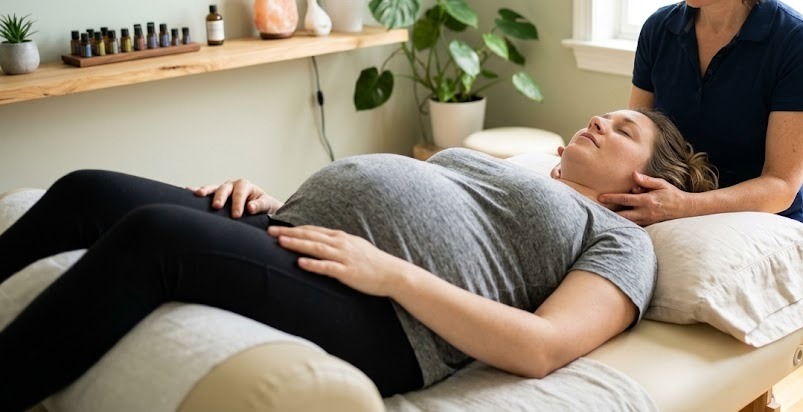 During pregnancy, a woman’s body undergoes extraordinary physical and biochemical changes. As the baby grows, the mother’s center of gravity shifts forward, placing continuous strain on the lower back, pelvis, and gluteal muscles. At the same time, pregnancy hormones like relaxin soften ligaments, increasing joint mobility but often causing structural instability and discomfort.
Prenatal massage (also known as pregnancy massage) is a gentle, non-invasive therapeutic bodywork technique tailored specifically to accommodate these rapid changes. Performed by trained therapists who understand maternal anatomy, prenatal massage targets muscle tension while maintaining strict safety standards for every trimester.
Physiological & Emotional Benefits of Prenatal Massage
Prenatal massage touches nearly every system of the body, offering benefits that extend far beyond simple relaxation:
| Benefit Area |
How Prenatal Massage Helps |
| Lower Back & Sciatic Pain |
Releases tight piriformis and gluteal muscles that press on the sciatic nerve as the pelvis tilts forward. |
| Swelling & Fluid Retention (Edema) |
Stimulates lymphatic drainage and blood circulation to reduce fluid accumulation in ankles, feet, and hands. |
| Hormonal & Mood Balance |
Reduces levels of the stress hormone cortisol while elevating serotonin and dopamine to alleviate pregnancy anxiety. |
| Improved Sleep Quality |
Eases physical aches and quiets an overactive nervous system, helping mothers achieve deeper, more restorative rest. |
| Headache & Neck Strain Relief |
Relieves upper body muscle tightness caused by posture shifts and increased breast weight. |
Safety Protocols & Proper Positioning
Safety is the foundation of prenatal massage. Unlike standard Swedish or deep tissue massage, prenatal bodywork follows specific clinical protocols:
1. Side-Lying Position
After the first trimester, pregnant clients should not lie flat on their backs (supine). Lying flat can cause the weight of the uterus to compress the inferior vena cava—the large vein returning blood from the lower body to the heart—potentially causing dizziness, reduced blood pressure, and decreased oxygen delivery to the placenta.
Instead, treatments utilize a supportive side-lying position enhanced with body pillows, wedges, and bolsters to keep the spine, hips, and abdomen perfectly aligned.
2. Gentle Modalities
Deep tissue work directly over the abdomen or inner thighs is strictly avoided. Therapists use smooth, rhythmic Swedish massage strokes, light friction, and gentle stretching to ease tension without placing undue stress on softened ligaments.
Combining Prenatal Massage with Acupuncture
At Urban Acupuncture Center, we provide integrated holistic care tailored to every stage of motherhood. Combining prenatal massage with pregnancy-safe acupuncture creates a well-rounded care plan:
-
Relief for Morning Sickness & Fatigue: While massage relaxes hypertonic muscles, acupuncture at specific points (like PC6) effectively calms nausea and boosts vital energy (Qi).
-
Labor Preparation: In the late third trimester, combining gentle soft-tissue release around the pelvis with pre-birth acupuncture helps prepare the cervix, balance energy channels, and encourage optimal fetal positioning.
-
Comprehensive Stress Reduction: Addressing both physical fascial tightness and energetic flow helps mothers navigate the emotional transitions of pregnancy with calm and resilience.
What to Expect During Your Session
- Detailed Intake: Your therapist reviews your current gestational week, health history, and specific symptoms (such as sciatic pain, heartburn, or swelling).
- Comfortable Setup: You will be guided onto a cushioned massage table arranged with supportive body pillows so you can relax comfortably on your side.
- Targeted Bodywork: The session focuses on key areas of strain—such as the neck, shoulders, lumbar region, hips, legs, and feet—using customized, gentle pressure.
- Post-Session Care: You will be given time to sit up slowly. Your practitioner will encourage hydration to help flush out metabolic waste and keep soft tissues healthy.
Frequently Asked Questions (FAQs)
Is prenatal massage safe during the first trimester?
While prenatal massage is generally safe throughout low-risk pregnancies, many practitioners prefer to begin massage in the second trimester (after week 12) when the initial fatigue and morning sickness subside. Always check with your obstetrician or midwife before booking a session in your first trimester.
Can massage trigger labor?
When performed by a certified prenatal therapist, massage will not trigger preterm labor. Professional therapists avoid specific pressure points around the ankles and wrists that are traditionally associated with uterine stimulation until a mother reaches full term (37+ weeks).
What conditions require medical clearance prior to massage?
You should consult your primary healthcare provider or OB/GYN before receiving prenatal massage if you experience any of the following:
-
High-risk pregnancy or history of preterm labor
-
Pregnancy-induced hypertension or Preeclampsia
-
Severe swelling, sudden onset of headaches, or high blood pressure
-
Unexplained abdominal pain or vaginal bleeding
Support Your Pregnancy Journey at Urban Acupuncture Center
Nurturing your body during pregnancy is essential for both your wellbeing and your baby’s development. Whether you are seeking relief from back pain, trying to reduce swelling, or looking for a calm space to unwind, our experienced team is here to support you.
To learn more about our prenatal services or schedule your appointment, visit Urban Acupuncture Center.
References & External Links
- American Pregnancy Association: Prenatal Massage Therapy. Available at: https://americanpregnancy.org/healthy-pregnancy/pregnancy-health-wellness/prenatal-massage/
- American Massage Therapy Association (AMTA): Research & Benefits of Pregnancy Massage. Available at: https://www.amtamassage.org/
- Cleveland Clinic: Pregnancy Massage: Benefits & Safety Guidelines. Available at: https://my.clevelandclinic.org/health/treatments/15685-pregnancy-massage
- Journal of Psychosomatic Obstetrics & Gynecology: Massage Therapy Reduces Anxiety, Depression, and Back Pain in Pregnant Women. PubMed / NCBI: https://pubmed.ncbi.nlm.nih.gov/
by urban-acupuncture | Jul 19, 2026 | Massage Therapy
 You asked for more Massage Therapy availability, you got it! Starting on Sunday, July 19th, we will have Massage available 7 days a week!
Kari will be providing cupping and massage therapy at Urban Acupuncture Center on Sundays from 9:30 am – 1:30 pm AND Mondays from 2:45 pm – 6:45 pm. She has been a licensed massaged therapist since 2017. Read more about who she is and what shapes her work on our website: https://urbanacupuncturecenter.org/about-us-kari-rich/
Kari has trainings and certifications in the following disciplines:
CranioSacral Therapy
CranioSacral Therapy is a gentle, hands-on treatment that focuses on releasing restrictions in the craniosacral system—the membranes and cerebrospinal fluid surrounding the brain and spinal cord. Using light touch, practitioners help improve the body’s natural healing processes, reduce tension, and restore balance to the central nervous system. This therapy may help relieve headaches, neck and back pain, stress, TMJ dysfunction, migraines, and promote deep relaxation and overall well-being.
Neuromuscular Therapy
Neuromuscular Therapy (NMT) is a specialized form of massage that targets trigger points, muscle imbalances, and areas of chronic pain. By applying precise pressure and advanced soft tissue techniques, NMT helps release tension, improve circulation, restore proper muscle function, and reduce pain caused by repetitive strain, injury, poor posture, or overuse. It is commonly used to address conditions such as sciatica, headaches, neck pain, shoulder dysfunction, and lower back pain.
Myofascial Release
Myofascial Release is a therapeutic technique that gently stretches and releases restrictions within the fascia, the connective tissue that surrounds muscles, joints, and organs throughout the body. Tight fascia can contribute to pain, limited mobility, and chronic discomfort. Through sustained, gentle pressure, this therapy helps improve flexibility, reduce pain, increase range of motion, and promote healthier movement patterns while supporting the body’s natural healing abilities.
Prenatal Massage
Prenatal Massage is a safe, therapeutic treatment specifically designed for the unique needs of expectant mothers. Using specialized positioning and gentle techniques, prenatal massage helps reduce back and hip pain, relieve muscle tension, decrease swelling, improve circulation, and promote relaxation during pregnancy. It can also help reduce stress, improve sleep quality, and provide physical and emotional support throughout each stage of pregnancy when performed by a therapist trained in prenatal care.
Usui Reiki Level II
Usui Reiki Level II is an advanced energy healing practice that builds upon the traditional Japanese Reiki system developed by Mikao Usui. During a session, the practitioner channels universal life energy through gentle touch or hands held just above the body to help encourage energetic balance, relaxation, and emotional well-being. Level II practitioners use sacred Reiki symbols to enhance healing, support emotional release, and offer distance healing, creating a deeper level of energetic connection and restoration.
Multidimensional Healing
Multidimensional Healing is a holistic energy therapy that works to restore balance across the physical, emotional, mental, and spiritual aspects of the individual. Drawing from various energy healing modalities, this approach aims to identify and clear energetic blockages, release limiting patterns, and support personal transformation. Sessions are designed to promote deep relaxation, emotional clarity, increased self-awareness, and a greater sense of harmony and overall wellness.
Theta Healing Level I
Theta Healing® Level I is an energy-based healing modality that combines guided meditation with focused belief work to help identify and transform subconscious patterns that may influence physical, emotional, or spiritual well-being. By accessing the theta brainwave state, practitioners work with clients to encourage positive mindset shifts, emotional healing, and personal growth. Many individuals seek Theta Healing to reduce stress, overcome limiting beliefs, enhance self-awareness, and support their overall wellness journey.
Cupping Therapy
Cupping Therapy is an ancient healing technique that uses specialized cups to create gentle suction on the skin, helping to increase blood flow, reduce muscle tension, and promote the body’s natural healing response. Often combined with massage therapy, cupping can help relieve chronic pain, improve circulation, decrease inflammation, loosen tight muscles and fascia, and support recovery from physical activity. The treatment may leave temporary circular marks that typically fade within several days and are a normal result of the increased circulation.
Contact Urban Acupuncture Center in Columbus, OH For More Information
For more information about how acupuncture, massage therapy, electroacupuncture and other alternative healing treatments can help you, please contact the Urban Acupuncture Center Board Certified Licensed Acupuncturist’s team at Indianola Ave, Columbus, Ohio (Clintonville) (614) 725-2488 or click here. Taking new patients in and around greater Columbus, Ohio.
by urban-acupuncture | Apr 5, 2026 | Massage Therapy, Treatments
 As healthcare continues to evolve toward evidence-based treatment models, therapeutic bodywork is increasingly being studied for its role in supporting pain management, sleep quality, and symptom relief in complex medical conditions. Large clinical studies and systematic reviews are helping validate how hands-on therapies may support measurable physiological improvements.
At the Urban Acupuncture Center, this research-driven approach reflects a broader shift toward integrating conservative, non-pharmacological therapies into comprehensive care plans.
Key Takeaways About Evidence-Based Bodywork
- Clinical research shows therapeutic bodywork may help reduce certain types of pain
- Studies suggest benefits for sleep quality and stress reduction
- Research supports its role as a complementary therapy in cancer care
- Evidence shows measurable effects on the nervous system and stress response
- Bodywork is increasingly included in integrative medical care models
What Evidence-Based Practice Means in Modern Healthcare
Evidence-based practice refers to treatments supported by clinical research, patient outcomes, and physiological understanding. This approach emphasizes measurable outcomes rather than tradition or theory alone.
In the context of therapeutic bodywork, research has focused on how treatment may influence:
- Nervous system regulation
- Pain perception pathways
- Circulatory function
- Stress hormone activity
- Sleep quality
- Musculoskeletal function
This growing body of research is helping healthcare providers better understand where bodywork fits into modern treatment strategies.
Research Supporting Bodywork for Cancer-Related Pain
Cancer patients often experience pain related to treatment, muscle tension, and stress. Research has examined how therapeutic touch may help reduce discomfort and improve quality of life.
Clinical reviews suggest potential benefits such as:
- Reduced perception of pain
- Decreased anxiety
- Improved relaxation
- Better sleep quality
- Reduced treatment-related stress
Researchers believe these effects may be related to stimulation of sensory nerve pathways that help regulate the body’s stress response and pain processing systems.
Importantly, therapeutic bodywork in cancer care is typically used as a supportive therapy, not a treatment for cancer itself.
Evidence for Lower Back Pain Relief
Lower back pain remains one of the most common musculoskeletal conditions worldwide. Research continues to evaluate conservative treatments that may reduce reliance on medications or invasive procedures.
Studies examining therapeutic bodywork for lower back pain suggest it may help:
- Reduce muscle tension
- Improve mobility
- Decrease pain intensity
- Improve function
- Support recovery when combined with exercise
These improvements may be related to improved circulation, neuromuscular relaxation, and decreased protective muscle guarding.
Many clinical guidelines now support conservative care approaches as first-line options for managing chronic lower back pain.
How Bodywork May Help Improve Sleep and Insomnia
Sleep disorders are often closely connected to stress, pain, and nervous system dysregulation. Research suggests that therapies promoting relaxation may help improve sleep quality by supporting parasympathetic nervous system activity.
Potential sleep-related benefits may include:
- Reduced physical tension
- Lower stress hormone levels
- Improved relaxation response
- Improved sleep onset
- Improved sleep quality
Researchers believe these improvements may be related to reductions in hyperarousal of the nervous system, which is commonly associated with insomnia.
How Therapeutic Touch Influences the Nervous System
One of the most studied mechanisms behind therapeutic bodywork is its effect on the autonomic nervous system.
Research suggests bodywork may help:
- Reduce sympathetic nervous system activity
- Improve parasympathetic activity
- Improve heart rate variability
- Reduce cortisol levels
- Improve relaxation signaling
These physiological effects may help explain improvements seen in pain perception, stress response, and sleep patterns.
The Growing Role of Integrative Medicine
Healthcare systems are increasingly adopting integrative models that combine conventional medicine with supportive therapies. This reflects a growing emphasis on whole-person care.
Bodywork is now commonly integrated with:
- Pain management programs
- Physical rehabilitation
- Oncology support services
- Behavioral health programs
- Stress management programs
This integration reflects the growing demand for safe, conservative therapies that support recovery without medication side effects.
Who May Benefit From Evidence-Based Therapeutic Bodywork?
Patients experiencing the following conditions may benefit from supportive treatment:
- Chronic muscle pain
- Lower back pain
- Stress-related tension
- Sleep disturbances
- Cancer treatment side effects
- Chronic fatigue
- Anxiety-related physical symptoms
As always, treatment should be tailored to the individual and coordinated with healthcare providers when appropriate.
How Research Continues to Shape Treatment Approaches
As more clinical studies are published, providers are better able to develop treatment plans that align with modern medical standards. This allows therapeutic bodywork providers to communicate more effectively with physicians, physical therapists, and other healthcare professionals.
This research-driven approach helps position therapeutic bodywork as a professional component of modern healthcare rather than an alternative approach.
How Research-Supported Bodywork Fits Into Modern Healthcare
As clinical research continues to expand, therapeutic bodywork is becoming more widely recognized as a supportive therapy that may help patients manage pain, improve sleep, and reduce stress-related symptoms.
By focusing on measurable physiological outcomes and evidence-supported applications, bodywork continues to gain credibility within modern integrative healthcare models.
Frequently Asked Questions
Is therapeutic bodywork considered evidence-based?
Yes. Research studies and systematic reviews have examined its effects on pain, stress, and sleep quality.
Can bodywork help with lower back pain?
Some studies suggest it may help reduce pain and improve mobility when used as part of a comprehensive treatment approach.
Is bodywork safe for cancer patients?
When performed by properly trained providers and coordinated with medical care, bodywork may be used as a supportive therapy for symptom management.
Can therapeutic bodywork help insomnia?
Some research suggests relaxation-based therapies may help improve sleep quality by supporting nervous system regulation.
Is bodywork a replacement for medical care?
No. It is considered a complementary therapy that may support medical treatment plans.
Contact Urban Acupuncture Center in Columbus, OH For More Information
For more information about how acupuncture, massage therapy, electroacupuncture and other alternative healing treatments can help you, please contact the Urban Acupuncture Center Board Certified Licensed Acupuncturist’s team at Indianola Ave, Columbus, Ohio (Clintonville) (614) 725-2488 or click here. Taking new patients in and around greater Columbus, Ohio.
Voted Best of Columbus Two Years in a Row!
References
National Center for Complementary and Integrative Health – Massage Therapy for Health
https://www.nccih.nih.gov/health/massage-therapy-what-you-need-to-know
National Institutes of Health – Massage Therapy Research for Pain
https://www.ncbi.nlm.nih.gov/pmc/articles/PMC6015785/
American College of Physicians – Noninvasive Treatments for Low Back Pain
https://www.acpjournals.org/doi/10.7326/M16-2367
by urban-acupuncture | Apr 1, 2026 | Massage Therapy, Treatments
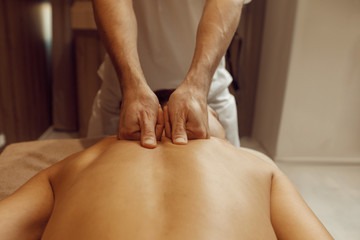 Mental health care is increasingly becoming more integrated, with providers recognizing that physical and mental health are deeply connected. Therapeutic bodywork is now widely recognized as a complementary approach that may help reduce symptoms associated with anxiety, depression, and chronic stress by supporting nervous system regulation and improving physiological balance.
At the Urban Acupuncture Center, this integrated approach focuses on how hands-on therapies can support the nervous system, muscular system, and stress response pathways to help patients feel calmer, more resilient, and better able to manage daily stressors.
Key Takeaways About Mental Health and Bodywork
- Therapeutic bodywork may help regulate the autonomic nervous system
- Physical treatments can help reduce stress hormone levels
- Treatment may support improved sleep and relaxation responses
- Modern research shows connections between fascia, the nervous system, and emotional stress
- Body-based therapies are increasingly used alongside traditional mental health care
Understanding the Connection Between Physical Tension and Mental Health
Stress and anxiety are not just psychological experiences—they also create measurable physical changes in the body. Chronic stress can lead to:
- Increased muscle tension
- Elevated cortisol levels
- Nervous system overactivation
- Poor sleep quality
- Increased inflammation
- Digestive disruption
When the body remains in a prolonged stress response, the sympathetic nervous system (fight-or-flight response) can remain overactive. Therapeutic bodywork may help activate the parasympathetic nervous system, often called the rest-and-recovery response, which supports relaxation and recovery.
How Therapeutic Bodywork Affects the Nervous System
Modern research suggests that therapeutic touch may influence neurological signaling by stimulating sensory receptors in the skin and connective tissue. These signals travel through the peripheral nervous system to the brain, where they can influence stress regulation.
Physiological responses may include:
- Reduced heart rate
- Lower blood pressure
- Decreased cortisol levels
- Increased serotonin activity
- Increased dopamine activity
- Improved vagal nerve activity
These responses are associated with improved emotional regulation and reduced stress symptoms.
The Role of Fascial Pathways in Stress and Emotional Health
Fascia is the connective tissue network that surrounds muscles, organs, nerves, and blood vessels. Research continues to show that fascia contains sensory nerve endings that communicate directly with the nervous system.
Chronic stress may contribute to fascial tension patterns that can affect:
- Posture
- Breathing patterns
- Muscle tightness
- Pain sensitivity
- Movement efficiency
Therapeutic bodywork may help improve fascial mobility, which may reduce physical tension signals being sent to the brain. This may contribute to an overall reduction in perceived stress.
How Bodywork May Help Reduce Anxiety Symptoms
Many patients report improvements in anxiety symptoms after consistent treatment. This may be related to how therapeutic touch affects nervous system regulation.
Potential benefits may include:
- Improved relaxation response
- Reduced muscle guarding
- Improved breathing patterns
- Better sleep quality
- Reduced physical stress symptoms
- Improved body awareness
These physical improvements may help reduce the intensity of anxiety symptoms when combined with appropriate medical or mental health care.
How Bodywork May Support Depression Management
Depression is often associated with both psychological and physiological symptoms including fatigue, sleep disruption, and chronic pain. Therapeutic bodywork may help address some of these physical components.
Potential supportive effects may include:
- Improved circulation
- Reduced physical pain
- Improved sleep quality
- Increased endorphin activity
- Improved mind-body awareness
These effects may help support overall treatment plans when used alongside primary mental health care.
The Importance of an Integrated Care Approach
Modern healthcare increasingly recognizes the value of integrated treatment approaches. Therapeutic bodywork is not a replacement for mental health care, but it may serve as a supportive component of a comprehensive wellness plan.
Integrated care may include:
- Primary care providers
- Mental health professionals
- Physical therapists
- Chiropractic providers
- Acupuncture providers
- Wellness practitioners
This collaborative approach reflects a growing understanding that mental health is influenced by neurological, hormonal, and musculoskeletal factors.
Who May Benefit From Therapeutic Bodywork for Mental Health Support?
Patients experiencing the following may benefit from supportive bodywork:
- Chronic stress
- Anxiety symptoms
- Mild to moderate depression symptoms
- Muscle tension related to stress
- Headaches related to tension
- Stress-related sleep issues
- Burnout symptoms
Treatment plans should always be individualized based on patient needs and medical history.
What Patients Should Know Before Starting Treatment
Patients considering therapeutic bodywork for stress or mental health support should understand:
- Results are often cumulative with consistent care
- Treatment works best as part of a comprehensive wellness plan
- Communication with providers improves outcomes
- Treatment plans should be personalized
- Expectations should focus on regulation rather than instant change
A consultation helps determine the most appropriate approach based on individual health goals.
How Modern Bodywork Supports Whole-Person Wellness
As healthcare continues to evolve toward integrative models, therapies that support nervous system regulation and physical recovery are becoming more widely accepted. Treatments that address both physical and neurological stress responses may help patients build resilience and improve overall wellbeing.
By focusing on anatomy, physiology, and measurable nervous system responses, modern therapeutic bodywork continues to gain recognition as a supportive tool in comprehensive wellness strategies.
Frequently Asked Questions
Can therapeutic bodywork help with anxiety?
Some patients report reduced stress and anxiety symptoms due to improved nervous system regulation and relaxation responses.
Can bodywork replace mental health treatment?
No. Therapeutic bodywork should be considered a complementary approach rather than a replacement for mental health care.
How often should someone receive treatment for stress support?
Frequency varies, but some patients benefit from consistent sessions during periods of high stress.
Does bodywork affect the nervous system?
Yes. Sensory stimulation from therapeutic touch may influence nervous system activity and relaxation responses.
Is therapeutic bodywork medically recognized?
Body-based therapies are increasingly included in integrative health models that combine physical and mental healthcare approaches.
Contact Urban Acupuncture Center in Columbus, OH For More Information
For more information about how acupuncture, massage therapy, electroacupuncture and other alternative healing treatments can help you, please contact the Urban Acupuncture Center Board Certified Licensed Acupuncturist’s team at Indianola Ave, Columbus, Ohio (Clintonville) (614) 725-2488 or click here. Taking new patients in and around greater Columbus, Ohio.
Voted Best of Columbus Two Years in a Row!
References
Cleveland Clinic – Benefits of Massage Therapy
https://health.clevelandclinic.org/massage-therapy-benefits
National Center for Complementary and Integrative Health – Massage Therapy for Health
https://www.nccih.nih.gov/health/massage-therapy-what-you-need-to-know
American Psychological Association – Stress Effects on the Body
https://www.apa.org/topics/stress/body
by urban-acupuncture | Mar 5, 2026 | Massage Therapy
 Massage therapy is far more than a luxury—it is a powerful, evidence-supported wellness practice that benefits the body and mind in profound ways. From easing chronic pain and muscle stiffness to reducing stress and improving mental clarity, massage therapy supports overall health by helping the body function more efficiently and recover more effectively.
At its core, massage works by addressing tension patterns, improving circulation, calming the nervous system, and enhancing the mind-body connection.
Frequently Asked Questions About Massage Therapy
Is massage therapy only for relaxation?
No. While relaxation is one benefit, massage therapy is widely used for pain management, injury recovery, mobility improvement, stress reduction, and overall physical and mental health.
Who can benefit from massage therapy?
Massage can benefit people of all ages, including athletes, office workers, individuals with chronic pain, those recovering from injury, and anyone experiencing physical or emotional stress.
How often should I get a massage?
Frequency depends on individual needs. Some people benefit from weekly sessions for pain or stress management, while others maintain wellness with monthly visits.
Does massage therapy help mental health?
Yes. Massage has been shown to reduce anxiety, improve mental awareness, support emotional balance, and promote feelings of overall well-being.
Physical Benefits of Massage Therapy
Reducing Muscle Tension, Stiffness, and Spasms
Massage therapy helps release tight muscles and reduce involuntary muscle spasms caused by overuse, stress, or injury. By improving circulation and relaxing muscle fibers, massage can significantly reduce stiffness and discomfort.
Improving Flexibility, Mobility, and Range of Motion
Through targeted manipulation of muscles and connective tissue, massage increases joint and limb flexibility. Improved range of motion allows for greater ease and efficiency of movement, which is especially beneficial for athletes, active individuals, and those recovering from injury.
Supporting Injury Recovery and Healing
Massage promotes faster healing of soft tissue injuries such as pulled muscles and sprained ligaments by:
- Improving blood flow to injured areas
- Reducing pain and swelling
- Minimizing scar tissue formation
- Supporting tissue repair and regeneration
These effects make massage a valuable complement to rehabilitation and physical therapy.
Improving Circulation and Lymphatic Flow
Massage enhances blood circulation, ensuring that oxygen and nutrients reach muscles and tissues more efficiently. It also supports lymphatic movement, which helps the body eliminate waste products and reduce inflammation and swelling.
Enhancing Skin Health and Posture
By increasing circulation and reducing tension patterns, massage improves skin nourishment and elasticity. Over time, it can also improve posture by releasing muscular imbalances that pull the body out of alignment.
Mental and Emotional Benefits of Massage Therapy
Stress Reduction and Deep Relaxation
Massage therapy is highly effective at relieving physical tension and overall stress. By calming the nervous system, massage induces a relaxation response that lowers stress hormones and promotes a sense of calm.
Reducing Anxiety and Emotional Tension
Massage helps reduce both emotional and physical stress, making it a valuable tool for managing anxiety. Many people report feeling grounded, balanced, and emotionally lighter after sessions.
Improving Breathing and Headache Relief
Relaxation of the chest, neck, and shoulder muscles promotes deeper, easier breathing. Massage also helps relieve tension-related headaches and eyestrain caused by stress, posture issues, or prolonged screen use.
Enhancing Mental Awareness and the Mind-Body Connection
Massage increases awareness of how the body holds stress and tension. This heightened mind-body connection can improve mental clarity, focus, and overall self-awareness, empowering individuals to better manage stress in daily life.
Promoting Overall Well-Being
Massage therapy supports holistic wellness by helping the body function more smoothly and efficiently. Regular sessions can:
- Reduce chronic pain and discomfort
- Improve sleep quality
- Boost mood and emotional resilience
- Promote long-term physical and mental balance
By addressing both physical and emotional needs, massage therapy plays an important role in preventive care and long-term health maintenance.
Contact Urban Acupuncture Center in Columbus, OH For More Information
For more information about how acupuncture, massage therapy, electroacupuncture and other alternative healing treatments can help you, please contact the Urban Acupuncture Center Board Certified Licensed Acupuncturist’s team at Indianola Ave, Columbus, Ohio (Clintonville) (614) 725-2488 or click here. Taking new patients in and around greater Columbus, Ohio.
Voted Best of Columbus Two Years in a Row!
References & Additional Reading
by urban-acupuncture | Mar 1, 2026 | Acupuncture Columbus, Holistic Health, Massage Therapy
 Living with chronic or recurring pain can affect every aspect of daily life—from sleep and mobility to mood and overall quality of life. At Urban Acupuncture Center in Columbus, Ohio, a holistic approach to pain management combines acupuncture, massage therapy, and Reiki to help address pain at its source while supporting the body’s natural healing processes.
Rather than masking symptoms, these complementary therapies focus on restoring balance, reducing inflammation, improving circulation, and calming the nervous system—key factors in long-term pain relief.
Frequently Asked Questions About Holistic Pain Management
Can acupuncture, massage, and Reiki really help with pain?
Yes. Numerous clinical studies show that acupuncture and massage are effective for managing chronic pain, muscle tension, headaches, joint pain, and stress-related discomfort. Reiki has also been shown to reduce pain perception and promote deep relaxation.
What types of pain respond best to these treatments?
These therapies are commonly used for back and neck pain, migraines, arthritis, sciatica, sports injuries, repetitive strain injuries, fibromyalgia, and stress-related pain conditions.
How long does it take to feel results?
Some patients experience relief after their first session, while chronic pain conditions often improve gradually over a series of treatments. Consistency is key for lasting results.
Are these therapies safe?
When provided by trained professionals, acupuncture, massage, and Reiki are considered very safe with minimal side effects. Mild soreness or temporary fatigue may occur as the body adjusts.
A Whole-Body Approach to Pain Relief
Acupuncture: Targeting Pain at Its Source
Acupuncture is a cornerstone of integrative pain management. Using ultra-thin needles placed at specific points, acupuncture helps regulate the nervous system, increase blood flow, reduce inflammation, and stimulate the release of natural pain-relieving chemicals such as endorphins.
At Urban Acupuncture Center, acupuncture is commonly used to help manage:
-
Chronic muscle and joint pain
-
Migraines and tension headaches
-
Back, neck, and shoulder pain
-
Stress-related pain and tension
This therapy supports both immediate relief and long-term pain reduction by addressing underlying imbalances rather than just symptoms.
Massage Therapy: Releasing Tension and Improving Mobility
Massage therapy plays an important role in pain management by addressing muscular tightness and restricted movement. Therapeutic massage helps:
-
Loosen tight or overworked muscles
-
Improve circulation and lymphatic flow
-
Increase range of motion
-
Reduce stress that contributes to pain flare-ups
Massage is especially beneficial when combined with acupuncture, as relaxed muscles allow acupuncture treatments to work more effectively.
Reiki: Supporting the Nervous System and Stress Response
Reiki is a gentle energy-based therapy that promotes deep relaxation and emotional balance. While Reiki does not involve physical manipulation, it can significantly impact pain by calming the nervous system and reducing stress-related tension.
For individuals whose pain is worsened by anxiety, emotional stress, or poor sleep, Reiki can be a valuable part of a comprehensive pain management plan.
Why Combine These Therapies?
Pain is rarely caused by one factor alone. Muscle tension, inflammation, stress, posture, emotional health, and nervous system regulation all play a role. By combining acupuncture, massage, and Reiki, Urban Acupuncture Center offers a multi-layered approach that supports the body physically and mentally.
Benefits of integrative pain care include:
-
More comprehensive pain relief
-
Reduced reliance on medications
-
Improved sleep and energy levels
-
Enhanced overall wellness and resilience
Pain Management at Urban Acupuncture Center in Columbus, OH
Urban Acupuncture Center is committed to providing accessible, effective, and compassionate care. Their experienced practitioners tailor each treatment plan to the individual, ensuring that pain management strategies align with personal health goals and lifestyles.
Whether you are dealing with chronic pain or looking for a natural way to manage stress-related discomfort, integrative therapies can offer meaningful relief and long-term support.
Contact Urban Acupuncture Center in Columbus, OH For More Information
For more information about how acupuncture, massage therapy, electroacupuncture and other alternative healing treatments can help you, please contact the Urban Acupuncture Center Board Certified Licensed Acupuncturist’s team at Indianola Ave, Columbus, Ohio (Clintonville) (614) 725-2488 or click here. Taking new patients in and around greater Columbus, Ohio.
Voted Best of Columbus Two Years in a Row!
References & Additional Reading