The Practitioner Degree: Usui Reiki Level II (Okuden, meaning “Inner Teachings”) transitions a practitioner from basic hands-on self-care to advanced biofield and distance healing techniques.
Sacred Reiki Symbols: Level II introduces three core sacred symbols used to focus mental energy, enhance physical healing, and enable emotional and mental release.
Distance Healing Capability: Practitioners learn to send healing energy across time and space, allowing remote treatment for clients, past trauma, or future events.
Psychological & Emotional Focus: While Level I primarily focuses on the physical body, Level II dives deep into balancing the mental and emotional subtle bodies.
Integrative Wellness: At Urban Acupuncture Center, Reiki Level II techniques complement traditional acupuncture by addressing subconscious emotional blockages that often manifest as physical pain.
What Is Usui Reiki Level II (Okuden)?
Usui Reiki is a traditional Japanese system of energy healing founded by Dr. Mikao Usui in the early 20th century. While Level I (Shoden) introduces students to the fundamentals of biofield energy, self-healing, and physical hand positions, Reiki Level II (Okuden) is known as the “Practitioner Degree.”
At this level, the practitioner’s energy channel is significantly broadened through a second set of attunements. Level II shifts the focus from physical-level relaxation to deep psychological healing, emotional release, and non-local (distance) energy work.
The Three Sacred Symbols of Usui Reiki Level II
One of the most transformative aspects of Level II training is the introduction of three sacred symbols (Shirushi). These symbols act as specific focus keys or frequencies, helping the practitioner direct universal life force energy (Ki) with precision:
1. Cho Ku Rei (The Power Symbol)
Meaning:“Place the power of the universe here.”
Function: Acts as a light switch to instantly increase energy flow. It is used to focus Reiki energy on specific physical areas, clear negative space, and offer energetic protection.
2. Sei He Ki (The Mental/Emotional Symbol)
Meaning:“God and man become one.”
Function: Works directly with the brain hemispheres, subconscious mind, and emotional body. It helps release stubborn emotional baggage, anxiety, bad habits, and trauma stored in cellular memory.
3. Hon Sha Ze Sho Nen (The Distance/Connection Symbol)
Meaning:“No past, no present, no future.”
Function: Dissolves the boundaries of time and space. It allows practitioners to send Reiki energy to anyone anywhere in the world, as well as heal past emotional wounds or project calm energy into future stressful events.
Key Benefits of Usui Reiki Level II
Because Level II works across physical, mental, and spatial dimensions, its clinical and personal benefits are vast:
Focus Area
How Level II Reiki Helps
Distance Healing
Delivers biofield balancing to loved ones, clients, or remote individuals who cannot be physically present.
Emotional & Mental Detox
Helps process long-held grief, chronic stress, anxiety, phobias, and deep-seated emotional blockages.
Enhanced Intuition
Heightens the practitioner’s sensitivity to subtle subtle-body imbalances (Byosen scan).
Accelerated Physical Healing
Amplifies the strength of hands-on treatments when combined with Level I physical protocols.
Clearing Energetic Spaces
Purifies environments, treatment rooms, and personal items of heavy or stagnant energy.
Combining Reiki Level II with Acupuncture
At Urban Acupuncture Center, we recognize the profound synergy between acupuncture and Japanese Reiki energy work.
Meridians and Biofields: Health depends on the smooth flow of Qi through internal meridians. Reiki operates on the surrounding biofield (Aura) and chakras.
Releasing Subconscious Stagnation: Physical acupuncture needles relieve blood and energy stagnation in tight muscles. Concurrently, Level II Reiki symbols (like Sei He Ki) target the subconscious mental roots that created the physical tightness in the first place.
Deep Nervous System Reset: Combining these modalities shifts clients into a profound parasympathetic state, allowing faster tissue recovery and total mental tranquility.
What to Expect During a Level II Session
When receiving a Reiki Level II session from a certified practitioner:
Intake & Intentions: You and your practitioner discuss areas where you feel stuck physically, emotionally, or mentally.
Sacred Symbol Activation: The practitioner quietly activates the appropriate Level II symbols over your energy centers (Chakras).
Gentle Touch or Off-Body Holds: Work is performed with light, non-invasive placement of hands on or slightly above the fully clothed body.
Deep Relaxation & Emotional Release: You may feel gentle waves of warmth, tingling, light imagery, or a sense of profound emotional weight lifting.
Frequently Asked Questions (FAQs)
Can Reiki Level II be performed over the phone or online?
Yes. Thanks to the distance healing symbol (Hon Sha Ze Sho Nen), a Level II practitioner can conduct effective sessions remotely via video call, phone, or scheduled quiet times, delivering the same energetic benefits as an in-person visit.
How is Reiki Level II different from Level I?
Reiki Level I focuses primarily on hands-on self-treatment and physical ailments. Level II empowers the practitioner to treat others professionally, introduces three sacred symbols, enables distance healing, and targets deep mental and emotional layers.
Is Reiki Level II safe for everyone?
Reiki is completely non-invasive, gentle, and safe for people of all ages, including pregnant women, children, and those recovering from surgery. It complements standard medical treatments without any risk of side effects or drug interactions.
How many Level II sessions do I need?
While a single session provides immediate stress reduction and deep relaxation, addressing chronic emotional patterns, trauma, or long-standing physical challenges often benefits from a series of 3 to 6 sessions.
Experience Energy Healing at Urban Acupuncture Center
Whether you are looking to release emotional tension, enhance your physical recovery, or experience the benefits of integrative biofield therapy, Usui Reiki Level II offers a transformative path to wellness.
To learn more about our energy medicine services or to book a session with our practitioners, visit Urban Acupuncture Center.
Contact Urban Acupuncture Center in Columbus, OH For More Information
If you experience burning, tingling, numbness, sensitivity, or nerve pain in your feet, legs, hands, or other parts of your body, you may be looking for alternatives to medication for managing peripheral neuropathy symptoms.
Electrical stimulation is one approach that may be used to help manage certain types of neuropathic pain. However, “electrical stimulation” can refer to several different technologies and treatment approaches. Understanding the differences can help you make more informed decisions about your care.
For people in Columbus, Ohio, finding a provider who can explain the type of electrical stimulation being used, what it is intended to accomplish, and what the evidence shows is an important part of evaluating treatment options.
Key Takeaways
Peripheral neuropathy is a condition involving damage or dysfunction of nerves outside the brain and spinal cord.
Neuropathy can have many causes, including diabetes, certain medications, nutritional deficiencies, autoimmune conditions, infections, alcohol exposure, inherited conditions, and nerve injuries.
Electrical stimulation may be used as part of neuropathic pain management, but different types of electrical stimulation work differently.
TENS is a noninvasive form of electrical stimulation delivered through electrodes placed on the skin.
Other approaches, including peripheral nerve stimulation and spinal cord stimulation, use different technologies and are generally more specialized.
Electrical stimulation should not automatically be described as a cure or a way to regenerate damaged nerves.
The underlying cause of neuropathy matters. Proper evaluation can help determine what type of treatment may be appropriate.
If you are searching for peripheral neuropathy treatment in Columbus, Ohio, ask the provider exactly what type of electrical stimulation they use and what evidence supports that specific treatment.
What Is Peripheral Neuropathy?
Peripheral neuropathy refers to problems involving the peripheral nervous system—the nerves that connect the brain and spinal cord with the rest of the body.
These nerves transmit sensory information, help control muscles, and regulate certain involuntary functions.
Depending on which nerves are affected, peripheral neuropathy may cause:
Numbness
Tingling or prickling sensations
Burning pain
Sharp or shooting pain
Increased sensitivity to touch
Muscle weakness
Balance problems
Changes in sensation in the feet or hands
Symptoms can vary significantly from one person to another.
Peripheral neuropathy also has many possible causes. Diabetes is a common cause, but neuropathy can also be associated with certain medications, vitamin deficiencies, autoimmune diseases, infections, alcohol exposure, inherited disorders, nerve compression, and other medical conditions.
That is why identifying the possible cause of neuropathy is an important part of treatment.
What Is Electrical Stimulation for Peripheral Neuropathy?
Electrical stimulation uses controlled electrical impulses to stimulate nerves, muscles, or pathways involved in pain signaling.
The phrase “electrical stimulation” does not describe one single treatment.
Depending on the technology, electrical stimulation may be delivered through electrodes placed on the skin or through specialized devices positioned near nerves or other structures.
Some forms are noninvasive, while others require medical procedures and implanted equipment.
The purpose may also differ. A particular treatment might be intended to help with pain, muscle activation, or other symptoms rather than to treat the underlying cause of neuropathy itself.
How Can Electrical Stimulation Help With Neuropathic Pain?
Neuropathic pain occurs when nerves or the nervous system are damaged or functioning abnormally.
Electrical stimulation is one way clinicians may attempt to influence pain signaling.
For example, transcutaneous electrical nerve stimulation (TENS) delivers low electrical pulses through electrodes placed on the skin. The National Institute of Neurological Disorders and Stroke identifies TENS as a noninvasive intervention that can be used for pain relief and notes that it may be prescribed along with other treatments for severe nerve pain.
Research into electrical stimulation for neuropathic pain is ongoing.
A 2025 systematic review and meta-analysis examining TENS for neuropathic pain found that the evidence remained inconclusive overall. This is important because it means electrical stimulation should not be presented as a guaranteed treatment for everyone with neuropathy.
What Is TENS?
TENS stands for transcutaneous electrical nerve stimulation.
“Transcutaneous” means that the stimulation is delivered through the skin.
TENS generally involves placing small electrodes on the skin and delivering mild electrical pulses through them.
TENS is:
Noninvasive
Delivered through the skin
Used primarily for pain management
Different from implanted neuromodulation procedures
Sometimes used as part of a broader pain-management plan
Mayo Clinic lists TENS among therapies that may be used for symptoms of diabetic neuropathy, while also noting that it does not work for everyone or for every type of pain.
Does TENS Cure Peripheral Neuropathy?
No. TENS should not be described as a cure for peripheral neuropathy.
Peripheral neuropathy can result from many different underlying conditions. Treating the underlying cause, when possible, remains an important part of managing neuropathy.
Electrical stimulation may be used to address symptoms such as pain, but symptom management and treatment of the underlying nerve disorder are not necessarily the same thing.
Electrical Stimulation Is Not One-Size-Fits-All
One of the most important things to understand when researching peripheral neuropathy treatment is that different electrical stimulation technologies have different purposes.
TENS
TENS delivers electrical stimulation through electrodes placed on the skin.
It is noninvasive and is generally used for pain management.
Peripheral Nerve Stimulation
Peripheral nerve stimulation, or PNS, involves delivering electrical stimulation near a specific peripheral nerve.
This is different from simply placing electrodes on the skin. Depending on the specific technology and treatment plan, PNS may involve a procedure to position the stimulation device near the nerve.
Research into PNS for neuropathic pain continues to develop. A 2025 systematic review specifically examining peripheral percutaneous electrical nerve stimulation for neuropathies evaluated randomized clinical trials involving neuropathic pain and found evidence supporting continued investigation of this approach.
Spinal Cord Stimulation
Spinal cord stimulation is another form of neuromodulation.
It involves an implanted system that delivers electrical impulses to areas involved in pain signaling. It is a more invasive treatment and is generally considered for selected patients with persistent pain.
Mayo Clinic lists spinal cord stimulation among procedures that may help certain people with peripheral neuropathy symptoms.
These treatments should not be treated as interchangeable.
If a provider offers electrical stimulation for neuropathy, ask what specific technology is being used.
Electrical Stimulation Treatment vs. Nerve Testing
There is another important distinction that can be confusing when researching neuropathy.
Electrical stimulation can also be part of a nerve conduction study, which is a diagnostic test.
During a nerve conduction study, electrodes are placed on the skin and a small electrical current stimulates nerves while the response is measured. This helps healthcare professionals evaluate how well nerves are functioning.
That is very different from using electrical stimulation as a treatment.
In simple terms:
Nerve conduction study: Electrical stimulation is used to evaluate nerve function.
TENS: Electrical stimulation is delivered through the skin as a noninvasive pain-management treatment.
Peripheral nerve stimulation: Electrical stimulation is delivered near a peripheral nerve as a form of neuromodulation.
Spinal cord stimulation: An implanted device delivers electrical impulses to influence pain signaling.
Understanding this distinction can help you ask better questions when comparing neuropathy treatment options.
Why Does the Cause of Neuropathy Matter?
Peripheral neuropathy is not one single disease with one single cause.
For example, diabetic neuropathy is associated with diabetes, while chemotherapy-induced peripheral neuropathy can develop after certain cancer treatments. Other forms may be associated with vitamin deficiencies, autoimmune diseases, inherited disorders, infections, alcohol exposure, or nerve compression.
Treatment therefore depends on the individual.
The National Institute of Neurological Disorders and Stroke explains that treatment depends on the type and location of nerve damage and the person’s symptoms. In some cases, addressing the underlying cause may allow nerves to recover.
This is why a comprehensive approach can be important.
Managing symptoms is one part of neuropathy care. Understanding why the neuropathy developed is another.
What Are Other Peripheral Neuropathy Treatment Options?
Depending on the cause and symptoms, treatment may include:
Treating or managing the underlying medical condition
Managing blood glucose in people with diabetes
Correcting certain vitamin deficiencies
Adjusting medications when medically appropriate
Prescription medications for neuropathic pain
Topical treatments
Physical therapy
Exercise appropriate for the individual
Foot care and injury prevention
Neuromodulation or other procedures for selected patients
The appropriate treatment depends on the individual’s diagnosis, symptoms, medical history, and overall health.
There is no single treatment that is appropriate for every person with peripheral neuropathy.
Is Electrical Stimulation Right for You?
If you are considering electrical stimulation for neuropathy, it is reasonable to ask specific questions before beginning treatment.
Consider asking:
What type of electrical stimulation do you use?
The answer matters because TENS, peripheral nerve stimulation, spinal cord stimulation, and other forms of electrical stimulation are different treatments.
What is the goal of the treatment?
Is it intended to address pain, improve function, stimulate muscles, or accomplish something else?
What type of neuropathy is the treatment intended for?
The evidence may differ depending on the underlying cause.
What does the research show?
Ask about evidence for the specific technology and protocol—not simply electrical stimulation in general.
How will my progress be evaluated?
A responsible treatment plan should have a way to determine whether you are experiencing meaningful improvement.
Finding Peripheral Neuropathy Treatment in Columbus, Ohio
If you live in Columbus or the surrounding Central Ohio area and are researching peripheral neuropathy treatment with electrical stimulation, look for a provider who clearly explains the treatment being offered.
A trustworthy provider should be able to explain:
What type of electrical stimulation is used
What symptoms the treatment is intended to address
Who may be an appropriate candidate
What the known limitations of the treatment are
What other treatment options may be appropriate
When medical evaluation or referral is necessary
Be cautious of claims that promise a guaranteed cure, permanent nerve regeneration, or identical results for everyone.
Peripheral neuropathy is a complex condition, and treatment should be individualized.
Frequently Asked Questions About Electrical Stimulation for Peripheral Neuropathy
Can electrical stimulation help peripheral neuropathy?
Electrical stimulation may help manage neuropathic pain for some people, depending on the type of stimulation and the underlying condition. However, the evidence varies between treatment approaches, and electrical stimulation should not be considered a universal cure for peripheral neuropathy.
What is the best electrical stimulation for peripheral neuropathy?
There is no single electrical stimulation treatment that has been established as the best option for everyone with peripheral neuropathy. TENS, peripheral nerve stimulation, spinal cord stimulation, and other technologies have different purposes, levels of invasiveness, and evidence.
Can TENS help neuropathy in the feet?
TENS may help relieve pain in some people with neuropathy, but it does not work for everyone. Evidence regarding TENS specifically for neuropathic pain remains mixed.
Does electrical stimulation repair damaged nerves?
Electrical stimulation should not generally be marketed as a treatment that repairs all forms of damaged nerves. Some electrical stimulation techniques are used in specific nerve injuries or studied for their effects on nerve and muscle function, but the evidence depends on the type of nerve problem and the specific technology.
Is electrical stimulation safe?
The safety of electrical stimulation depends on the specific treatment, device, placement, and individual health circumstances. A qualified healthcare professional can determine whether a particular treatment is appropriate.
Is electrical stimulation the same as an EMG?
No. An EMG and nerve conduction study are diagnostic tests used to evaluate nerve and muscle function. Some of these tests use electrical stimulation to measure nerve responses. Therapeutic electrical stimulation is intended to manage symptoms or affect nerve or muscle function.
Can diabetic neuropathy be treated with electrical stimulation?
Electrical stimulation may be considered as part of symptom management for some people with diabetic neuropathy. However, managing diabetes and other underlying risk factors remains an important part of diabetic neuropathy care.
Should I see a doctor before trying electrical stimulation for neuropathy?
If you have new, unexplained, worsening, or significant numbness, tingling, burning pain, or weakness, medical evaluation is appropriate. Determining the cause of neuropathy can help guide treatment.
The Bottom Line
Electrical stimulation is a potential treatment approach for managing certain neuropathy symptoms, particularly pain, but it is not a single treatment and it is not appropriate for everyone.
TENS is a noninvasive form of electrical stimulation that may provide pain relief for some people. Other approaches, including peripheral nerve stimulation and spinal cord stimulation, use different technologies and are used in different clinical circumstances.
The most important question is not simply, “Does electrical stimulation work for neuropathy?”
A better question is:
“What type of electrical stimulation is being used, what is it designed to treat, and what does the evidence show for someone with my specific type of neuropathy?”
If you are looking for peripheral neuropathy treatment in Columbus, Ohio, a qualified provider can help you understand your symptoms, discuss appropriate treatment options, and determine whether electrical stimulation may have a role in your care.
Contact Urban Acupuncture Center in Columbus, OH For More Information
This article is provided for general educational purposes and is not a substitute for professional medical diagnosis or treatment. Peripheral neuropathy can have many causes, and treatment should be based on an individual’s diagnosis, medical history, symptoms, and healthcare needs. Speak with a qualified healthcare professional about your specific condition before beginning a new treatment.
Reiki Level II practice is more powerful, intuitive, and versatile.
This level opens the door to emotional healing, distance work, and the sacred symbols that elevate every session. If you’re ready to strengthen your connection to Reiki and support others in a deeper way, Reiki II is your next step. Prerequisite is completion of Reiki Level 1 Training.
Participants in Reiki II learn to work with the three traditional symbols that amplify energy, support emotional balance, and allow Reiki to be sent across any distance. You’ll gain the tools to offer more meaningful sessions, support clients through stress and emotional challenges, and expand your practice.
Reiki II empowers participants to show up with greater clarity, compassion, and capability. Whether you’re continuing your personal growth or preparing to support others professionally, this training gives you the tools to make a meaningful impact.
What You’ll Recieve:
Advanced Symbol Training–Learn the power, emotional/mental, and distance symbols and how to use them ethically and effectively.
Distance-Healing Methods–Offer Reiki to clients anywhere in the world with confidence and structure.
Level II Attunement–Deepen your intuitive sensitivity and strengthen your energetic channel
Emotional & Mental Healing Techniques–Support clients through stress, overwhelm, and emotional imbalance using symbol-based practies.
Intuitive Development–Strengthen your inner guidance and learn to trust subtle energetic information.
Professional-Ready Skills–Learn boundaries, energetic hygiene, and session structure for those wishing to offer Reiki professionally.
Reiki II is ideal for anyone who wants to:
Deepen their personal healing journey
Support others with emotional or mental stress
Offer distance Reiki to loved ones or clients
Build confidence and clarity in their intuitive abilities
Expand their professional wellness practice
Cost is $420 per person and includes all materials, books & supplies.
As always, please call the office if you have additional questions (614) 725-2488.
Have you ever noticed that you move through your day in the same ways over and over again—even when those movements leave you feeling tense, uncomfortable, or restricted?
Our bodies develop habits. The way we sit at our desks, walk, stand, reach, lift, or even hold tension in our shoulders can become so familiar that we stop noticing we’re doing it.
Changing those patterns takes practice. Small changes repeated consistently can gradually create new ways of moving and experiencing your body.
That is the idea behind Mary’s 90-minute extended Trager® sessions, which combine bodywork with education to help you discover new possibilities for movement and relaxation that you can incorporate into everyday life.
If You Want to Feel Different, You Have to Do Something Different
The patterns we repeat every day can become deeply ingrained. If a particular way of moving contributes to tension or discomfort, simply knowing that you are doing it may not be enough to change it.
Change comes through practice.
During an extended Trager® session, Mary can help you become more aware of how you move and introduce gentle techniques that encourage greater ease and fluidity. The goal is not to force your body into a new position or movement, but to explore what it feels like to move differently.
With repetition, these new experiences can become easier to recognize and incorporate into your daily routine.
Extending the Feeling of Relaxation Beyond Your Session
Many people enjoy the sense of relaxation and ease they experience following a Trager® session. An important part of an extended session is learning how to bring some of that awareness into your everyday activities.
Rather than thinking of relaxation as something that only happens during a session, Mary can help you explore ways to carry that feeling into ordinary movements.
You might begin noticing:
How much tension you hold while sitting
How you stand and shift your weight
How you walk and change direction
How you reach for objects
How you bend, lift, or turn
Where you tend to hold unnecessary effort
Whether there are easier or more comfortable ways to move
These small moments of awareness can give you opportunities to practice moving with less effort throughout your day.
Why Repetition Matters
Changing an established movement pattern doesn’t generally happen overnight.
Think about learning any new skill. At first, you have to consciously think about what you’re doing. With practice, the movement becomes more familiar and eventually requires less conscious attention.
The same principle can apply when exploring new ways of moving.
Small changes practiced regularly can add up.
Instead of trying to completely change the way you move all at once, you can begin by noticing one movement or habit at a time. Over time, increased awareness may make it easier to recognize when you’re creating unnecessary tension and experiment with a different approach.
What Happens During a 90-Minute Extended Trager® Session?
Mary’s extended sessions provide additional time for both Trager® bodywork and movement education.
The session can include exploration of movement patterns that you use in your everyday life. Mary can demonstrate techniques and guide you through movements designed to help you experience greater ease and fluidity.
The educational component gives you an opportunity to take what you discover during the session and apply it outside of the treatment setting.
The goal is to make the experience practical—something you can continue exploring as you go about your normal activities.
Bring What You Learn Into Everyday Life
The real opportunity comes when you take what you’ve experienced during your session and begin applying it to your daily routine.
You don’t necessarily need to set aside a large amount of time. Everyday activities can become opportunities to practice awareness.
For example, you might pause while getting out of a chair and notice how you move. You might pay attention to your shoulders while working at your computer. Or you might experiment with moving more slowly and easily while reaching, walking, or turning.
These small moments can help you become more aware of your body’s habitual patterns.
Make Relaxation a Practice
Tension can become habitual. Relaxation can become a practice.
The more opportunities you have to notice your movement and explore alternatives, the more familiar different patterns may become.
Mary’s 90-minute extended Trager® sessions are designed to give you more time to experience the work while also learning practical ways to incorporate greater ease and awareness into your daily movements.
If you’re ready to explore new ways of moving this fall, consider scheduling an extended session with Mary.
Schedule your 90-minute extended Trager® session and discover how small changes in the way you move can become part of your everyday life.
Specialized Care for Pregnancy: Prenatal massage is a customized bodywork technique adapted specifically to support the anatomical, physiological, and hormonal changes occurring during pregnancy.
Safe Positioning: Utilizes specialized side-lying positioning with supportive cushioning to protect maternal blood circulation and ensure maximum comfort for both mother and baby.
Reduces Common Pregnancy Discomforts: Proven to relieve sciatic nerve pain, lower back aches, swollen joints (edema), neck strain, and sleep disturbances.
Hormonal & Nervous System Balance: Soothes the sympathetic nervous system, lowering stress hormones like cortisol while boosting feel-good neurotransmitters like serotonin and dopamine.
Complements Prenatal Acupuncture: Pairing prenatal massage with pregnancy-safe acupuncture at Urban Acupuncture Center offers a comprehensive, natural approach to labor preparation, pain relief, and emotional wellness.
Understanding Prenatal Massage
During pregnancy, a woman’s body undergoes extraordinary physical and biochemical changes. As the baby grows, the mother’s center of gravity shifts forward, placing continuous strain on the lower back, pelvis, and gluteal muscles. At the same time, pregnancy hormones like relaxin soften ligaments, increasing joint mobility but often causing structural instability and discomfort.
Prenatal massage (also known as pregnancy massage) is a gentle, non-invasive therapeutic bodywork technique tailored specifically to accommodate these rapid changes. Performed by trained therapists who understand maternal anatomy, prenatal massage targets muscle tension while maintaining strict safety standards for every trimester.
Physiological & Emotional Benefits of Prenatal Massage
Prenatal massage touches nearly every system of the body, offering benefits that extend far beyond simple relaxation:
Benefit Area
How Prenatal Massage Helps
Lower Back & Sciatic Pain
Releases tight piriformis and gluteal muscles that press on the sciatic nerve as the pelvis tilts forward.
Swelling & Fluid Retention (Edema)
Stimulates lymphatic drainage and blood circulation to reduce fluid accumulation in ankles, feet, and hands.
Hormonal & Mood Balance
Reduces levels of the stress hormone cortisol while elevating serotonin and dopamine to alleviate pregnancy anxiety.
Improved Sleep Quality
Eases physical aches and quiets an overactive nervous system, helping mothers achieve deeper, more restorative rest.
Headache & Neck Strain Relief
Relieves upper body muscle tightness caused by posture shifts and increased breast weight.
Safety Protocols & Proper Positioning
Safety is the foundation of prenatal massage. Unlike standard Swedish or deep tissue massage, prenatal bodywork follows specific clinical protocols:
1. Side-Lying Position
After the first trimester, pregnant clients should not lie flat on their backs (supine). Lying flat can cause the weight of the uterus to compress the inferior vena cava—the large vein returning blood from the lower body to the heart—potentially causing dizziness, reduced blood pressure, and decreased oxygen delivery to the placenta.
Instead, treatments utilize a supportive side-lying position enhanced with body pillows, wedges, and bolsters to keep the spine, hips, and abdomen perfectly aligned.
2. Gentle Modalities
Deep tissue work directly over the abdomen or inner thighs is strictly avoided. Therapists use smooth, rhythmic Swedish massage strokes, light friction, and gentle stretching to ease tension without placing undue stress on softened ligaments.
Combining Prenatal Massage with Acupuncture
At Urban Acupuncture Center, we provide integrated holistic care tailored to every stage of motherhood. Combining prenatal massage with pregnancy-safe acupuncture creates a well-rounded care plan:
Relief for Morning Sickness & Fatigue: While massage relaxes hypertonic muscles, acupuncture at specific points (like PC6) effectively calms nausea and boosts vital energy (Qi).
Labor Preparation: In the late third trimester, combining gentle soft-tissue release around the pelvis with pre-birth acupuncture helps prepare the cervix, balance energy channels, and encourage optimal fetal positioning.
Comprehensive Stress Reduction: Addressing both physical fascial tightness and energetic flow helps mothers navigate the emotional transitions of pregnancy with calm and resilience.
What to Expect During Your Session
Detailed Intake: Your therapist reviews your current gestational week, health history, and specific symptoms (such as sciatic pain, heartburn, or swelling).
Comfortable Setup: You will be guided onto a cushioned massage table arranged with supportive body pillows so you can relax comfortably on your side.
Targeted Bodywork: The session focuses on key areas of strain—such as the neck, shoulders, lumbar region, hips, legs, and feet—using customized, gentle pressure.
Post-Session Care: You will be given time to sit up slowly. Your practitioner will encourage hydration to help flush out metabolic waste and keep soft tissues healthy.
Frequently Asked Questions (FAQs)
Is prenatal massage safe during the first trimester?
While prenatal massage is generally safe throughout low-risk pregnancies, many practitioners prefer to begin massage in the second trimester (after week 12) when the initial fatigue and morning sickness subside. Always check with your obstetrician or midwife before booking a session in your first trimester.
Can massage trigger labor?
When performed by a certified prenatal therapist, massage will not trigger preterm labor. Professional therapists avoid specific pressure points around the ankles and wrists that are traditionally associated with uterine stimulation until a mother reaches full term (37+ weeks).
What conditions require medical clearance prior to massage?
You should consult your primary healthcare provider or OB/GYN before receiving prenatal massage if you experience any of the following:
High-risk pregnancy or history of preterm labor
Pregnancy-induced hypertension or Preeclampsia
Severe swelling, sudden onset of headaches, or high blood pressure
Unexplained abdominal pain or vaginal bleeding
Support Your Pregnancy Journey at Urban Acupuncture Center
Nurturing your body during pregnancy is essential for both your wellbeing and your baby’s development. Whether you are seeking relief from back pain, trying to reduce swelling, or looking for a calm space to unwind, our experienced team is here to support you.
To learn more about our prenatal services or schedule your appointment, visit Urban Acupuncture Center.
Journal of Psychosomatic Obstetrics & Gynecology:Massage Therapy Reduces Anxiety, Depression, and Back Pain in Pregnant Women. PubMed / NCBI: https://pubmed.ncbi.nlm.nih.gov/
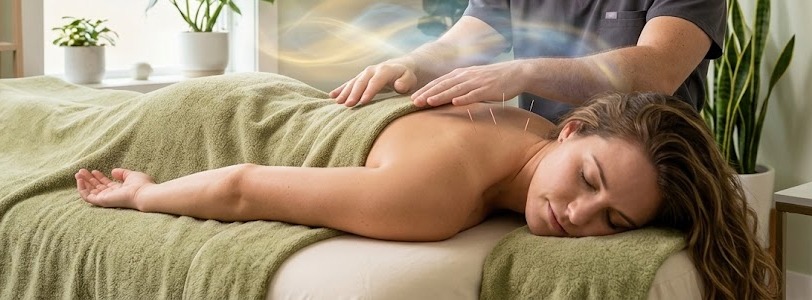 Usui Reiki is a traditional Japanese system of energy healing founded by Dr. Mikao Usui in the early 20th century. While Level I (Shoden) introduces students to the fundamentals of biofield energy, self-healing, and physical hand positions, Reiki Level II (Okuden) is known as the “Practitioner Degree.”
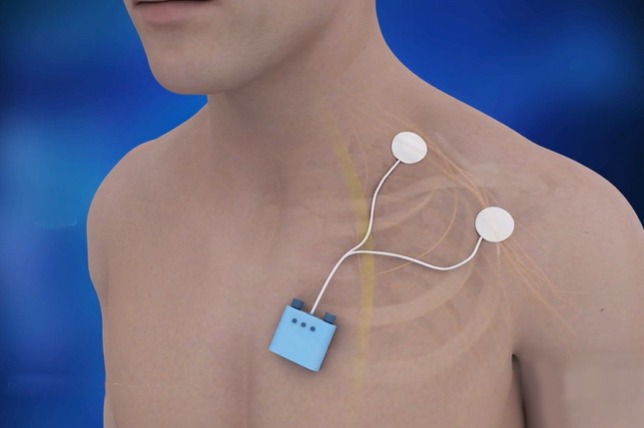 Peripheral neuropathy refers to problems involving the peripheral nervous system—the nerves that connect the brain and spinal cord with the rest of the body.
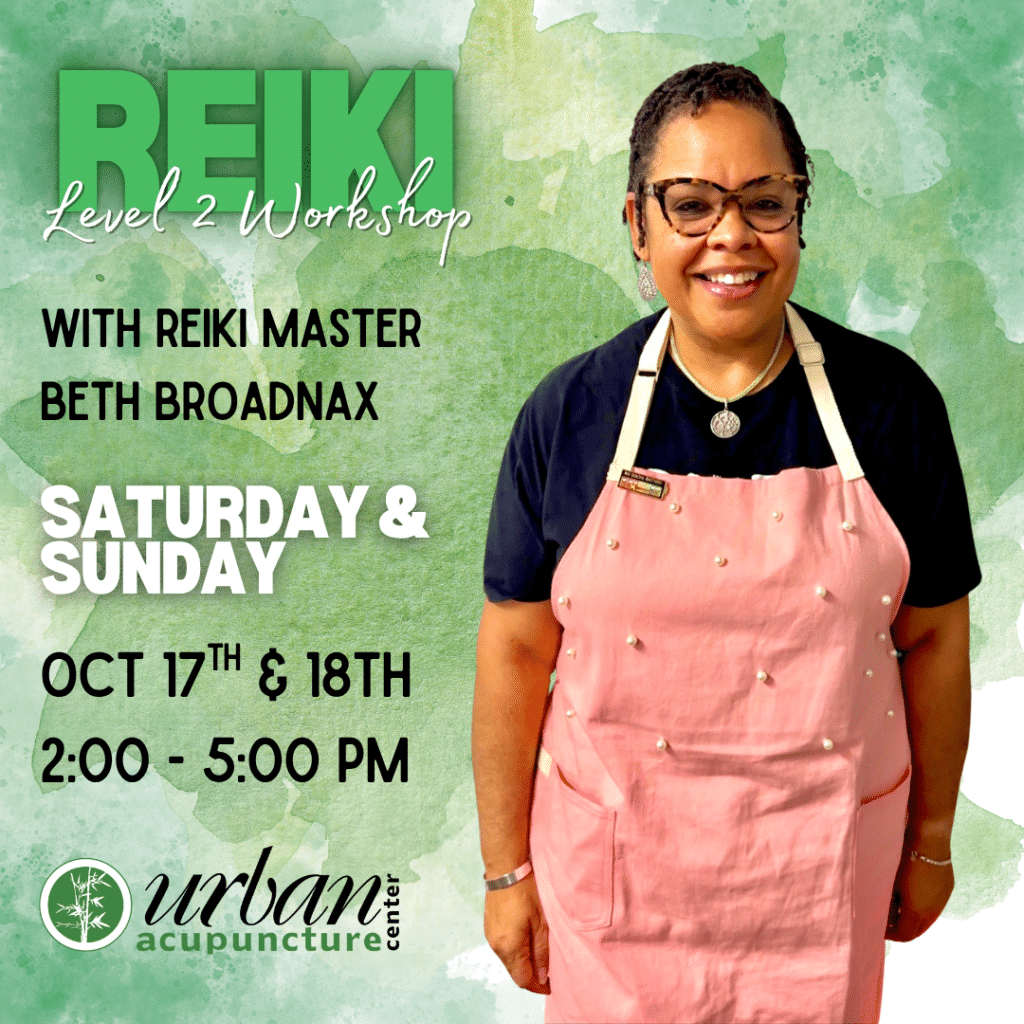 This level opens the door to emotional healing, distance work, and the sacred symbols that elevate every session. If you’re ready to strengthen your connection to Reiki and support others in a deeper way, Reiki II is your next step. Prerequisite is completion of Reiki Level 1 Training.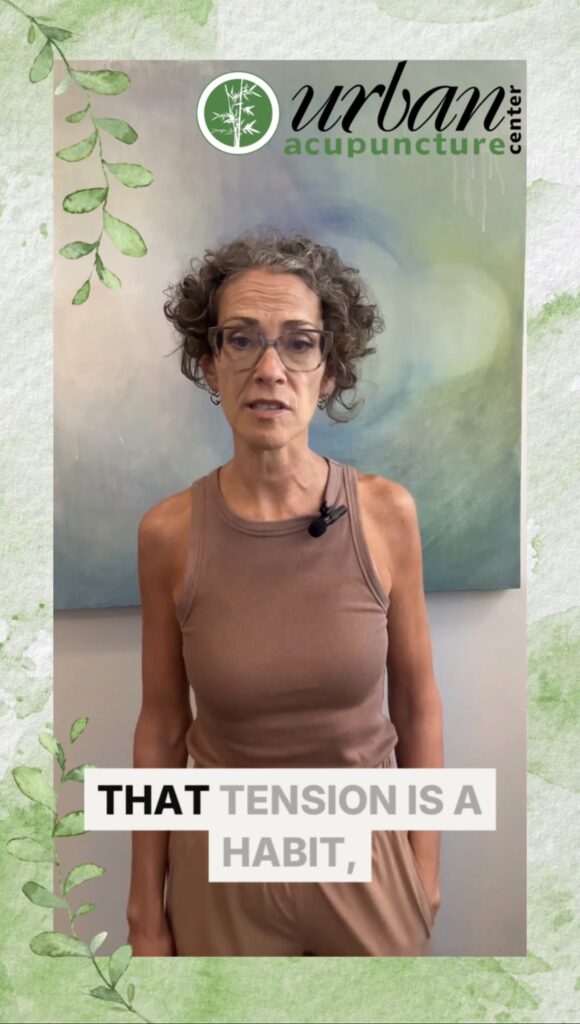
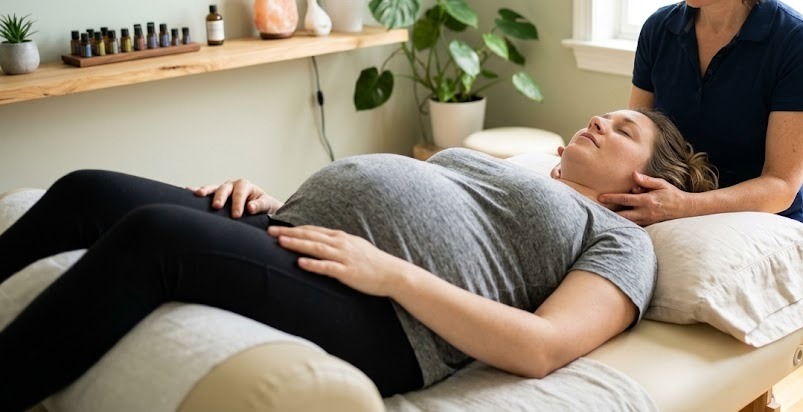 During pregnancy, a woman’s body undergoes extraordinary physical and biochemical changes. As the baby grows, the mother’s center of gravity shifts forward, placing continuous strain on the lower back, pelvis, and gluteal muscles. At the same time, pregnancy hormones like relaxin soften ligaments, increasing joint mobility but often causing structural instability and discomfort.