by urban-acupuncture | May 5, 2026 | Treatments
 Perimenopause and menopause are natural biological transitions that can bring significant physical and emotional changes. As hormone levels shift, many women experience symptoms such as hot flashes, sleep disruption, mood changes, and fatigue.
As integrative healthcare becomes more common, acupuncture is increasingly being explored as a supportive therapy that may help manage some menopause-related symptoms by supporting nervous system regulation and hormonal communication pathways.
At the Urban Acupuncture Center, acupuncture treatments focus on supporting the body’s regulatory systems, particularly the nervous system and endocrine system, which play central roles in menopause symptoms.
Key Takeaways About Acupuncture and Menopause
- Acupuncture may help support nervous system regulation during hormonal transitions
- Some research suggests it may help reduce hot flash frequency
- Treatment may support sleep quality and stress management
- Acupuncture may help improve overall wellbeing during menopause
- It is typically used as a complementary therapy, not a replacement for medical care
Understanding Perimenopause and Menopause
Perimenopause is the transition period leading up to menopause, often beginning in a woman’s 40s but sometimes earlier. During this time, estrogen and progesterone levels fluctuate, which can affect multiple body systems.
Menopause is diagnosed after 12 consecutive months without a menstrual cycle and reflects a natural decline in reproductive hormone production.
Common symptoms include:
- Hot flashes
- Night sweats
- Sleep disruption
- Mood changes
- Brain fog
- Fatigue
- Joint discomfort
- Increased stress sensitivity
These symptoms are largely influenced by how hormonal changes affect the nervous system and temperature regulation centers in the brain.
How Acupuncture May Help Regulate Menopause Symptoms
Research suggests acupuncture may influence neurological pathways that help regulate the autonomic nervous system. Because menopause symptoms are closely connected to nervous system regulation, this may explain why some patients report improvement.
Physiological responses being studied include:
- Regulation of the stress response
- Improved parasympathetic nervous system activity
- Improved blood flow
- Endorphin release
- Improved thermoregulation signaling
These effects may help the body adapt more comfortably to hormonal fluctuations.
Acupuncture and Hot Flashes
Hot flashes are one of the most common menopause symptoms and are believed to be related to changes in how the brain regulates body temperature due to estrogen changes.
Some clinical studies suggest acupuncture may help:
- Reduce frequency of hot flashes
- Reduce severity of hot flashes
- Improve tolerance to temperature changes
- Improve sleep disrupted by night sweats
Researchers believe this may be related to acupuncture’s effect on the hypothalamus, which helps regulate temperature and hormone signaling.
Sleep Improvement During Menopause
Sleep disruption is extremely common during perimenopause and menopause. Hormonal changes combined with stress and temperature fluctuations can interfere with deep sleep cycles.
Acupuncture may help support sleep by:
- Promoting relaxation responses
- Reducing physical tension
- Supporting melatonin regulation
- Improving stress recovery
- Supporting parasympathetic activity
Improved sleep may also help reduce fatigue and mood symptoms.
Mood and Stress Support
Hormonal fluctuations can influence neurotransmitters such as serotonin and dopamine, which play important roles in emotional regulation.
Acupuncture may help support:
- Stress resilience
- Emotional regulation
- Nervous system balance
- Relaxation responses
- Mental clarity
Many patients seek treatment as part of a comprehensive plan that may also include lifestyle changes and medical guidance.
Who May Benefit From Acupuncture During Menopause?
Women experiencing the following symptoms may consider supportive acupuncture care:
- Frequent hot flashes
- Night sweats
- Stress-related symptoms
- Sleep disruption
- Mood fluctuations
- Fatigue
- Tension headaches
Treatment plans are typically individualized based on symptom patterns and overall health goals.
What to Expect From Treatment
Patients considering acupuncture for menopause support should know:
- Results may be gradual
- Consistent treatments often produce better outcomes
- Treatment frequency varies by symptoms
- Lifestyle factors influence results
- Treatment focuses on regulation and symptom support
Many patients begin with weekly treatments and adjust frequency based on progress.
Supporting Women’s Health During Hormonal Transitions
Perimenopause and menopause represent major physiological transitions that affect multiple systems in the body. As research into integrative medicine continues to grow, acupuncture is increasingly recognized as a supportive therapy that may help women manage symptoms by supporting nervous system balance and stress regulation.
When used alongside appropriate medical care, acupuncture may help patients navigate hormonal transitions with improved comfort and overall wellbeing.
Frequently Asked Questions
Can acupuncture help hot flashes?
Some studies suggest acupuncture may help reduce the frequency and severity of hot flashes in some patients.
How many acupuncture treatments are needed for menopause symptoms?
Treatment frequency varies, but many patients begin with weekly sessions before transitioning to maintenance care.
Can acupuncture help menopause sleep problems?
Acupuncture may help support relaxation and nervous system balance, which may improve sleep quality.
Is acupuncture safe during perimenopause?
Acupuncture is generally considered safe when performed by trained providers, but patients should always discuss treatment with their healthcare provider.
Can acupuncture replace hormone therapy?
No. Acupuncture is considered a complementary therapy and should not replace medical treatment unless directed by a physician.
Contact Urban Acupuncture Center in Columbus, OH For More Information
For more information about how acupuncture, massage therapy, electroacupuncture and other alternative healing treatments can help you, please contact the Urban Acupuncture Center Board Certified Licensed Acupuncturist’s team at Indianola Ave, Columbus, Ohio (Clintonville) (614) 725-2488 or click here. Taking new patients in and around greater Columbus, Ohio.
Voted Best of Columbus Two Years in a Row!
References
National Center for Complementary and Integrative Health – Acupuncture: What You Need to Know
https://www.nccih.nih.gov/health/acupuncture-what-you-need-to-know
National Institutes of Health – Acupuncture for Menopause Symptoms Review
https://www.ncbi.nlm.nih.gov/pmc/articles/PMC5927830/
North American Menopause Society – Menopause Symptoms Overview
https://www.menopause.org/for-women/menopauseflashes/menopause-symptoms
by urban-acupuncture | Apr 5, 2026 | Massage Therapy, Treatments
 As healthcare continues to evolve toward evidence-based treatment models, therapeutic bodywork is increasingly being studied for its role in supporting pain management, sleep quality, and symptom relief in complex medical conditions. Large clinical studies and systematic reviews are helping validate how hands-on therapies may support measurable physiological improvements.
At the Urban Acupuncture Center, this research-driven approach reflects a broader shift toward integrating conservative, non-pharmacological therapies into comprehensive care plans.
Key Takeaways About Evidence-Based Bodywork
- Clinical research shows therapeutic bodywork may help reduce certain types of pain
- Studies suggest benefits for sleep quality and stress reduction
- Research supports its role as a complementary therapy in cancer care
- Evidence shows measurable effects on the nervous system and stress response
- Bodywork is increasingly included in integrative medical care models
What Evidence-Based Practice Means in Modern Healthcare
Evidence-based practice refers to treatments supported by clinical research, patient outcomes, and physiological understanding. This approach emphasizes measurable outcomes rather than tradition or theory alone.
In the context of therapeutic bodywork, research has focused on how treatment may influence:
- Nervous system regulation
- Pain perception pathways
- Circulatory function
- Stress hormone activity
- Sleep quality
- Musculoskeletal function
This growing body of research is helping healthcare providers better understand where bodywork fits into modern treatment strategies.
Research Supporting Bodywork for Cancer-Related Pain
Cancer patients often experience pain related to treatment, muscle tension, and stress. Research has examined how therapeutic touch may help reduce discomfort and improve quality of life.
Clinical reviews suggest potential benefits such as:
- Reduced perception of pain
- Decreased anxiety
- Improved relaxation
- Better sleep quality
- Reduced treatment-related stress
Researchers believe these effects may be related to stimulation of sensory nerve pathways that help regulate the body’s stress response and pain processing systems.
Importantly, therapeutic bodywork in cancer care is typically used as a supportive therapy, not a treatment for cancer itself.
Evidence for Lower Back Pain Relief
Lower back pain remains one of the most common musculoskeletal conditions worldwide. Research continues to evaluate conservative treatments that may reduce reliance on medications or invasive procedures.
Studies examining therapeutic bodywork for lower back pain suggest it may help:
- Reduce muscle tension
- Improve mobility
- Decrease pain intensity
- Improve function
- Support recovery when combined with exercise
These improvements may be related to improved circulation, neuromuscular relaxation, and decreased protective muscle guarding.
Many clinical guidelines now support conservative care approaches as first-line options for managing chronic lower back pain.
How Bodywork May Help Improve Sleep and Insomnia
Sleep disorders are often closely connected to stress, pain, and nervous system dysregulation. Research suggests that therapies promoting relaxation may help improve sleep quality by supporting parasympathetic nervous system activity.
Potential sleep-related benefits may include:
- Reduced physical tension
- Lower stress hormone levels
- Improved relaxation response
- Improved sleep onset
- Improved sleep quality
Researchers believe these improvements may be related to reductions in hyperarousal of the nervous system, which is commonly associated with insomnia.
How Therapeutic Touch Influences the Nervous System
One of the most studied mechanisms behind therapeutic bodywork is its effect on the autonomic nervous system.
Research suggests bodywork may help:
- Reduce sympathetic nervous system activity
- Improve parasympathetic activity
- Improve heart rate variability
- Reduce cortisol levels
- Improve relaxation signaling
These physiological effects may help explain improvements seen in pain perception, stress response, and sleep patterns.
The Growing Role of Integrative Medicine
Healthcare systems are increasingly adopting integrative models that combine conventional medicine with supportive therapies. This reflects a growing emphasis on whole-person care.
Bodywork is now commonly integrated with:
- Pain management programs
- Physical rehabilitation
- Oncology support services
- Behavioral health programs
- Stress management programs
This integration reflects the growing demand for safe, conservative therapies that support recovery without medication side effects.
Who May Benefit From Evidence-Based Therapeutic Bodywork?
Patients experiencing the following conditions may benefit from supportive treatment:
- Chronic muscle pain
- Lower back pain
- Stress-related tension
- Sleep disturbances
- Cancer treatment side effects
- Chronic fatigue
- Anxiety-related physical symptoms
As always, treatment should be tailored to the individual and coordinated with healthcare providers when appropriate.
How Research Continues to Shape Treatment Approaches
As more clinical studies are published, providers are better able to develop treatment plans that align with modern medical standards. This allows therapeutic bodywork providers to communicate more effectively with physicians, physical therapists, and other healthcare professionals.
This research-driven approach helps position therapeutic bodywork as a professional component of modern healthcare rather than an alternative approach.
How Research-Supported Bodywork Fits Into Modern Healthcare
As clinical research continues to expand, therapeutic bodywork is becoming more widely recognized as a supportive therapy that may help patients manage pain, improve sleep, and reduce stress-related symptoms.
By focusing on measurable physiological outcomes and evidence-supported applications, bodywork continues to gain credibility within modern integrative healthcare models.
Frequently Asked Questions
Is therapeutic bodywork considered evidence-based?
Yes. Research studies and systematic reviews have examined its effects on pain, stress, and sleep quality.
Can bodywork help with lower back pain?
Some studies suggest it may help reduce pain and improve mobility when used as part of a comprehensive treatment approach.
Is bodywork safe for cancer patients?
When performed by properly trained providers and coordinated with medical care, bodywork may be used as a supportive therapy for symptom management.
Can therapeutic bodywork help insomnia?
Some research suggests relaxation-based therapies may help improve sleep quality by supporting nervous system regulation.
Is bodywork a replacement for medical care?
No. It is considered a complementary therapy that may support medical treatment plans.
Contact Urban Acupuncture Center in Columbus, OH For More Information
For more information about how acupuncture, massage therapy, electroacupuncture and other alternative healing treatments can help you, please contact the Urban Acupuncture Center Board Certified Licensed Acupuncturist’s team at Indianola Ave, Columbus, Ohio (Clintonville) (614) 725-2488 or click here. Taking new patients in and around greater Columbus, Ohio.
Voted Best of Columbus Two Years in a Row!
References
National Center for Complementary and Integrative Health – Massage Therapy for Health
https://www.nccih.nih.gov/health/massage-therapy-what-you-need-to-know
National Institutes of Health – Massage Therapy Research for Pain
https://www.ncbi.nlm.nih.gov/pmc/articles/PMC6015785/
American College of Physicians – Noninvasive Treatments for Low Back Pain
https://www.acpjournals.org/doi/10.7326/M16-2367
by urban-acupuncture | Apr 1, 2026 | Massage Therapy, Treatments
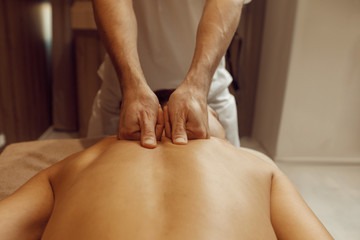 Mental health care is increasingly becoming more integrated, with providers recognizing that physical and mental health are deeply connected. Therapeutic bodywork is now widely recognized as a complementary approach that may help reduce symptoms associated with anxiety, depression, and chronic stress by supporting nervous system regulation and improving physiological balance.
At the Urban Acupuncture Center, this integrated approach focuses on how hands-on therapies can support the nervous system, muscular system, and stress response pathways to help patients feel calmer, more resilient, and better able to manage daily stressors.
Key Takeaways About Mental Health and Bodywork
- Therapeutic bodywork may help regulate the autonomic nervous system
- Physical treatments can help reduce stress hormone levels
- Treatment may support improved sleep and relaxation responses
- Modern research shows connections between fascia, the nervous system, and emotional stress
- Body-based therapies are increasingly used alongside traditional mental health care
Understanding the Connection Between Physical Tension and Mental Health
Stress and anxiety are not just psychological experiences—they also create measurable physical changes in the body. Chronic stress can lead to:
- Increased muscle tension
- Elevated cortisol levels
- Nervous system overactivation
- Poor sleep quality
- Increased inflammation
- Digestive disruption
When the body remains in a prolonged stress response, the sympathetic nervous system (fight-or-flight response) can remain overactive. Therapeutic bodywork may help activate the parasympathetic nervous system, often called the rest-and-recovery response, which supports relaxation and recovery.
How Therapeutic Bodywork Affects the Nervous System
Modern research suggests that therapeutic touch may influence neurological signaling by stimulating sensory receptors in the skin and connective tissue. These signals travel through the peripheral nervous system to the brain, where they can influence stress regulation.
Physiological responses may include:
- Reduced heart rate
- Lower blood pressure
- Decreased cortisol levels
- Increased serotonin activity
- Increased dopamine activity
- Improved vagal nerve activity
These responses are associated with improved emotional regulation and reduced stress symptoms.
The Role of Fascial Pathways in Stress and Emotional Health
Fascia is the connective tissue network that surrounds muscles, organs, nerves, and blood vessels. Research continues to show that fascia contains sensory nerve endings that communicate directly with the nervous system.
Chronic stress may contribute to fascial tension patterns that can affect:
- Posture
- Breathing patterns
- Muscle tightness
- Pain sensitivity
- Movement efficiency
Therapeutic bodywork may help improve fascial mobility, which may reduce physical tension signals being sent to the brain. This may contribute to an overall reduction in perceived stress.
How Bodywork May Help Reduce Anxiety Symptoms
Many patients report improvements in anxiety symptoms after consistent treatment. This may be related to how therapeutic touch affects nervous system regulation.
Potential benefits may include:
- Improved relaxation response
- Reduced muscle guarding
- Improved breathing patterns
- Better sleep quality
- Reduced physical stress symptoms
- Improved body awareness
These physical improvements may help reduce the intensity of anxiety symptoms when combined with appropriate medical or mental health care.
How Bodywork May Support Depression Management
Depression is often associated with both psychological and physiological symptoms including fatigue, sleep disruption, and chronic pain. Therapeutic bodywork may help address some of these physical components.
Potential supportive effects may include:
- Improved circulation
- Reduced physical pain
- Improved sleep quality
- Increased endorphin activity
- Improved mind-body awareness
These effects may help support overall treatment plans when used alongside primary mental health care.
The Importance of an Integrated Care Approach
Modern healthcare increasingly recognizes the value of integrated treatment approaches. Therapeutic bodywork is not a replacement for mental health care, but it may serve as a supportive component of a comprehensive wellness plan.
Integrated care may include:
- Primary care providers
- Mental health professionals
- Physical therapists
- Chiropractic providers
- Acupuncture providers
- Wellness practitioners
This collaborative approach reflects a growing understanding that mental health is influenced by neurological, hormonal, and musculoskeletal factors.
Who May Benefit From Therapeutic Bodywork for Mental Health Support?
Patients experiencing the following may benefit from supportive bodywork:
- Chronic stress
- Anxiety symptoms
- Mild to moderate depression symptoms
- Muscle tension related to stress
- Headaches related to tension
- Stress-related sleep issues
- Burnout symptoms
Treatment plans should always be individualized based on patient needs and medical history.
What Patients Should Know Before Starting Treatment
Patients considering therapeutic bodywork for stress or mental health support should understand:
- Results are often cumulative with consistent care
- Treatment works best as part of a comprehensive wellness plan
- Communication with providers improves outcomes
- Treatment plans should be personalized
- Expectations should focus on regulation rather than instant change
A consultation helps determine the most appropriate approach based on individual health goals.
How Modern Bodywork Supports Whole-Person Wellness
As healthcare continues to evolve toward integrative models, therapies that support nervous system regulation and physical recovery are becoming more widely accepted. Treatments that address both physical and neurological stress responses may help patients build resilience and improve overall wellbeing.
By focusing on anatomy, physiology, and measurable nervous system responses, modern therapeutic bodywork continues to gain recognition as a supportive tool in comprehensive wellness strategies.
Frequently Asked Questions
Can therapeutic bodywork help with anxiety?
Some patients report reduced stress and anxiety symptoms due to improved nervous system regulation and relaxation responses.
Can bodywork replace mental health treatment?
No. Therapeutic bodywork should be considered a complementary approach rather than a replacement for mental health care.
How often should someone receive treatment for stress support?
Frequency varies, but some patients benefit from consistent sessions during periods of high stress.
Does bodywork affect the nervous system?
Yes. Sensory stimulation from therapeutic touch may influence nervous system activity and relaxation responses.
Is therapeutic bodywork medically recognized?
Body-based therapies are increasingly included in integrative health models that combine physical and mental healthcare approaches.
Contact Urban Acupuncture Center in Columbus, OH For More Information
For more information about how acupuncture, massage therapy, electroacupuncture and other alternative healing treatments can help you, please contact the Urban Acupuncture Center Board Certified Licensed Acupuncturist’s team at Indianola Ave, Columbus, Ohio (Clintonville) (614) 725-2488 or click here. Taking new patients in and around greater Columbus, Ohio.
Voted Best of Columbus Two Years in a Row!
References
Cleveland Clinic – Benefits of Massage Therapy
https://health.clevelandclinic.org/massage-therapy-benefits
National Center for Complementary and Integrative Health – Massage Therapy for Health
https://www.nccih.nih.gov/health/massage-therapy-what-you-need-to-know
American Psychological Association – Stress Effects on the Body
https://www.apa.org/topics/stress/body
by urban-acupuncture | Nov 18, 2025 | Acupuncture, Treatments
For a Limited Time, We Have Discounted Holiday Gift Packages for Everyone on your List!
 Now through the end of December, we are offering the following Gift Packages:
Pain Relief Package for $159 (a $28 Savings) includes:
1 one-hour massage
1 one-hour Reiki session or cupping therapy session AND
1 bottle of Evil Bone Water
Stress Relief Package for $161 (a $29 Savings) includes:
1 community acupuncture treatment (new or returning patients)
1 one-hour massage AND
1 one-hour Reiki session or cupping therapy session
Massage Trilogy Package for $275 (a $30 Savings) includes:
2 one-hour massages AND
1 75-minute Structural Integration Session with Ros OR 1 Massage & Acupuncture (or Massage & Cupping) Session with Jeff
New Patient Promotion for $75 (a $40 Savings) includes:
1 Consultation & 3 Community Acupuncture Treatments. This package is for a loved one or friend who has never done community acupuncture.
Gift Certificates in Any Amount you Choose includes:
Any of our services. The recipient can choose community or private acupuncture, massage, structural integration, cupping therapy or reiki.
Evil Bone Water must be picked up at Urban Acupuncture Center.
As always, please call the office if you have additional questions (614) 725-2488.
Contact Urban Acupuncture Center in Columbus, OH For More Information
For more information about how acupuncture, massage therapy, electroacupuncture and other alternative healing treatments can help you, please contact the Urban Acupuncture Center Board Certified Licensed Acupuncturist’s team at Indianola Ave, Columbus, Ohio (Clintonville) (614) 725-2488 or click here. Taking new patients in and around greater Columbus, Ohio.
Voted Best of Columbus Two Years in a Row!
by urban-acupuncture | Jun 1, 2025 | Holistic Health, Treatments
Ways Herbal Medicines Affect the Immune System
 Herbal medicines can impact the immune system in cancer patients by acting as immunomodulators, which means they can enhance, restore, or modify the immune response. This is crucial in cancer treatment, as cancer often evades immune surveillance due to its low immunogenicity. Here are some ways herbal medicines affect the immune system:
Impact of Herbal Medicines on the Immune System
- Immunomodulation
Herbal medicines like Ganoderma lucidum (reishi mushroom), Sophora flavescens, and Scutellaria baicalensis have been shown to stimulate the immune system by activating macrophages, T lymphocytes, and natural killer (NK) cells. These cells play a key role in recognizing and eliminating cancer cells.
- Enhancing Innate Immunity
Herbs such as Astragalus membranaceus and Panax ginseng are known to increase white blood cell counts, which can help restore immune function in cancer patients. This is particularly important during chemotherapy, which can suppress the immune system.
- Regulation of Tumor Microenvironment (TME)
Some herbal compounds can regulate the TME by exhibiting anti-inflammatory and cytotoxic effects on tumors. This regulation helps in creating an environment unfavorable for cancer growth and progression.
- Adjuvant Effects
Herbal medicines can also enhance the sensitivity of cancer cells to chemotherapy, potentially improving treatment outcomes. For example, certain herbs may increase the effectiveness of chemotherapeutic agents by modulating immune responses.
- Safety Considerations
While herbal medicines are generally considered natural and safe, they can interact with conventional treatments or have side effects, especially in high doses or with prolonged use. It’s essential for cancer patients to consult healthcare providers before using herbal remedies.
Several herbal remedies have shown promise in cancer treatment, although they are generally used as complementary therapies rather than replacements for conventional treatments. Here are some of the most promising herbal remedies:
Promising Herbal Remedies for Cancer Treatment
- Turmeric/Curcumin
Turmeric contains curcumin, which has been shown to inhibit the growth of cancer cells and exhibit anti-inflammatory and antioxidant properties. It is used for both cancer prevention and treatment.
- Ginger
Ginger has anti-inflammatory and anti-cancer effects in lab studies. It is particularly effective in reducing chemotherapy-related nausea and vomiting.
- Astragalus
Astragalus may reduce the side effects of chemotherapy, such as nausea and fatigue, and improve quality of life for cancer patients. It is often used in combination with conventional treatments.
- Dong Quai
Traditionally used in Chinese medicine, dong quai may offer protective effects against heart damage caused by certain chemotherapy drugs. However, its safety and efficacy for cancer treatment need further research.
- Moringa Tree
Moringa has been shown to kill ovarian cancer cells in test tube studies and may help alleviate symptoms such as difficulty breathing and joint pain.
- Berberine
This compound, found in plants like goldenseal and barberry, has shown promise in fighting lung cancer in laboratory experiments.
- Essiac Tea
While not proven to cure cancer, Essiac tea contains antioxidants that may help manage symptoms and support overall health.
- Ginseng
Ginseng is believed to reduce inflammation and tumor growth and protect healthy cells from damage. It is often used to mitigate chemotherapy side effects.
- Centella Asiatica (Gotu Kola)
This herb has shown potential as an anticancer agent by inhibiting tumor cell proliferation in animal studies.
- Phyllanthus amarus
Known for its antitumor effects, this plant may inhibit carcinogenic compound activation and induce cell cycle arrest.
While these herbal remedies show promise, it’s crucial to consult with healthcare providers before using them, as they may interact with conventional treatments or have side effects.
Learn More About Herbal Therapy at UAC…
Contact Urban Acupuncture Center in Columbus, OH For More Information
For more information about how acupuncture, massage therapy, electroacupuncture and other alternative healing treatments can help you, please contact the Urban Acupuncture Center Board Certified Licensed Acupuncturist’s team at Indianola Ave, Columbus, Ohio (Clintonville) (614) 725-2488 or click here. Taking new patients in and around greater Columbus, Ohio.
by urban-acupuncture | May 1, 2025 | Holistic Health, Treatments
What is Herbal Medicine Therapy?
 Herbal medicine, also known as botanical medicine or phytomedicine, involves using plants or plant extracts like seeds, berries, roots, leaves, bark, or flowers to treat illnesses and enhance overall health. It has ancient origins and is used to prevent or cure disease, relieve symptoms, boost energy, relax, or lose weight.
- How it works Herbal medicine aims to restore the body so it can protect, regulate, and heal itself, taking a whole-body approach that considers physical, mental, and emotional well-being.
- Forms Herbal supplements are available in various forms, including tablets, capsules, powders, teas, extracts, and fresh or dried plants. They can be swallowed as pills, brewed as tea, used on the skin as gels or creams, or added to bath water.
- Regulation Herbal remedies are a type of dietary supplement but are not regulated or tested like medicines.
- Western herbal medicine Focuses on treating the whole person, considering their health history, family history, diet, and lifestyle, and commonly uses European and North American herbs.
- Traditional Chinese Medicine (TCM) Uses hundreds of medicinal substances from plants, combining different plant parts into teas, capsules, tinctures, or powders.
Common Herbs Used and Their Potential Benefits:
- Chamomile: Used as a remedy for nausea and upper respiratory infections.
- Dong quai: Used for gynecological complaints such as premenstrual tension, menopause symptoms, and period pain.
- Echinacea: Used to stimulate the immune system and aid the body in fighting infection.
- Elderberry: Primarily marketed as a treatment for symptoms associated with the flu and common cold.
- Turmeric: Contains curcumin, known for its anti-inflammatory and antioxidant properties, which may inhibit the growth of cancer cells. To increase absorption, it can be mixed with black pepper and olive oil.
- Ginger: May effectively reduce nausea (including motion sickness), vomiting, and pain associated with cancer treatments. It also exhibits anti-inflammatory and anticancer effects in lab studies.
- Garlic: Used to reduce the risk of heart disease and fight colds and respiratory infections. May reduce tumor growth and help protect healthy cells from damage caused by chemotherapy drugs. It also helps boost the immune system.
- Ginseng: Generally used to treat fatigue. May reduce inflammation and cancer tumor growth and protect healthy cells from damage.
- Essiac Tea: Contains herbs known for their immune-boosting effects and is rich in antioxidants.
- Cayenne Pepper: Contains capsaicin, a powerful antioxidant and anti-inflammatory compound that is toxic to cancer cells and helps prevent their growth.
- Ginkgo: Used to treat poor blood circulation and tinnitus. Contains ginkgolides, which possess anti-inflammatory, antioxidant, and anticancer properties.
It is important to consult with a healthcare provider before using herbal medicine, as some herbs can cause harm or interact with medications.
What Herbal Medicine Therapy Treats:
- Allergies and Asthma: Herbal medicine is used to treat allergies and asthma.
- Anxiety and Depression: Herbal medicine can help people relax and cope with anxiety and depression. St. John’s wort is known for its antidepressant effects. Valerian root is often used as a natural sleep and anti-anxiety aid.
- Cancer: Herbal medicine is one of the most used complementary and alternative therapies by people with cancer. Some herbal remedies might prevent or relieve cancer symptoms and help with treatment side effects.
- Cardiovascular Conditions: Garlic is generally used for cardiovascular conditions, including high cholesterol and triglyceride levels linked to atherosclerosis. Other herbs are used for several heart-related conditions, such as angina, atherosclerosis, heart failure, and high blood pressure.
- Chronic Fatigue: Herbal medicine is used to treat chronic fatigue.
- Colds and Flu: Echinacea is used to stimulate the immune system and aid the body in fighting infection, such as colds and flu. Elderberry is primarily marketed as a treatment for symptoms associated with the flu and common cold.
- Eczema: Herbal medicine is used to treat eczema.
- Gynaecological Complaints: Dong quai is used for gynaecological complaints such as premenstrual tension, menopause symptoms, and period pain. Feverfew’s pain-relieving properties have been used for menstrual cramps.
- Irritable Bowel Syndrome: Herbal medicine is used to treat irritable bowel syndrome.
- Migraine: Herbal medicine is used to treat migraine. The pain-relieving properties of feverfew have been used for migraine headaches.
- Nausea: Ginger has been shown to be useful in treating nausea, including motion sickness and morning sickness. Chamomile has been used as a remedy for nausea.
- Prostate Issues: Saw palmetto is used for the treatment of benign prostatic hyperplasia (BPH), a noncancerous enlargement of the prostate gland.
- Respiratory Infections: Garlic’s antibiotic and antiviral properties mean that it is also used to fight colds, sinusitis, and other respiratory infections. Chamomile has been used as a remedy for upper respiratory infections.
- Rheumatoid Arthritis and Fibromyalgia: Herbal medicine is used to treat rheumatoid arthritis and fibromyalgia.
It is best to take herbal supplements under the guidance of a trained provider. Since herbal medicines can potentially interact with prescription medications and may worsen certain medical conditions, be sure to consult with your doctor or pharmacist before taking any herbs.
Learn More about Herbal Medicine Therapy at UAC…
Contact Urban Acupuncture Center in Columbus, OH For More Information and Treatment Options
For more information about how acupuncture, massage therapy, electroacupuncture and other alternative healing treatments can help you, please contact the Urban Acupuncture Center Board Certified Licensed Acupuncturist’s team at Indianola Ave, Columbus, Ohio (Clintonville) (614) 725-2488 or click here. Taking new patients in and around greater Columbus, Ohio.