Living with chronic or recurring pain can affect every aspect of daily life—from sleep and mobility to mood and overall quality of life. At Urban Acupuncture Center in Columbus, Ohio, a holistic approach to pain management combines acupuncture, massage therapy, and Reiki to help address pain at its source while supporting the body’s natural healing processes.
Rather than masking symptoms, these complementary therapies focus on restoring balance, reducing inflammation, improving circulation, and calming the nervous system—key factors in long-term pain relief.
Frequently Asked Questions About Holistic Pain Management
Can acupuncture, massage, and Reiki really help with pain?
Yes. Numerous clinical studies show that acupuncture and massage are effective for managing chronic pain, muscle tension, headaches, joint pain, and stress-related discomfort. Reiki has also been shown to reduce pain perception and promote deep relaxation.
What types of pain respond best to these treatments?
These therapies are commonly used for back and neck pain, migraines, arthritis, sciatica, sports injuries, repetitive strain injuries, fibromyalgia, and stress-related pain conditions.
How long does it take to feel results?
Some patients experience relief after their first session, while chronic pain conditions often improve gradually over a series of treatments. Consistency is key for lasting results.
Are these therapies safe?
When provided by trained professionals, acupuncture, massage, and Reiki are considered very safe with minimal side effects. Mild soreness or temporary fatigue may occur as the body adjusts.
A Whole-Body Approach to Pain Relief
Acupuncture: Targeting Pain at Its Source
Acupuncture is a cornerstone of integrative pain management. Using ultra-thin needles placed at specific points, acupuncture helps regulate the nervous system, increase blood flow, reduce inflammation, and stimulate the release of natural pain-relieving chemicals such as endorphins.
At Urban Acupuncture Center, acupuncture is commonly used to help manage:
Chronic muscle and joint pain
Migraines and tension headaches
Back, neck, and shoulder pain
Stress-related pain and tension
This therapy supports both immediate relief and long-term pain reduction by addressing underlying imbalances rather than just symptoms.
Massage Therapy: Releasing Tension and Improving Mobility
Massage therapy plays an important role in pain management by addressing muscular tightness and restricted movement. Therapeutic massage helps:
Loosen tight or overworked muscles
Improve circulation and lymphatic flow
Increase range of motion
Reduce stress that contributes to pain flare-ups
Massage is especially beneficial when combined with acupuncture, as relaxed muscles allow acupuncture treatments to work more effectively.
Reiki: Supporting the Nervous System and Stress Response
Reiki is a gentle energy-based therapy that promotes deep relaxation and emotional balance. While Reiki does not involve physical manipulation, it can significantly impact pain by calming the nervous system and reducing stress-related tension.
For individuals whose pain is worsened by anxiety, emotional stress, or poor sleep, Reiki can be a valuable part of a comprehensive pain management plan.
Why Combine These Therapies?
Pain is rarely caused by one factor alone. Muscle tension, inflammation, stress, posture, emotional health, and nervous system regulation all play a role. By combining acupuncture, massage, and Reiki, Urban Acupuncture Center offers a multi-layered approach that supports the body physically and mentally.
Benefits of integrative pain care include:
More comprehensive pain relief
Reduced reliance on medications
Improved sleep and energy levels
Enhanced overall wellness and resilience
Pain Management at Urban Acupuncture Center in Columbus, OH
Urban Acupuncture Center is committed to providing accessible, effective, and compassionate care. Their experienced practitioners tailor each treatment plan to the individual, ensuring that pain management strategies align with personal health goals and lifestyles.
Whether you are dealing with chronic pain or looking for a natural way to manage stress-related discomfort, integrative therapies can offer meaningful relief and long-term support.
Contact Urban Acupuncture Center in Columbus, OH For More Information
The Trager Approach, developed by Dr. Milton Trager, is a unique and innovative form of bodywork that promotes deep relaxation, increased joint mobility, and a greater sense of ease in movement. Unlike other therapeutic modalities that focus on forceful manipulation, the Trager Approach relies on gentle touch and rhythmic movements to help release physical and mental tension patterns.
Understanding the Trager Approach
Dr. Milton Trager, an American physician and movement therapist, developed this technique over several decades, blending his knowledge of medicine with his passion for movement. His goal was to create a therapy that would help individuals reconnect with a sense of lightness and fluidity in their bodies. The Trager Approach is based on the idea that accumulated tension and stress can lead to restricted movement and discomfort, and that these patterns can be unlearned through mindful, soothing touch and movement.
How It Works
The Trager Approach consists of two main components:
Tablework – During a session, the practitioner gently rocks, shakes, and stretches the recipient’s body in a relaxed state. These movements are designed to communicate sensations of ease and effortlessness to the nervous system, helping to release deep-seated tension.
Mentastics – Short for “mental gymnastics,” Mentastics are simple, mindful movements that clients can practice on their own to reinforce the sense of relaxation and freedom gained during the session.
Unlike traditional massage therapy, the Trager Approach does not involve deep pressure or kneading. Instead, it focuses on the quality of movement and how it feels, allowing the body to naturally let go of restrictions.
Benefits of the Trager Approach
The gentle and holistic nature of the Trager Approach makes it beneficial for individuals dealing with various physical and emotional challenges, including:
Chronic pain relief – Helps alleviate discomfort from conditions such as arthritis, fibromyalgia, and back pain.
Improved mobility – Increases range of motion and flexibility by reducing muscular tension.
Stress reduction – Encourages deep relaxation and mental clarity.
Enhanced body awareness – Helps individuals develop a more fluid and effortless movement pattern.
Support for neurological conditions – Has been found helpful for individuals with Parkinson’s disease, multiple sclerosis, and other movement disorders.
Who Can Benefit?
The Trager Approach is suitable for individuals of all ages and fitness levels. It is particularly beneficial for those recovering from injuries, managing chronic conditions, or seeking relief from stress and tension. Since the technique is non-invasive and gentle, it is a safe and effective choice for people who may find other forms of bodywork too intense.
The Trager Approach offers a profound yet gentle way to release physical and emotional tension, leading to increased relaxation and improved movement.
Through the combination of skilled hands-on work and mindful movement exercises, this therapy provides a unique pathway to greater ease and well-being. Whether you are looking for relief from chronic pain or simply wish to move more freely, the Trager Approach may be the key to unlocking a new level of physical and mental harmony.
Contact Urban Acupuncture Center in Columbus, OH For More Information
Deep tissue massage is a therapeutic technique that targets the deeper layers of muscles and connective tissues, providing relief from chronic pain, stress, and inflammation. This type of massage is particularly beneficial for individuals experiencing musculoskeletal issues, sports injuries, or chronic conditions like fibromyalgia and sciatica. Here are some of the key benefits of deep tissue massage:
Benefits of Deep Tissue Massage
Relief from Chronic Muscle Tension and Pain
Deep tissue massage is effective in breaking down adhesions and knots in muscles, which are common causes of chronic pain. By targeting these areas, it helps reduce discomfort and improve mobility, especially in the back, neck, and shoulders.
Reduction of Stress and Anxiety
This massage technique promotes relaxation by lowering cortisol levels and increasing the release of feel-good hormones like serotonin and endorphins. It helps reduce stress and anxiety, leading to improved mental clarity and mood.
Improved Circulation and Healing
Deep tissue massage enhances blood flow, which aids in delivering oxygen and nutrients to muscles. This increased circulation helps in faster recovery from injuries and reduces inflammation, making it beneficial for athletes and individuals with musculoskeletal issues.
Breaks Up Scar Tissue
The massage can help break up scar tissue, improving mobility and reducing pain associated with scars. This is particularly useful for individuals with injuries or surgical scars.
Enhances Flexibility and Range of Motion
By loosening tight muscles and improving joint flexibility, deep tissue massage allows for better performance in physical activities and reduces the risk of injury.
Better Sleep Quality
The relaxation effects of deep tissue massage can lead to improved sleep patterns, as reduced muscle tension and stress promote a restful sleep environment.
Reduces Headaches and Migraines
Deep tissue massage can alleviate tension headaches by releasing muscle tension in the neck and shoulders, common areas associated with headache pain.
Lowers Blood Pressure
Studies have shown that deep tissue massage can help reduce blood pressure by promoting relaxation and improving cardiovascular health.
Comparison of Deep Tissue Massage with Other Techniques
Deep Tissue Massage vs. Swedish Massage
Pressure and Technique: Deep tissue massage uses firm pressure and targeted strokes to reach deeper muscle layers, whereas Swedish massage employs light to moderate pressure with long, flowing strokes for relaxation.
Benefits: Deep tissue is primarily used for chronic pain relief, muscle rehabilitation, and scar tissue breakdown. Swedish massage focuses on relaxation, stress relief, and overall well-being.
Suitability: Deep tissue is ideal for those with musculoskeletal issues, while Swedish is better suited for general relaxation and stress management.
Deep Tissue Massage vs. Sports Massage
Focus: Deep tissue massage is generally used for chronic pain and muscle tension, while sports massage is tailored for athletes to prevent injuries, enhance performance, and aid in recovery.
Techniques: Both use firm pressure, but sports massage often includes stretching and other techniques to improve flexibility and range of motion.
Benefits: Deep tissue is beneficial for addressing specific muscle issues, whereas sports massage is more focused on enhancing athletic performance and recovery.
Incorporating Deep Tissue Massage into Your Wellness Routine
Incorporating deep tissue massage into your wellness routine can offer transformative benefits, from physical pain relief to mental relaxation. It’s essential to find a qualified massage therapist who can tailor the massage to your specific needs and health conditions. While deep tissue massage is generally safe, it may cause temporary soreness similar to that experienced after a workout, which usually resolves within a few days8.In summary, deep tissue massage is a powerful tool for managing chronic pain, stress, and inflammation while promoting overall well-being. Its benefits extend beyond physical relief, contributing to improved mental health and quality of life.
We are Excited to Welcome Ian Urquhart, Deep Tissue Massage Therapist
Deep tissue massage is a therapeutic modality that focuses on deeper layers of muscle and connective tissue. It is designed to break down knots and adhesions, improve circulation, reduce pain, and restore mobility. Deep tissue massage uses slower, firmer strokes and more concentrated pressure than traditional Swedish relaxation massage.
Ian has been practicing massage therapy since his graduation from the American Institute of Alternative Medicine in 2010. Since then he has seen thousands of clients for a variety of issues. In this time Ian has gravitated towards deep tissue work and trigger point therapy especially focusing on the neck and shoulders, believing that if their tension can be relieved the entire body benefits from this soothing of the nervous pathways. Ian’s training in western anatomy and physiology has been further bolstered by investigation into eastern disciplines. He has pursued energetic training via Chinese internal martial arts and inner stability through Chan Buddhism. Ian attends baguazhang classes and Chan meditation retreats regularly.
Ian will be here on Saturdays from 11:00 am – 4:00 pm starting on January 18th and offering 1-hour deep tissue bodywork.
The Trager® approach (TA) is a unique form of bodywork developed by Milton Trager that utilizes gentle, rhythmic, rocking motions to help reset the body from a state of tension to a state of relaxation. When the body is injured or tense, it adapts by guarding the area. This can result in decreased range of motion, increased tightness in muscles, and resistance to change. TA recognizes that the unconscious mind is directly linked to how we feel about and move with our bodies. Our physical, mental, and emotional health are all intricately connected. Trauma can manifest in our bodies in the form of physical ailments, disorders, or imbalances. Once we create patterns or feedback loops in the nervous system, they are difficult to disrupt.
The goal of TA is to smooth out the wrinkles in the system; to promote “freedom of movement, freedom from pain, and comfort within the body.” TA practitioners, like Mary, observe how the body is moving and work with you to assist it in moving more freely. This approach aims to optimize relaxation and ultimately re-pattern the way the body moves. Using lateral, side-to-side, swinging motions, the practitioner is coaxing the brain out of holding patterns that manifest in the body causing pain or decreased range of motion. Do you remember the calming effect that swinging had on your nervous system as a child? TA taps into the visceral response we have to feeling our body’s weight as it rocks, sways, jiggles, or moves freely.
As the practitioner facilitates a series of gentle, non-intrusive movements, we can begin to recall feelings of playfulness and a sense of how our bodies felt in childhood-more free. Once given the choice between tension and freedom of fuller movement, the mind (& nervous system) will choose the more pleasurable option. The unconscious mind is reminded that it can move freely, without pain, and enter a more relaxed state.
Mary says, “When I am receiving TA, I feel like I’m in my baby body. There is a feeling of soft, fullness, and freedom.” If this sounds like something you’d like to experience, all you have to do is schedule a massage with Mary and ask for this approach.
Mary Sinclair has been a LMT since 1996. She has recently acquired her Trager® Approach Practitioner Certification through 300+ hours of class study and fieldwork. She has been blending TA into her massage work due to the efficacy of the work and the fortifying effects it has on her own body while working. She is now also offering TA sessions here at UAC. A TA session includes 5-10 minutes of Mentastics or Mental Gymnastics to help create the same types of feelings in the body that are experienced while receiving table work. An essential and unique aspect of TA is recall or realizing that once a more pleasurable sensation has occurred within the body, that experience will always be with us–just waiting to be re-lived.
Watch a Video about the Tragar® Approach:
For More Information about the Tragar® Approach:
https://www.tragerapproach.us/
Contact Urban Acupuncture Center in Columbus, OH For More Information
Structural Integration (SI), renowned for its holistic approach to body alignment and well-being, offers a myriad of benefits for diverse individuals seeking improved physical alignment, enhanced mobility, and overall wellness. Who might find SI beneficial? Let’s delve into the various groups and individuals who can reap the rewards of this transformative practice.
Athletes and Fitness Enthusiasts
For athletes and fitness aficionados, optimizing physical performance and preventing injuries are paramount. Structural Integration offers a means to address imbalances, enhance flexibility, and improve movement patterns. By realigning the body’s structure and releasing tension, Rolfing can support athletes in achieving greater efficiency, mobility, and resilience, thereby aiding in injury prevention and enhancing overall athletic performance.
Individuals with Chronic Pain or Discomfort
Those struggling with chronic pain or discomfort stemming from conditions like back pain, repetitive strain injuries, or postural imbalances often find relief through Structural Integration By releasing tension and realigning the body, SI aims to alleviate chronic pain, offering individuals a pathway to reduce discomfort and enhance their quality of life.
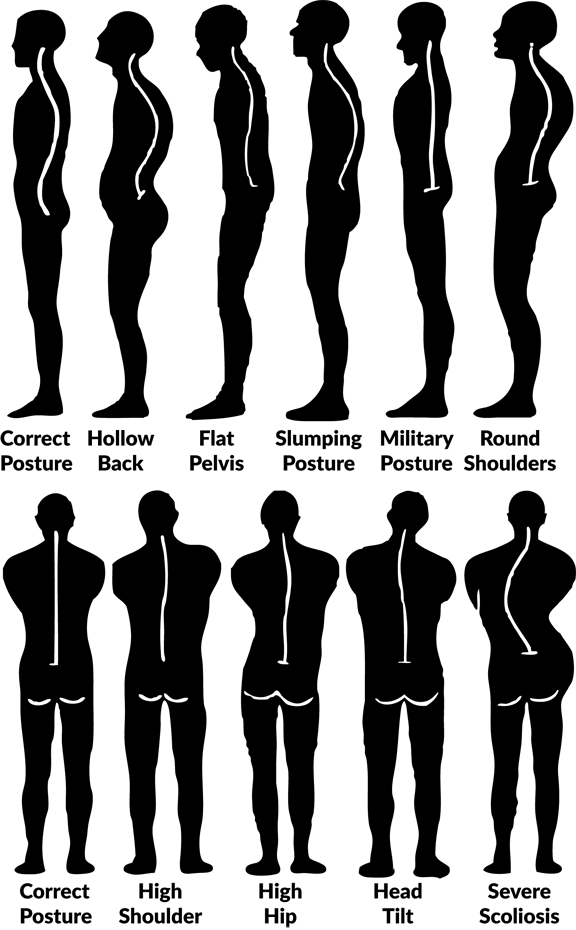
Individuals Seeking Improved Posture and Alignment
What posture are you?
In today’s sedentary lifestyle, many individuals experience postural issues due to prolonged sitting or poor ergonomic habits. Structural Integration sessions, particularly the Ten-Series, focus on restoring optimal alignment, correcting postural imbalances, and fostering a more balanced and upright posture.
Individuals Recovering from Injuries or Surgery
Those in the recovery phase post-injury or surgery can benefit from Structural Integration as part of their rehabilitation process. By addressing scar tissue, releasing tension, and enhancing mobility, Structural Integration can support the body’s natural healing process, aiding in restoring range of motion and functional movement.
Stress Management and Emotional Well-being Seekers
Beyond its physical benefits, Structural Integration can contribute to emotional well-being and stress reduction. The release of physical tension during Structural Integration sessions often leads to a profound sense of relaxation, reducing stress and promoting emotional balance. Many individuals report feeling more centered and grounded after SI sessions, fostering a deeper mind-body connection.
Anyone Interested in Holistic Wellness and Self-Discovery
Individuals seeking a holistic approach to wellness and self-discovery can benefit from Structural Integration. This practice goes beyond physical alignment, often leading to heightened self-awareness, improved body consciousness, and a deeper understanding of one’s movement patterns and habits.
Conclusion: Embracing Rolfing as a Path to Holistic Well-being
Structural Integration offers a holistic approach to enhancing physical alignment, mobility, and overall well-being. Whether you’re an athlete aiming to improve performance, someone seeking relief from chronic pain, or simply pursuing a more balanced and aligned body, SI offers a transformative path towards holistic wellness and self-discovery. By addressing the unique needs of various individuals, Structural Integration stands as a valuable tool on the journey toward optimal health and vitality.
Contact Urban Acupuncture Center in Columbus, OH For More Information
 Living with chronic or recurring pain can affect every aspect of daily life—from sleep and mobility to mood and overall quality of life. At Urban Acupuncture Center in Columbus, Ohio, a holistic approach to pain management combines acupuncture, massage therapy, and Reiki to help address pain at its source while supporting the body’s natural healing processes.
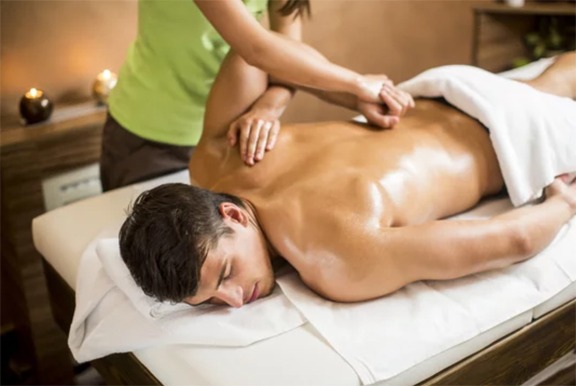 The Trager Approach, developed by Dr. Milton Trager, is a unique and innovative form of bodywork that promotes deep relaxation, increased joint mobility, and a greater sense of ease in movement. Unlike other therapeutic modalities that focus on forceful manipulation, the Trager Approach relies on gentle touch and rhythmic movements to help release physical and mental tension patterns.
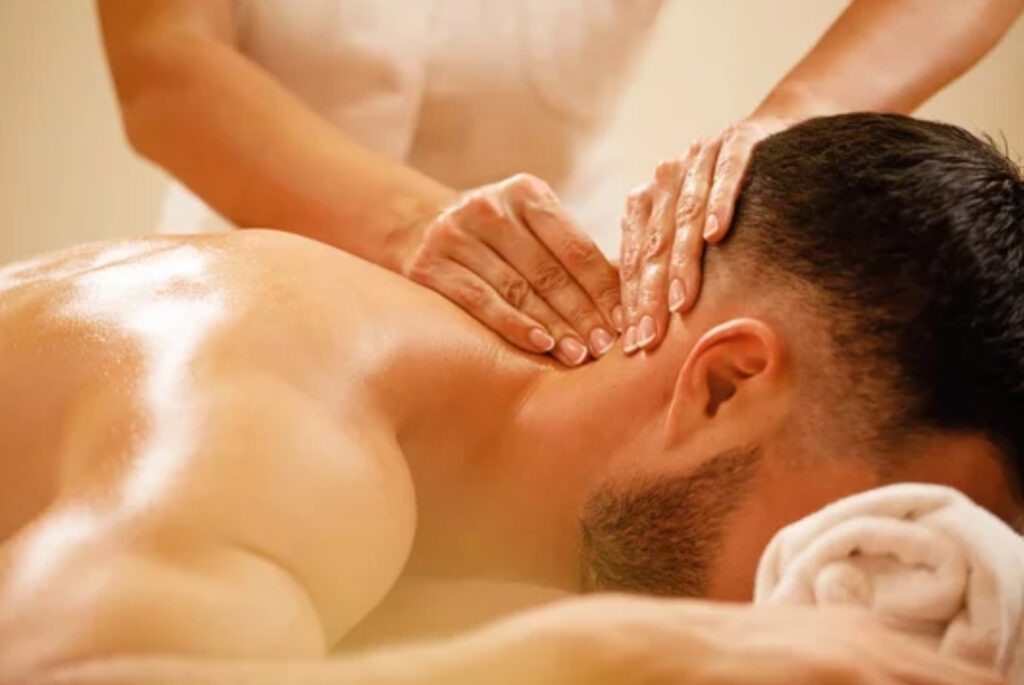 Deep tissue massage is a therapeutic technique that targets the deeper layers of muscles and connective tissues, providing relief from chronic pain, stress, and inflammation. This type of massage is particularly beneficial for individuals experiencing musculoskeletal issues, sports injuries, or chronic conditions like fibromyalgia and sciatica. Here are some of the key benefits of deep tissue massage:
 Deep tissue massage is a therapeutic modality that focuses on deeper layers of muscle and connective tissue. It is designed to break down knots and adhesions, improve circulation, reduce pain, and restore mobility. Deep tissue massage uses slower, firmer strokes and more concentrated pressure than traditional Swedish relaxation massage.
 The Trager® approach (TA) is a unique form of bodywork developed by Milton Trager that utilizes gentle, rhythmic, rocking motions to help reset the body from a state of tension to a state of relaxation. When the body is injured or tense, it adapts by guarding the area. This can result in decreased range of motion, increased tightness in muscles, and resistance to change. TA recognizes that the unconscious mind is directly linked to how we feel about and move with our bodies. Our physical, mental, and emotional health are all intricately connected. Trauma can manifest in our bodies in the form of physical ailments, disorders, or imbalances. Once we create patterns or feedback loops in the nervous system, they are difficult to disrupt.