by urban-acupuncture | Jul 5, 2019 | Massage Therapy
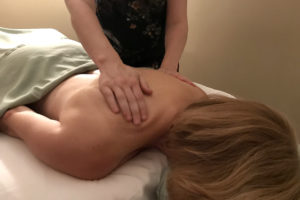 There are many types of massage therapy, from classics like Swedish and deep tissue to more exotic styles like shiatsu. Whether you’d like to branch out a bit or have a health condition or injury, choosing a style of massage can be confusing if you’re not quite sure what it involves. Here is a list of the most popular types of massage (including some that may be new to you).
There are several styles of massage. Some of the more common forms of massage are as follows:
There are many types of massage therapy, from classics like Swedish and deep tissue to more exotic styles like shiatsu. Whether you’d like to branch out a bit or have a health condition or injury, choosing a style of massage can be confusing if you’re not quite sure what it involves. Here is a list of the most popular types of massage (including some that may be new to you).
Swedish Massage Therapy
Swedish massage therapy is the modality that comes to mind when most people think about massage. As the best-known type of bodywork performed today, one of the primary goals of the Swedish massage technique is to relax the entire body. This is accomplished by rubbing the muscles with long gliding strokes in the direction of blood returning to the heart. But Swedish massage therapy goes beyond relaxation. Swedish massage is exceptionally beneficial for increasing the level of oxygen in the blood, decreasing muscle toxins, improving circulation and flexibility while easing tension.
Deep Tissue Massage
Deep tissue massage involves applying firm pressure and slow strokes to reach deeper layers of muscle and fascia (the connective tissue surrounding muscles) It’s used for chronic aches and pain and contracted areas such as a stiff neck and upper back, low back pain, leg muscle tightness, and sore shoulders.
Sports Massage
Sports massage can make a huge difference in the lives of those who work out frequently, train for marathons, or are active with their bodies on a daily basis. As professional athletes have understood for years, the benefits of regular sports massage include reducing fatigue, relieving muscle swelling and tension, and helping to prevent injury from muscle overextension and overuse. The result? Faster recovery, and better performance.
In addition, sports massage can also increase flexibility before a sporting event by warming up the major muscle groups. Post-event, sports massage aids in recovery by limbering the muscles and reducing the amount of lactic acid build-up. And let’s not forget the benefits to your focus and relaxation!
Neuromuscular Massage
Neuromuscular therapy is a form of soft tissue manipulation that aims to treat underlying causes of chronic pain involving the muscular and nervous systems. This medically-oriented form of massage addresses trigger points (tender muscles points), circulation, nerve compression, postural issues, and biomechanical problems that can be caused by repetitive movement injuries.
Acupressure
Acupressure is often called acupuncture without the needles. Instead of needles, acupressure involves the application of manual pressure (usually with the fingertips) to specific points on the body.
According to the principles of traditional Chinese medicine, the body has invisible lines of energy flow called meridians. There are thought to be at least 14 meridians connecting our organs with other parts of the body. Acupuncture and acupressure points lie on those meridians.
If the flow of energy (also called “chi” or “qi”) is blocked at any point on a meridian, it’s thought to cause various symptoms and health conditions anywhere along the meridian. That’s why a practitioner may apply pressure to an acupressure point on the foot to relieve a headache.
Percussion (Oscillating) Massage Therapy
Percussion massage is a breakthrough treatment for soft tissue pain and soreness through the use of a tool that provides rapid, short duration pulses deep into the soft tissues of the body. … Percussive massage also provides a gentle stretch to the muscles and connective tissues improving responsiveness and performance.
Cranial Sacral Therapy
Cranial sacral therapy (CST) is sometimes also referred to as craniosacral therapy. It’s a type of bodywork that relieves compression in the bones of the head, sacrum (a triangular bone in the lower back), and spinal column.
CST is noninvasive. It uses gentle pressure on the head, neck, and back to relieve the stress and pain caused by compression. It can, as a result, help to treat a number of conditions.
It’s thought that through the gentle manipulation of the bones in the skull, spine, and pelvis, the flow of cerebrospinal fluid in the central nervous system can be normalized. This removes “blockages” from the normal flow, which enhances the body’s ability to heal.
For more information about how acupuncture and other treatments can help you, please contact the Urban Acupuncture Center Board Certified Licensed Acupuncturist’s team at Indianola Ave, Clintonville (614) 725-2488 | Main St, Westerville (614) 426-4406 or click here. Taking new patients in and around greater Columbus, Ohio.
by urban-acupuncture | Jul 1, 2019 | Acupuncture Columbus
Lower Your High Blood Pressure
 An estimated 70 million U.S. adults — one in three — have high blood pressure (hypertension), according to the U.S. Centers for Disease Control and Prevention. It’s believed that only half have their condition under control. High blood pressure can lead to stroke and heart disease. High blood pressure is defined as extreme pressure or tension in the arteries that carry blood from the heart to the rest of the body. One of the most dangerous aspects of hypertension is that it has no recognizable symptoms which make it difficult to diagnose it. Factors such as obesity, too much alcohol consumption or excessive smoking increases the risk of hypertension.
Acupuncture, an ancient Chinese therapy, is increasingly viewed as a possible alternative, the researchers said in background notes with the study. Practitioners insert thin needles into key points on the body in an attempt to rebalance the flow of energy.
Acupuncture Study
Studies suggest that a form of acupuncture may benefit patients with high blood pressure and lower their risk of stroke and heart disease. 70% of treated patients experienced noticeable drop in blood pressure.
Researchers studied patients between the ages of 32 and 65 who were taking blood pressure medication for the treatment of high blood pressure. Prior research demonstrates that nitric oxide (NO) levels are directly related to blood pressure levels and therefore the effect of acupuncture on NO levels were also investigated. The researchers found three important changes in the patients. The systolic and diastolic blood pressure levels were reduced and the NO concentration increased.
A total of ten acupuncture visits of manual acupuncture were administered to each patient at a rate of one acupuncture treatment per week. Although standard care in a typical clinic involves a custom acupuncture point prescription based on differential diagnostics, this study administered the same acupuncture points to every patient in the study. The acupuncture points were: Yintang, ST36, SP6, HT7, LI4, SP9, LV3, K3. This standards acupuncture point prescription was successful in achieving significant clinical results. The investigators concluded that acupuncture is effective in lowering blood pressure levels for patients with hypertension.
For more information about how acupuncture and other treatments can help you, please contact the Urban Acupuncture Center Board Certified Licensed Acupuncturist’s team at Indianola Ave, Clintonville (614) 725-2488 | Main St, Westerville (614) 426-4406 or click here. Taking new patients in and around greater Columbus, Ohio.
by urban-acupuncture | Jul 1, 2019 | Acupuncture Columbus
Tinnitus Treatment with Acupuncture
 Researchers find acupuncture and Traditional Chinese Medicine herbs effective for the treatment of tinnitus (ringing of the ears).
What is Tinnitus?
Tinnitus is a medical symptom that can indicate damage to your ear or auditory system. It’s often described as ringing in the ears, but you could hear other sounds, such as buzzing, clicking, roaring, or humming.
For some, tinnitus comes and goes. For others, it can last for hours or days at a time. Regardless of how long it lasts, tinnitus can be a major disruption to your daily life, making it hard to concentrate or sleep.
Evaluate and treat underlying problems of Tinnitus
If you develop tinnitus, it’s important to see your clinician. She or he will take a medical history, give you a physical examination, and do a series of tests to try to find the source of the problem. She or he will also ask you to describe the noise you’re hearing (including its pitch and sound quality, and whether it’s constant or periodic, steady or pulsatile) and the times and places in which you hear it. Your clinician will review your medical history, your current and past exposure to noise, and any medications or supplements you’re taking. Tinnitus can be a side effect of many medications, especially when taken at higher doses.
Musculoskeletal factors — jaw clenching, tooth grinding, prior injury, or muscle tension in the neck — sometimes make tinnitus more noticeable, so your clinician may ask you to tighten muscles or move the jaw or neck in certain ways to see if the sound changes. If tight muscles are part of the problem, massage therapy may help relieve it.
Tinnitus that’s continuous, steady, and high-pitched (the most common type) generally indicates a problem in the auditory system and requires hearing tests conducted by an audiologist. Pulsatile tinnitus calls for a medical evaluation, especially if the noise is frequent or constant. MRI or CT imaging may be needed to check for a tumor or blood vessel abnormality.
Your general health can affect the severity and impact of tinnitus, so this is also a good time to take stock of your diet, physical activity, sleep, and stress level — and take steps to improve them. You may also be able to reduce the impact of tinnitus by treating depression, anxiety, insomnia, and pain with medications or psychotherapy.
How Acupuncture Benefits Patients with Tinnitus
In Chinese medicine, the kidney-bladder network governs hearing and the ears. Tinnitus, then, is often associated with progressive kidney weakness brought on by overstrain, lack of sleep, and excessive sexual activity. Negative emotions are also often associated with tinnitus. Anger, frustration, resentment, and hatred block the liver energy, which over time produces fire rising up to the head, which disrupts hearing.
In many people, tinnitus is an expression of a much deeper disharmony that has been slowly and gradually evolving. For these patients, the treatment options will include acupuncture and herbal therapies to nourish the body at a deeper level. For others, tinnitus may be a side effect of medications or exposure to loud noise. These patients may respond well to acupuncture therapy alone. Traditional Chinese medicine not only addresses the symptom or the tinnitus (referred to as the branch), but also the underlying imbalance (or the root). By treating the root, the actual disharmony is broken and the body returns to optimal health.
Acupuncture can reduce symptoms of tinnitus in some cases. It’s particularly effective for ones that might be associated with hypertension because of its effect with blood circulation. It may help pain conditions such as chronic neck pain or TMJ.
For more information about how acupuncture and other treatments can help you, please contact the Urban Acupuncture Center Board Certified Licensed Acupuncturist’s team at Indianola Ave, Clintonville (614) 725-2488 | Main St, Westerville (614) 426-4406 or click here. Taking new patients in and around greater Columbus, Ohio.
by urban-acupuncture | Jun 15, 2019 | Acupuncture Columbus
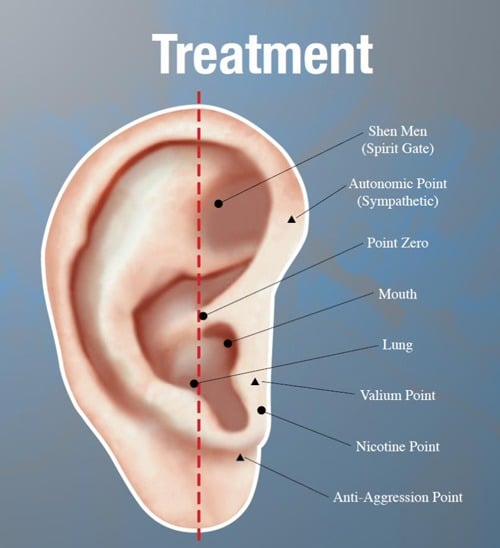 If you are trying to quit smoking, acupuncture is a natural way to help you curb your craving for nicotine. Acupuncture, along with Chinese herbs and hypnotherapy, may not be as well-known as nicotine patches or gum. But they all can offer relief, especially in the acute phase of withdrawal when you’re wrestling with fatigue, irritability and gnawing cravings.
Some people try acupuncture because they cannot tolerate the drugs used for tobacco cessation.. Unlike prescription medications, acupuncture has no side effects. In fact, it is very common to notice side benefits like improvements in sleep or mood. Others use acupuncture as part of an overall strategy to quit.
How Does Acupuncture Help You Quit Smoking?
Acupuncture involves the insertion of very fine needles into certain points on the body. These needles stimulate the flow of qi (chee) energy throughout the body, helping to regulate the body’s natural systems. Many people are afraid of needles but acupuncture needles are extremely thin–usually the thickness of a strand of hair–and the insertion is barely noticed. The needles are inserted very superficially in the skin and retained in the body while the patient rests. Acupuncture works by helping to regulate the body’s natural energy flow, to reduce the cravings of nicotine withdrawal, to calm the mind and ease anxieties, and to strengthen and benefit the lungs and clear phlegm, tar and nicotine residue out of the lungs.
Often people smoke to deal with stuck energy in the body that shows itself as feelings of anxiety, tension, anger or grief. Smoking a cigarette draws warm air deeply into the lungs and the nicotine hits our blood stream, then works its way into our brain allowing us to momentarily feel relaxation and release from these emotions. Acupuncture helps by regulating this stuck energy and moving it along in the same way that deep breaths or a few moments of quiet meditation will do.
One of the most powerful benefits of an acupuncture session is the way it calms your mind and eases anxiety. People often smoke to mask feelings they don’t wish to feel or face. Acupuncture helps to safely move these feelings out of the body. People comment that they have more restful sleep, fall asleep easier and sleep longer after acupuncture.
For more information about how acupuncture and other treatments can help you, please contact the Urban Acupuncture Center Board Certified Licensed Acupuncturist’s team at Indianola Ave, Clintonville (614) 725-2488 | Main St, Westerville (614) 426-4406 or click here. Taking new patients in and around greater Columbus, Ohio.
by urban-acupuncture | Jun 12, 2019 | Acupuncture Columbus
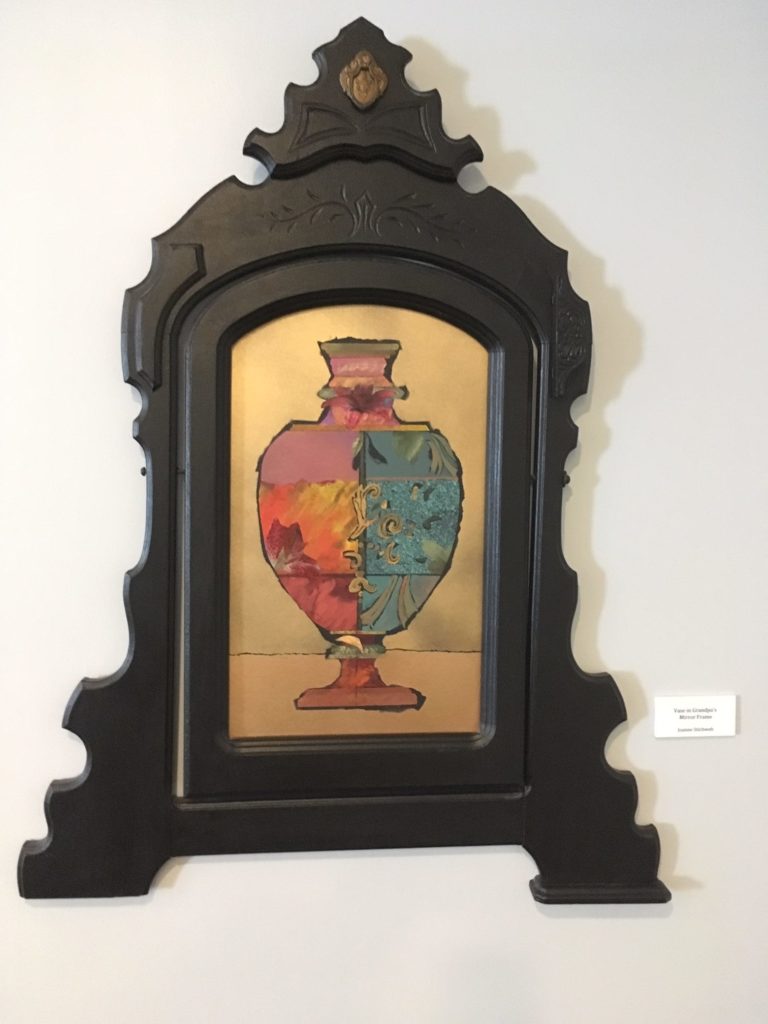 About The Artist
Joanne Stichweh retired as a professor Emerita in the Otterbein University Department of Art in 2009. She taught art history and studio art courses including drawing, painting, and ceramics for thirty years. A graduate of Otterbein, she received her MFA from The Ohio State University. As a professional artist, Ms. Stichweh has been a frequent local and regional exhibitor
whose work has received many awards. Her paintings are included in numerous public, private, and corporate collections
The work in this exhibition are selections from a span of forty years of paintings, from 1979 to 2009. In a sense, the Urban Acupuncture show is a small scale retrospective, a compilation showing the development of the artist over a period of time
I find that the most meaningful method of artistic production involves working in series form – investigating theme and variation. Each individual painting shown here was part of a larger group of work, usually 10 to 20 works exploring a particular subject or theme. As an art historian and a contemporary painter, I am particularly interested in producing images which synthesize works from throughout the history of art, juxtaposing motifs derived from art historical sources both ancient and modern.
Various media employed include oil and acrylic paint, commercial house paint, metallic and textured spray paint, and oil stick. Sources for the cut paper collage elements consist of images from books of antique botanical prints, reproductions from medieval herbals, art journals, calendars, wallpaper books, and seed catalogues.
My cut-paper collage-paintings are process oriented; there is concern for gestural, spontaneous, energetic mark making contrasting with hard-edged shapes. Complex patterns and exploration of color – exuberant and intense color as well as subtle, nuanced color – characterize my paintings. Always, I am concerned with creating formally strong compositions.