by urban-acupuncture | Mar 10, 2020 | Massage Therapy
What is Swedish Massage Therapy?
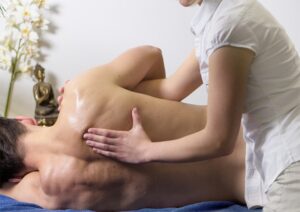 Swedish massage is the most well-known and most common type of massage therapy. The gentlest form of hands-on body work, Swedish massage therapy is designed to promote overall relaxation and well-being. Unlike deep tissue massage or myofascial release massage, Swedish therapy is a full-body massage technique that targets superficial muscle groups. During a Swedish massage, the massage therapist promotes muscle relaxation by rubbing the muscles in the same direction as blood returning to the heart. Techniques include long gliding strokes, circular pressure applied by the hands and palms, firm kneading, bending, and stretching.
As noted, Swedish massage therapy is a full-body massage technique in which the therapist will concentrate on each area of the body in turn. However, the massage therapist may concentrate on some areas more than others if he or she determines that some muscle groups are holding stress or require a firmer pressure to work out “knots”. For example, it is extremely common for individuals to “hold tension” in their shoulders and upper back, so it make take more time to fully relax those muscles. Every Swedish massage session is fully customized to meet the goals, and enhance the comfort, of each individual, and it is important to communicate with your massage therapist before and during your session.
Benefits of Swedish Massage Therapy
Generally speaking, the primary benefit of Swedish massage is relaxation! You should leave your massage session feeling loose, relaxed, and stress-free. But relaxation is not the only benefit of Swedish massage therapy. In fact, Swedish massage has a number of physical and emotional benefits that make it well-worth carving out some time in your busy schedule. For example, some additional benefits of Swedish massage therapy include:
- Increased blood flow. By stimulating the muscles with long strokes in the direction of blood flow to the heart, Swedish massage helps to open up blood vessels and improve blood flow around the body. In turn, this ensures that your muscles are getting more oxygen and nutrients and helps flush out harmful toxins more effectively.
- Improved muscle flexibility. By thoroughly relaxing the large muscle groupings, your body can experience a greater range of motion and improved flexibility. Especially when combined with a regular stretching routine, Swedish massage is a great way to minimize recovery time between workouts and prevent potential injury.
- Improving recovery time for muscle injuries. Most physicians will say that the best way to recover from a muscle-related injury is rest, relaxation, and avoiding activities that cause additional pain and discomfort. Swedish massage has help promote injury rehabilitation by kneading out adhesions and promoting muscle relaxation and flexibility.
- Pain management. Swedish massage can be an effective method of naturally managing chronic pain from sciatica, osteoarthritis, and other conditions. By communicating with your massage therapist about your specific pain points, he or she can target those areas for additional stroking and massaging for improved local circulation and enhanced muscle relaxation.
- Stress reduction. Stress reduction is likely the most well-known benefit of Swedish massage, because it really does work! Promoting muscle relaxation and improved circulation creates a physical response designed to counter your mental stresses by reducing the stress hormone cortisol. And by reducing your stress, you will find you feel better overall, with greater energy, fewer headaches, and better sleep, which in turn enables you to cope with stress better!
- Improved immune system. Reducing your levels of the stress hormone cortisol has an additional benefit as well: it actually strengths your immune system and promotes your body’s ability to self-heal, so you spend less time under the weather and more time enjoying life!
Is Swedish Massage Therapy for Me?
Swedish massage therapy is an excellent choice for anyone seeking to improve their well-being by reducing stress and enjoying a greater level of relaxation. Whether you have a specific goal or are simply looking for a way to feel a little more relaxed as you make your way in a busy, stressful world, Swedish massage is gentle and therapeutic, and a great way to make a little time just for yourself!
Contact Us
For more information about how acupuncture, massage therapy and other treatments can help you, please contact the Urban Acupuncture Center Board Certified Licensed Acupuncturist’s team at Indianola Ave, Clintonville (614) 725-2488 | Main St, Westerville (614) 426-4406 or click here. Taking new patients in and around greater Columbus, Ohio.
by urban-acupuncture | Mar 9, 2020 | Community, Light Therapy
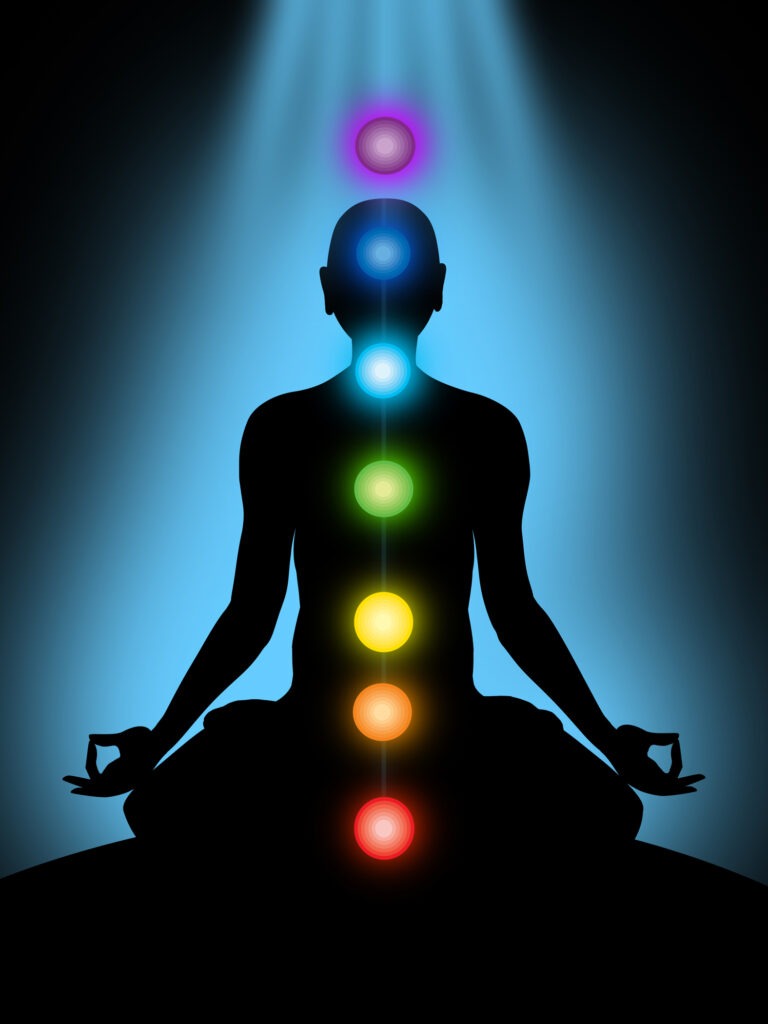 Discover the therapeutic benefits of the Tesla Light Systems, designed to bring balance and relaxation to the user.
About These Events
Join us for this truly unique experience!
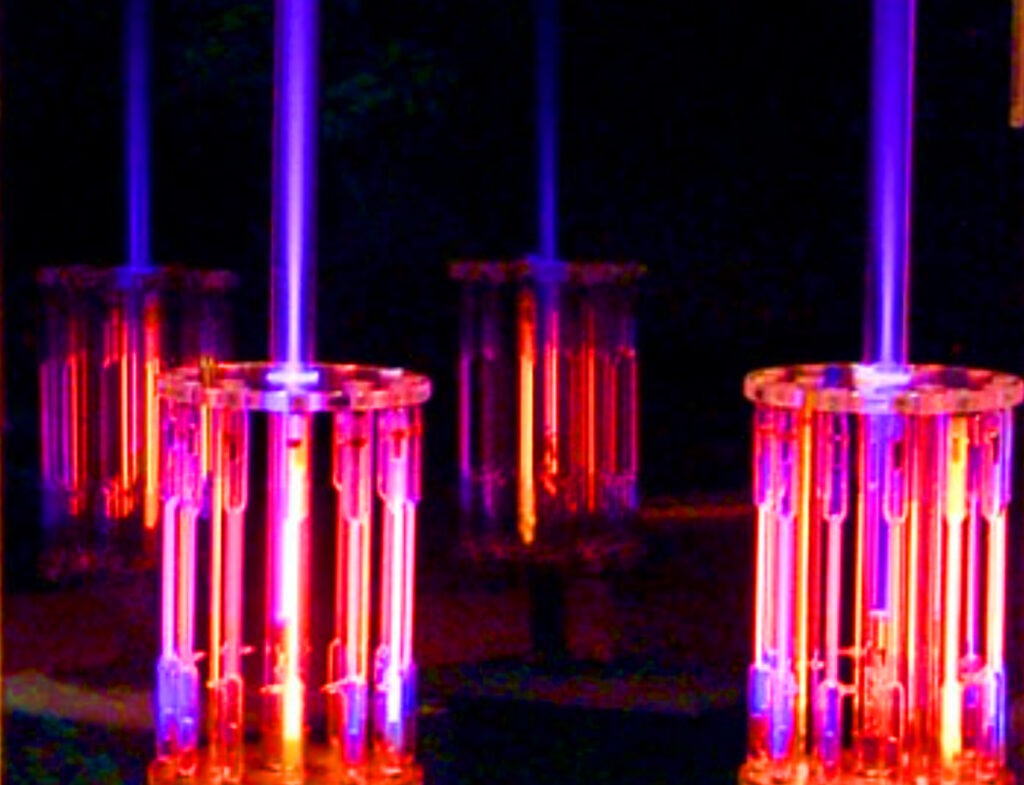
Rooted in Nikola Tesla’s Tesla Coil technology, Tesla Lights are a subtle energy activation system that is composed of an AC and DC unit. By themselves, the units generate either a Yin or a Yang energy. Together, the combination of the two creates an ultra-high frequency crystalline energy field that brings total balance and relaxation to the user.
Location
Urban Acupuncture Center: 4392 Indianola Avenue, Columbus, OH 43214
Register Now – All events completed
April 9 – 6:30 p.m.
April 9 – 7:30 p.m.
April 11 – 2 p.m.
April 11 – 3 p.m.
Mark Hoffman, president & CEO of Multidimentional Technologies, will offer an introductory presentation about his proprietary Tesla Coil design, as well as an opportunity for attendees to experience the lights.
 FAQ’s
FAQ’s
How will you benefit from Tesla Energy Lights?
The Tesla Energy Lights stimulate subtle energy, or life force, activity. They have a soothing, relaxing effect on the mind, heart and spirit. These frequencies are noticeably more soothing and conducive to deep meditative states and higher levels of consciousness.
What happens during a session?
During a session, clients typically sit or lie down with eyes open or closed. They relax, unwind and visualize the energy from the lights flowing through the body and subtle energy fields.
Who invented the Tesla lights?
Nikola Tesla was a 19th century genius who envisioned wireless technology far ahead of his time. He developed the Tesla coil in 1891, an alternating-current electrical system of generators, motors, and transformers still widely used. In 1994, inventors of the Tesla Energy Lights augmented Nikola Tesla’s discoveries with ultra-high soft frequencies to slow the mind, open the heart, and awaken and align consciousness.
How do the Tesla Energy Lights™ work?
The Tesla Energy Lights are a subtle energy activation system made up of two units – AC and DC machines generated by the Tesla coil and a multiwave oscillator configuration. When turned on, they produce ultra-high frequencies of low-voltage electromagnetic and photonic subtle energy. A gas tube carousel holding 12 Pyrex tubes filled with nobel and common gases (hydrogen, helium, neon, argon, krypton, xenon, nitrogen, oxygen, air and water vapor) sits atop each unit. A longer center silicon crystal tube contains a proprietary blend of gases. The electromagnetic energy from the Tesla coil activates gas ionization and frees electrons in the gases to migrate into the invisible, subtle energy field.
by urban-acupuncture | Mar 1, 2020 | Acupuncture
Alternative Flu Treatment
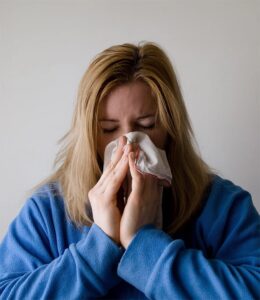 The flu (short for influenza) is a potentially serious illness caused by the influenza virus. Although the flu is commonly confused with “the common cold”, a “cold” is caused by a bacterial infection; a cold may come on slowly and is not severe or dangerous (although colds are certainly unpleasant). The flu, on the other hand, usually comes on quite suddenly and if left untreated with anti-viral medications, can lead to dangerous, and even fatal, complications.
The most common symptoms of the flu can include:
- Fever
- Feeling feverish or experiencing chills
- Cough
- Congestion/runny and/or stuffy nose
- Sore throat
- Headaches
- Fatigue/exhaustion
- Body or muscle aches
The Best Defense against the Flu is a Great Offence
The old saying is “the best defense is a great offense”, and when it comes to the flu, the old saying really is true. The best way to handle the flu is to avoid it altogether! And the best way to prevent ourselves from getting sick is to ensure that the body is healthy and well-balanced in order to be better able to fight invading, illness-causing viruses. Studies have shown that a regular regime of acupuncture treatments before and during flu season can help prevent illness by boosting your immune system for up to three days, stimulating hormonal homeostasis (balance), and reducing fatigue and stress that can undermine the body’s ability to self-heal.
If you do begin to feel sick and think you might be developing the flu despite regular acupuncture treatments (after all, nothing works 100% when it comes to preventing the flu), it’s important to take proactive steps immediately! When performed before flu symptoms have really set in (usually within the first 24 hours), acupuncture has been shown to potentially mitigate and even shorten active symptoms. For example, acupuncture can help relieve sinus pressure, nasal congestion, and sinus headaches, relieve the discomfort of a sore throat, reduce body aches, and help speed up the process of killing harmful toxins and viruses.
However, for the health and safety of our practitioners and other patients (some of whom may be immuno-compromised), we ask that you do not come for acupuncture treatment if you have a fever and/or an active cough. Once flu symptoms set in, we encourage you to visit your primary care physician quickly for anti-viral medications, especially if symptoms persist or become serious.
Acupuncture Boosts the Efficacy of Flu Treatment
Several recent studies support the idea that an acupuncture treatment at the onset of flu symptoms, when combined with anti-viral medications such as Tamiflu, can help decrease the severity and the duration of flu symptoms. These studies, performed at Taizhou Municipal Hospital and Nanjing University of Traditional Chinese Medicine, indicated that when administered within the first 24 hours of symptom onset, in conjunction with antivirals administered within the same time frame, can improve the ability of the body to identify and target the influenza virus, increase serum interferon levels, and most critically, reduce the occurrence of flu-related fatalities.
Acupuncture can’t cure the flu, unfortunately. However, acupuncture can play a vital role in keeping your body healthy by promoting your body’s own self-healing mechanisms, which can help prevent you from getting the flu to begin with. And if you think you might have the flu: don’t delay! An acupuncture treatment before the full onset of symptoms can help you feel better, and feel better faster!
For more information about how acupuncture, massage therapy and other treatments can help you, please contact the Urban Acupuncture Center Board Certified Licensed Acupuncturist’s team at Indianola Ave, Clintonville (614) 725-2488 | Main St, Westerville (614) 426-4406 or click here. Taking new patients in and around greater Columbus, Ohio.
by urban-acupuncture | Feb 10, 2020 | Acupuncture Columbus
A Coaching Circle to Build Community, Connection, Accountability & Your Self Awareness. You’ll Feel More Confident & Sure of What’s Next.
Soul Sessions: The Coaching Circle – About this Event
- Are you yearning for change, and not sure how to get there?
- Do you value getting to know yourself better?
- Are you seeking accountability, connection and fun?
- Would you like to learn the 3 leadership skills that will transform the way you live, love and lead?
Soul Sessions: The Coaching Circle, hosted by Life Coach, Sarah T. Moore, is a fully curated, intimate experience in circle with like-minded folks committed to being more. You will explore your fears and desires, feel more confident about using your voice, and walk away feeling more free in your skin so you can live, lead and love with more clarity.
Everyone I work with, and who attends this experience, wants the following:
- To take up space without questioning if you belong.
- To ask, What do I think?, not, What do they think?
- To say yes and no without explaining yourself.
- To dance like no-one is watching when everyone is.
This experience is about growing you into more of who you are. You will connect with other amazing people and follow and support each other’s experiences. While each session will be carefully laid out, there will be plenty of time to share freely, get feedback, and receive 1:1 coaching from Sarah.
The Deets
When: March – May 2020, one evening a month for 3 months.
The Wednesday’s are as follows:
- Wednesday, March 4th 6:30pm – 9:30pm
- Wednesday, April 1st 6:30pm – 9:30pm
- Wednesday, May 6th 6:30pm – 9:30pm
Where: Urban Acupuncture Center | 4392 Indianola Ave, Columbus, OH
How Many People: This program is open to a maximum of 25 people.
Price: One-time payment of $97 for all three sessions.
CLICK HERE TO REGISTER
Coaching Approach
While I work with men and women, I consider myself a Women’s Leadership Coach. I believe every woman is special, and, oftentimes, our struggles aren’t unique. My job, as your coach, is to help you become a more effective leader in every aspect of your life. I want to help you solve immediate problems that illuminate greater areas of development so you can self-coach yourself to success long after our time together is over. Every question I ask, every moment I’m listening, every request I have of you, is to help you become more than you are right now, not to make you something you’re not. You are the expert on you, and I’m the expert in coaching techniques. The work starts with me being a leader in my own life which means I take radical responsibility and practice honesty in a way most people don’t. I also take a holistic approach to leadership meaning everything in our life affects our leadership at work. To compartmentalize is an outdated model. There are many techniques to become more effective and nothing beats incredible intuition, speaking, leading and coaching thousands of women, and a deep desire to see that happen.
FAQ’s
- What if I can’t make all 3 sessions?
We really encourage you to sign up with the intention of making all 3 sessions. Each session will build on each other and your presence will be sorely missed by the other people who have come to value your presence and participation.
- I’m a little nervous because I’ve never done anything like this before. What can I expect?
It’s normal to be nervous when you’re trying something new. Know that this will be a safe space where you will be encouraged to grow and get out of your comfort zone, but only in ways that make sense to you. You will never be pushed to do or say something you’re uncomfortable with. You can totally take this at your own pace. Expect a ton of fun, insights, intimacy, and connection.
- Can I arrive a little late/ or just participate in 1 or 2 hours each session?
No. You will want to arrive a little before 6:30 and stay for the whole experience each time. It’s not the kind of thing you dip in and dip out of.
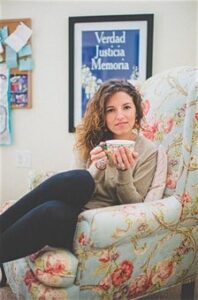 Sarah Moore, founder of Moore Soul Sessions, is a Certified Professional Life Coach based out of Philadelphia. With a focus on honest, authentic, and deep connection, Sarah works to connect with her clients on a level that allows them to rediscover themselves and realize their full potential.
I have spent 11+ years coaching women at every level of an organization from Senior Executives to Emerging Leaders, from start-ups to global brands. Previous clients include Facebook, LinkedIn and Salesforce. My varied background in industries such as retail, newspaper, and oil and gas, and extensive years living abroad, all have one thing in common; every decision was born out of passion and purpose. With that in mind, the bottom line is, I’m coaching people to know what they want, have the courage to say it, and pursue it. I want you to feel even more confident than you do now, to speak up with your loved ones, in meetings and board rooms, to communicate effectively across all levels of your organization, and to be at peace with who you are.
Accreditation:
- Certified Professional LIfe Coach- MA, ACC, CPC, ELI-MP
- M.A. Comparative Literature and Culture
- Associate Certified Coach
- Certified Professional Coach
- Energy Leadership Index Master Practitioner
- B.A. (Hons) Hispanic Studies and Linguistics
by urban-acupuncture | Feb 5, 2020 | Massage Therapy
Sports Massage
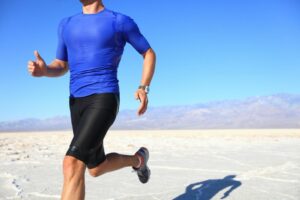 Swimming, biking, yoga, weight lifting, Zumba or spin class, running, or even a walk outside: medical experts all agree that regular exercise is an important element of staying healthy! Yet regardless of how you choose to stay fit—competing in local road races, joining an adult sports team, or hitting the gym a few times a week—maintaining a regular exercise routine can easily be undermined by physical fatigue, soreness and pain, and even injury.
In fact, staying healthy and fit often requires more than just exercise: proper nutrition, active recovery, injury avoidance, and rest are all equally important. And incorporating sports massage therapy, along with good eating and sleep habits, into your exercise routine can help as well. Sports massage is an excellent way to minimize pain and discomfort from DOMS (delayed-onset muscle soreness), relax and rejuvenate overworked muscles, increase flexibility and mobility, reduce recovery times between workouts, and even prevent injury.
Sports Massage: What Is It?
Sports massage is a type of massage therapy designed to facilitate relaxing and rehabilitating recovery in those muscles and soft tissues that have been stressed by an active, athletic lifestyle. Depending on the needs of each unique patient, sports massage usually involves a variety of massage techniques and concentrates on specific muscle groups. And don’t let the word “relaxing” confuse you: sports massage is not designed to for full-body relaxation like other massage techniques: when performed properly, a sports massage can get a bit uncomfortable as it works out tightness, inelasticity, and lack of flexibility in active muscle groups!
Just as each patient is unique, each sports massage is just as unique. Based on his/her assessment of your specific massage requirements, your licensed massage therapist will develop a customized massage plan designed to target exactly those muscle groups and areas of soft tissue damage that require it. Your specific sports massage therapy may involve techniques such as:
- Trigger point massage: involves repeatedly manipulating trigger points (or knots) within muscles with patterns of isolated pressure and release
- Myofascial release: involves relaxing and stretching the fascia, or the connective tissue around the bones, muscles, and tendons
- Muscle energy: actively contracting the largest muscular groupings can stretch, relax, and strengthen tight, inflexible muscles
- Soft tissue release: passive, active, and/or weight-bearing techniques can stretch out and relax stiffness and tightness in the tendons, fascia, and muscle
Sports Massage: Benefits
In general terms, the biggest benefit of sports massage is enhanced athletic performance. More specifically, sports massage offers a number of benefits that, when taken together, add up to help you maintain your exercise routine and recover faster between workouts. Sports massage can:
- Help relieve muscle tension, discomfort, and pain
- Promote faster post-workout recovery time to decrease time between workouts
- Improve healing for existing injuries and prevent common overuse injuries
- Improve muscle elasticity flexibility, elasticity, and range of motion
- Improve blood flow for increased muscle growth and endurance performance
- Reduce blood pressure and heart rate
And the benefits of sports massage aren’t just physical! Studies have shown that sports massage can have added psychological benefits, including lowered anxiety, improved outlook and mood, and better quality of sleep. So to support your physical fitness, your mental health, and your health and overall well-being, schedule your sports massage today!
For more information about how acupuncture, massage therapy and other treatments can help you, please contact the Urban Acupuncture Center Board Certified Licensed Acupuncturist’s team at Indianola Ave, Clintonville (614) 725-2488 | Main St, Westerville (614) 426-4406 or click here. Taking new patients in and around greater Columbus, Ohio.