by urban-acupuncture | Dec 5, 2019 | Massage Therapy
Myofascial Release Massage
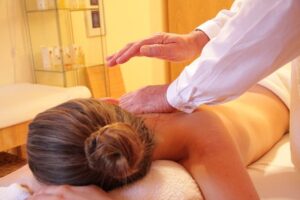 Myofascial Release, sometimes referred to as MFR for short, is massage technique that involves applying firm, steady pressure to areas of damaged fascia in order to break up adhesions and soften scar tissue. The goal of Myofascial Release Massage is to target areas of pain, discomfort, and soreness by reestablishing proper blood flow and nerve firing that have been blocked by damaged fascia. Although MFR is a type of massage, Swedish massage and other traditional massage techniques utilize repeating patterns of light pressure and “kneading” targeted at large muscle groups, while MFR involves focused pressure at the fascia by a thumb, hand, or elbow.
What is “Fascia”?
In order to understand what Myofascial Release Massage is, as well as the benefits of this technique, it’s important to have a basic understanding of what MFR is targeting: the fascia. The fascia is a complex, three-dimensional matrix woven throughout the body. It surrounds nearly every part of the human body, including our organs, muscles, nerves, and blood vessels, holding them in place and connecting them together. It is extremely strong, yet flexible and fluid, and highly adaptable.
When we are injured, our tissues are damaged, or our body experiences stress such as dehydration or inflammation, the body attempts to support and protect the surrounding tissues by contracting the nearby muscles. This extended contraction causes a build-up of toxins, restricts blood flow to the area, and causes the fascia to harden and tighten. And because the fascia is an interconnected web running throughout the body, tight and stiff fascia in one area of the body can cause ripples and bunching in the normally smooth, fluid fascia in other areas of the body.
Thus, the goal of Myofascial Release Massage is to identify areas where the fascia has become hard or blocked and, as the name implies, release that blockage. Once the fascia has been returned to its naturally fluid, flexible state, normal blood flow is restored, toxins are released, and the cycle of pain signals triggered by the original injury is interrupted. The ripples and bunches that the original block, or knot, created are smoothed out, reducing pain that the bunching created in other areas of the body.
What Does a Myofascial Release Massage Feel Like?
Myofascial Release Massage targets areas of blocked fascia through the use of gentle but sustained pressure. Once the massage therapist has located a “knot” or area of tight, stiff fascia, he or she will use his hand, thumb, or even elbow to apply gentle but sustained pressure on that knot until it is released. It may require applying pressure several times, moving to different sides of the knot until it has been totally released. In some cases, the pressure may be alternated with more traditional massage techniques targeting the nearby muscle groups to relieve muscle contractions as well.
Does it hurt? That’s a pretty common question! Myofascial Release Massage is a therapeutic technique focused on healing damaged tissues. It is not a massage technique designed to promote relaxation. The pressure required to unblock tight fascia should not be painful; however, it can be intense and sometimes uncomfortable, especially if the damage is extensive. Many patients do experience some level of muscular soreness for a day or two after a treatment; it’s very important to stay hydrated before and after the Massage to help combat this soreness.
For more information about how acupuncture, massage therapy and other treatments can help you, please contact the Urban Acupuncture Center Board Certified Licensed Acupuncturist’s team at Indianola Ave, Clintonville (614) 725-2488 | Main St, Westerville (614) 426-4406 or click here. Taking new patients in and around greater Columbus, Ohio.
by urban-acupuncture | Dec 1, 2019 | Acupuncture Columbus
Increase IVF and IUI Success with Acupuncture
Coping with infertility can be both physically and emotionally challenging. For some couples, modern medicine in the form of Assisted Reproductive Technology (ART) can offer the chance of a successful pregnancy. And at the same time, ancient medicine can work in conjunction with modern techniques to improve the chances that ART results in a successful pregnancy. If you have been struggling with infertility and are utilizing ART or are thinking about utilizing ART, we encourage you to talk to your fertility doctor about whether the ancient art of acupuncture can help promote your chances of getting pregnant.*
The two most common types of Assisted Reproductive Technology are:
- Intrauterine insemination (IUI): Also called donor insemination, alternative insemination, or artificial insemination, IUI involves placing sperm cells directly into the uterus at the time of ovulation. This procedure increases the chance of a successful pregnancy by stimulating and regulating ovulation and minimizing the time and distance the sperm has to travel in order to facilitate fertilization.
- In vitro fertilization (IVF): IVF utilizes a combination of medication and surgical procedures to help promote fertilization and successful implantation in the uterus. IVF involves removing eggs from the ovaries and mixing them with sperm cells in a lab to promote fertilization. One or more fertilized eggs are then placed inside the uterus; if the eggs successfully implant into the lining of the uterus, pregnancy occurs. IVF is more invasive than IUI and usually requires several months to complete one round.
Benefits of Acupuncture During IUI/IVF Cycles
The goal of incorporating acupuncture into either IUI or IVF cycles is to more effectively prepare the body for pregnancy by increasing blood flow to the reproductive organs, specifically the ovaries and uterus. Improved blood flow can help ensure that these organs are functioning optimally to promote ovulation and successful implantation of a fertilized egg. Specifically, by increasing blood flow to the reproductive organs, acupuncture can improve oxygenation, which is always critical for healthy cells and organs, as well as improve delivery of higher-quality nutrition, anti-oxidants, and necessary hormones. Moreover, improved blood flow can help thicken the uterine lining, which is especially critical for successful implantation.
Acupuncture has been shown to improve blood flow to the reproductive organs over the short term. Thus, it may be appropriate to begin acupuncture treatments at the beginning of an IUI or IVF cycle and still experience the potential benefits. However, acupuncture may provide some additional benefits if begun well in advance of ART treatments. For instance, acupuncture has been shown to help normalize imbalances in the body by promoting better sleep, improving digestive function, reducing areas of inflammation, and improving circulation in general. In other words, preparing your body in advance for a successful pregnancy by improving overall health and wellbeing, reducing stress, improving circulation, and correcting any natural imbalances can help promote the success of ART treatments.*
If you are coping with infertility and considering ART treatments, we encourage you to speak with your fertility doctor about whether acupuncture treatments before or during IUI and/or IVF cycles may be appropriate for you. While no one can guarantee the success of any specific type of fertility treatment, the addition of acupuncture into your ART cycles may improve the chances of a successful pregnancy.
*Disclaimer: Specific results are not guaranteed. Results may vary from person to person.
For more information about how acupuncture and other treatments can help you, please contact the Urban Acupuncture Center Board Certified Licensed Acupuncturist’s team at Indianola Ave, Clintonville (614) 725-2488 | Main St, Westerville (614) 426-4406 or click here. Taking new patients in and around greater Columbus, Ohio.
by urban-acupuncture | Nov 3, 2019 | Massage Therapy
Deep Tissue Massage
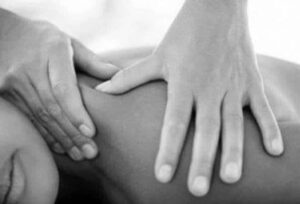 Deep-tissue massage is a specific type of massage therapy that concentrates on the deep layers of muscle and fascia in the body; and recommended by many doctors as a treatment option. By using deep finger pressure and slow, firm strokes, deep tissue massage is used to treat a variety of physical ailments.
Does Deep Tissue Massage Hurt?
When the body is experiencing pain, it reacts with tension. During a deep tissue massage, discomfort is normal and will be felt if there are inconsistencies within the tissues. Discomfort is described as a “good hurt”, the kind that feels good at the same time. On the other hand, pain can be described as being uncomfortable and not tolerated well by the body.
Massage therapists should work within the client’s comfort level and pain tolerance at all times. If a person cannot handle a high amount of pressure, it may take several more treatments to achieve the same results as someone with a higher threshold for pain. Results will occur, but at a slower rate.
What does Deep Tissue Massage Treat?
Reduces Chronic Pain
Deep-tissue massage is more effective and affordable for relieving chronic pain than conventional medical remedies. Because deep-tissue massage increases the flow of blood through through the body, it helps reduce the inflammation that causes pain. Deep-tissue massage can also help alleviate muscle tension that is often a side effect of chronic pain by loosening the tight tissue clusters.
Improves Blood Pressure
Deep-tissue massage helps ease stress and tension, which can have a beneficial effect on blood pressure. People who had a deep-tissue massage saw their systolic pressure drop by an average of 10.4 mm Hg and their diastolic pressure drop an average 5.3 mm Hg, according to a study cited by the University of Maryland Medical Center. Deep-tissue massage can help increase the body’s production of serotonin, the hormone that promotes happiness and good feelings.
Breaks Up Scar Tissue
Over time, deep-tissue massage therapy can help break up and eventually erase scar tissue in the body. It does this by improving lymphatic circulation and drainage to improve flexibility and range of motion in the affected area. Scar tissue is often associated with ongoing pain and stiffness, so deep-tissue massage can improve these symptoms. Massage therapy is often recommended for people who are recovering from surgery.
Rehabilitates Injured Muscles
Deep-tissue massage can be an effective treatment for injured muscles. Because it facilitates the movement of toxins from the muscles and helps stretch tight or twisted muscle mass, deep-tissue massage can help promote healing. Because massage also helps relax muscles, it can reduce the pain caused by injuries, too. Deep-tissue massage is frequently used to rehabilitate sports injuries.
Stress Relief
For those people who suffer from chronic stress, and all of its various, possible side-effects like tension headaches, rigid shoulders and tight muscles; deep tissue massage can be a relief. During a session you can let it all go and give in to the healing. Once renewed and revitalized you’ll be able to face your challenges more equitably.
How does it compare to Swedish massage?
Deep tissue massage and Swedish massage are two different types of massage therapy. Both use some of the same strokes, but they have different uses and vary greatly when it comes to the amount of pressure used.
Here are the key differences between deep tissue massage and Swedish massage:
Intended use: Deep tissue massage is primarily used to treat chronic pain and muscle and sports-related injuries. Swedish massage is mainly used to promote relaxation and reduce muscle tension caused by everyday activities, such as sitting at a computer.
Pressure: Swedish massage is a gentler form of massage that uses far less tension than deep tissue massage. Both types involve use of the palms and fingers to knead and manipulate your tissues, but the elbows and forearms may also be used to apply increased pressure during a deep tissue massage.
Area of focus: Deep tissue massage targets the inner layers of your muscles. It’s used to treat muscle and tendon injuries, pain, and stiffness in your major muscle groups and joints. Swedish massage targets the superficial layers of muscle and focuses on the parts of your body that tend to hold the most tension, such as your neck, shoulders, and back.
For more information about how acupuncture and other treatments can help you, please contact the Urban Acupuncture Center Board Certified Licensed Acupuncturist’s team at Indianola Ave, Clintonville (614) 725-2488 | Main St, Westerville (614) 426-4406 or click here. Taking new patients in and around greater Columbus, Ohio.
by urban-acupuncture | Nov 1, 2019 | Acupuncture Columbus
Acupuncture: Your Best Defense Against Colds and Flu!
 As the days grow shorter, the leaves turn brilliant colors, and the air grows steadily colder, we know that winter…and cold and flu season…are right around the corner. Of course we all know now that being cold, leaving the house with wet hair, and other “old wives tales” don’t really make you sick. It is true, however, that cold- and flu-causing viruses thrive in the cold, dry winter air and that our exposure to those viruses increases as we spend more time inside. So, as cold and flu season approaches, it’s time to take some proactive steps—like regular acupuncture treatments—to help ensure that you stay healthy!
While colds and flu are both caused by viruses and can be mistaken for each other, they are, in fact, two different illnesses. What we call a “cold” is an illness of the upper respiratory system that generally impacts the nose, sinuses, and larynx. Symptoms of a cold include nasal congestion (a runny nose), sneezing, coughing, sinus pressure and headaches, a sore, scratchy throat, and mild fatigue. Although uncomfortable, colds are usually mild and generally harmless. The flu, or influenza, is a much more serious viral infection that can be quite dangerous and may require medical intervention. While the symptoms of the flu may be similar to those of the common cold, they are usually more intense. Additional symptoms of the flu may include fever, body aches, weakness, and extreme exhaustion.
How Does Acupuncture Prevent Colds and Flu?
The human body has the amazing ability to protect and heal itself! It is constantly checking and re-checking our internal systems for signs of trouble; when a threat is detected, such as the presence of a foreign body like a virus, the immune system goes into overdrive to kick the invader out before it can cause any damage. Therefore, one of the best ways to keep yourself from getting sick is to ensure that your body’s natural immune system is strong, healthy, and well-balanced.
The goal of acupuncture is to do just that: restore and enhance your body’s natural self-healing mechanisms. When our internal systems are weak and/or out of balance, our ability to self-heal is reduced and we become vulnerable to the illness-causing effects of foreign invaders like viruses. Acupuncture strengthens and restores the body’s natural homeostasis, or balance, boosting its ability to fight off germs and other foreign invaders. In other words, acupuncture treatments before the onset of cold and flu symptoms ensure that your body’s natural defense systems are strong, balanced, and ready to help you stay healthy.
Benefits of Acupuncture During Cold and Flu Season
Regular acupuncture treatments throughout cold and flu season can help you stay healthy and if you begin to feel the onset of cold and flu symptoms, an immediate acupuncture treatment may help prevent the illness from getting worse. Acupuncture can:
- Boost the immune system for up to three days
- Stimulate hormonal homeostasis (balance) for maximum self-healing
- Relieve nasal congestion, sinus pressure, and sinus headaches
- Relieve discomfort caused by a “sore throat”
- Facilitate faster elimination of viruses and toxins
- Reduce fatigue and exhaustion
- Reduce body aches
It is important to note, however, that acupuncture is most effective before the onset of serious flu symptoms. If you have a fever or an active cough, acupuncture is not appropriate and we ask that you not come in for treatment. Lots of bed rest and fluids are important at this stage, and if symptoms persist or become serious, it is important to see a doctor right away.
For more information about how acupuncture and other treatments can help you, please contact the Urban Acupuncture Center Board Certified Licensed Acupuncturist’s team at Indianola Ave, Clintonville (614) 725-2488 | Main St, Westerville (614) 426-4406 or click here. Taking new patients in and around greater Columbus, Ohio.
by urban-acupuncture | Oct 28, 2019 | Art
Selected Art by Clinton Elementary & Dominion Middle School Students now on display at the UAC Indianola location
Students at Clinton Elementary School and Dominion Middle School explore a variety of methods, techniques, and mediums as they practice, hone, and refine their art skills. Basic concepts of style and design are taught along with information regarding historic, contemporary, and pop culture art, artists, and works. Elementary school students have opportunities to experience art education once a week throughout the year, while middle school students draw, paint, and sculpt daily during semester-long classes.
After students are introduced to a particular methodology or project, they are given the freedom to express themselves in their own unique ways. These artworks are a reflection of the individuality and diversity of the artists selected. Artists range in age from second to eighth grade. All artwork is available for purchase. Individual artists can be contacted via Urban Acupuncture Center for pricing.
…………………………………………………………………………………………………………………
For more information about how acupuncture and other treatments can help you, please contact the Urban Acupuncture Center Board Certified Licensed Acupuncturist’s team at Indianola Ave, Clintonville (614) 725-2488 | Main St, Westerville (614) 426-4406 or click here. Taking new patients in and around greater Columbus, Ohio.