by urban-acupuncture | Apr 5, 2026 | Massage Therapy, Treatments
 As healthcare continues to evolve toward evidence-based treatment models, therapeutic bodywork is increasingly being studied for its role in supporting pain management, sleep quality, and symptom relief in complex medical conditions. Large clinical studies and systematic reviews are helping validate how hands-on therapies may support measurable physiological improvements.
At the Urban Acupuncture Center, this research-driven approach reflects a broader shift toward integrating conservative, non-pharmacological therapies into comprehensive care plans.
Key Takeaways About Evidence-Based Bodywork
- Clinical research shows therapeutic bodywork may help reduce certain types of pain
- Studies suggest benefits for sleep quality and stress reduction
- Research supports its role as a complementary therapy in cancer care
- Evidence shows measurable effects on the nervous system and stress response
- Bodywork is increasingly included in integrative medical care models
What Evidence-Based Practice Means in Modern Healthcare
Evidence-based practice refers to treatments supported by clinical research, patient outcomes, and physiological understanding. This approach emphasizes measurable outcomes rather than tradition or theory alone.
In the context of therapeutic bodywork, research has focused on how treatment may influence:
- Nervous system regulation
- Pain perception pathways
- Circulatory function
- Stress hormone activity
- Sleep quality
- Musculoskeletal function
This growing body of research is helping healthcare providers better understand where bodywork fits into modern treatment strategies.
Research Supporting Bodywork for Cancer-Related Pain
Cancer patients often experience pain related to treatment, muscle tension, and stress. Research has examined how therapeutic touch may help reduce discomfort and improve quality of life.
Clinical reviews suggest potential benefits such as:
- Reduced perception of pain
- Decreased anxiety
- Improved relaxation
- Better sleep quality
- Reduced treatment-related stress
Researchers believe these effects may be related to stimulation of sensory nerve pathways that help regulate the body’s stress response and pain processing systems.
Importantly, therapeutic bodywork in cancer care is typically used as a supportive therapy, not a treatment for cancer itself.
Evidence for Lower Back Pain Relief
Lower back pain remains one of the most common musculoskeletal conditions worldwide. Research continues to evaluate conservative treatments that may reduce reliance on medications or invasive procedures.
Studies examining therapeutic bodywork for lower back pain suggest it may help:
- Reduce muscle tension
- Improve mobility
- Decrease pain intensity
- Improve function
- Support recovery when combined with exercise
These improvements may be related to improved circulation, neuromuscular relaxation, and decreased protective muscle guarding.
Many clinical guidelines now support conservative care approaches as first-line options for managing chronic lower back pain.
How Bodywork May Help Improve Sleep and Insomnia
Sleep disorders are often closely connected to stress, pain, and nervous system dysregulation. Research suggests that therapies promoting relaxation may help improve sleep quality by supporting parasympathetic nervous system activity.
Potential sleep-related benefits may include:
- Reduced physical tension
- Lower stress hormone levels
- Improved relaxation response
- Improved sleep onset
- Improved sleep quality
Researchers believe these improvements may be related to reductions in hyperarousal of the nervous system, which is commonly associated with insomnia.
How Therapeutic Touch Influences the Nervous System
One of the most studied mechanisms behind therapeutic bodywork is its effect on the autonomic nervous system.
Research suggests bodywork may help:
- Reduce sympathetic nervous system activity
- Improve parasympathetic activity
- Improve heart rate variability
- Reduce cortisol levels
- Improve relaxation signaling
These physiological effects may help explain improvements seen in pain perception, stress response, and sleep patterns.
The Growing Role of Integrative Medicine
Healthcare systems are increasingly adopting integrative models that combine conventional medicine with supportive therapies. This reflects a growing emphasis on whole-person care.
Bodywork is now commonly integrated with:
- Pain management programs
- Physical rehabilitation
- Oncology support services
- Behavioral health programs
- Stress management programs
This integration reflects the growing demand for safe, conservative therapies that support recovery without medication side effects.
Who May Benefit From Evidence-Based Therapeutic Bodywork?
Patients experiencing the following conditions may benefit from supportive treatment:
- Chronic muscle pain
- Lower back pain
- Stress-related tension
- Sleep disturbances
- Cancer treatment side effects
- Chronic fatigue
- Anxiety-related physical symptoms
As always, treatment should be tailored to the individual and coordinated with healthcare providers when appropriate.
How Research Continues to Shape Treatment Approaches
As more clinical studies are published, providers are better able to develop treatment plans that align with modern medical standards. This allows therapeutic bodywork providers to communicate more effectively with physicians, physical therapists, and other healthcare professionals.
This research-driven approach helps position therapeutic bodywork as a professional component of modern healthcare rather than an alternative approach.
How Research-Supported Bodywork Fits Into Modern Healthcare
As clinical research continues to expand, therapeutic bodywork is becoming more widely recognized as a supportive therapy that may help patients manage pain, improve sleep, and reduce stress-related symptoms.
By focusing on measurable physiological outcomes and evidence-supported applications, bodywork continues to gain credibility within modern integrative healthcare models.
Frequently Asked Questions
Is therapeutic bodywork considered evidence-based?
Yes. Research studies and systematic reviews have examined its effects on pain, stress, and sleep quality.
Can bodywork help with lower back pain?
Some studies suggest it may help reduce pain and improve mobility when used as part of a comprehensive treatment approach.
Is bodywork safe for cancer patients?
When performed by properly trained providers and coordinated with medical care, bodywork may be used as a supportive therapy for symptom management.
Can therapeutic bodywork help insomnia?
Some research suggests relaxation-based therapies may help improve sleep quality by supporting nervous system regulation.
Is bodywork a replacement for medical care?
No. It is considered a complementary therapy that may support medical treatment plans.
Contact Urban Acupuncture Center in Columbus, OH For More Information
For more information about how acupuncture, massage therapy, electroacupuncture and other alternative healing treatments can help you, please contact the Urban Acupuncture Center Board Certified Licensed Acupuncturist’s team at Indianola Ave, Columbus, Ohio (Clintonville) (614) 725-2488 or click here. Taking new patients in and around greater Columbus, Ohio.
Voted Best of Columbus Two Years in a Row!
References
National Center for Complementary and Integrative Health – Massage Therapy for Health
https://www.nccih.nih.gov/health/massage-therapy-what-you-need-to-know
National Institutes of Health – Massage Therapy Research for Pain
https://www.ncbi.nlm.nih.gov/pmc/articles/PMC6015785/
American College of Physicians – Noninvasive Treatments for Low Back Pain
https://www.acpjournals.org/doi/10.7326/M16-2367
by urban-acupuncture | Apr 1, 2026 | Massage Therapy, Treatments
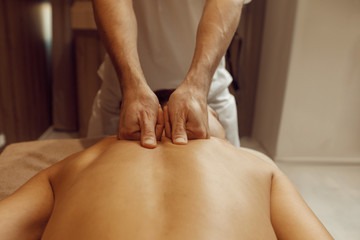 Mental health care is increasingly becoming more integrated, with providers recognizing that physical and mental health are deeply connected. Therapeutic bodywork is now widely recognized as a complementary approach that may help reduce symptoms associated with anxiety, depression, and chronic stress by supporting nervous system regulation and improving physiological balance.
At the Urban Acupuncture Center, this integrated approach focuses on how hands-on therapies can support the nervous system, muscular system, and stress response pathways to help patients feel calmer, more resilient, and better able to manage daily stressors.
Key Takeaways About Mental Health and Bodywork
- Therapeutic bodywork may help regulate the autonomic nervous system
- Physical treatments can help reduce stress hormone levels
- Treatment may support improved sleep and relaxation responses
- Modern research shows connections between fascia, the nervous system, and emotional stress
- Body-based therapies are increasingly used alongside traditional mental health care
Understanding the Connection Between Physical Tension and Mental Health
Stress and anxiety are not just psychological experiences—they also create measurable physical changes in the body. Chronic stress can lead to:
- Increased muscle tension
- Elevated cortisol levels
- Nervous system overactivation
- Poor sleep quality
- Increased inflammation
- Digestive disruption
When the body remains in a prolonged stress response, the sympathetic nervous system (fight-or-flight response) can remain overactive. Therapeutic bodywork may help activate the parasympathetic nervous system, often called the rest-and-recovery response, which supports relaxation and recovery.
How Therapeutic Bodywork Affects the Nervous System
Modern research suggests that therapeutic touch may influence neurological signaling by stimulating sensory receptors in the skin and connective tissue. These signals travel through the peripheral nervous system to the brain, where they can influence stress regulation.
Physiological responses may include:
- Reduced heart rate
- Lower blood pressure
- Decreased cortisol levels
- Increased serotonin activity
- Increased dopamine activity
- Improved vagal nerve activity
These responses are associated with improved emotional regulation and reduced stress symptoms.
The Role of Fascial Pathways in Stress and Emotional Health
Fascia is the connective tissue network that surrounds muscles, organs, nerves, and blood vessels. Research continues to show that fascia contains sensory nerve endings that communicate directly with the nervous system.
Chronic stress may contribute to fascial tension patterns that can affect:
- Posture
- Breathing patterns
- Muscle tightness
- Pain sensitivity
- Movement efficiency
Therapeutic bodywork may help improve fascial mobility, which may reduce physical tension signals being sent to the brain. This may contribute to an overall reduction in perceived stress.
How Bodywork May Help Reduce Anxiety Symptoms
Many patients report improvements in anxiety symptoms after consistent treatment. This may be related to how therapeutic touch affects nervous system regulation.
Potential benefits may include:
- Improved relaxation response
- Reduced muscle guarding
- Improved breathing patterns
- Better sleep quality
- Reduced physical stress symptoms
- Improved body awareness
These physical improvements may help reduce the intensity of anxiety symptoms when combined with appropriate medical or mental health care.
How Bodywork May Support Depression Management
Depression is often associated with both psychological and physiological symptoms including fatigue, sleep disruption, and chronic pain. Therapeutic bodywork may help address some of these physical components.
Potential supportive effects may include:
- Improved circulation
- Reduced physical pain
- Improved sleep quality
- Increased endorphin activity
- Improved mind-body awareness
These effects may help support overall treatment plans when used alongside primary mental health care.
The Importance of an Integrated Care Approach
Modern healthcare increasingly recognizes the value of integrated treatment approaches. Therapeutic bodywork is not a replacement for mental health care, but it may serve as a supportive component of a comprehensive wellness plan.
Integrated care may include:
- Primary care providers
- Mental health professionals
- Physical therapists
- Chiropractic providers
- Acupuncture providers
- Wellness practitioners
This collaborative approach reflects a growing understanding that mental health is influenced by neurological, hormonal, and musculoskeletal factors.
Who May Benefit From Therapeutic Bodywork for Mental Health Support?
Patients experiencing the following may benefit from supportive bodywork:
- Chronic stress
- Anxiety symptoms
- Mild to moderate depression symptoms
- Muscle tension related to stress
- Headaches related to tension
- Stress-related sleep issues
- Burnout symptoms
Treatment plans should always be individualized based on patient needs and medical history.
What Patients Should Know Before Starting Treatment
Patients considering therapeutic bodywork for stress or mental health support should understand:
- Results are often cumulative with consistent care
- Treatment works best as part of a comprehensive wellness plan
- Communication with providers improves outcomes
- Treatment plans should be personalized
- Expectations should focus on regulation rather than instant change
A consultation helps determine the most appropriate approach based on individual health goals.
How Modern Bodywork Supports Whole-Person Wellness
As healthcare continues to evolve toward integrative models, therapies that support nervous system regulation and physical recovery are becoming more widely accepted. Treatments that address both physical and neurological stress responses may help patients build resilience and improve overall wellbeing.
By focusing on anatomy, physiology, and measurable nervous system responses, modern therapeutic bodywork continues to gain recognition as a supportive tool in comprehensive wellness strategies.
Frequently Asked Questions
Can therapeutic bodywork help with anxiety?
Some patients report reduced stress and anxiety symptoms due to improved nervous system regulation and relaxation responses.
Can bodywork replace mental health treatment?
No. Therapeutic bodywork should be considered a complementary approach rather than a replacement for mental health care.
How often should someone receive treatment for stress support?
Frequency varies, but some patients benefit from consistent sessions during periods of high stress.
Does bodywork affect the nervous system?
Yes. Sensory stimulation from therapeutic touch may influence nervous system activity and relaxation responses.
Is therapeutic bodywork medically recognized?
Body-based therapies are increasingly included in integrative health models that combine physical and mental healthcare approaches.
Contact Urban Acupuncture Center in Columbus, OH For More Information
For more information about how acupuncture, massage therapy, electroacupuncture and other alternative healing treatments can help you, please contact the Urban Acupuncture Center Board Certified Licensed Acupuncturist’s team at Indianola Ave, Columbus, Ohio (Clintonville) (614) 725-2488 or click here. Taking new patients in and around greater Columbus, Ohio.
Voted Best of Columbus Two Years in a Row!
References
Cleveland Clinic – Benefits of Massage Therapy
https://health.clevelandclinic.org/massage-therapy-benefits
National Center for Complementary and Integrative Health – Massage Therapy for Health
https://www.nccih.nih.gov/health/massage-therapy-what-you-need-to-know
American Psychological Association – Stress Effects on the Body
https://www.apa.org/topics/stress/body
by urban-acupuncture | Mar 5, 2026 | Massage Therapy
 Massage therapy is far more than a luxury—it is a powerful, evidence-supported wellness practice that benefits the body and mind in profound ways. From easing chronic pain and muscle stiffness to reducing stress and improving mental clarity, massage therapy supports overall health by helping the body function more efficiently and recover more effectively.
At its core, massage works by addressing tension patterns, improving circulation, calming the nervous system, and enhancing the mind-body connection.
Frequently Asked Questions About Massage Therapy
Is massage therapy only for relaxation?
No. While relaxation is one benefit, massage therapy is widely used for pain management, injury recovery, mobility improvement, stress reduction, and overall physical and mental health.
Who can benefit from massage therapy?
Massage can benefit people of all ages, including athletes, office workers, individuals with chronic pain, those recovering from injury, and anyone experiencing physical or emotional stress.
How often should I get a massage?
Frequency depends on individual needs. Some people benefit from weekly sessions for pain or stress management, while others maintain wellness with monthly visits.
Does massage therapy help mental health?
Yes. Massage has been shown to reduce anxiety, improve mental awareness, support emotional balance, and promote feelings of overall well-being.
Physical Benefits of Massage Therapy
Reducing Muscle Tension, Stiffness, and Spasms
Massage therapy helps release tight muscles and reduce involuntary muscle spasms caused by overuse, stress, or injury. By improving circulation and relaxing muscle fibers, massage can significantly reduce stiffness and discomfort.
Improving Flexibility, Mobility, and Range of Motion
Through targeted manipulation of muscles and connective tissue, massage increases joint and limb flexibility. Improved range of motion allows for greater ease and efficiency of movement, which is especially beneficial for athletes, active individuals, and those recovering from injury.
Supporting Injury Recovery and Healing
Massage promotes faster healing of soft tissue injuries such as pulled muscles and sprained ligaments by:
- Improving blood flow to injured areas
- Reducing pain and swelling
- Minimizing scar tissue formation
- Supporting tissue repair and regeneration
These effects make massage a valuable complement to rehabilitation and physical therapy.
Improving Circulation and Lymphatic Flow
Massage enhances blood circulation, ensuring that oxygen and nutrients reach muscles and tissues more efficiently. It also supports lymphatic movement, which helps the body eliminate waste products and reduce inflammation and swelling.
Enhancing Skin Health and Posture
By increasing circulation and reducing tension patterns, massage improves skin nourishment and elasticity. Over time, it can also improve posture by releasing muscular imbalances that pull the body out of alignment.
Mental and Emotional Benefits of Massage Therapy
Stress Reduction and Deep Relaxation
Massage therapy is highly effective at relieving physical tension and overall stress. By calming the nervous system, massage induces a relaxation response that lowers stress hormones and promotes a sense of calm.
Reducing Anxiety and Emotional Tension
Massage helps reduce both emotional and physical stress, making it a valuable tool for managing anxiety. Many people report feeling grounded, balanced, and emotionally lighter after sessions.
Improving Breathing and Headache Relief
Relaxation of the chest, neck, and shoulder muscles promotes deeper, easier breathing. Massage also helps relieve tension-related headaches and eyestrain caused by stress, posture issues, or prolonged screen use.
Enhancing Mental Awareness and the Mind-Body Connection
Massage increases awareness of how the body holds stress and tension. This heightened mind-body connection can improve mental clarity, focus, and overall self-awareness, empowering individuals to better manage stress in daily life.
Promoting Overall Well-Being
Massage therapy supports holistic wellness by helping the body function more smoothly and efficiently. Regular sessions can:
- Reduce chronic pain and discomfort
- Improve sleep quality
- Boost mood and emotional resilience
- Promote long-term physical and mental balance
By addressing both physical and emotional needs, massage therapy plays an important role in preventive care and long-term health maintenance.
Contact Urban Acupuncture Center in Columbus, OH For More Information
For more information about how acupuncture, massage therapy, electroacupuncture and other alternative healing treatments can help you, please contact the Urban Acupuncture Center Board Certified Licensed Acupuncturist’s team at Indianola Ave, Columbus, Ohio (Clintonville) (614) 725-2488 or click here. Taking new patients in and around greater Columbus, Ohio.
Voted Best of Columbus Two Years in a Row!
References & Additional Reading
by urban-acupuncture | Mar 1, 2026 | Acupuncture Columbus, Holistic Health, Massage Therapy
 Living with chronic or recurring pain can affect every aspect of daily life—from sleep and mobility to mood and overall quality of life. At Urban Acupuncture Center in Columbus, Ohio, a holistic approach to pain management combines acupuncture, massage therapy, and Reiki to help address pain at its source while supporting the body’s natural healing processes.
Rather than masking symptoms, these complementary therapies focus on restoring balance, reducing inflammation, improving circulation, and calming the nervous system—key factors in long-term pain relief.
Frequently Asked Questions About Holistic Pain Management
Can acupuncture, massage, and Reiki really help with pain?
Yes. Numerous clinical studies show that acupuncture and massage are effective for managing chronic pain, muscle tension, headaches, joint pain, and stress-related discomfort. Reiki has also been shown to reduce pain perception and promote deep relaxation.
What types of pain respond best to these treatments?
These therapies are commonly used for back and neck pain, migraines, arthritis, sciatica, sports injuries, repetitive strain injuries, fibromyalgia, and stress-related pain conditions.
How long does it take to feel results?
Some patients experience relief after their first session, while chronic pain conditions often improve gradually over a series of treatments. Consistency is key for lasting results.
Are these therapies safe?
When provided by trained professionals, acupuncture, massage, and Reiki are considered very safe with minimal side effects. Mild soreness or temporary fatigue may occur as the body adjusts.
A Whole-Body Approach to Pain Relief
Acupuncture: Targeting Pain at Its Source
Acupuncture is a cornerstone of integrative pain management. Using ultra-thin needles placed at specific points, acupuncture helps regulate the nervous system, increase blood flow, reduce inflammation, and stimulate the release of natural pain-relieving chemicals such as endorphins.
At Urban Acupuncture Center, acupuncture is commonly used to help manage:
-
Chronic muscle and joint pain
-
Migraines and tension headaches
-
Back, neck, and shoulder pain
-
Stress-related pain and tension
This therapy supports both immediate relief and long-term pain reduction by addressing underlying imbalances rather than just symptoms.
Massage Therapy: Releasing Tension and Improving Mobility
Massage therapy plays an important role in pain management by addressing muscular tightness and restricted movement. Therapeutic massage helps:
-
Loosen tight or overworked muscles
-
Improve circulation and lymphatic flow
-
Increase range of motion
-
Reduce stress that contributes to pain flare-ups
Massage is especially beneficial when combined with acupuncture, as relaxed muscles allow acupuncture treatments to work more effectively.
Reiki: Supporting the Nervous System and Stress Response
Reiki is a gentle energy-based therapy that promotes deep relaxation and emotional balance. While Reiki does not involve physical manipulation, it can significantly impact pain by calming the nervous system and reducing stress-related tension.
For individuals whose pain is worsened by anxiety, emotional stress, or poor sleep, Reiki can be a valuable part of a comprehensive pain management plan.
Why Combine These Therapies?
Pain is rarely caused by one factor alone. Muscle tension, inflammation, stress, posture, emotional health, and nervous system regulation all play a role. By combining acupuncture, massage, and Reiki, Urban Acupuncture Center offers a multi-layered approach that supports the body physically and mentally.
Benefits of integrative pain care include:
-
More comprehensive pain relief
-
Reduced reliance on medications
-
Improved sleep and energy levels
-
Enhanced overall wellness and resilience
Pain Management at Urban Acupuncture Center in Columbus, OH
Urban Acupuncture Center is committed to providing accessible, effective, and compassionate care. Their experienced practitioners tailor each treatment plan to the individual, ensuring that pain management strategies align with personal health goals and lifestyles.
Whether you are dealing with chronic pain or looking for a natural way to manage stress-related discomfort, integrative therapies can offer meaningful relief and long-term support.
Contact Urban Acupuncture Center in Columbus, OH For More Information
For more information about how acupuncture, massage therapy, electroacupuncture and other alternative healing treatments can help you, please contact the Urban Acupuncture Center Board Certified Licensed Acupuncturist’s team at Indianola Ave, Columbus, Ohio (Clintonville) (614) 725-2488 or click here. Taking new patients in and around greater Columbus, Ohio.
Voted Best of Columbus Two Years in a Row!
References & Additional Reading
by urban-acupuncture | Feb 5, 2026 | Acupuncture Columbus
 Quality sleep is essential for physical health, emotional balance, and mental clarity. Yet millions of Americans struggle with insomnia, restless sleep, stress-related sleep disruption, and fatigue. As awareness of holistic mental health continues to rise, there is increasing interest in acupuncture as a natural solution for improving sleep, managing stress, and supporting overall mental wellness.
At Urban Acupuncture Center in Columbus, Ohio, acupuncture is used as part of an integrative approach to help calm the nervous system, regulate sleep cycles, and promote restorative rest—without relying on medication.
Frequently Asked Questions About Acupuncture and Sleep Health
Can acupuncture really help improve sleep?
Yes. Research shows acupuncture may help improve sleep quality, reduce insomnia symptoms, and support healthier sleep patterns, especially when stress or anxiety is involved.
How does acupuncture affect stress and sleep?
Acupuncture helps regulate the nervous system, promoting relaxation and reducing stress hormones that interfere with sleep.
Is acupuncture helpful for anxiety-related insomnia?
Many patients find acupuncture helpful for calming the mind, easing anxiety, and improving the ability to fall and stay asleep.
How many treatments are needed to see sleep improvements?
Some patients notice changes within a few sessions, while others benefit from consistent treatment over several weeks, depending on the severity and cause of sleep disruption.
Can acupuncture be used alongside therapy or medication?
Yes. Acupuncture is commonly used alongside conventional mental health care, counseling, and lifestyle changes.
Why Sleep Health Is a Growing Focus in Holistic Care
Modern lifestyles often involve chronic stress, screen exposure, irregular schedules, and mental overload—all of which can disrupt sleep. Poor sleep is closely linked to:
As more people seek whole-person care, acupuncture has gained recognition for its ability to address both the physical and emotional contributors to sleep problems.
How Acupuncture Supports Better Sleep and Mental Wellness
Calming the Nervous System
Acupuncture activates the parasympathetic nervous system, helping the body shift out of “fight or flight” mode and into a state of relaxation essential for sleep.
Reducing Stress and Anxiety
By regulating neurotransmitters and stress hormones, acupuncture may reduce racing thoughts, tension, and emotional overload that interfere with falling asleep.
Supporting Circadian Rhythm Balance
Acupuncture may help regulate natural sleep-wake cycles, especially for individuals with irregular schedules or chronic stress.
Improving Sleep Quality
Patients often report deeper, more restorative sleep with fewer nighttime awakenings and improved energy during the day.
Acupuncture for Common Sleep-Related Concerns
Insomnia
Acupuncture is commonly used to address difficulty falling asleep, staying asleep, or waking too early.
Stress-Related Sleep Disruption
Chronic stress can keep the nervous system overactive. Acupuncture helps down-regulate stress responses and promote calm.
Anxiety and Mental Overactivity
For individuals whose sleep issues stem from anxiety or mental fatigue, acupuncture offers a non-sedating option for relaxation.
Sleep Disturbance Associated with Pain
Pain and poor sleep often reinforce one another. Acupuncture may help reduce pain while also improving sleep quality.
What to Expect from Acupuncture for Sleep Health
At Urban Acupuncture Center, sleep-focused care typically includes:
-
A thorough discussion of sleep patterns and stress levels
-
Acupuncture points selected to promote relaxation and nervous system balance
-
Gentle, comfortable treatments in a calming environment
-
Recommendations for treatment frequency based on individual needs
Many patients describe treatments as deeply relaxing and supportive not only of sleep, but of overall mental clarity and emotional balance.
Why Choose Urban Acupuncture Center in Columbus, Ohio
Urban Acupuncture Center provides:
-
Licensed and experienced acupuncture practitioners
-
Evidence-informed, patient-centered care
-
A holistic approach to sleep, stress, and mental wellness
-
A safe, drug-free option for long-term sleep support
Our goal is to help patients achieve healthier sleep and improved well-being by addressing the root causes—not just the symptoms.
Contact Urban Acupuncture Center in Columbus, OH For More Information
For more information about how acupuncture, massage therapy, electroacupuncture and other alternative healing treatments can help you, please contact the Urban Acupuncture Center Board Certified Licensed Acupuncturist’s team at Indianola Ave, Columbus, Ohio (Clintonville) (614) 725-2488 or click here. Taking new patients in and around greater Columbus, Ohio.
Voted Best of Columbus Two Years in a Row!
References