by urban-acupuncture | Feb 1, 2026 | Acupuncture Columbus
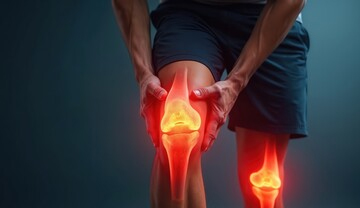 Chronic pain affects millions of Americans and is one of the leading causes of reduced quality of life. Conditions such as back pain, arthritis, and migraines often persist despite medication, physical therapy, or lifestyle changes. As concerns about long-term medication use grow, there is a strong national trend toward using acupuncture as a non-drug option for chronic pain management.
At Urban Acupuncture Center in Columbus, Ohio, acupuncture is used as a safe, evidence-informed approach to help patients manage pain, improve mobility, and regain control of daily life.
Frequently Asked Questions About Acupuncture for Chronic Pain
Does acupuncture really work for chronic pain?
Yes. Clinical research supports acupuncture as an effective treatment for several chronic pain conditions, including back pain, osteoarthritis, neck pain, and migraines.
How does acupuncture relieve pain without medication?
Acupuncture stimulates the nervous system, triggering the release of natural pain-relieving chemicals and helping regulate pain signaling pathways.
Is acupuncture safer than long-term pain medication?
For many patients, acupuncture offers pain relief without the side effects, dependency risks, or gastrointestinal issues associated with long-term medication use.
How many acupuncture sessions are needed for chronic pain?
This varies by condition and severity. Many patients begin to notice improvement after several sessions, with ongoing care providing cumulative benefits.
Can acupuncture be combined with other treatments?
Yes. Acupuncture is commonly used alongside physical therapy, medical care, and lifestyle changes as part of a comprehensive pain management plan.
Why Acupuncture Is Gaining Popularity for Pain Management
The shift toward acupuncture reflects several important factors:
-
Increased awareness of opioid and medication risks
-
Growing body of clinical research supporting acupuncture
-
Emphasis on whole-person, integrative healthcare
-
Desire for long-term pain solutions rather than symptom masking
Major medical organizations now recognize acupuncture as a legitimate treatment option for chronic pain.
How Acupuncture Helps Manage Chronic Pain
Regulating the Nervous System
Acupuncture affects both the central and peripheral nervous systems, helping reduce overactive pain signals and promoting relaxation.
Reducing Inflammation
Chronic inflammation is a common driver of ongoing pain. Acupuncture may help regulate inflammatory responses, reducing pain and stiffness over time.
Improving Circulation
By enhancing blood flow to affected areas, acupuncture supports tissue healing and helps reduce muscle tension and joint discomfort.
Encouraging the Body’s Natural Pain Relief
Acupuncture stimulates the release of endorphins and other neurotransmitters that naturally reduce pain and improve mood.
Acupuncture for Common Chronic Pain Conditions
Back and Neck Pain
One of the most common reasons patients seek acupuncture, back and neck pain often responds well to treatments focused on muscle tension, nerve irritation, and postural imbalance.
Arthritis and Joint Pain
Acupuncture may help reduce joint pain, stiffness, and inflammation associated with osteoarthritis and other degenerative conditions.
Migraines and Chronic Headaches
Acupuncture is widely used to reduce migraine frequency, intensity, and duration, as well as tension-type headaches.
Musculoskeletal Pain
Conditions such as shoulder pain, hip pain, and repetitive strain injuries often benefit from acupuncture’s effects on circulation and neuromuscular balance.
What to Expect from Acupuncture for Pain Relief
Treatment plans at Urban Acupuncture Center are individualized and may include:
-
A comprehensive health and pain history
-
Targeted acupuncture point selection
-
Gentle needling techniques tailored to comfort
-
Recommendations for frequency and duration of care
Many patients describe acupuncture sessions as deeply relaxing, with benefits extending beyond pain relief to improved sleep, energy, and stress management.
Why Choose Urban Acupuncture Center in Columbus, Ohio
At Urban Acupuncture Center, pain management care emphasizes:
-
Licensed and experienced practitioners
-
Evidence-informed acupuncture techniques
-
Personalized treatment plans
-
A safe, non-drug approach to long-term pain relief
Our goal is to help patients manage chronic pain naturally while improving overall function and quality of life.
Contact Urban Acupuncture Center in Columbus, OH For More Information
For more information about how acupuncture, massage therapy, electroacupuncture and other alternative healing treatments can help you, please contact the Urban Acupuncture Center Board Certified Licensed Acupuncturist’s team at Indianola Ave, Columbus, Ohio (Clintonville) (614) 725-2488 or click here. Taking new patients in and around greater Columbus, Ohio.
Voted Best of Columbus Two Years in a Row!
References
by urban-acupuncture | Jan 5, 2026 | Acupuncture
 Recovering from surgery can be physically and emotionally challenging. Pain, swelling, inflammation, limited mobility, and fatigue are common during the healing process. Many patients seek safe, drug-free options to complement their post-operative care—and acupuncture is increasingly recognized as a supportive therapy for post-surgery pain and recovery.
At Urban Acupuncture Center in Columbus, Ohio, acupuncture is used as part of an integrative, evidence-informed approach to help patients heal more comfortably and efficiently following surgical procedures.
Frequently Asked Questions About Acupuncture After Surgery
Can acupuncture help with post-surgical pain?
Yes. Research shows acupuncture may help reduce post-operative pain by stimulating the nervous system and encouraging the release of natural pain-relieving chemicals in the body.
Is acupuncture safe after surgery?
When performed by a licensed acupuncturist and coordinated with your medical provider’s guidelines, acupuncture is generally considered safe during recovery.
How soon after surgery can acupuncture begin?
This depends on the type of surgery and individual healing factors. Some patients begin acupuncture within days, while others wait until incisions have stabilized.
Can acupuncture reduce swelling and inflammation after surgery?
Acupuncture may help regulate circulation and reduce inflammation, which can support swelling reduction and tissue healing.
Does acupuncture help reduce the need for pain medication?
Some patients report decreased reliance on pain medications when acupuncture is used as part of a comprehensive recovery plan.
How Acupuncture Supports Post-Surgery Recovery
Pain Relief Through Nervous System Regulation
Acupuncture stimulates specific points that influence pain pathways in the brain and spinal cord. This can help:
Reducing Inflammation and Swelling
Post-surgical inflammation is part of the healing process, but excessive swelling can delay recovery. Acupuncture may help regulate inflammatory responses and improve circulation, supporting healthier tissue repair.
Improving Circulation and Tissue Healing
Healthy blood flow is essential for delivering oxygen and nutrients to healing tissues. Acupuncture may enhance local and systemic circulation, which can:
-
Support incision healing
-
Reduce stiffness
-
Promote mobility
Supporting Digestive and Immune Function
Surgery and anesthesia can temporarily disrupt digestion and immune response. Acupuncture may help:
Reducing Stress and Supporting Emotional Recovery
Post-surgical recovery often involves stress, anxiety, and sleep disturbances. Acupuncture promotes nervous system balance, helping patients:
Common Surgeries That May Benefit from Acupuncture Support
Acupuncture is commonly used after:
-
Orthopedic surgeries (knee, hip, shoulder)
-
Abdominal and pelvic surgeries
-
Cosmetic and reconstructive procedures
-
Dental and oral surgeries
-
General and minimally invasive surgeries
Each treatment plan is personalized based on surgical type, recovery stage, and individual health needs.
Why Choose Urban Acupuncture Center in Columbus, Ohio
At Urban Acupuncture Center, post-surgical care focuses on:
-
Licensed, experienced acupuncture providers
-
Individualized treatment plans
-
Collaboration with conventional medical care
-
A calm, supportive healing environment
Our goal is to help patients recover with less discomfort, improved mobility, and greater confidence during the healing process.
Contact Urban Acupuncture Center in Columbus, OH For More Information
For more information about how acupuncture, massage therapy, electroacupuncture and other alternative healing treatments can help you, please contact the Urban Acupuncture Center Board Certified Licensed Acupuncturist’s team at Indianola Ave, Columbus, Ohio (Clintonville) (614) 725-2488 or click here. Taking new patients in and around greater Columbus, Ohio.
Voted Best of Columbus Two Years in a Row!
References
by urban-acupuncture | Jan 1, 2026 | Acupuncture Columbus
 Women’s reproductive health is influenced by a complex interaction of hormones, circulation, nervous system balance, and lifestyle factors. Acupuncture has been used for centuries to support women through every stage of life—from conception and pregnancy preparation to menstrual health and menopause.
For women seeking a holistic, evidence-informed approach, acupuncture may support fertility, reduce cycle-related discomfort, and improve overall reproductive wellness. As a mobile acupuncture provider serving Columbus, Ohio, care is designed to be accessible, personalized, and grounded in both Traditional Chinese Medicine (TCM) principles and modern research.
Frequently Asked Questions About Acupuncture for Fertility and Women’s Health
Can acupuncture help with fertility or conception?
Research suggests acupuncture may support fertility by improving blood flow to reproductive organs, regulating hormones, and reducing stress—factors that influence conception.
Is acupuncture helpful during IVF or fertility treatments?
Acupuncture is commonly used alongside IVF and other assisted reproductive technologies to support ovarian response, uterine receptivity, and stress management.
Can acupuncture help with menstrual pain or irregular cycles?
Yes. Acupuncture is frequently used to reduce menstrual cramps, regulate cycles, and address hormonal imbalances associated with conditions like PCOS.
Is acupuncture safe for women experiencing menopause?
When provided by a licensed practitioner, acupuncture is considered safe and may help manage symptoms such as hot flashes, sleep disturbances, mood changes, and fatigue.
How many acupuncture sessions are typically needed?
Treatment frequency varies depending on the condition and individual goals. Many women begin with weekly sessions and adjust based on response and progress.
Acupuncture for Conception and IVF Support
Acupuncture is increasingly integrated into fertility care due to its potential to support the body during conception attempts and assisted reproductive treatments.
Potential benefits include:
-
Improved blood flow to the uterus and ovaries
-
Support for hormonal regulation
-
Nervous system calming to reduce stress and cortisol levels
-
Support for endometrial lining development
During IVF cycles, acupuncture is often timed to complement stimulation phases, embryo transfer, and post-transfer recovery to support optimal conditions for implantation.
Managing Menstrual Pain, PCOS, and Hormonal Imbalances
Menstrual Pain and Irregular Cycles
Acupuncture may help regulate the menstrual cycle by supporting hormonal balance and improving pelvic circulation. Many women report reduced cramping, improved flow, and fewer premenstrual symptoms.
Polycystic Ovary Syndrome (PCOS)
PCOS is commonly associated with irregular ovulation, hormonal imbalance, and metabolic concerns. Acupuncture may help support ovulatory function, insulin sensitivity, and cycle regularity when used as part of a comprehensive care plan.
Hormonal Regulation
By influencing the hypothalamic-pituitary-ovarian (HPO) axis, acupuncture may help support more consistent hormonal signaling, which is essential for reproductive health.
Acupuncture for Menopause and Perimenopause Support
As estrogen levels fluctuate during perimenopause and menopause, many women experience symptoms that affect quality of life. Acupuncture is commonly used to support women through this transition.
Reported benefits include:
-
Reduced hot flashes and night sweats
-
Improved sleep quality
-
Support for mood stability
-
Reduced fatigue and brain fog
Acupuncture focuses on restoring balance within the body while supporting the nervous system during hormonal shifts.
Lifestyle Tips That Complement Acupuncture for Reproductive Health
While acupuncture can be powerful on its own, outcomes are often enhanced when paired with supportive lifestyle habits, including:
-
Prioritizing consistent sleep
-
Managing stress through mindfulness or gentle movement
-
Supporting blood sugar balance with whole-food nutrition
-
Avoiding excessive caffeine and alcohol
-
Maintaining moderate physical activity
A holistic approach allows acupuncture to work synergistically with daily habits that support reproductive wellness.
Contact Urban Acupuncture Center in Columbus, OH For More Information
For more information about how acupuncture, massage therapy, electroacupuncture and other alternative healing treatments can help you, please contact the Urban Acupuncture Center Board Certified Licensed Acupuncturist’s team at Indianola Ave, Columbus, Ohio (Clintonville) (614) 725-2488 or click here. Taking new patients in and around greater Columbus, Ohio.
Voted Best of Columbus Two Years in a Row!
References
by urban-acupuncture | Dec 5, 2025 | Acupuncture
 Optimizing health, performance, and longevity through an integrative approach
In the age of biohacking, people are increasingly exploring ways to optimize their bodies, minds, and overall performance. From tracking sleep patterns to using wearable technology, modern science provides tools for self-quantification and improvement. Acupuncture, an ancient healing practice, is finding a new role in this landscape, offering a natural, evidence-supported method to enhance physical and mental wellness.
Why Acupuncture Appeals to Biohackers
Biohackers focus on enhancing energy, recovery, cognitive function, and resilience to stress. Acupuncture aligns with these goals by:
- Regulating the nervous system, helping the body respond better to stress and fatigue
- Improving circulation and cellular function, supporting recovery and energy production
- Reducing inflammation, which is often a limiting factor in performance and longevity
- Supporting sleep and mental clarity, essential for cognitive optimization
By integrating acupuncture into a data-driven wellness routine, biohackers can optimize results without relying solely on supplements or technology.
Acupuncture Meets Modern Science
Recent research has helped explain why acupuncture is effective for many conditions that interest biohackers, including:
- Chronic pain reduction through modulation of nerve signals and endorphin release
- Immune system support by enhancing lymphatic flow and balancing inflammatory responses
- Neurotransmitter regulation, which can improve focus, mood, and cognitive performance
- Hormonal balance, aiding energy, recovery, and metabolic efficiency
These mechanisms demonstrate how a traditional therapy can complement cutting-edge health strategies.
Combining Acupuncture with Biohacking Practices
Acupuncture works well alongside other biohacking approaches to create a comprehensive wellness plan:
- Sleep optimization: Acupuncture can improve sleep quality, while tracking devices monitor patterns and recovery.
- Nutrition and supplementation: Acupuncture supports digestion and metabolic function, enhancing the absorption of nutrients and supplements.
- Physical performance: Athletes or fitness enthusiasts use acupuncture for faster recovery, injury prevention, and improved endurance.
- Mind-body enhancement: Acupuncture promotes relaxation and stress management, complementing mindfulness or meditation routines.
The combination of data-driven insights and acupuncture’s restorative effects allows biohackers to fine-tune both immediate performance and long-term health.
A Forward-Thinking Approach to Wellness
Acupuncture in the context of biohacking exemplifies the best of both worlds: ancient wisdom and modern science working together. It offers a safe, natural, and effective method to optimize physical function, cognitive performance, and overall vitality.
Whether you’re a biohacker looking to enhance energy and focus, an athlete aiming to recover faster, or simply someone seeking to live a healthier, more resilient life, integrating acupuncture into your wellness routine can provide measurable benefits that support long-term health.
Contact Urban Acupuncture Center in Columbus, OH For More Information
For more information about how acupuncture, massage therapy, electroacupuncture and other alternative healing treatments can help you, please contact the Urban Acupuncture Center Board Certified Licensed Acupuncturist’s team at Indianola Ave, Columbus, Ohio (Clintonville) (614) 725-2488 or click here. Taking new patients in and around greater Columbus, Ohio.
Voted Best of Columbus Two Years in a Row!
by urban-acupuncture | Dec 1, 2025 | Acupuncture
Why this ancient practice is becoming a go-to for today’s health-conscious world
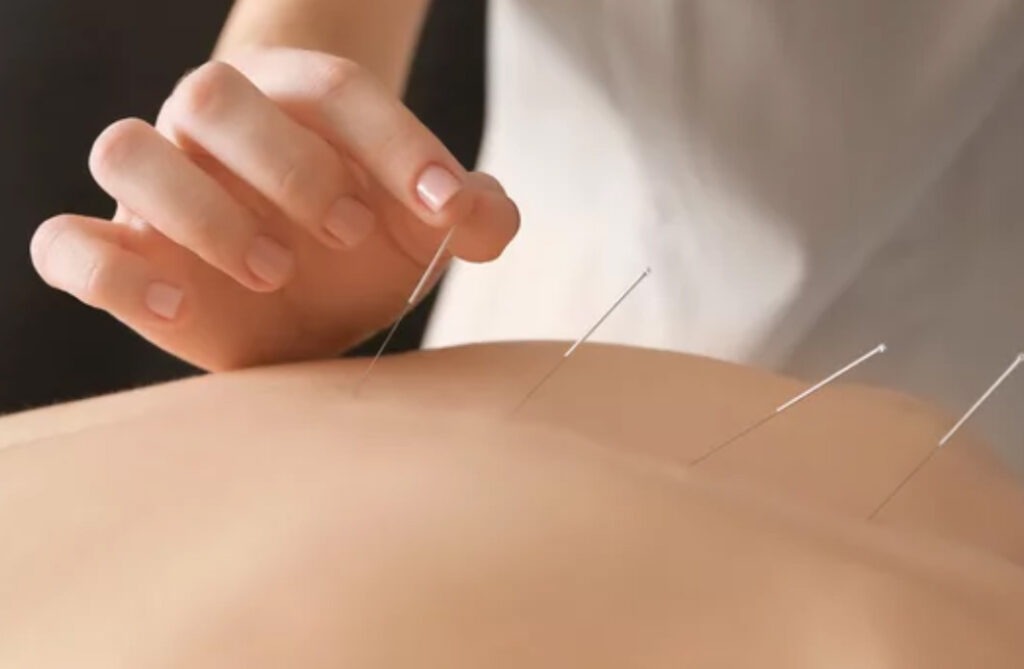 In recent years, acupuncture has moved from a niche therapy to a mainstream wellness trend embraced by athletes, professionals, and people simply seeking better balance in their lives. As more individuals look for natural, non-invasive ways to maintain health and manage stress, acupuncture is emerging as a cornerstone of modern self-care.
Why Acupuncture Fits Today’s Wellness Culture
Modern lifestyles are fast-paced and demanding, often leading to chronic stress, fatigue, and health concerns linked to overwork. People are increasingly turning away from quick fixes and looking for therapies that support long-term well-being rather than just treating symptoms. Acupuncture provides:
- Stress relief by calming the nervous system and lowering cortisol levels
- Better sleep quality, helping the body repair and recharge
- Enhanced energy and focus, supporting productivity without overstimulation
- Drug-free pain management, reducing reliance on medications
Its ability to address multiple aspects of health at once makes acupuncture an appealing choice in an era focused on preventive care and whole-body wellness.
From Boutique Spas to Workplace Wellness Programs
Acupuncture is no longer confined to specialized clinics. Today, it’s found in a variety of settings:
- Luxury spas and wellness centers offering facial acupuncture and stress-reducing treatments
- Corporate wellness programs helping employees manage stress and maintain productivity
- Fitness and recovery studios using acupuncture to speed athletic recovery and reduce injuries
This integration into everyday life reflects a shift toward lifestyle-based healthcare rather than reactive treatment.
Acupuncture as Part of a Holistic Routine
Many people now combine acupuncture with nutrition planning, mindfulness practices, and fitness regimens. This layered approach helps:
- Prevent burnout by restoring balance before problems escalate
- Support mental clarity and emotional health, not just physical wellness
- Promote graceful aging, with growing interest in cosmetic acupuncture for skin vitality
Because it’s gentle, customizable, and free of major side effects, acupuncture fits seamlessly into busy routines and long-term wellness plans.
Backed by Research and Growing Awareness
Modern studies support acupuncture’s benefits for pain relief, stress management, and improved quality of life. This scientific validation has helped remove stigma, making people more comfortable incorporating acupuncture into their healthcare choices.
A Timeless Therapy for a Modern World
While acupuncture is thousands of years old, it has found new relevance in today’s wellness culture. By addressing both physical and mental well-being, it aligns perfectly with modern priorities—preventive health, natural therapies, and whole-body balance. Whether used for stress relief, beauty, athletic recovery, or overall vitality, acupuncture continues to prove that ancient wisdom has a firm place in contemporary living.
Contact Urban Acupuncture Center in Columbus, OH For More Information
For more information about how acupuncture, massage therapy, electroacupuncture and other alternative healing treatments can help you, please contact the Urban Acupuncture Center Board Certified Licensed Acupuncturist’s team at Indianola Ave, Columbus, Ohio (Clintonville) (614) 725-2488 or click here. Taking new patients in and around greater Columbus, Ohio.
Voted Best of Columbus Two Years in a Row!