by urban-acupuncture | Oct 1, 2026 | Electroacupuncture
If you experience burning, tingling, numbness, sensitivity, or nerve pain in your feet, legs, hands, or other parts of your body, you may be looking for alternatives to medication for managing peripheral neuropathy symptoms.
Electrical stimulation is one approach that may be used to help manage certain types of neuropathic pain. However, “electrical stimulation” can refer to several different technologies and treatment approaches. Understanding the differences can help you make more informed decisions about your care.
For people in Columbus, Ohio, finding a provider who can explain the type of electrical stimulation being used, what it is intended to accomplish, and what the evidence shows is an important part of evaluating treatment options.
Key Takeaways
- Peripheral neuropathy is a condition involving damage or dysfunction of nerves outside the brain and spinal cord.
- Neuropathy can have many causes, including diabetes, certain medications, nutritional deficiencies, autoimmune conditions, infections, alcohol exposure, inherited conditions, and nerve injuries.
- Electrical stimulation may be used as part of neuropathic pain management, but different types of electrical stimulation work differently.
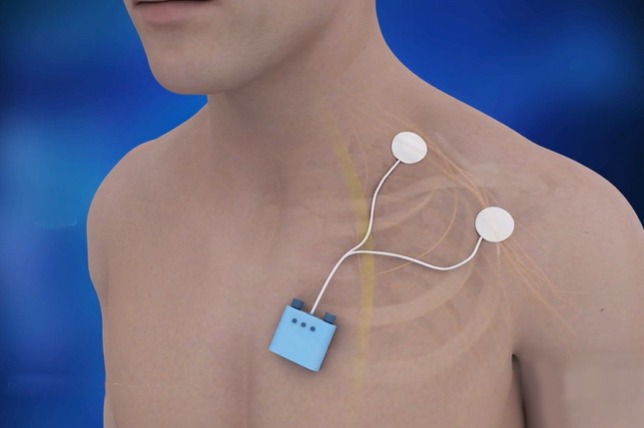
- TENS is a noninvasive form of electrical stimulation delivered through electrodes placed on the skin.
- Other approaches, including peripheral nerve stimulation and spinal cord stimulation, use different technologies and are generally more specialized.
- Electrical stimulation should not automatically be described as a cure or a way to regenerate damaged nerves.
- The underlying cause of neuropathy matters. Proper evaluation can help determine what type of treatment may be appropriate.
- If you are searching for peripheral neuropathy treatment in Columbus, Ohio, ask the provider exactly what type of electrical stimulation they use and what evidence supports that specific treatment.
What Is Peripheral Neuropathy?
 Peripheral neuropathy refers to problems involving the peripheral nervous system—the nerves that connect the brain and spinal cord with the rest of the body.
These nerves transmit sensory information, help control muscles, and regulate certain involuntary functions.
Depending on which nerves are affected, peripheral neuropathy may cause:
- Numbness
- Tingling or prickling sensations
- Burning pain
- Sharp or shooting pain
- Increased sensitivity to touch
- Muscle weakness
- Balance problems
- Changes in sensation in the feet or hands
Symptoms can vary significantly from one person to another.
Peripheral neuropathy also has many possible causes. Diabetes is a common cause, but neuropathy can also be associated with certain medications, vitamin deficiencies, autoimmune diseases, infections, alcohol exposure, inherited disorders, nerve compression, and other medical conditions.
That is why identifying the possible cause of neuropathy is an important part of treatment.
What Is Electrical Stimulation for Peripheral Neuropathy?
Electrical stimulation uses controlled electrical impulses to stimulate nerves, muscles, or pathways involved in pain signaling.
The phrase “electrical stimulation” does not describe one single treatment.
Depending on the technology, electrical stimulation may be delivered through electrodes placed on the skin or through specialized devices positioned near nerves or other structures.
Some forms are noninvasive, while others require medical procedures and implanted equipment.
The purpose may also differ. A particular treatment might be intended to help with pain, muscle activation, or other symptoms rather than to treat the underlying cause of neuropathy itself.
How Can Electrical Stimulation Help With Neuropathic Pain?
Neuropathic pain occurs when nerves or the nervous system are damaged or functioning abnormally.
Electrical stimulation is one way clinicians may attempt to influence pain signaling.
For example, transcutaneous electrical nerve stimulation (TENS) delivers low electrical pulses through electrodes placed on the skin. The National Institute of Neurological Disorders and Stroke identifies TENS as a noninvasive intervention that can be used for pain relief and notes that it may be prescribed along with other treatments for severe nerve pain.
Research into electrical stimulation for neuropathic pain is ongoing.
A 2025 systematic review and meta-analysis examining TENS for neuropathic pain found that the evidence remained inconclusive overall. This is important because it means electrical stimulation should not be presented as a guaranteed treatment for everyone with neuropathy.
What Is TENS?
TENS stands for transcutaneous electrical nerve stimulation.
“Transcutaneous” means that the stimulation is delivered through the skin.
TENS generally involves placing small electrodes on the skin and delivering mild electrical pulses through them.
TENS is:
- Noninvasive
- Delivered through the skin
- Used primarily for pain management
- Different from implanted neuromodulation procedures
- Sometimes used as part of a broader pain-management plan
Mayo Clinic lists TENS among therapies that may be used for symptoms of diabetic neuropathy, while also noting that it does not work for everyone or for every type of pain.
Does TENS Cure Peripheral Neuropathy?
No. TENS should not be described as a cure for peripheral neuropathy.
Peripheral neuropathy can result from many different underlying conditions. Treating the underlying cause, when possible, remains an important part of managing neuropathy.
Electrical stimulation may be used to address symptoms such as pain, but symptom management and treatment of the underlying nerve disorder are not necessarily the same thing.
Electrical Stimulation Is Not One-Size-Fits-All
One of the most important things to understand when researching peripheral neuropathy treatment is that different electrical stimulation technologies have different purposes.
TENS
TENS delivers electrical stimulation through electrodes placed on the skin.
It is noninvasive and is generally used for pain management.
Peripheral Nerve Stimulation
Peripheral nerve stimulation, or PNS, involves delivering electrical stimulation near a specific peripheral nerve.
This is different from simply placing electrodes on the skin. Depending on the specific technology and treatment plan, PNS may involve a procedure to position the stimulation device near the nerve.
Research into PNS for neuropathic pain continues to develop. A 2025 systematic review specifically examining peripheral percutaneous electrical nerve stimulation for neuropathies evaluated randomized clinical trials involving neuropathic pain and found evidence supporting continued investigation of this approach.
Spinal Cord Stimulation
Spinal cord stimulation is another form of neuromodulation.
It involves an implanted system that delivers electrical impulses to areas involved in pain signaling. It is a more invasive treatment and is generally considered for selected patients with persistent pain.
Mayo Clinic lists spinal cord stimulation among procedures that may help certain people with peripheral neuropathy symptoms.
These treatments should not be treated as interchangeable.
If a provider offers electrical stimulation for neuropathy, ask what specific technology is being used.
Electrical Stimulation Treatment vs. Nerve Testing
There is another important distinction that can be confusing when researching neuropathy.
Electrical stimulation can also be part of a nerve conduction study, which is a diagnostic test.
During a nerve conduction study, electrodes are placed on the skin and a small electrical current stimulates nerves while the response is measured. This helps healthcare professionals evaluate how well nerves are functioning.
That is very different from using electrical stimulation as a treatment.
In simple terms:
Nerve conduction study: Electrical stimulation is used to evaluate nerve function.
TENS: Electrical stimulation is delivered through the skin as a noninvasive pain-management treatment.
Peripheral nerve stimulation: Electrical stimulation is delivered near a peripheral nerve as a form of neuromodulation.
Spinal cord stimulation: An implanted device delivers electrical impulses to influence pain signaling.
Understanding this distinction can help you ask better questions when comparing neuropathy treatment options.
Why Does the Cause of Neuropathy Matter?
Peripheral neuropathy is not one single disease with one single cause.
For example, diabetic neuropathy is associated with diabetes, while chemotherapy-induced peripheral neuropathy can develop after certain cancer treatments. Other forms may be associated with vitamin deficiencies, autoimmune diseases, inherited disorders, infections, alcohol exposure, or nerve compression.
Treatment therefore depends on the individual.
The National Institute of Neurological Disorders and Stroke explains that treatment depends on the type and location of nerve damage and the person’s symptoms. In some cases, addressing the underlying cause may allow nerves to recover.
This is why a comprehensive approach can be important.
Managing symptoms is one part of neuropathy care. Understanding why the neuropathy developed is another.
What Are Other Peripheral Neuropathy Treatment Options?
Depending on the cause and symptoms, treatment may include:
- Treating or managing the underlying medical condition
- Managing blood glucose in people with diabetes
- Correcting certain vitamin deficiencies
- Adjusting medications when medically appropriate
- Prescription medications for neuropathic pain
- Topical treatments
- Physical therapy
- Exercise appropriate for the individual
- Foot care and injury prevention
- Neuromodulation or other procedures for selected patients
The appropriate treatment depends on the individual’s diagnosis, symptoms, medical history, and overall health.
There is no single treatment that is appropriate for every person with peripheral neuropathy.
Is Electrical Stimulation Right for You?
If you are considering electrical stimulation for neuropathy, it is reasonable to ask specific questions before beginning treatment.
Consider asking:
What type of electrical stimulation do you use?
The answer matters because TENS, peripheral nerve stimulation, spinal cord stimulation, and other forms of electrical stimulation are different treatments.
What is the goal of the treatment?
Is it intended to address pain, improve function, stimulate muscles, or accomplish something else?
What type of neuropathy is the treatment intended for?
The evidence may differ depending on the underlying cause.
What does the research show?
Ask about evidence for the specific technology and protocol—not simply electrical stimulation in general.
How will my progress be evaluated?
A responsible treatment plan should have a way to determine whether you are experiencing meaningful improvement.
Finding Peripheral Neuropathy Treatment in Columbus, Ohio
If you live in Columbus or the surrounding Central Ohio area and are researching peripheral neuropathy treatment with electrical stimulation, look for a provider who clearly explains the treatment being offered.
A trustworthy provider should be able to explain:
- What type of electrical stimulation is used
- What symptoms the treatment is intended to address
- Who may be an appropriate candidate
- What the known limitations of the treatment are
- What other treatment options may be appropriate
- When medical evaluation or referral is necessary
Be cautious of claims that promise a guaranteed cure, permanent nerve regeneration, or identical results for everyone.
Peripheral neuropathy is a complex condition, and treatment should be individualized.
Frequently Asked Questions About Electrical Stimulation for Peripheral Neuropathy
Can electrical stimulation help peripheral neuropathy?
Electrical stimulation may help manage neuropathic pain for some people, depending on the type of stimulation and the underlying condition. However, the evidence varies between treatment approaches, and electrical stimulation should not be considered a universal cure for peripheral neuropathy.
What is the best electrical stimulation for peripheral neuropathy?
There is no single electrical stimulation treatment that has been established as the best option for everyone with peripheral neuropathy. TENS, peripheral nerve stimulation, spinal cord stimulation, and other technologies have different purposes, levels of invasiveness, and evidence.
Can TENS help neuropathy in the feet?
TENS may help relieve pain in some people with neuropathy, but it does not work for everyone. Evidence regarding TENS specifically for neuropathic pain remains mixed.
Does electrical stimulation repair damaged nerves?
Electrical stimulation should not generally be marketed as a treatment that repairs all forms of damaged nerves. Some electrical stimulation techniques are used in specific nerve injuries or studied for their effects on nerve and muscle function, but the evidence depends on the type of nerve problem and the specific technology.
Is electrical stimulation safe?
The safety of electrical stimulation depends on the specific treatment, device, placement, and individual health circumstances. A qualified healthcare professional can determine whether a particular treatment is appropriate.
Is electrical stimulation the same as an EMG?
No. An EMG and nerve conduction study are diagnostic tests used to evaluate nerve and muscle function. Some of these tests use electrical stimulation to measure nerve responses. Therapeutic electrical stimulation is intended to manage symptoms or affect nerve or muscle function.
Can diabetic neuropathy be treated with electrical stimulation?
Electrical stimulation may be considered as part of symptom management for some people with diabetic neuropathy. However, managing diabetes and other underlying risk factors remains an important part of diabetic neuropathy care.
Should I see a doctor before trying electrical stimulation for neuropathy?
If you have new, unexplained, worsening, or significant numbness, tingling, burning pain, or weakness, medical evaluation is appropriate. Determining the cause of neuropathy can help guide treatment.
The Bottom Line
Electrical stimulation is a potential treatment approach for managing certain neuropathy symptoms, particularly pain, but it is not a single treatment and it is not appropriate for everyone.
TENS is a noninvasive form of electrical stimulation that may provide pain relief for some people. Other approaches, including peripheral nerve stimulation and spinal cord stimulation, use different technologies and are used in different clinical circumstances.
The most important question is not simply, “Does electrical stimulation work for neuropathy?”
A better question is:
“What type of electrical stimulation is being used, what is it designed to treat, and what does the evidence show for someone with my specific type of neuropathy?”
If you are looking for peripheral neuropathy treatment in Columbus, Ohio, a qualified provider can help you understand your symptoms, discuss appropriate treatment options, and determine whether electrical stimulation may have a role in your care.
Contact Urban Acupuncture Center in Columbus, OH For More Information
For more information about how acupuncture, massage therapy, electroacupuncture and other alternative healing treatments can help you, please contact the Urban Acupuncture Center Board Certified Licensed Acupuncturist’s team at Indianola Ave, Columbus, Ohio (Clintonville) (614) 725-2488 or click here. Taking new patients in and around greater Columbus, Ohio.
Voted Best of Columbus Two Years in a Row!
References
Medical Disclaimer
This article is provided for general educational purposes and is not a substitute for professional medical diagnosis or treatment. Peripheral neuropathy can have many causes, and treatment should be based on an individual’s diagnosis, medical history, symptoms, and healthcare needs. Speak with a qualified healthcare professional about your specific condition before beginning a new treatment.
by urban-acupuncture | Jun 1, 2026 | Electroacupuncture
 Inflammation plays an essential role in healing, but when it becomes chronic or excessive, it can contribute to conditions such as autoimmune disorders, joint pain, and chronic disease. Researchers are increasingly studying how electroacupuncture may help regulate inflammatory responses through its interaction with the nervous and immune systems.
At the Urban Acupuncture Center, this type of treatment is viewed through a modern biomedical lens—focusing on how controlled stimulation of nerves may influence immune signaling, circulation, and inflammatory pathways.
Key Takeaways About Electroacupuncture and Inflammation
- Electroacupuncture may influence immune system signaling
- Research suggests it may help regulate inflammatory responses
- Studies are examining its role in autoimmune conditions like rheumatoid arthritis
- Treatment may affect neurological pathways connected to immune function
- It is considered a complementary therapy, not a replacement for medical treatment
What Is Electroacupuncture?
Electroacupuncture is a modern variation of acupuncture where a gentle electrical current is applied between acupuncture needles. This controlled stimulation allows practitioners to target nerve pathways more consistently and may enhance physiological responses being studied in clinical research.
This stimulation may influence:
- Peripheral nerve activity
- Blood flow
- Muscle response
- Immune signaling pathways
- Neurochemical release
Researchers are particularly interested in how this stimulation affects communication between the nervous system and immune system.
Understanding Inflammation and the Immune Response
Inflammation is part of the body’s natural defense system. When functioning properly, it helps repair tissue and fight infection. However, chronic inflammation can contribute to disease when immune responses remain activated longer than necessary.
Chronic inflammation is associated with conditions such as:
- Rheumatoid arthritis
- Chronic joint pain
- Autoimmune disorders
- Chronic stress conditions
- Metabolic disorders
Modern research is examining how nervous system regulation may help reduce excessive inflammatory responses.
How Electroacupuncture May Influence Inflammation
Recent studies suggest electroacupuncture may activate what researchers sometimes call the inflammatory reflex, a neurological pathway that helps regulate immune activity.
Research has explored how electroacupuncture may:
- Influence vagus nerve activity
- Reduce pro-inflammatory cytokines
- Support anti-inflammatory signaling
- Improve circulation to affected tissues
- Support stress regulation
These findings suggest electroacupuncture may help the body regulate inflammatory responses rather than simply suppress symptoms.
Research on Rheumatoid Arthritis and Electroacupuncture
Rheumatoid arthritis is an autoimmune condition where the immune system mistakenly attacks joint tissues, causing inflammation, stiffness, and pain.
Some research suggests electroacupuncture may help support symptom management by:
- Reducing inflammatory markers
- Improving joint comfort
- Supporting mobility
- Reducing muscle guarding around affected joints
- Supporting stress reduction
Researchers believe this may be related to improved nervous system regulation and reduced inflammatory signaling.
Importantly, electroacupuncture is typically used as a supportive therapy alongside medical management rather than as a primary treatment.
The Nervous System–Immune System Connection
One of the most important developments in inflammation research is the growing understanding that the nervous system helps regulate immune responses.
The autonomic nervous system helps control:
- Inflammatory responses
- Stress hormone release
- Circulatory adjustments
- Immune cell signaling
Electroacupuncture may help stimulate neurological pathways that help regulate these responses, which may explain its growing role in integrative care models.
Potential Benefits Beyond Autoimmune Conditions
While rheumatoid arthritis is one area being studied, researchers are also exploring electroacupuncture for other inflammation-related concerns such as:
- Chronic muscle tension
- Stress-related inflammation
- Recovery from injury
- Chronic pain conditions
- Tension-related headaches
Research is ongoing, but the focus remains on understanding measurable physiological responses.
Who May Consider Electroacupuncture?
Patients interested in supportive inflammation management may include those experiencing:
- Chronic joint discomfort
- Autoimmune-related pain
- Chronic muscle tension
- Stress-related physical symptoms
- Persistent inflammatory conditions
Treatment plans should always be individualized and coordinated with appropriate medical care.
What Patients Should Know About Treatment
Patients considering electroacupuncture should understand:
- Treatment is typically part of a broader care plan
- Results often improve with consistency
- Treatment goals focus on regulation rather than symptom masking
- Communication with healthcare providers is important
- Lifestyle factors strongly influence inflammation levels
A consultation helps determine whether electroacupuncture is appropriate based on individual health history.
How Electroacupuncture Fits Into Modern Integrative Medicine
As research continues to explore connections between neurological regulation and immune function, electroacupuncture is gaining attention as a potential supportive therapy for inflammation management.
By focusing on measurable physiological mechanisms such as nervous system signaling and immune response regulation, electroacupuncture continues to gain credibility within evidence-based integrative healthcare.
Frequently Asked Questions
Can electroacupuncture reduce inflammation?
Some research suggests electroacupuncture may help regulate inflammatory responses through nervous system pathways.
Is electroacupuncture used for rheumatoid arthritis?
It may be used as a complementary therapy to help support symptom management, but it does not replace medical treatment.
How does electroacupuncture affect the immune system?
Research suggests it may influence neurological pathways that help regulate immune signaling.
Is electroacupuncture safe?
It is generally considered safe when performed by trained professionals, but patients should always discuss treatment with their healthcare provider.
How many treatments are usually needed?
Treatment frequency varies depending on symptoms and treatment goals.
Contact Urban Acupuncture Center in Columbus, OH For More Information
For more information about how acupuncture, massage therapy, electroacupuncture and other alternative healing treatments can help you, please contact the Urban Acupuncture Center Board Certified Licensed Acupuncturist’s team at Indianola Ave, Columbus, Ohio (Clintonville) (614) 725-2488 or click here. Taking new patients in and around greater Columbus, Ohio.
Voted Best of Columbus Two Years in a Row!
References
National Center for Complementary and Integrative Health – Acupuncture Research
https://www.nccih.nih.gov/research/research-results/acupuncture
National Library of Medicine – Electroacupuncture and Inflammation Research
https://www.ncbi.nlm.nih.gov/pmc/articles/PMC7332788/
Arthritis Foundation – Rheumatoid Arthritis Overview
https://www.arthritis.org/diseases/rheumatoid-arthritis
Cleveland Clinic – Inflammation Overview
https://my.clevelandclinic.org/health/symptoms/21660-inflammation
by urban-acupuncture | Feb 5, 2025 | Electroacupuncture
Electroacupuncture Improved Motor Dysfunction and Constipation
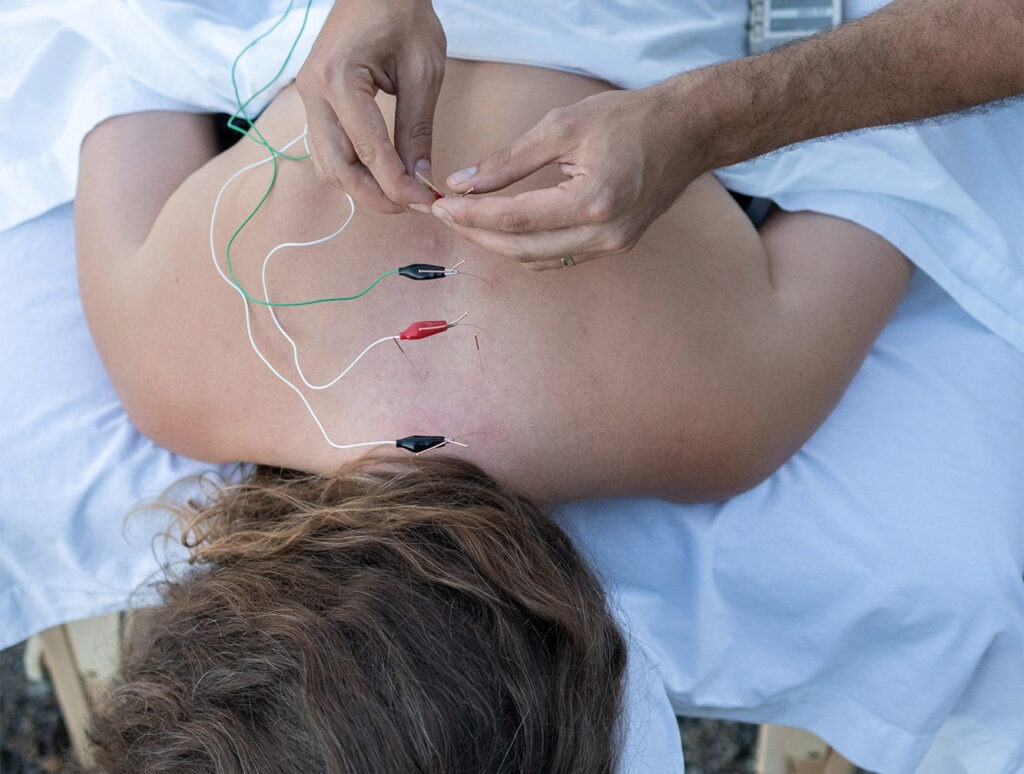 Parkinson’s disease (PD), a progressive neurodegenerative disorder, is characterized by motor dysfunctions such as tremors, rigidity, bradykinesia, and postural instability, as well as non-motor symptoms like constipation. While dopaminergic medications have been the cornerstone of PD treatment, their effectiveness tends to diminish over time, and they are often accompanied by undesirable side effects. Consequently, alternative treatments such as electroacupuncture have garnered increasing attention for their potential to alleviate symptoms, particularly in patients with motor dysfunction and constipation. A recent randomized controlled multi-centre trial provides compelling evidence on the efficacy of electroacupuncture in managing these common PD symptoms.
Study Overview
The study aimed to assess the impact of electroacupuncture on motor dysfunction and constipation in PD patients. Conducted across multiple centres, the trial randomized patients into two groups: one group received electroacupuncture treatment, while the other was given a placebo treatment. Over a period of 12 weeks, the study evaluated changes in motor function, as well as the frequency and severity of constipation symptoms.
Methods
The study involved a total of 150 participants diagnosed with PD, all of whom exhibited significant motor dysfunction and constipation. Electroacupuncture was administered by skilled practitioners, targeting specific acupoints traditionally used to enhance motor function and relieve gastrointestinal issues. The intervention consisted of 20-minute sessions, three times per week, for 12 weeks.
The primary outcomes of the trial were improvements in motor function, measured using the Unified Parkinson’s Disease Rating Scale (UPDRS), and improvements in constipation, assessed using the Cleveland Clinic Constipation Score (CCCS). Secondary outcomes included changes in quality of life and adverse events.
Results: Electroacupuncture Led to Significant Improvements in Motor Function
The results of the study demonstrated that electroacupuncture led to significant improvements in both motor function and constipation when compared to the placebo group. Specifically, patients receiving electroacupuncture showed a notable reduction in UPDRS scores, reflecting improvements in motor performance. Furthermore, these patients reported significant relief from constipation symptoms, evidenced by decreased CCCS scores.
Notably, the benefits of electroacupuncture were sustained over the 12-week treatment period, and the treatment was generally well-tolerated with minimal adverse effects. The placebo group, on the other hand, showed no significant improvements in either motor function or constipation.
Discussion
The results from this multi-centre trial add to a growing body of evidence suggesting that electroacupuncture may be an effective complementary therapy for managing both motor and non-motor symptoms of Parkinson’s disease. The mechanisms underlying these improvements are not entirely understood, but it is hypothesized that electroacupuncture may help modulate the autonomic nervous system and restore the balance of neurotransmitters involved in motor control and gastrointestinal function.
The study also underscores the potential of electroacupuncture as a safe and non-invasive treatment option for PD patients who may not respond adequately to pharmacological treatments or those who experience undesirable side effects from conventional therapies.
This randomized controlled trial provides stronger evidence supporting the use of electroacupuncture for the treatment of motor dysfunction and constipation in patients with Parkinson’s disease.
The significant improvements observed in both motor symptoms and gastrointestinal function suggest that electroacupuncture can be a valuable adjunct to conventional treatments for PD, particularly in patients seeking alternative therapies. Given its safety profile and minimal adverse effects, electroacupuncture should be further explored in larger-scale trials to better understand its long-term efficacy and potential for widespread clinical use.
For a more detailed review of the study, refer to the full article available here.
Contact Urban Acupuncture Center in Columbus, OH For More Information
For more information about how acupuncture, massage therapy, electroacupuncture and other alternative healing treatments can help you, please contact the Urban Acupuncture Center Board Certified Licensed Acupuncturist’s team at Indianola Ave, Columbus, Ohio (Clintonville) (614) 725-2488 or click here. Taking new patients in and around greater Columbus, Ohio.
by urban-acupuncture | Feb 1, 2025 | Electroacupuncture
Insomnia Treatment

Insomnia is a common sleep disorder that affects millions of people worldwide, leading to difficulties falling asleep, staying asleep, or waking up too early. Chronic insomnia can negatively impact overall health, mood, and cognitive function. While traditional treatments like medications and cognitive behavioral therapy are commonly prescribed, many people seek alternative or complementary therapies to manage their symptoms. One such treatment gaining attention is electroacupuncture. This technique combines traditional acupuncture with electrical stimulation and has shown promise in improving sleep architecture and increasing deep sleep time in individuals with insomnia. In this article, we’ll explore how electroacupuncture works and how it can help improve sleep quality for those struggling with insomnia.
What is Electroacupuncture?
Electroacupuncture is a modern variation of traditional acupuncture. It involves the use of small electrical currents applied to acupuncture needles placed at specific points along the body’s energy channels, or meridians. The electrical stimulation enhances the effects of acupuncture by promoting deeper penetration of the treatment and potentially increasing the therapeutic benefits. Unlike traditional acupuncture, which relies solely on needle insertion, electroacupuncture adds a gentle electrical current to stimulate the points more effectively.
Acupuncture itself has been used for thousands of years in traditional Chinese medicine (TCM) to balance the body’s energy, promote healing, and address various ailments. Electroacupuncture takes this ancient practice a step further by using electrical stimulation to amplify its effects, making it a powerful tool for treating modern health conditions like insomnia.
Understanding Sleep Architecture and Deep Sleep
To understand how electroacupuncture can improve sleep, it’s important to first know about sleep architecture. Sleep architecture refers to the structure of sleep cycles, including the different stages of sleep we experience throughout the night:
- Stage 1 (Light Sleep): The transition from wakefulness to sleep. It is a short, light phase where muscle activity and heart rate slow down.
- Stage 2 (Light Sleep): Deeper than stage 1, but still not considered restorative. The body temperature drops, and heart rate continues to slow.
- Stage 3 and 4 (Deep Sleep): Often referred to as slow-wave sleep (SWS), these stages are critical for physical restoration, tissue repair, immune function, and memory consolidation. Deep sleep is the most restorative phase of sleep.
- REM Sleep (Rapid Eye Movement): This stage is associated with vivid dreaming and brain activity similar to wakefulness. REM sleep plays a significant role in cognitive functions like memory, learning, and emotional regulation.
People with insomnia often experience disruptions in their sleep architecture, such as reduced deep sleep or REM sleep, and prolonged periods of light sleep. These disruptions prevent the body from fully restoring itself during sleep, leading to daytime fatigue, mood disturbances, and decreased cognitive performance.
How Electroacupuncture Can Improve Sleep Architecture
Electroacupuncture may help improve sleep architecture in people with insomnia by:
- Increasing Deep Sleep Time One of the most significant benefits of electroacupuncture for people with insomnia is its ability to increase the amount of deep sleep (stage 3 and 4). Deep sleep is vital for physical restoration and immune system functioning, and it is often lacking in people with insomnia. Research suggests that electroacupuncture can help enhance the production of slow-wave sleep, allowing for longer periods of deep sleep. This is likely due to the stimulation of specific acupuncture points that regulate the nervous system, promote relaxation, and balance sleep-wake cycles.
- Balancing the Sleep-Wake Cycle Electroacupuncture is believed to influence the hypothalamus, a part of the brain that regulates sleep, body temperature, and hormone secretion. By modulating hypothalamic activity, electroacupuncture may help restore balance to the circadian rhythm (the body’s internal clock) and promote a more consistent sleep-wake cycle. As a result, individuals may find it easier to fall asleep, stay asleep, and experience more restorative sleep throughout the night.
- Promoting Relaxation and Reducing Stress Stress is a common trigger for insomnia, and many individuals with sleep problems experience an overactive sympathetic nervous system (the fight-or-flight response). Electroacupuncture helps stimulate the parasympathetic nervous system, which is responsible for promoting relaxation and rest. The electrical stimulation of acupuncture points can help reduce cortisol levels (the stress hormone), ease muscle tension, and activate the body’s relaxation response. This leads to an improved ability to wind down and enter deeper stages of sleep.
- Increasing Melatonin Production Melatonin is a hormone that plays a crucial role in regulating sleep-wake cycles. Electroacupuncture may help enhance melatonin production by stimulating specific acupuncture points. Studies have shown that acupuncture and electroacupuncture can increase melatonin levels, potentially helping individuals with insomnia fall asleep more easily and enjoy better sleep quality. Higher melatonin levels are associated with both improved sleep onset and prolonged deep sleep.
- Improving Overall Sleep Quality In addition to increasing deep sleep, electroacupuncture may also improve overall sleep quality. This means that individuals may experience fewer awakenings during the night, more time spent in restorative sleep stages, and reduced sleep fragmentation. The cumulative effects of improved deep sleep, better sleep continuity, and reduced anxiety contribute to a more restful and rejuvenating night of sleep.
Evidence Supporting Electroacupuncture for Insomnia
Several studies have explored the effects of electroacupuncture on sleep disorders, particularly insomnia. Research has shown that electroacupuncture can significantly improve sleep quality by increasing deep sleep time, reducing sleep onset latency (the time it takes to fall asleep), and decreasing nighttime awakenings. For example, a study published in the Journal of Alternative and Complementary Medicine found that electroacupuncture was effective in improving sleep quality and duration in patients with primary insomnia. Participants reported feeling more refreshed and rested after treatment.
Another study in the Journal of Sleep Research demonstrated that electroacupuncture helped reduce the frequency of awakenings and prolonged deep sleep in patients with insomnia. These studies highlight the potential of electroacupuncture as a viable treatment for improving sleep architecture in individuals with sleep disturbances.
Is Electroacupuncture Safe for Insomnia?
Electroacupuncture is generally considered safe when performed by a trained practitioner. It is a non-invasive therapy that does not involve the use of medications, which makes it an attractive option for individuals who prefer natural treatments. However, as with any treatment, it’s important to consult with a healthcare provider before starting electroacupuncture, especially if you have underlying health conditions or are taking medication.
Electroacupuncture offers a promising approach to improving sleep quality for people with insomnia by enhancing sleep architecture, increasing deep sleep time, and promoting relaxation.
By addressing the underlying causes of sleep disturbances and restoring balance to the sleep-wake cycle, electroacupuncture provides a holistic treatment option for those seeking relief from insomnia. As a non-invasive and drug-free therapy, electroacupuncture may be an effective complementary treatment for those struggling with sleep disorders and looking for an alternative to traditional medications.
Contact Urban Acupuncture Center in Columbus, OH For More Information
For more information about how acupuncture, massage therapy, electroacupuncture and other alternative healing treatments can help you, please contact the Urban Acupuncture Center Board Certified Licensed Acupuncturist’s team at Indianola Ave, Columbus, Ohio (Clintonville) (614) 725-2488 or click here. Taking new patients in and around greater Columbus, Ohio.
by urban-acupuncture | Jan 10, 2025 | Electroacupuncture
Chemotherapy-Induced Nausea and Vomiting Treatment
 Chemotherapy is a powerful treatment for cancer, but it often comes with challenging side effects, one of the most common and distressing of which is nausea and vomiting. While medications are available to help manage these symptoms, they aren’t always effective for everyone. This has led many patients and healthcare providers to explore complementary therapies like electroacupuncture as an alternative or adjunctive treatment. Electroacupuncture, a modern version of traditional acupuncture that adds a gentle electrical current to enhance therapeutic effects, shows promise in reducing chemotherapy-induced nausea and vomiting (CINV), offering a more holistic approach to supportive cancer care.
Understanding Chemotherapy-Induced Nausea and Vomiting (CINV)
Chemotherapy drugs are powerful agents designed to kill rapidly dividing cancer cells, but in the process, they can also irritate the gastrointestinal system and stimulate the brain’s vomiting center. CINV can be divided into different types based on when symptoms appear:
- Acute nausea and vomiting occurs within 24 hours of chemotherapy.
- Delayed nausea and vomiting may occur several days after chemotherapy.
- Anticipatory nausea and vomiting happens before chemotherapy, triggered by psychological association with previous sessions.
Medications called antiemetics are often used to control CINV, but some patients still experience symptoms despite treatment, and others may seek non-drug solutions due to side effects or personal preferences. Electroacupuncture provides a promising alternative or complementary therapy to help manage these challenging symptoms.
What Is Electroacupuncture?
Electroacupuncture is a modern adaptation of traditional acupuncture, which involves inserting fine, sterile needles into specific points on the body. Electroacupuncture goes a step further by delivering a mild electrical current through the needles. The current is adjustable and can be tailored to each patient’s tolerance and therapeutic needs. This enhancement of traditional acupuncture techniques is thought to increase its effectiveness, particularly for pain management, nausea, and vomiting.
Studies show that the combination of traditional acupuncture with electrical stimulation enhances the effects on nerve pathways, endorphin release, and blood flow. For chemotherapy patients, this translates to potential relief from nausea, reduced vomiting, and overall improved comfort.
How Electroacupuncture May Help Relieve CINV
- Regulates Digestive Function: Electroacupuncture is known to stimulate the vagus nerve, which plays a key role in regulating the digestive system. By stimulating this nerve, electroacupuncture may help control nausea and reduce the frequency of vomiting. This effect can make a significant difference in helping patients maintain their appetite and hydration during chemotherapy.
- Increases Endorphin and Serotonin Release: Studies suggest that electroacupuncture can stimulate the body to release endorphins and serotonin—natural pain-relieving and mood-enhancing chemicals. This increase in serotonin is particularly important because it helps regulate the brain’s vomiting center, reducing nausea and making it easier for patients to tolerate chemotherapy.
- Balances Autonomic Nervous System: Chemotherapy often disrupts the balance of the autonomic nervous system (ANS), which controls involuntary functions like digestion and heart rate. Electroacupuncture can help restore balance to the ANS, promoting relaxation and alleviating nausea. The calming effect of electroacupuncture may also reduce anticipatory nausea, helping patients feel less anxious about their treatments.
- Reduces Inflammation: Chemotherapy can induce inflammation in the gastrointestinal tract, which may contribute to nausea. Electroacupuncture has shown anti-inflammatory effects, helping to alleviate gastrointestinal irritation and reduce the likelihood of nausea and vomiting.
- Promotes Better Sleep and Reduces Stress: Electroacupuncture’s calming effect on the nervous system can improve sleep quality and reduce stress. Since fatigue and stress can exacerbate nausea, this additional benefit can help patients feel more comfortable and better equipped to manage chemotherapy.
Electroacupuncture vs. Traditional Acupuncture for CINV
Traditional acupuncture has been widely studied and used to help manage nausea and vomiting in cancer patients. Electroacupuncture builds upon these principles, adding electrical stimulation to enhance effects, particularly in cases where nausea is difficult to control. Research suggests that electroacupuncture can be more effective in reducing nausea intensity and frequency compared to traditional acupuncture alone, especially for those experiencing persistent CINV.
A study published in Oncology found that patients who received electroacupuncture during chemotherapy reported less severe nausea and fewer episodes of vomiting than those who received traditional acupuncture alone. Another study in the Journal of Pain and Symptom Management indicated that patients who received electroacupuncture experienced faster relief and required fewer anti-nausea medications.
What to Expect During Electroacupuncture for CINV
If you’re considering electroacupuncture for chemotherapy-induced nausea, here’s what a typical session might involve:
- Consultation with a Licensed Acupuncturist: Your practitioner will discuss your health history, cancer treatment, and specific symptoms. They will assess your individual needs and choose appropriate acupuncture points for treatment.
- Application of Needles: Thin, sterile needles will be inserted into specific points, often on the wrist, forearm, and lower leg, which correspond to areas associated with nausea relief and digestive support.
- Electrical Stimulation: Once the needles are placed, the practitioner will connect a small electrical device to the needles, delivering a controlled current. The sensation is usually described as a mild tingling, which should not be painful or uncomfortable.
- Relaxation and Monitoring: The session typically lasts about 20-30 minutes. You may feel deeply relaxed during and after treatment, as electroacupuncture helps relieve stress and tension.
- Aftercare and Follow-Up: Depending on the severity of CINV, you may need several sessions over a few weeks. Many patients experience relief after the first few treatments, while others benefit from ongoing sessions to manage symptoms throughout chemotherapy.
Evidence Supporting Electroacupuncture for CINV
Several clinical studies support the effectiveness of electroacupuncture for managing CINV:
- A study published in Supportive Care in Cancer found that electroacupuncture significantly reduced nausea and vomiting in chemotherapy patients compared to traditional antiemetic medications alone. Patients reported greater comfort and better appetite after electroacupuncture sessions.
- Research from the Journal of Alternative and Complementary Medicine demonstrated that electroacupuncture at specific acupuncture points helped reduce both acute and delayed nausea, suggesting its utility throughout different stages of CINV.
- In another trial, cancer patients who received electroacupuncture reported not only reduced nausea but also improved overall quality of life, including better sleep and mood.
Safety Considerations and Potential Side Effects
Electroacupuncture is generally safe when performed by a licensed and experienced acupuncturist. However, patients with certain medical conditions, such as pacemakers or electrical implants, should consult their doctor before undergoing electroacupuncture, as the electrical currents could interfere with these devices. As with any acupuncture treatment, some people may experience minor side effects, such as mild bruising, soreness, or fatigue following the session, though these effects are typically short-lived.
Integrating Electroacupuncture into a Comprehensive Treatment Plan
Electroacupuncture can be an effective complementary therapy for chemotherapy-induced nausea and vomiting, but it’s most beneficial when integrated into a comprehensive treatment plan. Patients should continue to use prescribed anti-nausea medications as directed by their oncologist, with electroacupuncture serving as an additional supportive therapy. This approach helps maximize symptom relief while minimizing the need for additional medications.
Electroacupuncture offers a promising, non-pharmacological option for managing chemotherapy-induced nausea and vomiting.
By promoting natural pain relief, balancing the nervous system, and reducing inflammation, electroacupuncture provides cancer patients with a holistic method to cope with one of chemotherapy’s most challenging side effects. With its ability to enhance quality of life and relieve discomfort, electroacupuncture may be a valuable addition to cancer care, helping patients feel more comfortable and resilient throughout their treatment journey. As with any complementary therapy, it’s essential to consult with both your oncologist and a licensed acupuncturist to determine if electroacupuncture is right for you.
Contact Urban Acupuncture Center in Columbus, OH For More Information
For more information about how acupuncture, massage therapy, electroacupuncture and other alternative healing treatments can help you, please contact the Urban Acupuncture Center Board Certified Licensed Acupuncturist’s team at Indianola Ave, Columbus, Ohio (Clintonville) (614) 725-2488 or click here. Taking new patients in and around greater Columbus, Ohio.
by urban-acupuncture | Jan 3, 2025 | Electroacupuncture
Electroacupuncture and Carpal Tunnel Syndrome: How This Innovative Approach May Help
 Carpal Tunnel Syndrome (CTS) is a common and often painful condition caused by compression of the median nerve as it passes through the carpal tunnel in the wrist. It’s characterized by symptoms like tingling, numbness, and weakness in the hand and fingers, which can make everyday tasks challenging. Traditional treatments include wrist splints, physical therapy, and, in severe cases, surgery. However, alternative therapies like electroacupuncture have emerged as promising non-invasive options to help relieve CTS symptoms. By combining the ancient practice of acupuncture with gentle electrical stimulation, electroacupuncture may offer lasting relief for individuals suffering from CTS.
Understanding Carpal Tunnel Syndrome
Carpal Tunnel Syndrome occurs when the median nerve becomes compressed due to swelling or inflammation within the narrow passageway of the carpal tunnel. This can be caused by repetitive wrist movements, prolonged use of vibrating tools, or even certain health conditions like diabetes, arthritis, and thyroid dysfunction.
Typical symptoms of CTS include:
- Numbness and tingling in the thumb, index, middle, and ring fingers
- Weakness in the hand, leading to difficulty gripping objects
- Pain or discomfort in the wrist and forearm, especially at night
CTS can range from mild to severe, with more serious cases often requiring surgical intervention to relieve pressure on the median nerve. However, for individuals seeking a less invasive approach, electroacupuncture may provide an effective alternative.
What Is Electroacupuncture?
Electroacupuncture is a modern variation of traditional acupuncture, where thin needles are inserted into specific points on the body. Once in place, a small, controlled electrical current is applied to the needles. This current can be adjusted to varying frequencies and intensities, allowing the practitioner to target specific pain points or stimulate nerve function more effectively. The electrical stimulation enhances the effects of traditional acupuncture, encouraging the release of natural pain-relieving chemicals, improving blood circulation, and supporting the body’s natural healing processes.
In the case of Carpal Tunnel Syndrome, electroacupuncture targets points along the median nerve and surrounding areas to relieve pressure, reduce inflammation, and promote nerve health. Studies show that electroacupuncture can help with conditions that involve nerve compression and pain, making it a promising approach for people with CTS.
How Electroacupuncture May Help Relieve Carpal Tunnel Syndrome Symptoms
- Reduces Pain and Inflammation: Electroacupuncture is known to stimulate the release of endorphins, the body’s natural painkillers. This can reduce the sensation of pain in the wrist and hand. Additionally, the electrical stimulation improves blood flow to the affected area, which can help reduce inflammation and relieve pressure on the median nerve.
- Improves Nerve Function and Reduces Numbness: By targeting specific acupuncture points, electroacupuncture may help improve nerve conduction and function. The gentle electrical stimulation enhances the healing of the median nerve and helps reduce symptoms like numbness and tingling in the fingers and hand.
- Relieves Muscle Tension and Stiffness: Electroacupuncture can help relieve tension in the wrist and hand muscles that may contribute to CTS symptoms. Muscle tension around the carpal tunnel can exacerbate compression on the median nerve. By relaxing these muscles, electroacupuncture can help reduce overall pressure within the carpal tunnel.
- Reduces Swelling and Improves Circulation: The enhanced blood flow encouraged by electroacupuncture can help reduce fluid retention and swelling in the wrist area. Improved circulation also promotes faster healing of damaged tissues and relieves pressure on the nerve, helping to alleviate CTS symptoms.
- Provides Lasting Relief with Minimal Side Effects: Unlike some conventional treatments that may involve medications with side effects, electroacupuncture is a minimally invasive approach that has few risks when performed by a licensed practitioner. With regular sessions, electroacupuncture may offer longer-lasting relief than other non-invasive methods.
Electroacupuncture vs. Traditional Acupuncture for CTS
While both electroacupuncture and traditional acupuncture involve the use of fine needles inserted into specific points on the body, electroacupuncture enhances the effects of traditional acupuncture by adding electrical stimulation. Here’s why electroacupuncture may be particularly effective for Carpal Tunnel Syndrome:
- Enhanced Stimulation: The electrical current used in electroacupuncture can reach deeper into the tissues than traditional acupuncture alone, providing a more targeted approach to relieve nerve compression.
- Customizable Settings: The frequency and intensity of the electrical current can be adjusted based on the patient’s needs, allowing for a personalized treatment plan.
- Increased Nerve Activity: The electrical current helps stimulate nerve pathways more effectively, potentially leading to better results for nerve-related conditions like CTS.
Studies comparing electroacupuncture and traditional acupuncture suggest that electroacupuncture may offer quicker or more significant improvements in pain relief and nerve function for people with CTS. However, traditional acupuncture can still be effective, and the choice between the two ultimately depends on patient preference and treatment goals.
What to Expect During Electroacupuncture for Carpal Tunnel Syndrome
For those considering electroacupuncture, it’s helpful to understand what a typical session might entail:
- Consultation and Assessment: A licensed acupuncturist will first assess your condition and discuss your CTS symptoms and medical history to determine the best treatment points and frequency.
- Insertion of Needles: The practitioner will insert fine, sterile needles into specific acupuncture points around the wrist, hand, and forearm. These points are chosen based on their connection to the median nerve and the pathways that influence nerve function and circulation.
- Application of Electrical Stimulation: Once the needles are in place, the practitioner will connect a small electrical device to the needles, delivering a low electrical current. You may feel a mild tingling sensation, but it shouldn’t be painful or uncomfortable.
- Relaxation and Monitoring: You’ll relax while the needles remain in place for around 20–30 minutes. The practitioner will adjust the settings as needed to ensure the treatment is effective and comfortable.
- Follow-Up Care: Depending on the severity of your CTS, you may need multiple sessions over a few weeks. Some patients experience relief after a few treatments, while others may require ongoing sessions to maintain results.
Is Electroacupuncture Right for You?
While electroacupuncture is generally safe and well-tolerated, it’s essential to work with a licensed acupuncturist trained in electroacupuncture. This approach may not be suitable for everyone, especially individuals with pacemakers or certain other electrical implants, as the electrical stimulation could interfere with these devices. Pregnant women should also consult their healthcare provider before trying electroacupuncture.
As with any treatment, it’s crucial to talk with your doctor to determine if electroacupuncture is a good fit for your Carpal Tunnel Syndrome. Many people find that a combination of electroacupuncture, physical therapy, and lifestyle adjustments provides the best relief.
The Growing Research on Electroacupuncture for CTS
Several studies support the use of electroacupuncture for nerve-related conditions, including Carpal Tunnel Syndrome. For example, a study published in Evidence-Based Complementary and Alternative Medicine found that electroacupuncture helped improve nerve function and reduced CTS symptoms more effectively than traditional acupuncture alone. Other research has shown that electroacupuncture can help alleviate pain, numbness, and other symptoms associated with CTS, suggesting that this technique may be a valuable tool for people seeking alternative treatment options.
Electroacupuncture offers a promising, non-invasive approach for people struggling with Carpal Tunnel Syndrome.
By combining the ancient principles of acupuncture with the benefits of modern electrical stimulation, electroacupuncture may help relieve pain, reduce inflammation, and improve nerve function. This technique provides an option for people seeking alternatives to medication or surgery, and it may be particularly effective when integrated into a comprehensive treatment plan. For those interested in exploring non-invasive, holistic treatments for CTS, electroacupuncture could be a valuable addition to their care routine, promoting both physical relief and a greater sense of well-being.
Contact Urban Acupuncture Center in Columbus, OH For More Information
For more information about how acupuncture, massage therapy, electroacupuncture and other alternative healing treatments can help you, please contact the Urban Acupuncture Center Board Certified Licensed Acupuncturist’s team at Indianola Ave, Columbus, Ohio (Clintonville) (614) 725-2488 or click here. Taking new patients in and around greater Columbus, Ohio.