by urban-acupuncture | Jun 1, 2025 | Holistic Health, Treatments
Ways Herbal Medicines Affect the Immune System
 Herbal medicines can impact the immune system in cancer patients by acting as immunomodulators, which means they can enhance, restore, or modify the immune response. This is crucial in cancer treatment, as cancer often evades immune surveillance due to its low immunogenicity. Here are some ways herbal medicines affect the immune system:
Impact of Herbal Medicines on the Immune System
- Immunomodulation
Herbal medicines like Ganoderma lucidum (reishi mushroom), Sophora flavescens, and Scutellaria baicalensis have been shown to stimulate the immune system by activating macrophages, T lymphocytes, and natural killer (NK) cells. These cells play a key role in recognizing and eliminating cancer cells.
- Enhancing Innate Immunity
Herbs such as Astragalus membranaceus and Panax ginseng are known to increase white blood cell counts, which can help restore immune function in cancer patients. This is particularly important during chemotherapy, which can suppress the immune system.
- Regulation of Tumor Microenvironment (TME)
Some herbal compounds can regulate the TME by exhibiting anti-inflammatory and cytotoxic effects on tumors. This regulation helps in creating an environment unfavorable for cancer growth and progression.
- Adjuvant Effects
Herbal medicines can also enhance the sensitivity of cancer cells to chemotherapy, potentially improving treatment outcomes. For example, certain herbs may increase the effectiveness of chemotherapeutic agents by modulating immune responses.
- Safety Considerations
While herbal medicines are generally considered natural and safe, they can interact with conventional treatments or have side effects, especially in high doses or with prolonged use. It’s essential for cancer patients to consult healthcare providers before using herbal remedies.
Several herbal remedies have shown promise in cancer treatment, although they are generally used as complementary therapies rather than replacements for conventional treatments. Here are some of the most promising herbal remedies:
Promising Herbal Remedies for Cancer Treatment
- Turmeric/Curcumin
Turmeric contains curcumin, which has been shown to inhibit the growth of cancer cells and exhibit anti-inflammatory and antioxidant properties. It is used for both cancer prevention and treatment.
- Ginger
Ginger has anti-inflammatory and anti-cancer effects in lab studies. It is particularly effective in reducing chemotherapy-related nausea and vomiting.
- Astragalus
Astragalus may reduce the side effects of chemotherapy, such as nausea and fatigue, and improve quality of life for cancer patients. It is often used in combination with conventional treatments.
- Dong Quai
Traditionally used in Chinese medicine, dong quai may offer protective effects against heart damage caused by certain chemotherapy drugs. However, its safety and efficacy for cancer treatment need further research.
- Moringa Tree
Moringa has been shown to kill ovarian cancer cells in test tube studies and may help alleviate symptoms such as difficulty breathing and joint pain.
- Berberine
This compound, found in plants like goldenseal and barberry, has shown promise in fighting lung cancer in laboratory experiments.
- Essiac Tea
While not proven to cure cancer, Essiac tea contains antioxidants that may help manage symptoms and support overall health.
- Ginseng
Ginseng is believed to reduce inflammation and tumor growth and protect healthy cells from damage. It is often used to mitigate chemotherapy side effects.
- Centella Asiatica (Gotu Kola)
This herb has shown potential as an anticancer agent by inhibiting tumor cell proliferation in animal studies.
- Phyllanthus amarus
Known for its antitumor effects, this plant may inhibit carcinogenic compound activation and induce cell cycle arrest.
While these herbal remedies show promise, it’s crucial to consult with healthcare providers before using them, as they may interact with conventional treatments or have side effects.
Learn More About Herbal Therapy at UAC…
Contact Urban Acupuncture Center in Columbus, OH For More Information
For more information about how acupuncture, massage therapy, electroacupuncture and other alternative healing treatments can help you, please contact the Urban Acupuncture Center Board Certified Licensed Acupuncturist’s team at Indianola Ave, Columbus, Ohio (Clintonville) (614) 725-2488 or click here. Taking new patients in and around greater Columbus, Ohio.
by urban-acupuncture | May 21, 2025 | Holistic Health
Join Ian for a Sitting Meditation Workshop! Sunday, June 1st from 2 – 3:30 pm
 Meditation works like observer phenomenon in quantum mechanics in which the act of observing the process, changes it. If you know you are being watched, your behavior changes. Apparently this is true for people, brains, and particles! In this case, meditation allows us to observe how our mind functions in relation to the world and subsequently reprogram our habitual reactivity. Teaching the mind to settle (or focus) on one object improves our ability to choose in life.
Meditation helps calm the nervous system, improve emotional awareness and regulation, and increase neuroplasticity. Neuroplasticity is the extraordinary ability of the brain to adapt, change, and rewire itself in response to activities or experiences that stimulate it. Meditation can actually strengthen existing neural pathways, create new ones, or weaken existing ones that are no longer benefitting you.
Ian will cover the underlying concepts of how and why meditation is so impactful along with:
- Prepping the body for stretching & meditation posture
- Methods of practice &
- Practical applications
This workshop is for anyone (of any age) looking for tools to ease anxiety, calm their nervous system, improve emotional awareness & regulation, increase neuroplasticity, or just wanting to live a clearer, more intentional life. Meditation is one of myriad instruments that can guide you throughout a lifelong journey of growth and healing.
As always, please call the office if you have additional questions (614) 725-2488.
Contact Urban Acupuncture Center in Columbus, OH For More Information
For more information about how acupuncture, massage therapy, electroacupuncture and other alternative healing treatments can help you, please contact the Urban Acupuncture Center Board Certified Licensed Acupuncturist’s team at Indianola Ave, Columbus, Ohio (Clintonville) (614) 725-2488 or click here. Taking new patients in and around greater Columbus, Ohio.
by urban-acupuncture | May 5, 2025 | Acupuncture
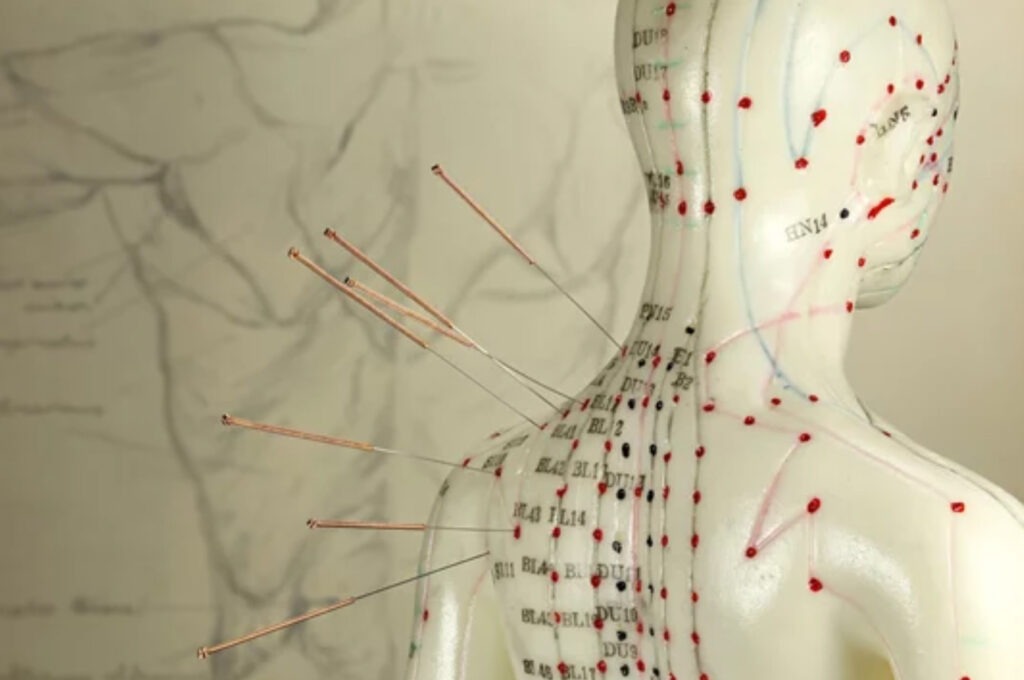 Recent developments in acupuncture include advancements in research, clinical applications, and integration into mainstream healthcare.
Here are some of the latest updates:
Research on Acupuncture Analgesia
Studies continue to explore the effectiveness of acupuncture for pain management, with a focus on chronic pain conditions such as lower back pain, neck pain, and osteoarthritis. Research highlights the potential of acupuncture as a non-pharmacological approach to pain relief, emphasizing its safety and cost-effectiveness.
Individualized Acupuncture for Chronic Pain
Recent trials have shown that individualized acupuncture can provide long-term relief for chronic neck pain, offering a promising treatment option for persistent pain conditions.
Latest Advancements in Acupuncture for Chronic Pain
-
- Evidence of Effectiveness
Acupuncture has been shown to be effective for treating chronic pain conditions such as lower back pain, neck pain, osteoarthritis, and headaches. Meta-analyses have demonstrated that acupuncture provides significant pain relief that persists over time, with benefits not fully explained by placebo effects.
- Mechanisms of Action
Research has elucidated several mechanisms by which acupuncture relieves pain, including the activation of transient receptor potential channels, suppression of microglial activity, and modulation of cytokines and inflammatory factors Additionally, acupuncture modulates brain networks involved in pain processing, affecting both sensory and cognitive aspects of pain perception.
- Integration into Pain Management
Acupuncture is increasingly recognized as a valuable adjunct or alternative to opioids for chronic pain management. Its integration into pain medicine practices and training programs continues to grow, reflecting its safety and cost-effectiveness.
- Technological and Methodological Advances
Techniques such as electroacupuncture have been explored for enhanced pain relief compared to manual stimulation. The selection of acupoints and stimulation methods can influence treatment outcomes, with personalized approaches often used to tailor treatments to individual patients.
Acupuncture in Cancer Care
Acupuncture is being studied for its role in managing chemotherapy-induced peripheral neuropathy (CIPN) and cancer-related pain. Preliminary evidence suggests it may be effective in reducing severe CIPN and improving quality of life for cancer survivors.
Latest Advancements in Acupuncture for Cancer
- Chemotherapy-Induced Peripheral Neuropathy (CIPN)
Acupuncture has shown promise in managing CIPN, a common side effect of chemotherapy. Studies have demonstrated that acupuncture can significantly reduce neuropathic symptoms and improve quality of life for cancer survivors. Ongoing research includes phase 3 trials to further assess its efficacy.
- Cancer Pain Management
Acupuncture is being explored for its role in relieving cancer-related pain. Research at institutions like Memorial Sloan Kettering Cancer Center indicates that acupuncture can help alleviate pain, one of the most feared symptoms for cancer patients.
- Prevention of CIPN
Recent studies suggest that acupuncture may prevent CIPN when administered concurrently with chemotherapy. A clinical trial found that acupuncture protected against CIPN in patients with colorectal cancer, with benefits lasting at least six months post-treatment.
- Integration into Cancer Care
Acupuncture is increasingly recognized as a safe and effective complementary therapy in cancer care. It is used to manage various symptoms, including pain, anxiety, and fatigue, improving overall quality of life for cancer patients.
- Future Research Directions
Future studies will likely focus on optimizing acupuncture protocols, exploring its mechanisms, and integrating it more fully into mainstream cancer treatment plans. The use of advanced techniques like electroacupuncture is also being investigated for enhanced benefits.
Emergency Department Applications
A clinical trial at Duke University demonstrated the feasibility and effectiveness of using acupuncture in emergency departments to treat acute musculoskeletal pain, showing an additive effect when combined with conventional pain management.
Here’s a detailed explanation of the trial and its findings:
Overview of the Trial
- Objective: The trial aimed to assess the feasibility and effectiveness of using acupuncture in emergency departments to treat acute musculoskeletal pain. It evaluated whether acupuncture could provide additional pain relief when used alongside conventional treatments.
- Design: The study was a randomized controlled trial involving 236 patients. Participants were divided into three groups:
- Battlefield Acupuncture: This involves stimulating five specific points on each ear.
- Peripheral Acupuncture: This involves stimulating various points on the arms, legs, head, and neck.
- Usual Care Alone: Patients received standard emergency department pain management without acupuncture.
- Procedure: Acupuncture sessions lasted 20-30 minutes and were performed by licensed acupuncturists in the emergency department. The treatments were administered in addition to usual care, which included medications for pain relief.
- Findings: The study found that both types of acupuncture provided significant pain relief compared to usual care alone. There was no significant difference in pain reduction between the two acupuncture methods, so both were continued throughout the study. The results showed an additive effect of acupuncture on pain relief, meaning that patients who received acupuncture experienced more pain reduction than those who did not.
- Implications: The trial highlights the potential of acupuncture as a complementary therapy in emergency settings, particularly for managing acute musculoskeletal pain. It suggests that incorporating acupuncture into emergency department protocols could enhance pain management strategies, potentially reducing reliance on opioids and improving patient outcomes.
- Future Directions: The study’s findings support further research into the use of acupuncture in emergency medicine, particularly for addressing health disparities in pain management. It emphasizes the need for more trials to confirm these results and explore the long-term benefits of acupuncture in acute pain settings.
Scientific Understanding of Acupuncture Mechanisms
Recent research has shed light on the physiological mechanisms behind acupuncture, including the disruption of C fibers and the modulation of brain networks involved in pain processing.
How acupuncture affects C fibers and modulates brain networks:
Disruption of C Fibers
- Role of C Fibers in Acupuncture
C fibers are a type of nociceptor that plays a crucial role in transmitting pain signals. Studies have shown that C fibers are activated by acupuncture, contributing to its analgesic effects. The activation of C fibers can lead to the release of neurotransmitters and hormones that help reduce pain perception.
- Mechanism of Action
The activation of C fibers by acupuncture can trigger a cascade of physiological responses. This includes the release of endorphins and other natural pain-relievers, which help to modulate pain perception at both peripheral and central levels.
- Importance of C Fiber Activation
Research indicates that blocking C fibers can diminish the therapeutic effects of acupuncture, highlighting their central role in mediating acupuncture-induced analgesia. This suggests that C fibers are key to understanding how acupuncture works to relieve pain.
Modulation of Brain Networks
- Brain Regions Involved
Acupuncture modulates brain networks involved in pain processing, including regions such as the anterior cingulate cortex (ACC), insula, and somatosensory cortex. These areas are responsible for processing pain, emotion, and sensory information.
- Neuroimaging Studies
Functional magnetic resonance imaging (fMRI) studies have shown that acupuncture can alter brain activity patterns, leading to deactivation of pain-related areas and activation of regions involved in pain modulation. This modulation helps in reducing pain perception and improving pain tolerance.
- Impact on Pain Processing
By influencing these brain networks, acupuncture can effectively reduce pain intensity and improve quality of life for individuals suffering from chronic pain conditions. The modulation of brain activity also supports the role of acupuncture in managing other symptoms associated with pain, such as anxiety and stress.
In summary, recent research has elucidated the role of C fibers in acupuncture’s analgesic effects and highlighted the complex modulation of brain networks involved in pain processing. These findings provide a scientific basis for understanding how acupuncture works and support its use as a complementary therapy for pain management.
Integration into Contemporary Medical Practice
Acupuncture has been increasingly integrated into contemporary medical practice due to its potential benefits in pain management, inflammation reduction, and overall well-being. Here’s an exploration of its mechanisms and integration:
- Cross-Disciplinary Integration
The integration of acupuncture with modern medicine is becoming more prominent, particularly in fields like neurosciences, anesthesiology, oncology, and psychiatry. This integration involves using modern medical methods to study acupuncture’s mechanisms and enhance its applications.
- Pain Management
Acupuncture is increasingly recognized as a complementary therapy for pain management, offering a non-pharmacological approach that can reduce reliance on opioids. Its integration into pain clinics and emergency departments is being explored for managing acute and chronic pain.
- Global Acceptance
While acupuncture is widely used globally, its acceptance in Western medicine is growing. Centers like the Southern California Oriental Medical Center are leading the way in integrating traditional Chinese medicine with Western practices.
- Future Directions
To further establish acupuncture’s role in modern medicine, more scientific research is needed. This includes conducting rigorous clinical trials and using advanced technologies to understand its mechanisms and optimize its applications.
Acupuncture’s integration into contemporary medical practice is supported by its potential mechanisms, including the stimulation of afferent fibers, neurotransmitter release, and anti-inflammatory effects. As research continues to elucidate these mechanisms, acupuncture is becoming more accepted as a complementary therapy in various medical disciplines.
These developments highlight the growing interest in acupuncture as a complementary therapy for various health conditions, with ongoing research aimed at understanding its mechanisms and expanding its applications in healthcare.
To learn more about how acupuncture can help you, contact us today!…
Contact Urban Acupuncture Center in Columbus, OH For More Information
For more information about how acupuncture, massage therapy, electroacupuncture and other alternative healing treatments can help you, please contact the Urban Acupuncture Center Board Certified Licensed Acupuncturist’s team at Indianola Ave, Columbus, Ohio (Clintonville) (614) 725-2488 or click here. Taking new patients in and around greater Columbus, Ohio.
by urban-acupuncture | May 1, 2025 | Holistic Health, Treatments
What is Herbal Medicine Therapy?
 Herbal medicine, also known as botanical medicine or phytomedicine, involves using plants or plant extracts like seeds, berries, roots, leaves, bark, or flowers to treat illnesses and enhance overall health. It has ancient origins and is used to prevent or cure disease, relieve symptoms, boost energy, relax, or lose weight.
- How it works Herbal medicine aims to restore the body so it can protect, regulate, and heal itself, taking a whole-body approach that considers physical, mental, and emotional well-being.
- Forms Herbal supplements are available in various forms, including tablets, capsules, powders, teas, extracts, and fresh or dried plants. They can be swallowed as pills, brewed as tea, used on the skin as gels or creams, or added to bath water.
- Regulation Herbal remedies are a type of dietary supplement but are not regulated or tested like medicines.
- Western herbal medicine Focuses on treating the whole person, considering their health history, family history, diet, and lifestyle, and commonly uses European and North American herbs.
- Traditional Chinese Medicine (TCM) Uses hundreds of medicinal substances from plants, combining different plant parts into teas, capsules, tinctures, or powders.
Common Herbs Used and Their Potential Benefits:
- Chamomile: Used as a remedy for nausea and upper respiratory infections.
- Dong quai: Used for gynecological complaints such as premenstrual tension, menopause symptoms, and period pain.
- Echinacea: Used to stimulate the immune system and aid the body in fighting infection.
- Elderberry: Primarily marketed as a treatment for symptoms associated with the flu and common cold.
- Turmeric: Contains curcumin, known for its anti-inflammatory and antioxidant properties, which may inhibit the growth of cancer cells. To increase absorption, it can be mixed with black pepper and olive oil.
- Ginger: May effectively reduce nausea (including motion sickness), vomiting, and pain associated with cancer treatments. It also exhibits anti-inflammatory and anticancer effects in lab studies.
- Garlic: Used to reduce the risk of heart disease and fight colds and respiratory infections. May reduce tumor growth and help protect healthy cells from damage caused by chemotherapy drugs. It also helps boost the immune system.
- Ginseng: Generally used to treat fatigue. May reduce inflammation and cancer tumor growth and protect healthy cells from damage.
- Essiac Tea: Contains herbs known for their immune-boosting effects and is rich in antioxidants.
- Cayenne Pepper: Contains capsaicin, a powerful antioxidant and anti-inflammatory compound that is toxic to cancer cells and helps prevent their growth.
- Ginkgo: Used to treat poor blood circulation and tinnitus. Contains ginkgolides, which possess anti-inflammatory, antioxidant, and anticancer properties.
It is important to consult with a healthcare provider before using herbal medicine, as some herbs can cause harm or interact with medications.
What Herbal Medicine Therapy Treats:
- Allergies and Asthma: Herbal medicine is used to treat allergies and asthma.
- Anxiety and Depression: Herbal medicine can help people relax and cope with anxiety and depression. St. John’s wort is known for its antidepressant effects. Valerian root is often used as a natural sleep and anti-anxiety aid.
- Cancer: Herbal medicine is one of the most used complementary and alternative therapies by people with cancer. Some herbal remedies might prevent or relieve cancer symptoms and help with treatment side effects.
- Cardiovascular Conditions: Garlic is generally used for cardiovascular conditions, including high cholesterol and triglyceride levels linked to atherosclerosis. Other herbs are used for several heart-related conditions, such as angina, atherosclerosis, heart failure, and high blood pressure.
- Chronic Fatigue: Herbal medicine is used to treat chronic fatigue.
- Colds and Flu: Echinacea is used to stimulate the immune system and aid the body in fighting infection, such as colds and flu. Elderberry is primarily marketed as a treatment for symptoms associated with the flu and common cold.
- Eczema: Herbal medicine is used to treat eczema.
- Gynaecological Complaints: Dong quai is used for gynaecological complaints such as premenstrual tension, menopause symptoms, and period pain. Feverfew’s pain-relieving properties have been used for menstrual cramps.
- Irritable Bowel Syndrome: Herbal medicine is used to treat irritable bowel syndrome.
- Migraine: Herbal medicine is used to treat migraine. The pain-relieving properties of feverfew have been used for migraine headaches.
- Nausea: Ginger has been shown to be useful in treating nausea, including motion sickness and morning sickness. Chamomile has been used as a remedy for nausea.
- Prostate Issues: Saw palmetto is used for the treatment of benign prostatic hyperplasia (BPH), a noncancerous enlargement of the prostate gland.
- Respiratory Infections: Garlic’s antibiotic and antiviral properties mean that it is also used to fight colds, sinusitis, and other respiratory infections. Chamomile has been used as a remedy for upper respiratory infections.
- Rheumatoid Arthritis and Fibromyalgia: Herbal medicine is used to treat rheumatoid arthritis and fibromyalgia.
It is best to take herbal supplements under the guidance of a trained provider. Since herbal medicines can potentially interact with prescription medications and may worsen certain medical conditions, be sure to consult with your doctor or pharmacist before taking any herbs.
Learn More about Herbal Medicine Therapy at UAC…
Contact Urban Acupuncture Center in Columbus, OH For More Information and Treatment Options
For more information about how acupuncture, massage therapy, electroacupuncture and other alternative healing treatments can help you, please contact the Urban Acupuncture Center Board Certified Licensed Acupuncturist’s team at Indianola Ave, Columbus, Ohio (Clintonville) (614) 725-2488 or click here. Taking new patients in and around greater Columbus, Ohio.
by urban-acupuncture | Apr 5, 2025 | Massage Therapy, Treatments
Deep Tissue Massage
 Deep tissue massage is a therapeutic technique that targets the deeper layers of muscles and connective tissues, providing relief from chronic pain, stress, and inflammation. This type of massage is particularly beneficial for individuals experiencing musculoskeletal issues, sports injuries, or chronic conditions like fibromyalgia and sciatica. Here are some of the key benefits of deep tissue massage:
Benefits of Deep Tissue Massage
- Relief from Chronic Muscle Tension and Pain
Deep tissue massage is effective in breaking down adhesions and knots in muscles, which are common causes of chronic pain. By targeting these areas, it helps reduce discomfort and improve mobility, especially in the back, neck, and shoulders.
- Reduction of Stress and Anxiety
This massage technique promotes relaxation by lowering cortisol levels and increasing the release of feel-good hormones like serotonin and endorphins. It helps reduce stress and anxiety, leading to improved mental clarity and mood.
- Improved Circulation and Healing
Deep tissue massage enhances blood flow, which aids in delivering oxygen and nutrients to muscles. This increased circulation helps in faster recovery from injuries and reduces inflammation, making it beneficial for athletes and individuals with musculoskeletal issues.
- Breaks Up Scar Tissue
The massage can help break up scar tissue, improving mobility and reducing pain associated with scars. This is particularly useful for individuals with injuries or surgical scars.
- Enhances Flexibility and Range of Motion
By loosening tight muscles and improving joint flexibility, deep tissue massage allows for better performance in physical activities and reduces the risk of injury.
- Better Sleep Quality
The relaxation effects of deep tissue massage can lead to improved sleep patterns, as reduced muscle tension and stress promote a restful sleep environment.
- Reduces Headaches and Migraines
Deep tissue massage can alleviate tension headaches by releasing muscle tension in the neck and shoulders, common areas associated with headache pain.
- Lowers Blood Pressure
Studies have shown that deep tissue massage can help reduce blood pressure by promoting relaxation and improving cardiovascular health.
Comparison of Deep Tissue Massage with Other Techniques
Deep Tissue Massage vs. Swedish Massage
- Pressure and Technique: Deep tissue massage uses firm pressure and targeted strokes to reach deeper muscle layers, whereas Swedish massage employs light to moderate pressure with long, flowing strokes for relaxation.
- Benefits: Deep tissue is primarily used for chronic pain relief, muscle rehabilitation, and scar tissue breakdown. Swedish massage focuses on relaxation, stress relief, and overall well-being.
- Suitability: Deep tissue is ideal for those with musculoskeletal issues, while Swedish is better suited for general relaxation and stress management.
Deep Tissue Massage vs. Sports Massage
- Focus: Deep tissue massage is generally used for chronic pain and muscle tension, while sports massage is tailored for athletes to prevent injuries, enhance performance, and aid in recovery.
- Techniques: Both use firm pressure, but sports massage often includes stretching and other techniques to improve flexibility and range of motion.
- Benefits: Deep tissue is beneficial for addressing specific muscle issues, whereas sports massage is more focused on enhancing athletic performance and recovery.
Incorporating Deep Tissue Massage into Your Wellness Routine
Incorporating deep tissue massage into your wellness routine can offer transformative benefits, from physical pain relief to mental relaxation. It’s essential to find a qualified massage therapist who can tailor the massage to your specific needs and health conditions. While deep tissue massage is generally safe, it may cause temporary soreness similar to that experienced after a workout, which usually resolves within a few days8.In summary, deep tissue massage is a powerful tool for managing chronic pain, stress, and inflammation while promoting overall well-being. Its benefits extend beyond physical relief, contributing to improved mental health and quality of life.
Contact Urban Acupuncture Center in Columbus, OH For More Information
For more information about how acupuncture, massage therapy, electroacupuncture and other alternative healing treatments can help you, please contact the Urban Acupuncture Center Board Certified Licensed Acupuncturist’s team at Indianola Ave, Columbus, Ohio (Clintonville) (614) 725-2488 or click here. Taking new patients in and around greater Columbus, Ohio.