by urban-acupuncture | May 1, 2023 | Acupuncture, Treatments
Chronic Asthma Treatment – Improve Quality Of Life
 Acupuncture has been used as a tool to help relieve pain for hundreds of years now. If you’re living with a condition like asthma, then acupuncture treatments can be invaluable in helping you find relief. Those who suffer from asthma usually take medication on a daily basis, to ensure that there isn’t any inflammation in their airways. They also use inhalers to find relief should they suffer from an asthma attack.
If you opt for acupuncture treatments, this doesn’t mean that you no longer have to take your medications. Instead, acupuncture offers complementary healing, that together with your medication, can help you live better.
How Acupuncture Helps People Suffering From Asthma
During an acupuncture session, the pressure points in the body are stimulated. Thin needles are inserted into the skin. These needles are then activated using gentle movements by the acupuncturist. Sometimes, electrical stimulation is used as well.
The essential idea at play here is that when pressure points in the body are stimulated, this can help the body heal. Acupuncture has a therapeutic effect on the body. A study that was conducted in 2015 and published in the ‘Pain and Medicine’ journal studied the pressure points in the human body, also known as acupoints. The study revealed that these pressure points could be releasing particular substances. It could also be sustaining changes in a way where the functions that specific organs have, are adjusted. This helps the body stay in a state of homeostasis. This in turn, can help alleviate the symptoms associated with asthma.
Acupuncture And Acupoints: The Connection To Asthma
It’s been seen that when pressure is applied to the acupoints on the body, this can release tension in the muscles. It can also boost blood circulation. During an acupuncture session, the pressure points in the body are stimulated using fine needles. This then stimulates the central nervous system.
When the central nervous system is stimulated, it ends up releasing chemicals. These chemicals reach the spinal cord, the brain, as well as the muscles in the body. This then kickstarts the healing abilities that are naturally present in the body.
There are specific pressure points that are known for helping to alleviate the symptoms of asthma. Some of these are located on areas like the chest, the back, near the torso’s front, and more. It’s been seen that acupuncture can help in relieving the symptoms of allergy in asthma patients. Asthma that’s specifically caused by allergens like mold, dust or pollen, is known as allergy asthma.
When people with asthma opt for acupuncture treatment, they can reduce the amount of inflammatory cytokines in their system within four weeks. During asthma, the airways are inflamed. But with acupuncture, you can help reduce this inflammation, and ease the symptoms of your asthma.
Acupuncture treatments, when used together with traditional asthma treatments, can help people living with asthma lead better lives.
Contact Urban Acupuncture Center in Columbus, OH For More Information
For more information about how acupuncture, massage therapy and other alternative healing treatments can help you, please contact the Urban Acupuncture Center Board Certified Licensed Acupuncturist’s team at Indianola Ave, Columbus, Ohio (Clintonville) (614) 725-2488 or click here. Taking new patients in and around greater Columbus, Ohio.
by urban-acupuncture | Apr 5, 2023 | Acupuncture, Treatments
Neuromuscular massage
 Deep tissue massage is a type of massage that’s focused on releasing muscle tension and improving range of motion. While there are many types of deep tissue massage, one common technique used is neuromuscular massage. This involves the use of friction to help relax your muscles. The action of applying pressure and friction to certain areas in your body can help increase blood flow. This means that more oxygen, nutrients and other molecules are being delivered to your tissues. This leads to better recovery after intense physical activity or just daily stressors like sitting at a desk all day long.
Read on to learn the different conditions that neuromuscular massage can treat:
Muscle tension
Neuromuscular massage can help in releasing muscle tension. It helps improve flexibility and range of motion, which is a good thing if you want to increase your mobility and decrease pain.
You can use it as a warm-up or to stretch out tight muscles after working out. If you’ve been sitting at your desk all day, stand up and walk around for 20 minutes before beginning your massage session. This will help loosen up those stiff muscles.
Headaches
Headaches are a common symptom of stress, poor posture and posture habits (such as hunched over desks), muscle tension in the neck region and tightness in the shoulder girdle area. Neuromuscular massage can help with this.
It works by relaxing your muscles, so they don’t become tense or contracted when stressed out. This helps you release tension from your head, shoulders and back rather than holding it on purpose. The latter will only exacerbate symptoms like dizziness or nausea when you release it too quickly.
Chronic pain
Chronic pain is often the result of inflammation. Neuromuscular massage can help reduce inflammation and, thus, chronic pain. It also reduces muscle spasms, which are painful contractions in muscles that can result from injury or illness.
Stress
Neuromuscular massage can help get rid of stress and promote relaxation by releasing tension in the muscles and fascia. During the session, the therapist will use specific techniques such as deep pressure, stretching, and trigger point therapy to target tight or knotted areas in the muscles. It stimulates the release of endorphins, which are natural pain-relieving chemicals in the body. This can help to reduce stress and promote a sense of relaxation and well-being.
Rigidity
Neuromuscular massage can help in improving flexibility and range of motion. It improves the range of motion by increasing blood flow through the muscle tissue, which helps restore its elasticity (drying out). This allows you to move through more angles than before.
Anxiety and depression
Neuromuscular massage is a non-invasive treatment that can help in reducing anxiety and depression. It helps in reducing cortisol levels, which is a hormone that causes stress. This treatment is great for relieving stress, and improving sleep quality and overall well-being.
Conclusion
Neuromuscular massage is a technique that can be used to help treat various conditions. It is an effective way to release muscle tension, manage chronic pain and promote relaxation and stress relief. The benefits of this technique are countless and it can help you in your daily life.
Contact Urban Acupuncture Center in Columbus, OH For More Information
For more information about how acupuncture, massage therapy and other alternative healing treatments can help you, please contact the Urban Acupuncture Center Board Certified Licensed Acupuncturist’s team at Indianola Ave, Columbus, Ohio (Clintonville) (614) 725-2488 or click here. Taking new patients in and around greater Columbus, Ohio.
by urban-acupuncture | Apr 1, 2023 | Acupuncture, Treatments
An insight into BMD
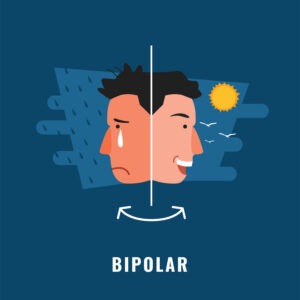 Bipolar disorder is often characterized by the sudden onset of manic and depressive episodes on a rhythmic basis. While myriad root causes are contributing to this disorder, brain chemistry plays a pivotal role. The lack of production of endorphins is one such example.
Patients struggling with this disorder often find it difficult to regain control over routine activities, owing to the sudden shift in the chemical composition of their brains. Symptoms may often present themselves in very short time frames.
While there exist avenues to bring more stability to such patients, there is no one-stop solution yet to address all aspects of this disorder. Any constructive treatment plan requires a sustainable change in lifestyle choices.
Acupuncture – Revolutionizing modern medicine
Acupuncture is evolving as a much sought-after treatment plan for a bipolar mood disorder. The principle that it functions on is to bring the body of the patient back into a state of homeostasis.
Through an analytical mapping framework, practitioners of acupuncture identify the blockages in the patient’s body. This knowledge is then deployed to stimulate such key points to and in turn, the central nervous system. It focuses on tapping into the unreleased endorphins, which help reduce depressive episodes.
At the core of this methodology, is the concept of the interaction of electrical impulses within the body. It acts as a targeting system, facilitating a relay of messages between the nervous and endocrine systems. By stimulating an excitation in the nervous system, it creates a subsequent chemical response in the endocrine pathways of the body.
The entire process culminates in the excitation of the neural framework – starting with the muscles, then the internal organs, and finally, the brain. Consistent acupuncture stabilizes the flow of regulatory energy within the body, thereby alleviating the common symptoms of bipolar mood disorder.
What do studies say?
A study conducted at the UT Southwestern Medical Center, Dallas, led by Dr. Tricia Tuppes, was undertaken to categorically examine the effect of acupuncture on the treatment of the bipolar disorder. This study served as a follow-up on a prior research study that examined a similar effect on the unipolar disorder.
As per the findings of this study, the results proved that deploying acupuncture to specifically stimulate points associated with depression over 2 months, had a better effect than generalized acupuncture treatment. Members of the former group were even able to reduce the intake of their bipolar medication.
Such studies prove that acupuncture can serve as a complementary treatment for bipolar disorder. Such results are even leading to a growing acceptance of this form of therapy in Western mainstream medicine.
By organically stimulating the circulation of bio-energy in the body, reducing muscle tension, and alleviating the sympathetic nervous system, acupuncture poses a world of new opportunities when treating disorders such as this.
While a complete shift may not be possible immediately, this treatment can help regulate extreme symptoms. Long-term consistency and proper consultation with expert practitioners of acupuncture are non-negotiable in terms of effectively managing bipolar mood disorder.
Contact Urban Acupuncture Center in Columbus, OH For More Information
For more information about how acupuncture, massage therapy and other alternative healing treatments can help you, please contact the Urban Acupuncture Center Board Certified Licensed Acupuncturist’s team at Indianola Ave, Columbus, Ohio (Clintonville) (614) 725-2488 or click here. Taking new patients in and around greater Columbus, Ohio.
by urban-acupuncture | Mar 5, 2023 | Acupuncture
Mood Disorder Treatment
 Acupuncture is effective in the treatment of several diseases affecting the body and mind. The method of acupuncture may have antecedents in early Chinese medicine, but the relevance of it, today, has scientific effects. In a holistic way, Western and Eastern medicine combine to bring balance to the body’s function in terms of the circulatory and nervous systems. Apart from this, medication may rightly be used to treat various ailments, but acupuncture can mitigate the side effects of medication. In terms of mood disorders, medication may have some relevant side effects. Acupuncture can alleviate these while simultaneously treating the crux of the problem itself.
Understanding Mood Disorders
Mood disorders broadly refer to those mental disorders that affect mood. These consist of mental health conditions like bipolar disorder and clinical depression. It is important to have a basic understanding of mood disorders to know how acupuncture can help to treat these. The common mood disorders are highlighted below:
- Major Depression
- Bipolar Disorder
- Dysthymia
- Premenstrual Syndrome or PMS
- Postpartum Depression
The Advantages of Acupuncture in Treating Mood Disorders
Acupuncture, once considered as an ancient technique to treat many physical and mental ailments, is now recognized as an effective way to manage several disorders. In fact, studies report that the technique is as effective as Prozac (a medication popular for the treatment of mood disorders). What acupuncture does, by way of the insertion of delicate needles at strategic body points, is corrects imbalances in the body. Here are some ways acupuncture helps in treating mood disorders:
- Triggering endorphin (happy hormone) release, so that mood is boosted positively
- Improves sleep patterns and the quality of sleep itself
- Places the body in a state of “rest” as well as “digest” to promote calmness
- Leads to clarity of thought when the body is restful
- Relieves digestive issues and problems related to appetite
- Gets rid of headaches and migraines
People with mood disorders are known to exhibit several symptoms of which those mentioned above are crucial ones.
Get Started with Acupuncture
Acupuncture, known to relieve and even prevent several negative symptoms related to physical and mental illness, is gaining steam as a cure. In fact, your practitioner may recommend a blend of acupuncture therapy along with traditional drug treatment for mood disorders.
Contact Urban Acupuncture Center in Columbus, OH For More Information
For more information about how acupuncture, massage therapy and other alternative healing treatments can help you, please contact the Urban Acupuncture Center Board Certified Licensed Acupuncturist’s team at Indianola Ave, Columbus, Ohio (Clintonville) (614) 725-2488 or click here. Taking new patients in and around greater Columbus, Ohio.
by urban-acupuncture | Mar 1, 2023 | Light Therapy, Massage, Treatments
The concept that specific foot, hand, and ear regions have a link with other body organs and tissues is gaining traction among medical practitioners
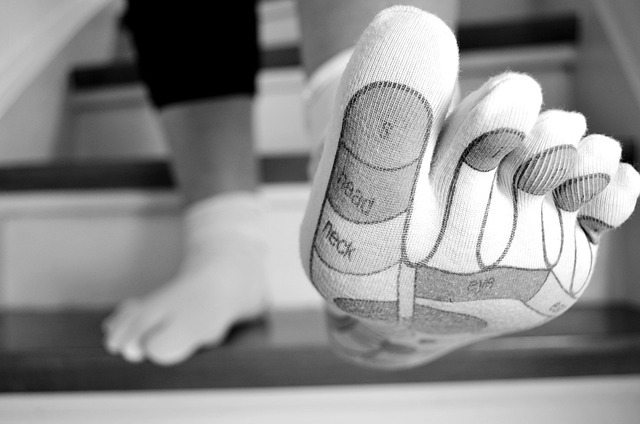 Reflexology is a massage therapy involving the application of pressure to feet, hands, and ears. The theory behind it stems from the idea of functional interconnection between the nerves of the skin and internal organs. Reflexologists believe that putting different amounts of pressure on the specific foot, hand, and ear regions can have many positive health outcomes.
Reflexology – Working Principle
British medical researchers found out in the 1890s that skin and internal organs share the same nerve pathways. They also saw that depending on external factors e.g. touch – the whole nervous system can make certain modifications.
By focusing pressure and stimulating specific nerves, a reflexologist may help soothe the nerves. This can bring about feelings of relaxation and several other health benefits. Another popular theory – the Zone Theory, states that our body has 10 vertical zones. Each zone shares a functional pathway involving an organ system and a specific finger and toe.
Potential Benefits of Reflexology
Also known as Acupressure therapy, Reflexology can have a multitude of health benefits. Some of these benefits have been replicated in research studies. Reports from many people state that it can have the following health benefits:
- Pain Relief – It could effectively treat a variety of pains and aches, including neck pain, migraines, back pain (lower and upper back), etc.
- Better Nerve Function – With the negative effects of aging, nerve endings become weaker. Reflexology can improve nerve reactivity and clear out neural pathways by stimulating them.
- Promotes Hormone Balance – By stimulating certain nerve endings, we can improve the function of brain neurons that release reward hormones like Serotonin.
- Better Blood Flow – It can also improve blood circulation, increasing the efficiency of natural healing processes and growth.
- Keep Blood Pressure in Check – It has been shown to help patients with chronic kidney ailments, hypertension, and diabetes to keep their systolic blood pressure in check.
Contact Urban Acupuncture Center in Columbus, OH For More Information
For more information about how acupuncture, massage therapy and other alternative healing treatments can help you, please contact the Urban Acupuncture Center Board Certified Licensed Acupuncturist’s team at Indianola Ave, Columbus, Ohio (Clintonville) (614) 725-2488 or click here. Taking new patients in and around greater Columbus, Ohio.