Abdominal pain, a common symptom of various digestive disorders, can significantly impact an individual’s quality of life, causing discomfort, distress, and disruption to daily activities. While conventional treatments such as medications and dietary changes can offer relief, many people are turning to alternative therapies like acupuncture to manage digestive issues effectively. In this article, we explore how acupuncture can alleviate abdominal pain and improve overall digestive health.
Understanding Abdominal Pain and Digestive Disorders
Abdominal pain can stem from a wide range of digestive disorders, including:
Gastroesophageal Reflux Disease (GERD): Characterized by heartburn and acid reflux, GERD occurs when stomach acid flows back into the esophagus, causing irritation and discomfort.
Irritable Bowel Syndrome (IBS): IBS is a chronic condition that affects the large intestine, leading to symptoms such as abdominal pain, bloating, diarrhea, and constipation.
Gastritis: Gastritis is inflammation of the stomach lining, often caused by infection, excessive alcohol consumption, or long-term use of nonsteroidal anti-inflammatory drugs (NSAIDs).
Peptic Ulcers: Peptic ulcers are open sores that develop on the lining of the stomach, small intestine, or esophagus, resulting in abdominal pain, bloating, and indigestion.
Gallstones: Gallstones are hardened deposits that form in the gallbladder, leading to sharp, intense pain in the upper abdomen.
These conditions, among others, can cause varying degrees of abdominal discomfort, ranging from mild to severe and intermittent to persistent.
How Acupuncture Works for Digestive Health
Acupuncture involves the insertion of thin needles into specific points on the body to stimulate energy flow and promote healing. Digestive disorders are often attributed to imbalances in the body’s energy, or qi, and disruptions in the flow of qi along meridians or energy channels.
Acupuncture for digestive issues focuses on restoring balance to the digestive system and addressing underlying imbalances that contribute to symptoms like abdominal pain. By targeting specific acupuncture points related to digestion, practitioners aim to:
Regulate gastrointestinal motility: Acupuncture can help regulate the contraction and relaxation of muscles in the digestive tract, promoting smoother digestion and alleviating symptoms such as bloating and discomfort.
Reduce inflammation: Studies suggest that acupuncture may have anti-inflammatory effects, which can help reduce inflammation in the gastrointestinal tract associated with conditions like gastritis and inflammatory bowel disease (IBD).
Alleviate pain: Acupuncture stimulates the release of endorphins, the body’s natural pain-relieving chemicals, which can help reduce abdominal pain and discomfort associated with digestive disorders.
Improve stress management: Stress is closely linked to digestive health, as it can exacerbate symptoms and contribute to gastrointestinal issues. Acupuncture has been shown to promote relaxation, reduce stress hormones, and improve overall emotional well-being, which can benefit digestive health.
Research on Acupuncture for Abdominal Pain
Numerous studies have investigated the efficacy of acupuncture in treating abdominal pain and digestive disorders, with promising results:
Irritable Bowel Syndrome (IBS): Research suggests that acupuncture may help alleviate symptoms of IBS, including abdominal pain, bloating, and irregular bowel habits. A systematic review and meta-analysis published in the Journal of Neurogastroenterology and Motility found that acupuncture was associated with significant improvements in IBS symptoms compared to sham acupuncture or conventional treatment.
Gastroesophageal Reflux Disease (GERD): While more research is needed, some studies suggest that acupuncture may provide relief from symptoms of GERD, such as heartburn and regurgitation. Acupuncture points targeting the stomach and esophagus may help reduce reflux episodes and improve esophageal function.
Functional Dyspepsia: Acupuncture has shown promise in alleviating symptoms of functional dyspepsia, a condition characterized by recurring or persistent upper abdominal pain, bloating, and early satiety. A study published in the Journal of Alternative and Complementary Medicine found that acupuncture was more effective than sham acupuncture in reducing dyspeptic symptoms and improving quality of life.
Acupuncture offers a holistic and non-invasive approach to managing abdominal pain and improving digestive health. By restoring balance to the body’s energy systems, regulating gastrointestinal function, and reducing inflammation and pain, acupuncture can provide relief for individuals suffering from various digestive disorders. While acupuncture can be used as a standalone treatment, it is often integrated into comprehensive treatment plans alongside conventional therapies and lifestyle modifications. If you’re experiencing abdominal pain or digestive issues, consider consulting with a qualified acupuncturist to explore how acupuncture may benefit your overall well-being and digestive health.
Contact Urban Acupuncture Center in Columbus, OH For More Information
In the realm of alternative therapies promoting holistic wellness, Structural Integration (such as Rolfing®) stands out as a profound method that addresses physical alignment, movement, and overall vitality. Developed by Dr. Ida P. Rolf in the mid-20th century, this systematic approach aims to reorganize the body’s structure, fostering balance and improved functionality. But what exactly is Structural Integration and how does it work?
The Foundation of Structural Integration
At its core, it is a form of bodywork centered on manipulating the body’s myofascial system—the interconnected network of muscles, connective tissues, and fascia—to enhance alignment and alleviate strain. Fascia, a web-like tissue surrounding muscles and organs, plays a crucial role in maintaining bodily structure. Practitioners work to release tension and reshape this tissue to bring about positive structural changes.
The Ten-Series Approach
Central to Rolfing is the Ten-Series, a systematic series of sessions designed to address specific areas of the body gradually. Each session focuses on different segments, targeting alignment, mobility, and balance. Practitioners employ hands-on techniques, applying pressure and manipulation to release tension, encourage better movement patterns, and realign the body’s structure over the ten-session course.
Goals and Benefits
Structural Integration aims to improve posture, flexibility, and overall well-being by resolving imbalances and restrictions within the body. By restoring optimal alignment, this practice seeks to alleviate chronic pain, enhance mobility, and promote greater ease and efficiency of movement. Structural Integration is not solely about addressing physical issues but often leads to emotional and psychological benefits, fostering a deeper mind-body connection and heightened self-awareness.
Structural Integration in Practice
During a session, the practitioner assesses the client’s posture, movement patterns, and areas of tension or imbalance. The practitioner then employs hands-on techniques, applying pressure and gentle manipulation to address these areas. Clients may experience a combination of sensations, from pressure and stretching to relaxation, as the body responds to the process.
Integrating Structural Integration into Wellness Practices
Structural Integration is not a quick fix; it is a process that unfolds over time, aiming for lasting changes in the body’s structure and movement patterns. Many individuals incorporate Structural Integration into their wellness routines to complement other practices such as yoga, Pilates, or physical therapy. Regular sessions can facilitate ongoing improvements in posture, mobility, and overall vitality.
Conclusion: A Holistic Path to Alignment and Well-being
Structural Integration stands as a holistic approach to achieving optimal body alignment and well-being. By addressing the body’s structural imbalances and enhancing its natural movement potential, Rolfing offers individuals an opportunity to experience improved physical comfort, greater flexibility, and an enhanced sense of overall vitality and well-being. Whether seeking relief from chronic pain or aiming for enhanced physical performance, Structural Integration presents a pathway to align the body, restoring balance, and fostering a deeper connection between body and mind.
Contact Urban Acupuncture Center in Columbus, OH For More Information
Structural Integration (SI), renowned for its holistic approach to body alignment and well-being, offers a myriad of benefits for diverse individuals seeking improved physical alignment, enhanced mobility, and overall wellness. Who might find SI beneficial? Let’s delve into the various groups and individuals who can reap the rewards of this transformative practice.
Athletes and Fitness Enthusiasts
For athletes and fitness aficionados, optimizing physical performance and preventing injuries are paramount. Structural Integration offers a means to address imbalances, enhance flexibility, and improve movement patterns. By realigning the body’s structure and releasing tension, Rolfing can support athletes in achieving greater efficiency, mobility, and resilience, thereby aiding in injury prevention and enhancing overall athletic performance.
Individuals with Chronic Pain or Discomfort
Those struggling with chronic pain or discomfort stemming from conditions like back pain, repetitive strain injuries, or postural imbalances often find relief through Structural Integration By releasing tension and realigning the body, SI aims to alleviate chronic pain, offering individuals a pathway to reduce discomfort and enhance their quality of life.
Individuals Seeking Improved Posture and Alignment
What posture are you?
In today’s sedentary lifestyle, many individuals experience postural issues due to prolonged sitting or poor ergonomic habits. Structural Integration sessions, particularly the Ten-Series, focus on restoring optimal alignment, correcting postural imbalances, and fostering a more balanced and upright posture.
Individuals Recovering from Injuries or Surgery
Those in the recovery phase post-injury or surgery can benefit from Structural Integration as part of their rehabilitation process. By addressing scar tissue, releasing tension, and enhancing mobility, Structural Integration can support the body’s natural healing process, aiding in restoring range of motion and functional movement.
Stress Management and Emotional Well-being Seekers
Beyond its physical benefits, Structural Integration can contribute to emotional well-being and stress reduction. The release of physical tension during Structural Integration sessions often leads to a profound sense of relaxation, reducing stress and promoting emotional balance. Many individuals report feeling more centered and grounded after SI sessions, fostering a deeper mind-body connection.
Anyone Interested in Holistic Wellness and Self-Discovery
Individuals seeking a holistic approach to wellness and self-discovery can benefit from Structural Integration. This practice goes beyond physical alignment, often leading to heightened self-awareness, improved body consciousness, and a deeper understanding of one’s movement patterns and habits.
Conclusion: Embracing Rolfing as a Path to Holistic Well-being
Structural Integration offers a holistic approach to enhancing physical alignment, mobility, and overall well-being. Whether you’re an athlete aiming to improve performance, someone seeking relief from chronic pain, or simply pursuing a more balanced and aligned body, SI offers a transformative path towards holistic wellness and self-discovery. By addressing the unique needs of various individuals, Structural Integration stands as a valuable tool on the journey toward optimal health and vitality.
Contact Urban Acupuncture Center in Columbus, OH For More Information
Sleep is the cornerstone of our well-being, yet for many, achieving a restful night remains elusive. Enter Reiki, an ancient healing technique that’s gaining recognition for its potential to significantly improve sleep quality. In a world where stress and restlessness often hinder peaceful slumber, Reiki emerges as a promising avenue for enhancing sleep and overall wellness.
What is Reiki, you may ask? Rooted in Japanese tradition, Reiki revolves around the concept of energy healing. Practitioners channel healing energy through their hands, promoting balance and harmony within the body. By restoring the flow of vital energy, known as “ki” or “qi,” Reiki aims to alleviate physical, emotional, and spiritual imbalances, fostering a profound sense of relaxation and well-being.
The transformative effects of Reiki on sleep are multifaceted. Here’s how this gentle yet powerful practice can positively impact your nightly rest:
Stress Reduction and Relaxation
Stress often acts as a primary culprit behind sleep disturbances. Reiki serves as a potent stress-relieving tool, promoting relaxation by calming the mind and soothing the nervous system. Through gentle touch or even from a distance, Reiki facilitates a deep sense of tranquility, unwinding the tension accumulated throughout the day.
Balancing Energy Flow
Imbalances in our body’s energy flow can disrupt sleep patterns. Reiki sessions work to restore this equilibrium, clearing energy blockages that might contribute to restlessness. By realigning the body’s energy centers, Reiki enables a smoother flow of vital life force energy, fostering a sense of inner harmony conducive to restful sleep.
Emotional Healing and Calmness
Emotional turmoil often manifests as sleep disturbances. Reiki’s holistic approach not only addresses physical ailments but also tackles emotional distress. By addressing emotional imbalances and promoting a sense of calmness, Reiki helps alleviate anxiety, depression, and other emotional burdens that may interfere with peaceful sleep.
Enhancing Mindfulness and Awareness
Reiki encourages mindfulness and self-awareness, crucial components for establishing healthy sleep habits. Through regular sessions, individuals often develop a deeper connection with their bodies, recognizing signals of fatigue and relaxation cues that aid in falling asleep more easily.
Embracing Reiki as a means to enhance sleep quality is increasingly popular, complementing conventional sleep therapies and practices. While its efficacy varies from person to person, many individuals report significant improvements in sleep patterns after engaging in Reiki sessions.
Incorporating Reiki into your bedtime routine might involve seeking sessions from certified Reiki practitioners, practicing self-Reiki techniques, or exploring guided meditations that incorporate Reiki principles.
As we navigate the complexities of modern life, prioritizing restorative practices like Reiki becomes imperative for achieving optimal sleep and holistic well-being. By harnessing the gentle yet profound healing energies of Reiki, a good night’s sleep may no longer remain an elusive dream but a restorative reality.
Contact Urban Acupuncture Center in Columbus, OH For More Information
Reiki is a Japanese healing technique that focuses on channeling energy to promote relaxation, reduce stress, and enhance overall well-being. The word “Reiki” translates to “universal life energy” or “spiritually guided life force energy.” Developed by Mikao Usui in the early 20th century, Reiki is based on the belief that a practitioner can transfer healing energy through their palms to the recipient by laying hands on or just above the body.
The practice involves a gentle, non-invasive approach where the practitioner acts as a conduit for the flow of energy, aiming to balance the recipient’s energy fields and facilitate the body’s natural healing abilities. Reiki is often used as a complementary therapy alongside conventional medicine to promote relaxation, reduce pain, and alleviate emotional distress. It’s commonly performed with the recipient lying down fully clothed on a massage table or sitting in a comfortable position.
During a Reiki session, practitioners place their hands on specific parts of the body or hold them slightly above, focusing on areas where energy flow might be blocked or disrupted. The recipient might experience sensations of warmth, tingling, or relaxation during the session, though experiences can vary widely.
Reiki is not associated with any specific religion or belief system, making it accessible and adaptable across different cultural and spiritual backgrounds. Its primary goal is to encourage relaxation, enhance energy levels, and promote holistic well-being, encompassing physical, emotional, mental, and spiritual aspects of health.
Ways Reiki Can Help You Reduce Stress
Reiki is often sought after as a means to alleviate stress. In this article, I’ll approach this topic differently by highlighting various ways in which Reiki aids individuals daily in managing stress. Reiki’s multidimensional approach targets stress from multiple angles simultaneously, compounding its positive effects.
Here are seven ways we have seen Reiki help individuals manage stress, with each point exerting its influence in conjunction with others rather than in isolation.
Inducing Deep Relaxation
Reiki typically induces profound relaxation. It effectively balances the body and mind, shifting individuals from a heightened state of stress to a more relaxed state. Physical changes often accompany a Reiki session, such as the release of tension, evident through a shift from stress breathing to relaxed diaphragmatic breathing, and the easing of shoulder or jaw tension.
Cultivating Internal Calmness
Reiki fosters an enduring internal calmness. This sense of calmness usually lasts hours or even days after the initial treatment, progressively becoming the norm with subsequent sessions. Clients often report increased stress tolerance and reduced sensitivity to previously overwhelming stressors.
Restoring Internal Balance
Reiki aims to balance internal disruptions, dissipating chronic tension or stress within the body. By addressing energetic imbalances, it clears blockages, promoting overall well-being. Emotional stress stored energetically within the body finds release through Reiki, leading to a powerful positive impact.
Cultivating Inner Peace
Reiki propels individuals toward greater inner peace. It brings about mood improvements, increased patience, and a reduction in worries, fostering a more serene disposition.
Enhancing Sleep Quality
Reiki contributes to improved sleep quality. Many find their sleep significantly enhanced after Reiki sessions, reducing an essential stress factor on the body.
Clarity and Resolving Conflict
Deeper Reiki treatments often evoke enhanced clarity in thought and intuitive awareness. This clarity assists in identifying root causes of internal stress, resolving conflicts, and guiding individuals toward a more fulfilling life path.
Encouraging Personal Growth
Moreover, Reiki can foster personal growth by expanding self-awareness and fostering emotional release, leading to inner harmony and resilience.
Contact Urban Acupuncture Center in Columbus, OH For More Information

 Abdominal pain, a common symptom of various digestive disorders, can significantly impact an individual’s quality of life, causing discomfort, distress, and disruption to daily activities. While conventional treatments such as medications and dietary changes can offer relief, many people are turning to alternative therapies like acupuncture to manage digestive issues effectively. In this article, we explore how acupuncture can alleviate abdominal pain and improve overall digestive health.
 Structural Integration (SI), renowned for its holistic approach to body alignment and well-being, offers a myriad of benefits for diverse individuals seeking improved physical alignment, enhanced mobility, and overall wellness. Who might find SI beneficial? Let’s delve into the various groups and individuals who can reap the rewards of this transformative practice.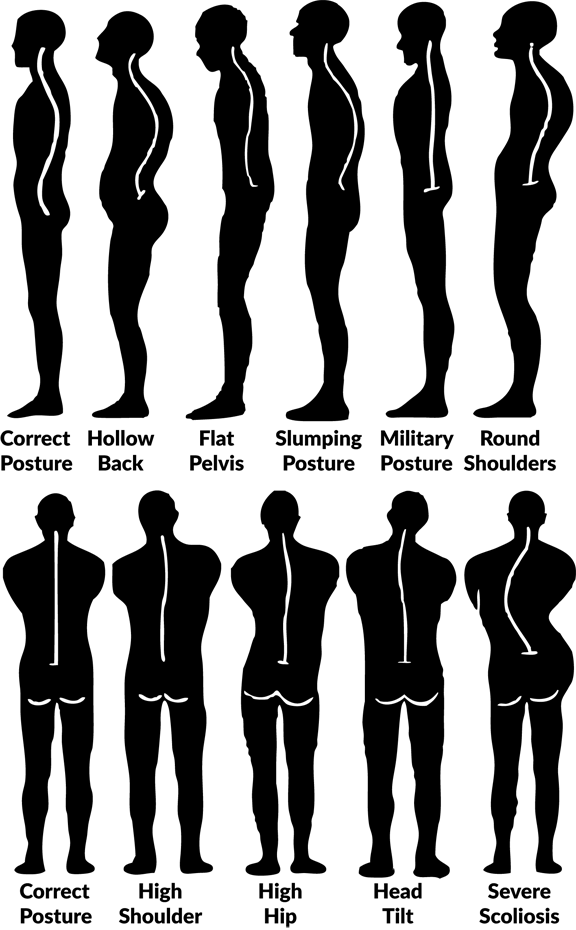
 Sleep is the cornerstone of our well-being, yet for many, achieving a restful night remains elusive. Enter Reiki, an ancient healing technique that’s gaining recognition for its potential to significantly improve sleep quality. In a world where stress and restlessness often hinder peaceful slumber, Reiki emerges as a promising avenue for enhancing sleep and overall wellness.
 The practice involves a gentle, non-invasive approach where the practitioner acts as a conduit for the flow of energy, aiming to balance the recipient’s energy fields and facilitate the body’s natural healing abilities. Reiki is often used as a complementary therapy alongside conventional medicine to promote relaxation, reduce pain, and alleviate emotional distress. It’s commonly performed with the recipient lying down fully clothed on a massage table or sitting in a comfortable position.