by urban-acupuncture | Jun 15, 2019 | Acupuncture Columbus
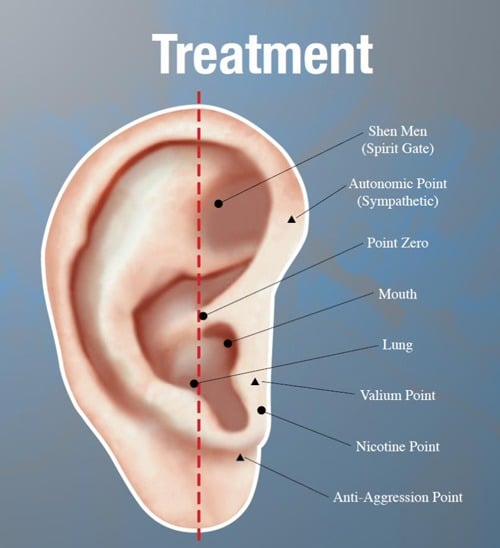 If you are trying to quit smoking, acupuncture is a natural way to help you curb your craving for nicotine. Acupuncture, along with Chinese herbs and hypnotherapy, may not be as well-known as nicotine patches or gum. But they all can offer relief, especially in the acute phase of withdrawal when you’re wrestling with fatigue, irritability and gnawing cravings.
Some people try acupuncture because they cannot tolerate the drugs used for tobacco cessation.. Unlike prescription medications, acupuncture has no side effects. In fact, it is very common to notice side benefits like improvements in sleep or mood. Others use acupuncture as part of an overall strategy to quit.
How Does Acupuncture Help You Quit Smoking?
Acupuncture involves the insertion of very fine needles into certain points on the body. These needles stimulate the flow of qi (chee) energy throughout the body, helping to regulate the body’s natural systems. Many people are afraid of needles but acupuncture needles are extremely thin–usually the thickness of a strand of hair–and the insertion is barely noticed. The needles are inserted very superficially in the skin and retained in the body while the patient rests. Acupuncture works by helping to regulate the body’s natural energy flow, to reduce the cravings of nicotine withdrawal, to calm the mind and ease anxieties, and to strengthen and benefit the lungs and clear phlegm, tar and nicotine residue out of the lungs.
Often people smoke to deal with stuck energy in the body that shows itself as feelings of anxiety, tension, anger or grief. Smoking a cigarette draws warm air deeply into the lungs and the nicotine hits our blood stream, then works its way into our brain allowing us to momentarily feel relaxation and release from these emotions. Acupuncture helps by regulating this stuck energy and moving it along in the same way that deep breaths or a few moments of quiet meditation will do.
One of the most powerful benefits of an acupuncture session is the way it calms your mind and eases anxiety. People often smoke to mask feelings they don’t wish to feel or face. Acupuncture helps to safely move these feelings out of the body. People comment that they have more restful sleep, fall asleep easier and sleep longer after acupuncture.
For more information about how acupuncture and other treatments can help you, please contact the Urban Acupuncture Center Board Certified Licensed Acupuncturist’s team at Indianola Ave, Clintonville (614) 725-2488 | Main St, Westerville (614) 426-4406 or click here. Taking new patients in and around greater Columbus, Ohio.
by urban-acupuncture | Jun 12, 2019 | Acupuncture Columbus
 About The Artist
Joanne Stichweh retired as a professor Emerita in the Otterbein University Department of Art in 2009. She taught art history and studio art courses including drawing, painting, and ceramics for thirty years. A graduate of Otterbein, she received her MFA from The Ohio State University. As a professional artist, Ms. Stichweh has been a frequent local and regional exhibitor
whose work has received many awards. Her paintings are included in numerous public, private, and corporate collections
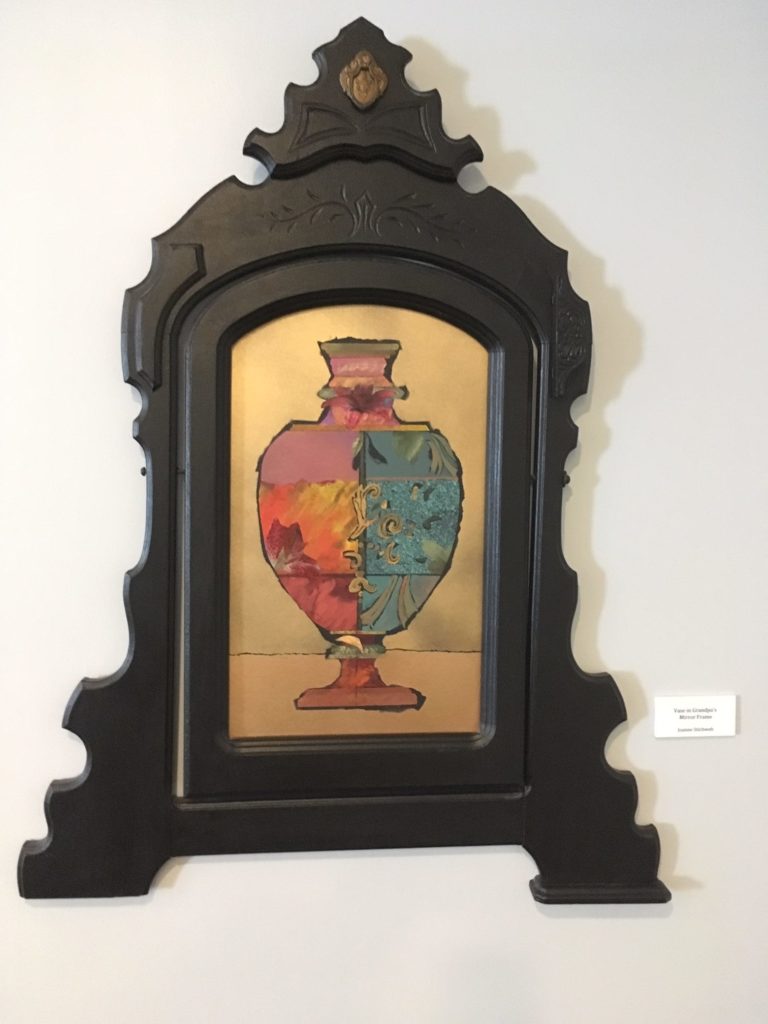
The work in this exhibition are selections from a span of forty years of paintings, from 1979 to 2009. In a sense, the Urban Acupuncture show is a small scale retrospective, a compilation showing the development of the artist over a period of time
I find that the most meaningful method of artistic production involves working in series form – investigating theme and variation. Each individual painting shown here was part of a larger group of work, usually 10 to 20 works exploring a particular subject or theme. As an art historian and a contemporary painter, I am particularly interested in producing images which synthesize works from throughout the history of art, juxtaposing motifs derived from art historical sources both ancient and modern.
Various media employed include oil and acrylic paint, commercial house paint, metallic and textured spray paint, and oil stick. Sources for the cut paper collage elements consist of images from books of antique botanical prints, reproductions from medieval herbals, art journals, calendars, wallpaper books, and seed catalogues.
My cut-paper collage-paintings are process oriented; there is concern for gestural, spontaneous, energetic mark making contrasting with hard-edged shapes. Complex patterns and exploration of color – exuberant and intense color as well as subtle, nuanced color – characterize my paintings. Always, I am concerned with creating formally strong compositions.
by urban-acupuncture | Jun 1, 2019 | Acupuncture Columbus
Menstrual Pain Treatment
 Studies show that the intensity and duration of period pain can be reduced by up to 50 percent by administering acupuncture. Acupuncture is a way to resolve menstrual pain and other reproductive health-related issues naturally, without the unwanted side effects that often come with other forms of treatment.
How does acupuncture work to ease menstrual pain?
Acupuncture works for reproductive health in four ways:
- Promotes optimal blood flow to and through the reproductive organs
- Reduces chronic inflammation – acupuncture stimulates the vagus nerve and causes a rise in dopamine (a neurotransmitter linked to pleasure). In turn, this reduces inflammation.
- Improves hormone balance
- Reduces stress by releasing endorphins — a naturally-produced chemical that plays a large role in relieving pain, stress, and depression.
Causes of Menstrual Pain
Menstrual cramps are pains in a woman’s lower abdomen that occur when her menstrual period begins (or just before) and may continue for two to three days. They may be throbbing or aching and can be dull or sharp. Symptoms can range in severity from a mild annoyance to severe pain that interferes with normal activities.
Prostaglandins are chemicals a woman’s body produces that cause many of the symptoms associated with menstrual discomfort. The tissue that lines the uterus makes these chemicals. Prostaglandins stimulate the uterine muscles to contract. Women who have high levels of prostaglandin may experience more intense contractions of their uterus and more pain. Prostaglandins may also be responsible for vomiting, diarrhea, and headaches that accompany painful periods.
Symptoms of Menstrual Pain
In addition to cramps in the lower abdomen, a woman may also experience some of these symptoms with menstrual cramps:
- Lower back pain
- Leg pain, radiating down the legs
- Nausea
- Vomiting
- Diarrhea
- Headaches
- Irritability
- Weakness
- Fainting spells (in extreme cases)
For more information about how acupuncture and other treatments can help you, please contact the Urban Acupuncture Center Board Certified Licensed Acupuncturist’s team at Indianola Ave, Clintonville (614) 725-2488 | Main St, Westerville (614) 426-4406 or click here. Taking new patients in and around greater Columbus, Ohio.
by urban-acupuncture | May 20, 2019 | Acupuncture Columbus
Acupuncture Can Help Increase Circulation
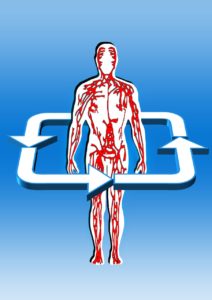 Acupuncture helps improve the circulatory system by stimulating energy pathways in the body and can enhance peripheral blood flow. This healing treatment began thousands of years ago in China and is still used in modern medicine.
Acupuncture practitioners insert needles in various parts of the body to stimulate nerve fibers. According to the University of Maryland Medical Center, the action causes the release of hormones to the brain that may increase pain threshold, helping patients who suffer from back or neck pain and migraine headaches.
Massage Also Helps Circulation
Not only is massage a great way to relax but the pushing, kneading, and pulling all help increase circulation. As the massage therapist presses down she moves blood in a congested area and when she releases pressure new blood flows in to replenish this. By squeezing and kneading a muscle the massage therapist helps release lactic acid and improves the circulation of lymph.
Symptoms of poor circulation
The most common symptoms of poor circulation include:
- tingling
- numbness
- throbbing or stinging pain in your limbs
- pain
- muscle cramps
Each condition that might lead to poor circulation can also cause unique symptoms. For example, people with peripheral artery disease may have erectile dysfunction along with typical pain, numbness, and tingling.
Causes of poor circulation
There are several different causes of poor circulation.
Peripheral artery disease
Peripheral vascular disease (PVD) is a slow and progressive circulation disorder. Narrowing, blockage, or spasms in a blood vessel can cause PVD.
PVD may affect any blood vessel outside of the heart including the arteries, veins, or lymphatic vessels. Organs supplied by these vessels, such as the brain, and legs, may not get enough blood flow for proper function. However, the legs and feet are most commonly affected.
Peripheral vascular disease is also called peripheral arterial disease.
Over time, reduced blood flow in your extremities can cause:
- numbness
- tingling
- nerve damag
- tissue damage
If left untreated, reduced blood flow and plaque in your carotid arteries may result in a stroke. Your carotid arteries are the major blood vessels that deliver blood to your brain. If plaque buildup takes place in the arteries in your heart, you’re at risk of having a heart attack.
Blood clots
Blood clots can occur in veins or arteries, which are vessels that are part of the body’s circulatory system. While both types of vessels help transport blood throughout the body, they each function differently. Veins are low-pressure vessels that carry deoxygenated blood away from the body’s organs and back to the heart. An abnormal clot that forms in a vein may restrict the return of blood to the heart and can result in pain and swelling as the blood gathers behind the clot.
Deep vein thrombosis (DVT) is a type of clot that forms in a major vein of the leg or, less commonly, in the arms, pelvis, or other large veins in the body. In some cases, a clot in a vein may detach from its point of origin and travel through the heart to the lungs where it becomes wedged, preventing adequate blood flow. This is called a pulmonary (lung) embolism (PE) and can be extremely dangerous.
Varicose veins
Varicose veins are enlarged veins caused by valve failure. When inflamed, they become tender to the touch and can hinder circulation to the point of causing swollen ankles, itchy skin, and aching in the affected limb.
Diabetes
You may think diabetes only affects your blood sugar, but it can also cause poor circulation in certain areas of your body. This includes cramping in your legs, as well as pain in your calves, thighs, or buttocks. This cramping may be especially bad when you’re physically active. People with advanced diabetes may have difficulty detecting the signs of poor circulation. This is because diabetic neuropathy can cause reduced sensation in the extremities.
Poor circulation (blood flow) can make your foot less able to fight infection and to heal. Diabetes causes blood vessels of the foot and leg to narrow and harden. You can control some of the things that cause poor blood flow.
Obesity
The most common health-related issues caused by obesity are hypertension, diabetes and heart disease but, obesity can also lead to poor circulation which can cause blood clots.
Raynaud’s disease
People who experience chronic cold hands and feet may have a condition called Raynaud’s disease. This disease causes some areas of your body — such as your fingers and toes — to feel numb and cold in response to cold temperatures or stress. In Raynaud’s disease, smaller arteries that supply blood to your skin narrow, limiting blood circulation to affected areas.
For more information about how acupuncture and other treatments can help you, please contact the Urban Acupuncture Center Board Certified Licensed Acupuncturist’s team at Indianola Ave, Clintonville (614) 725-2488 | Main St, Westerville (614) 426-4406 or click here. Taking new patients in and around greater Columbus, Ohio.
by urban-acupuncture | Jun 11, 2018 | Acupuncture Columbus
Jake Holler is a multidisciplinary artist from Columbus, Ohio. His practices interweave oral histories, duration of time, screen printing, graphic design, existentialism, history, social justice, performance and film. He received his BFA in 2012 from Columbus College of Art and Design with a focus in art history and traditional oil painting techniques. As a part time job, Jake works as an Art Handler, but after hours he can be found nesting in his studio space at Corrugate Collective, located on 5th Ave.
Jake is invested in artist-driven arts spaces. In 2014, he and close friends founded MINT Collective. Mint Collective shut its doors in 2017, but it still exists as a mobile arts collective which works collaboratively with similar-minded spaces to disrupt conventional normatively through arts discourse. He moved to Corrugate Contemporary in 2017, using his skills as an art handler to improve the gallery, and program art shows.
Jake’s paintings can be seen at the upscale boutiques, Kiln, and The Sunroom. His newest work, Blue Chair: Furniture paintings for furnished houses has been on display at Kiln since early April. When he has free time, it goes to skateboarding, which he has been doing since the 7th grade, and going on long walks around Wayne County with his best bud, Gertrude, his wrinkly old Boston Terrier.
In 2016 and 2017 he was awarded resource grants through GCAC for his project, PZPS (Public Zoning Public Space), and Blue Chair: furniture paintings for furnished houses.