by urban-acupuncture | Sep 16, 2019 | Acupuncture Columbus
Morning Sickness
 Morning sickness affects 50% to 90% of all pregnant women, leading to complaints of nausea and vomiting in early pregnancy. 1 Hyperemesis gravidarum (HG) is the extreme form of morning sickness, occurring between the fourth and sixth week of pregnancy, causing intractable vomiting; dehydration; electrolyte disturbance; a 5% weight loss with ketosis; disturbed nutrition; acid aspiration; retinal, kidney, or hepatic damage; or neurological alterations in some individuals.1,2 Both conditions can significantly impact the quality of life of those who experience it.3
Regarding prescription medications used in the treatment of morning sickness, an FDA-assigned pregnancy category A indicates that adequate and well-controlled studies have not demonstrated a risk to the fetus in the first trimester of pregnancy and that there is no evidence of risk in later trimesters.1 Currently, there are no prescription medications for the treatment of morning sickness that are classified with a pregnancy category A. Due to the fact that many pharmacological agents usually prescribed for this condition may also induce symptoms of morning sickness and that research is not conducted on pregnant women due to the uncertainty of the teratogenic effects of medications, acupuncture is a viable alternative for treating pregnant patients seeking relief.
Research and acupuncture for morning sickness
Several studies have been done on acupuncture and morning sickness. A meta analysis on electro-acupuncture and acupuncture in pregnancy has shown that electro-acupuncture and acupressure reduced nausea and vomiting. And a 2011 literature review by Freels shows that acupressure on P6 reduces the nausea symptoms.
Nausea and Chinese medicine
It is interesting that most of the research has been done using one specific acupuncture point P6. Situated on the inside of the arm, this point is well known for its anti-nausea properties. It is also very easy to find. That’s one of the reasons why it is used with travel sickness bands. However, there are many more points combinations that can be used in Chinese Medicine to help and support pregnant women.
As it is usually the case, there is no direct relationship between the Western diagnosis of ‘morning sickness’ and one single Chinese Medicine diagnosis. A full history will allow the acupuncturist to make his diagnosis and establish the points prescription specific to that particular woman. The practitioner will also be able to give some dietary advice depending on the diagnosis.
Other Benefits of Acupuncture During Pregnancy
Many people credit acupuncture for easing a wide range of pregnancy symptoms including heartburn, swelling in the legs, constipation, carpal tunnel syndrome, sciatica and more.
Here are some of the pregnancy symptoms acupuncture can relieve that science has studied:
Lower back and pelvic pain
Research published in the American Journal of Obstetrics & Gynecology reports acupuncture could reduce pain in the lower back along with pelvic pain. And a 2015 Cochrane Review for treating low back/pelvic pain in pregnancy found that acupuncture improved pelvic pain more than usual prenatal care.
Depression
Depression during pregnancy is common, affecting nearly one in four women — but a targeted type of acupuncture may help. For a 2010 study published in the journal Obstetrics & Gynecology, during eight weeks clinically-depressed pregnant women who weren’t previously taking antidepressants received general acupuncture, acupuncture specific for depression, or massage. The severity of depression symptoms decreased most among women who received acupuncture for depression. And 63 percent of the women who received the depression-specific acupuncture responded to the treatment, compared to 44 percent in the general acupuncture and massage groups.
Headaches
Research has shown that acupuncture can reduce pregnancy-induced headaches; women who received it also used less medication.
Sleep Problems
Getting to sleep and staying asleep is trickier than ever during pregnancy — but some research has shown that women who receive acupuncture sleep better during pregnancy, too.
For more information about how acupuncture and other treatments can help you, please contact the Urban Acupuncture Center Board Certified Licensed Acupuncturist’s team at Indianola Ave, Clintonville (614) 725-2488 | Main St, Westerville (614) 426-4406 or click here. Taking new patients in and around greater Columbus, Ohio.
by urban-acupuncture | Sep 5, 2019 | Acupuncture Columbus
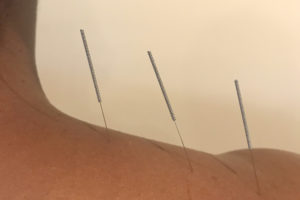 Hormonal imbalances occur in both sexes, can occur at any age, and are always accompanied by unpleasant problems such as lack of energy, reduced libido, infertility, irregular menstrual cycles, mood swings, or even growth impairment in children. Acupuncture is an ancient technique of Chinese medicine that more and more people are turning to for relief from various illnesses and maladies. While its applications are many, acupuncture has proven especially effective in the safe and natural treatment of all types of hormonal imbalances.
Hormones
Hormones play a large role in a vast array of functions in your body, including metabolism, reproduction and sleep-wake cycles. According to western medical science, hormones are secreted by glands in your brain and body, such as the pituitary and adrenal glands. They travel via blood to various cells to perform their tasks. Although much emphasis is placed on sex hormones like estrogen and testosterone, thyroid and adrenal hormones are just as crucial to optimal health.
Chinese Theory
Acupuncture.com states that Chinese medicine considers hormones to be a part of an individual’s jing, or essence. You are born with a certain amount of life force, or essence, which is stored in your kidneys, and used throughout your lifetime to nourish cells, tissues and organs. Jing is the root of yin, which encompasses blood and fluids, and yang, which includes energy and warmth. According to the website, when essence depletes, you can experience symptoms similar to those of hormonal imbalances, such as menopause or impotence. Chinese medicine treatments focus on points that can restore essence; organs like the kidneys and the liver are also involved in hormone balance.
Acupuncture Regulates Hormones, Boosts Fertility
Acupuncture is effective for the treatment of polycystic ovarian syndrome. Researchers find acupuncture effective for normalizing hormone levels and improving the overall health of patients with polycystic ovarian syndrome. Scientific data demonstrates that acupuncture produces significant improvements in menstrual regularity, restores ovulation pattern regularity, increases pregnancy rates, regulates hormonal secretions, normalizes basal body temperature patterns, and increases embryo survival rates. Fertility enhancements provided by acupuncture apply to both natural conception and IVF (in vitro fertilization) patients.
Research published in the Shanghai Journal of Acupuncture and Moxibustion entitled Advances In Clinical Research On Acupuncture Moxibustion Treatment For Polycystic Ovarian Syndrome cites several clinical studies. Let’s take a look at the finings. Chen et al. applied stimulation with acupuncture at sacral plexus acupoints and paraspinal acupoints. Acupuncture treatment sessions were regularly administered over the course of three menstruation cycles. Upon completion of all acupuncture therapy, follow-up examinations (including ultrasound imaging) demonstrated significant improvements in menstrual regularity, ovulation frequency, and cervical mucus consistency. In addition, the pregnancy rate of patients in the study increased significantly.
Finding the Right Acupuncturist
If you are struggling with hormonal issues, whether you are a young woman suffering with PMS, a mature woman dealing with menopause, or a man struggling with hypothyroidism, acupuncture can help restore your endocrine system to proper, balanced functioning. However, as with any treatment for a disease or disorder of the body, make sure to talk to your doctor first.
For more information about how acupuncture and other treatments can help you, please contact the Urban Acupuncture Center Board Certified Licensed Acupuncturist’s team at Indianola Ave, Clintonville (614) 725-2488 | Main St, Westerville (614) 426-4406 or click here. Taking new patients in and around greater Columbus, Ohio.
by urban-acupuncture | Aug 5, 2019 | Acupuncture Columbus
Sciatica Nerve Pain Treatment with Acupuncture

photo by www.woodenearth.com
Acupuncture helps to stimulate the central nervous system. This, in turn, triggers the release of chemicals that either alter the experience of pain or produce other changes that promote a sense of well-being.
What Is Sciatica Nerve Pain?
Back pain comes in all shapes and sizes. It can flare up immediately after an injury or appear slowly and mysteriously over a period of months. It might be sudden and short-lived (acute) or long-lasting (chronic).
Sciatica nerve pain refers to back pain caused by a problem with the sciatic nerve. This is a large nerve that runs from the lower back down the back of each leg. When something injures or puts pressure on the sciatic nerve, it can cause pain in the lower back that spreads to the hip, buttocks, and leg. Up to 90% of people recover from sciatica without surgery.
What Triggers Sciatica Pain?
Sciatica is caused by irritation of the root(s) of the lower lumbar and lumbosacral spine. Additional common causes of sciatica include: Lumbar spinal stenosis (narrowing of the spinal canal in the lower back) Degenerative disc disease (breakdown of discs, which act as cushions between the vertebrae)
Is Sciatica Nerve Pain Symptoms
- Pain in the buttocks or leg that worsens with sitting
- Burning, tingling, or searing pain down the leg
- Weakness, numbness or difficulty moving the leg or foot
- Constant pain on one side of the buttocks
- Shooting, sharp pain making it difficult to stand
Can Acupuncture Help Treat Sciatica Pain?
Acupuncture and herbs relieve sciatica, a condition characterized by lower back pain radiating thro�ugh the hips, buttocks, and legs.
By inserting small needles into specific sites on the body, the needles trigger a response from the nervous system. This response from the nervous system leads our brain to:
- release a cascade of natural painkillers (endorphins and enkephalins),
- increase blood flow to the painful area,
- relax the muscles in the surrounding area.
For more information about how acupuncture and other treatments can help you, please contact the Urban Acupuncture Center Board Certified Licensed Acupuncturist’s team at Indianola Ave, Clintonville (614) 725-2488 | Main St, Westerville (614) 426-4406 or click here. Taking new patients in and around greater Columbus, Ohio.
Image by https://www.woodenearth.com/
by urban-acupuncture | Aug 1, 2019 | Acupuncture Columbus
Acupuncture Can Help Get You Pregnant
 Some people choose to seek traditional and complementary treatments, such as acupuncture, to help treat fertility issues.
Medical professionals define infertility as being unable to conceive after having unprotected sex for 1 year. Women who are unable to remain pregnant may also have infertility. According to the Centers for Disease Control and Prevention (CDC), infertility affects about 12 percent of women ages 15–44.
In 35 percent of couples with fertility issues, both a male and female factor may play a role. Doctors identify male factors alone in around 8 percent of infertility cases in couples actively trying to conceive.
Acupuncture is a traditional Chinese medicine that some people use to manage a variety of conditions. An acupuncturist inserts very small, thin needles into specific points of a body to stimulate blood flow to that area.
When used as a treatment for infertility, proponents of acupuncture say it can help by:
- boosting blood flow to reproductive organs
- balancing hormones
- relieving stress
Acupuncture can Help Increase Fertility and the Chance of Conception
Acupuncture can increase fertility by reducing stress, increasing blood flow to the reproductive organs and balancing the endocrine system, according to several studies and medical research.
Modern acupuncture consists of the gentle insertion and stimulation of thin, disposable sterile needles at strategic points near the surface of the body. Over 2,000 acupuncture points on the human body connect with 14 major pathways, called meridians. Chinese medicine practitioners believe that these meridians conduct qi, or energy, between the surface of the body and internal organs. It is qi that regulates spiritual, emotional, mental and physical balance. When the flow of qi is disrupted through poor health habits or other circumstances, pain and/or disease can result. Acupuncture helps to keep the normal flow of this energy unblocked, thereby increasing a couple’s chances of conceiving.
Acupuncture infertility treatment can improve almost every cause of this obstacle. While 40 percent of infertility is caused by problems in the female, another 40 percent is caused by problems in the male, such as low sperm count or motility. The cause of female infertility stems from problems such as anovulation and endometriosis. The remaining 20 percent is caused by unknown factors.
One of the ways acupuncture infertility treatment increases fertility is by reducing stress, which is often a key factor in the fertility of both men and women. When people are under stress, the hormone cortisol is released in the brain. This alters the brain’s neurochemical balance, thus changing hormone levels and disrupting the pituitary balance that is key to the reproductive cycle.
If the thyroid is over- or under-functioning, acupuncture can help address the effects on fertility. Acupuncture can also “. . . be used to treat any type of fertility disorder including spasmed tubes. Spasmed tubes are often de-spasmed with acupuncture, though blocked tubes will not respond to acupuncture,” according to the American Pregnancy Association.
For more information about how acupuncture and other treatments can help you, please contact the Urban Acupuncture Center Board Certified Licensed Acupuncturist’s team at Indianola Ave, Clintonville (614) 725-2488 | Main St, Westerville (614) 426-4406 or click here. Taking new patients in and around greater Columbus, Ohio.
by urban-acupuncture | Jul 1, 2019 | Acupuncture Columbus
Lower Your High Blood Pressure
 An estimated 70 million U.S. adults — one in three — have high blood pressure (hypertension), according to the U.S. Centers for Disease Control and Prevention. It’s believed that only half have their condition under control. High blood pressure can lead to stroke and heart disease. High blood pressure is defined as extreme pressure or tension in the arteries that carry blood from the heart to the rest of the body. One of the most dangerous aspects of hypertension is that it has no recognizable symptoms which make it difficult to diagnose it. Factors such as obesity, too much alcohol consumption or excessive smoking increases the risk of hypertension.
Acupuncture, an ancient Chinese therapy, is increasingly viewed as a possible alternative, the researchers said in background notes with the study. Practitioners insert thin needles into key points on the body in an attempt to rebalance the flow of energy.
Acupuncture Study
Studies suggest that a form of acupuncture may benefit patients with high blood pressure and lower their risk of stroke and heart disease. 70% of treated patients experienced noticeable drop in blood pressure.
Researchers studied patients between the ages of 32 and 65 who were taking blood pressure medication for the treatment of high blood pressure. Prior research demonstrates that nitric oxide (NO) levels are directly related to blood pressure levels and therefore the effect of acupuncture on NO levels were also investigated. The researchers found three important changes in the patients. The systolic and diastolic blood pressure levels were reduced and the NO concentration increased.
A total of ten acupuncture visits of manual acupuncture were administered to each patient at a rate of one acupuncture treatment per week. Although standard care in a typical clinic involves a custom acupuncture point prescription based on differential diagnostics, this study administered the same acupuncture points to every patient in the study. The acupuncture points were: Yintang, ST36, SP6, HT7, LI4, SP9, LV3, K3. This standards acupuncture point prescription was successful in achieving significant clinical results. The investigators concluded that acupuncture is effective in lowering blood pressure levels for patients with hypertension.
For more information about how acupuncture and other treatments can help you, please contact the Urban Acupuncture Center Board Certified Licensed Acupuncturist’s team at Indianola Ave, Clintonville (614) 725-2488 | Main St, Westerville (614) 426-4406 or click here. Taking new patients in and around greater Columbus, Ohio.
by urban-acupuncture | Jul 1, 2019 | Acupuncture Columbus
Tinnitus Treatment with Acupuncture
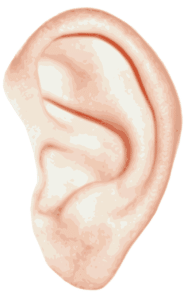 Researchers find acupuncture and Traditional Chinese Medicine herbs effective for the treatment of tinnitus (ringing of the ears).
What is Tinnitus?
Tinnitus is a medical symptom that can indicate damage to your ear or auditory system. It’s often described as ringing in the ears, but you could hear other sounds, such as buzzing, clicking, roaring, or humming.
For some, tinnitus comes and goes. For others, it can last for hours or days at a time. Regardless of how long it lasts, tinnitus can be a major disruption to your daily life, making it hard to concentrate or sleep.
Evaluate and treat underlying problems of Tinnitus
If you develop tinnitus, it’s important to see your clinician. She or he will take a medical history, give you a physical examination, and do a series of tests to try to find the source of the problem. She or he will also ask you to describe the noise you’re hearing (including its pitch and sound quality, and whether it’s constant or periodic, steady or pulsatile) and the times and places in which you hear it. Your clinician will review your medical history, your current and past exposure to noise, and any medications or supplements you’re taking. Tinnitus can be a side effect of many medications, especially when taken at higher doses.
Musculoskeletal factors — jaw clenching, tooth grinding, prior injury, or muscle tension in the neck — sometimes make tinnitus more noticeable, so your clinician may ask you to tighten muscles or move the jaw or neck in certain ways to see if the sound changes. If tight muscles are part of the problem, massage therapy may help relieve it.
Tinnitus that’s continuous, steady, and high-pitched (the most common type) generally indicates a problem in the auditory system and requires hearing tests conducted by an audiologist. Pulsatile tinnitus calls for a medical evaluation, especially if the noise is frequent or constant. MRI or CT imaging may be needed to check for a tumor or blood vessel abnormality.
Your general health can affect the severity and impact of tinnitus, so this is also a good time to take stock of your diet, physical activity, sleep, and stress level — and take steps to improve them. You may also be able to reduce the impact of tinnitus by treating depression, anxiety, insomnia, and pain with medications or psychotherapy.
How Acupuncture Benefits Patients with Tinnitus
In Chinese medicine, the kidney-bladder network governs hearing and the ears. Tinnitus, then, is often associated with progressive kidney weakness brought on by overstrain, lack of sleep, and excessive sexual activity. Negative emotions are also often associated with tinnitus. Anger, frustration, resentment, and hatred block the liver energy, which over time produces fire rising up to the head, which disrupts hearing.
In many people, tinnitus is an expression of a much deeper disharmony that has been slowly and gradually evolving. For these patients, the treatment options will include acupuncture and herbal therapies to nourish the body at a deeper level. For others, tinnitus may be a side effect of medications or exposure to loud noise. These patients may respond well to acupuncture therapy alone. Traditional Chinese medicine not only addresses the symptom or the tinnitus (referred to as the branch), but also the underlying imbalance (or the root). By treating the root, the actual disharmony is broken and the body returns to optimal health.
Acupuncture can reduce symptoms of tinnitus in some cases. It’s particularly effective for ones that might be associated with hypertension because of its effect with blood circulation. It may help pain conditions such as chronic neck pain or TMJ.
For more information about how acupuncture and other treatments can help you, please contact the Urban Acupuncture Center Board Certified Licensed Acupuncturist’s team at Indianola Ave, Clintonville (614) 725-2488 | Main St, Westerville (614) 426-4406 or click here. Taking new patients in and around greater Columbus, Ohio.