by urban-acupuncture | Jul 5, 2025 | Acupuncture Columbus
Diabetes Help
Diabetes is one of the most common chronic health conditions worldwide, affecting millions of people’s daily lives. Managing blood sugar levels usually involves a combination of medication, healthy eating, and regular exercise — but did you know that acupuncture can also be a supportive tool for people living with diabetes?
While acupuncture is not a replacement for your prescribed diabetes treatments, many people find it helps them manage symptoms, reduce complications, and improve overall well-being. Here’s how acupuncture fits into a diabetes care plan, what it may help with, and what to expect if you decide to try it.
Understanding Diabetes and Its Challenges
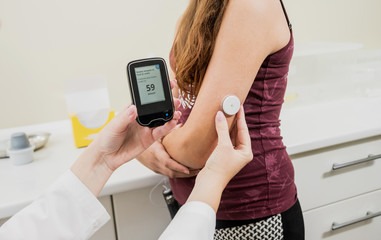 Diabetes occurs when your body either doesn’t produce enough insulin (Type 1 diabetes) or doesn’t use insulin effectively (Type 2 diabetes). Over time, poorly managed blood sugar can lead to:
- Fatigue and low energy
- Weight fluctuations
- Nerve pain (diabetic neuropathy)
- Slow wound healing
- Poor circulation
- Increased stress and mood swings
Modern diabetes care focuses on keeping blood sugar stable to prevent these complications. Many patients also look for holistic ways to manage stress, improve energy, and address symptoms like nerve pain — and that’s where acupuncture can come in.
How Acupuncture May Help People with Diabetes
Acupuncture is an ancient therapy that involves placing very thin, sterile needles at specific points on the body. From a Western medicine perspective, this process can help:
- Regulate the nervous system: Calming the fight-or-flight response and lowering stress hormones, which may indirectly help keep blood sugar levels steadier.
- Improve circulation: Better blood flow supports wound healing and helps supply oxygen and nutrients to tissues affected by diabetes.
- Reduce inflammation: Chronic inflammation is linked to insulin resistance and complications. Acupuncture may help calm inflammatory pathways.
- Relieve diabetic neuropathy: Studies suggest acupuncture can help ease tingling, numbness, and nerve pain in the hands and feet.
- Support overall well-being: Many people report better sleep, improved mood, and more energy — all important for staying active and making healthy lifestyle choices.
What Acupuncture Cannot Do
While acupuncture can be a helpful complement to your diabetes care, it is not a substitute for your insulin, oral medications, or regular doctor visits. Always follow your doctor’s treatment plan and use acupuncture as a supportive therapy, not a cure.
Tips for Getting the Most Out of Acupuncture:
- Stay hydrated before and after your session
- Eat a small, healthy meal beforehand (avoid coming on an empty stomach)
- Wear comfortable clothing
- Allow time to rest afterward if you feel very relaxed
How Many Treatments Do I Need?
- Many people start with 1–2 sessions per week for a few weeks
- Maintenance visits can help keep up results
- Your plan will be personalized based on your symptoms and goals
What to Expect During an Acupuncture Session
A licensed acupuncturist will take a detailed health history, including your diabetes type, medications, and symptoms. Treatment usually includes:
- Comfortable placement: Tiny needles are gently inserted at points related to energy balance, circulation, and nerve health.
- Relaxation time: You’ll rest for about 20–30 minutes while the needles do their work. Many people feel deeply relaxed and may even nap!
- Mild side effects: You might notice slight redness or mild soreness at needle sites — these go away quickly.
Most people benefit from a series of treatments — for example, once or twice a week for several weeks — followed by occasional maintenance visits.
Safety Considerations
- Always choose a licensed acupuncturist familiar with treating patients with chronic conditions.
- Let your acupuncturist know about all your medications and any complications like neuropathy or poor wound healing.
- Check your blood sugar as recommended, especially if you feel extra relaxed or sleepy after treatment.
Acupuncture can be a gentle, natural way to complement your diabetes management plan — helping with nerve pain, stress, circulation, and overall quality of life.
When paired with medication, healthy eating, and exercise, acupuncture may help you feel more comfortable and in control of your health.
Interested in trying acupuncture for diabetes support?
Talk with your doctor and schedule a consultation with a licensed acupuncturist to see how this ancient practice can fit into your modern diabetes care plan.
Contact Urban Acupuncture Center in Columbus, OH For More Information
For more information about how acupuncture, massage therapy, electroacupuncture and other alternative healing treatments can help you, please contact the Urban Acupuncture Center Board Certified Licensed Acupuncturist’s team at Indianola Ave, Columbus, Ohio (Clintonville) (614) 725-2488 or click here. Taking new patients in and around greater Columbus, Ohio.
by urban-acupuncture | Jul 1, 2025 | Acupuncture Columbus
Chronic and Acute Pain Treatment
 Chronic and acute pain can significantly limit mobility, disrupt sleep, and reduce your quality of life. While pain medications and physical therapy are common options, an increasing number of people are turning to acupuncture as a trusted, evidence-supported addition to modern pain management plans. Here’s how acupuncture works from a Western medical perspective, what kinds of pain it can help with, and what to expect during treatment.
How Acupuncture Works
Acupuncture is a precise technique that uses very fine, sterile needles to stimulate specific points along the body’s nervous system pathways and fascial planes. When these points are activated, they help regulate the body’s pain response through measurable effects on the nervous, endocrine, and immune systems.
Modern research shows that acupuncture can:
- Stimulate the release of endorphins and other natural pain-relieving chemicals in the brain and spinal cord.
- Modulate pain signaling by influencing how nerves transmit pain messages.
- Improve local blood circulation, supporting tissue repair and reducing inflammation.
- Relax tight muscles and decrease pressure on surrounding nerves and joints.
- Help regulate the stress response, which can amplify chronic pain if left unchecked.
Think of acupuncture as a highly targeted way to help your body recalibrate its own built-in pain control systems.
Types of Pain Acupuncture Can Help Manage
Many medical professionals now recommend acupuncture as part of a comprehensive pain management plan. Common conditions supported by acupuncture include:
- Low back pain and neck pain
- Joint pain and arthritis
- Chronic headaches and migraines
- Muscle strains, sprains, and overuse injuries
- Sciatica and nerve pain
- Fibromyalgia and widespread chronic pain
- Post-surgical pain management
For many patients, acupuncture can reduce the need for pain medications and support faster recovery alongside other treatments such as physical therapy or chiropractic care.
Benefits of Acupuncture for Pain Relief
- Non-pharmaceutical pain control — reduces reliance on opioids and anti-inflammatories.
- Minimal side effects — occasional mild bruising or temporary soreness at needle sites.
- Works well alongside other medical treatments — complements physical therapy, exercise, and other pain interventions.
- Promotes overall well-being — many patients report better sleep, reduced stress, and improved energy.
What to Expect During an Acupuncture Session
A typical acupuncture session includes:
- Assessment: Your provider will take a detailed health history and evaluate your pain patterns and lifestyle to design a customized plan.
- Treatment: You’ll lie comfortably while very thin needles are gently placed into specific points on the body. Most people feel little to no pain — sometimes a mild tingling or gentle pressure.
- Relaxation: The needles remain in place for about 20–30 minutes while you rest. Many patients feel deeply relaxed during and after the session.
- Aftercare: You can usually resume normal activities immediately. Mild redness or slight soreness may occur but resolves quickly.
Contact Urban Acupuncture Center in Columbus, OH For More Information
For more information about how acupuncture, massage therapy, electroacupuncture and other alternative healing treatments can help you, please contact the Urban Acupuncture Center Board Certified Licensed Acupuncturist’s team at Indianola Ave, Columbus, Ohio (Clintonville) (614) 725-2488 or click here. Taking new patients in and around greater Columbus, Ohio.
by urban-acupuncture | Sep 11, 2024 | Acupuncture Columbus, Acupuncturists, Community, Treatments
This Saturday is Bring-a-friend Night
 This event is designed for you, our return clients to introduce a friend, family member or co-worker who’s never been before!
We will have both Steve & Jeff here on Saturday, September 14th from 6:00 – 8:00 p.m. Having 2 acupuncturists together allows them to give full attention to both individuals concurrently. Sign up by calling the office or clicking the link below. When you sign up via the stripe link below, we will contact you for the name of your friend. We will automatically sign you up (since you’re in our system). The cost is $50 per pair.
We only have a few spots left, so get them while they last! As always, if you have questions, feel free to call us @ (614-725-2488.
CLICK HERE TO SIGN UP
Contact Urban Acupuncture Center in Columbus, OH For More Information
For more information about how acupuncture, massage therapy, electroacupuncture and other alternative healing treatments can help you, please contact the Urban Acupuncture Center Board Certified Licensed Acupuncturist’s team at Indianola Ave, Columbus, Ohio (Clintonville) (614) 725-2488 or click here. Taking new patients in and around greater Columbus, Ohio.
by urban-acupuncture | Sep 5, 2024 | Acupuncture Columbus
Electroacupuncture Can Help Enhance Tissue Regeneration
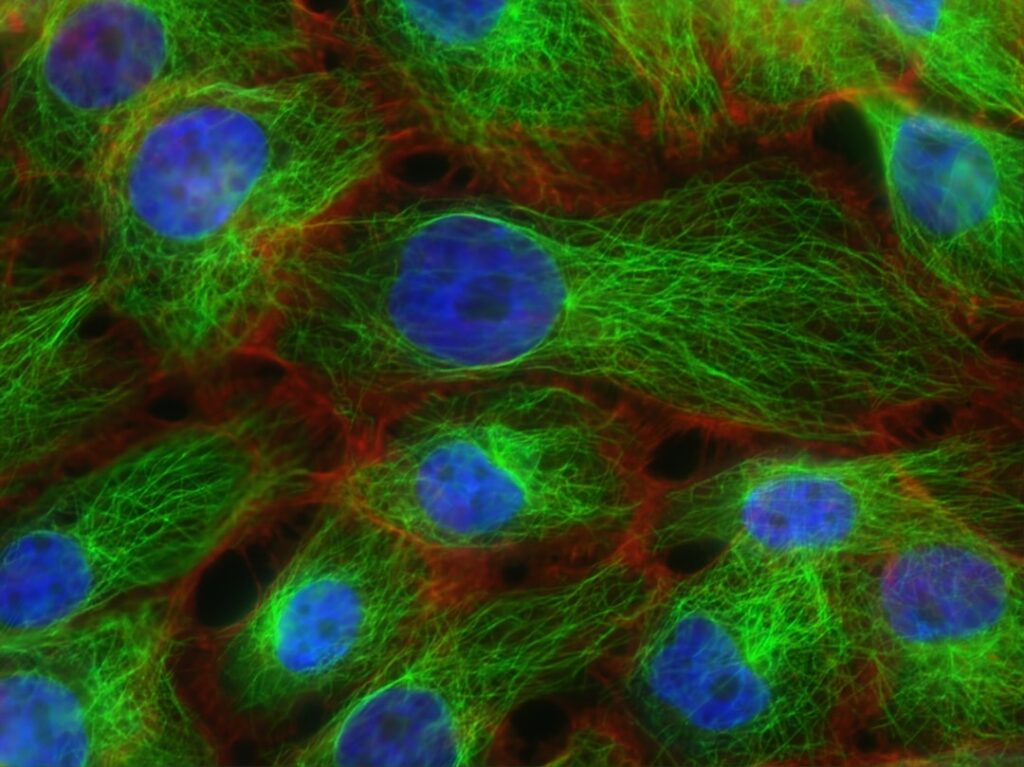 Tissue regeneration is a vital process for healing and recovery, and recent advances in medical technology have highlighted the potential of electroacupuncture to enhance this process. One of the key mechanisms by which electroacupuncture aids in tissue regeneration is through the release of mesenchymal stem cells (MSCs) into the bloodstream.
How Electroacupuncture Works
Electroacupuncture involves the application of electrical stimulation through acupuncture needles inserted at specific points on the body. This technique enhances the traditional benefits of acupuncture by adding electrical impulses, which can amplify the therapeutic effects.
Mesenchymal Stem Cells (MSCs)
MSCs are a type of stem cell found in the bone marrow, fat tissue, and other parts of the body. These cells have the remarkable ability to differentiate into various types of tissues, including bone, cartilage, muscle, and fat cells. Their regenerative capabilities make them crucial in repairing damaged tissues and reducing inflammation.
Triggering MSC Release
Research indicates that electroacupuncture can stimulate the body to release MSCs into the bloodstream. This mobilization of stem cells plays a significant role in tissue repair and regeneration. When MSCs are released, they travel to the site of injury or damage, where they contribute to the healing process by differentiating into the required tissue types and secreting bioactive molecules that promote tissue repair.
Benefits for Tissue Regeneration and Pain Relief
- Enhanced Healing: The release of MSCs accelerates the regeneration of damaged tissues, leading to faster and more effective healing.
- Pain Reduction: By promoting tissue repair and reducing inflammation, electroacupuncture can help alleviate injury-induced pain.
- Non-Invasive Treatment: Electroacupuncture offers a non-invasive alternative to surgical interventions, making it a favorable option for patients seeking pain relief and tissue regeneration.
Applications
Electroacupuncture with MSC release has shown promise in various medical fields, including:
- Orthopedics: Enhancing recovery from bone fractures and joint injuries.
- Sports Medicine: Accelerating the healing of muscle and tendon injuries.
- Chronic Pain Management: Providing relief from conditions such as arthritis and fibromyalgia.
Electroacupuncture is Emerging as a Powerful Technique in the Field of Tissue Regeneration
Electroacupuncture is emerging as a powerful technique in the field of tissue regeneration, primarily through its ability to trigger the release of mesenchymal stem cells. This innovative approach not only accelerates healing but also offers significant pain relief, presenting a promising non-invasive treatment option for various injuries and chronic conditions. As research continues to advance, the integration of electroacupuncture and stem cell therapy is likely to become a cornerstone in regenerative medicine.
Contact Urban Acupuncture Center in Columbus, OH For More Information
For more information about how acupuncture, massage therapy, electroacupuncture and other alternative healing treatments can help you, please contact the Urban Acupuncture Center Board Certified Licensed Acupuncturist’s team at Indianola Ave, Columbus, Ohio (Clintonville) (614) 725-2488 or click here. Taking new patients in and around greater Columbus, Ohio.
by urban-acupuncture | May 1, 2024 | Acupuncture Columbus
What is EAM?
 Electroacupuncture, a contemporary adaptation of traditional acupuncture, has gained increasing attention and popularity in recent years for its effectiveness in treating a wide range of health conditions. Combining the principles of traditional acupuncture with modern technology, electroacupuncture offers a unique approach to stimulating the body’s natural healing mechanisms. In this article, we delve into the intricacies of electroacupuncture, exploring its procedure, benefits, and potential applications in healthcare.
Electroacupuncture is a type of acupuncture that uses a low-level electrical current to stimulate the body’s release of beta-endorphins. At the same time, ACTH (a precursor to Cortisol) is also released and provides a powerful anti-inflammatory effect. This is a mighty combination to shift your body out of a chronic pain cycle. A series of treatments can provide relief for months or even years as a higher baseline level of endorphin continues to be released by the body even after treatment is completed.
Understanding Electroacupuncture
At its core, electroacupuncture involves the insertion of fine needles into specific points on the body known as acupoints. These acupoints correspond to pathways of energy flow, or meridians, within the body according to traditional Chinese medicine theory. However, what sets electroacupuncture apart is the incorporation of a mild electrical current applied to the needles.
Procedure
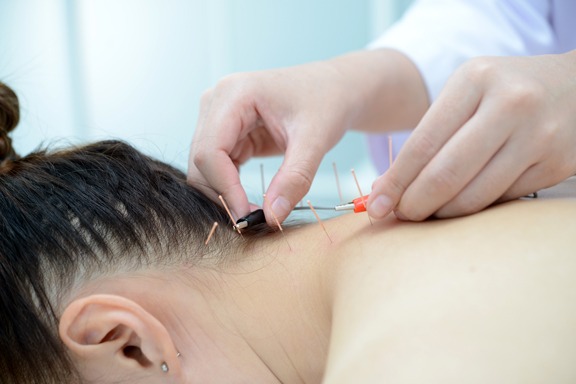
During an electroacupuncture session, the practitioner inserts thin, sterile needles into selected acupoints based on the individual’s condition and treatment goals. Once the needles are in place, electrodes are attached to the needles, allowing for the transmission of a low-frequency electrical impulse.
The electrical stimulation can vary in intensity and frequency, depending on the specific needs of the patient and the condition being treated. Some may experience a mild tingling or pulsating sensation, while others may feel nothing at all.
Benefits of Electroacupuncture
Electroacupuncture offers several potential benefits over traditional acupuncture alone. The electrical stimulation enhances the effects of needle insertion by providing a more controlled and consistent stimulus to the acupoints. This can result in:
- Increased pain relief: The electrical stimulation triggers the release of endorphins, the body’s natural painkillers, providing effective relief from acute and chronic pain conditions.
- Improved circulation: The gentle electrical currents help to stimulate blood flow and enhance circulation, promoting healing and reducing inflammation in the body.
- Enhanced muscle relaxation: Electroacupuncture can help to relax tense muscles and alleviate muscle spasms, making it particularly beneficial for musculoskeletal issues and sports injuries.
- Regulation of physiological functions: By modulating the body’s nervous system and hormonal balance, electroacupuncture can help to regulate various internal functions, such as digestion, sleep, and mood.
Applications
Electroacupuncture has shown promise in treating a wide range of conditions, including but not limited to:
- Chronic pain syndromes, such as arthritis, fibromyalgia, and back pain.
- Neurological disorders, including stroke rehabilitation, Parkinson’s disease, and neuropathy.
- Mental health conditions, such as anxiety, depression, and insomnia.
- Gastrointestinal disorders, like irritable bowel syndrome (IBS) and nausea.
Electroacupuncture represents a modern evolution of traditional acupuncture, offering enhanced therapeutic effects and broader applications in healthcare. With its ability to stimulate the body’s natural healing mechanisms and regulate physiological functions, electroacupuncture holds promise as a safe and effective adjunctive therapy for various health conditions. As research continues to elucidate its mechanisms and efficacy, electroacupuncture is poised to play an increasingly integral role in integrative and holistic healthcare approaches.
Electro-Acupuncture Medicine utilizes a type of electricity that is congruent with the human body to elicit the release of endorphins, hormones, neurotransmitters and other chemicals to regulate internal body functions.
Electro-Acupuncture Medicine treatments are available during private acupuncture treatments at Urban Acupuncture Center. Schedule yours today and start the shift within your body away from a state of pain and towards greater health and vitality.
Electroacupuncture Medicine treatments are available during private acupuncture treatments at Urban Acupuncture Center. Schedule yours today and start the shift within your body away from a state of pain and towards greater health and vitality.
Contact Urban Acupuncture Center in Columbus, OH For More Information
For more information about how acupuncture, massage therapy and other alternative healing treatments can help you, please contact the Urban Acupuncture Center Board Certified Licensed Acupuncturist’s team at Indianola Ave, Columbus, Ohio (Clintonville) (614) 725-2488 or click here. Taking new patients in and around greater Columbus, Ohio.
by urban-acupuncture | Aug 1, 2022 | Acupuncture Columbus
 Acupuncture is the use of small, disposable, and sterilized needles, inserted through the skin’s surface to a specific depth, depending on the injury. Acupuncture is an effective form of treatment for pain release, inflammation reduction, and untightening of muscle knots, among others. This treatment has been in practice for centuries and traces its roots to traditional Chinese medicine.
Benefits of acupuncture therapy for sports injuries
Given the wide-ranging benefits of acupuncture, it is being increasingly adopted by athletes to improve their performance and reduce recovery times.
What are the two types of sports injuries and how acupuncture can help in treating them?
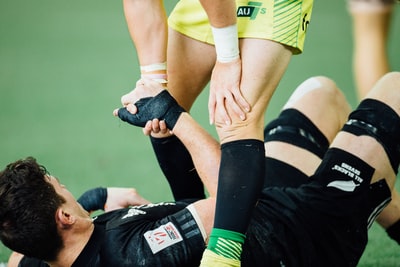
When the injury results from a single application of force, it is called an acute traumatic injury. On the other hand, if the injury occurs over a period, it is called chronic or overuse injury. Chronic injuries may result from running, repetitive training, serving a ball in tennis, or overhand throwing. Sports injuries are mostly accompanied by sprain and strain of the joint and the adjoining tissues. Which lead to pain and inflammation of the injured parts.
Following are the ways in which acupuncture can help:
By reducing pain
Acupuncture reduces pain by secreting endorphins in the body, which are natural painkillers. It is, therefore, highly effective for athletes since there are no medicines involved. Plus, acupuncture has almost none to minimal side effects as opposed to drugs, which can have detrimental effects on an athlete’s performance. Furthermore, the ever evolving doping regulations make it even harder for athletes to consume medicines as there are strict guidelines on what can and cannot be used.
By releasing trigger points
Acupuncture can be particularly helpful in releasing trigger points or muscle knots. Which often result from repetitive activity, concentric, or eccentric exercises, and associated pain. Trigger point development is often accompanied by sudden onset of pain and a loss of limb movement. Trigger point acupuncture is used to release muscle spasms. This is a much softer approach to an acute condition, which can otherwise aggravate with too much massage.
By reducing inflammation
Tendinopathies are chronic injuries accounting for almost half of all the sports injuries which can prevent athletes from training due to the persistent pain. Eccentric loading, which is regarded as the most effective form of treatment for this condition is avoided by athletes due to the ongoing pain. In such a scenario, acupuncture can come in handy as it helps in reducing pain, allowing the athletes to resume eccentric loading of the tendons.
By helping recover faster
Aside from relieving pain, acupuncture can also help in improving blood circulation, sleep, energy levels, and reducing muscle fatigue which are essential in the path to recovery.
Dry needling
During a dry needling therapy, a trained practitioner will penetrate thin needles into the skin to treat underlying muscular trigger points. It is useful for athletes nursing muscle injuries.
Microcurrent therapy treatments
It involves the application of frequency driven electrical currents to affected parts of the body that helps in the following:
- Healing injured tissue faster
- Providing relief from pain triggered by injuries or chronic conditions
Acupuncture offers a great alternative to medication in the treatment of sports injuries.
Contact Urban Acupuncture Center in Columbus, OH For More Information
For more information about how acupuncture, massage therapy and other alternative healing treatments can help you, please contact the Urban Acupuncture Center Board Certified Licensed Acupuncturist’s team at Indianola Ave, Columbus, Ohio (Clintonville) (614) 725-2488 or click here. Taking new patients in and around greater Columbus, Ohio.