Structural Integration for Post-Cesarean & Postpartum Healing
 Whether months or years after giving birth, structural integration can help re-align the body. If you are feeling the lingering effects of a C-section or just sense that your body isn’t quite moving the way it did pre-pregnancy, Ros offers one-on-one sessions to support the physical reassembly of the body after birth.
With skilled, respectful bodywork, structural integration can release and reintegrate scar tissue, restore natural breath and core connection, support pelvic and spinal alignment, and help you feel grounded, upright, and whole in your body.
What is Structural Integration?
Structural Integration (SI) is a form of bodywork that focuses on aligning and balancing the body by manipulating the fascia, the connective tissue that surrounds muscles, bones, and organs. It’s most commonly associated with Rolfing®, the original brand developed by Dr. Ida Rolf in the mid-20th century.
What It Involves
-
Series-Based Treatment: Typically delivered in a structured series of 10 sessions, each with a specific focus and goal (commonly referred to as “The 10-Series”).
-
Deep Manual Therapy: Practitioners use slow, deep pressure and stretching techniques to release fascial restrictions.
-
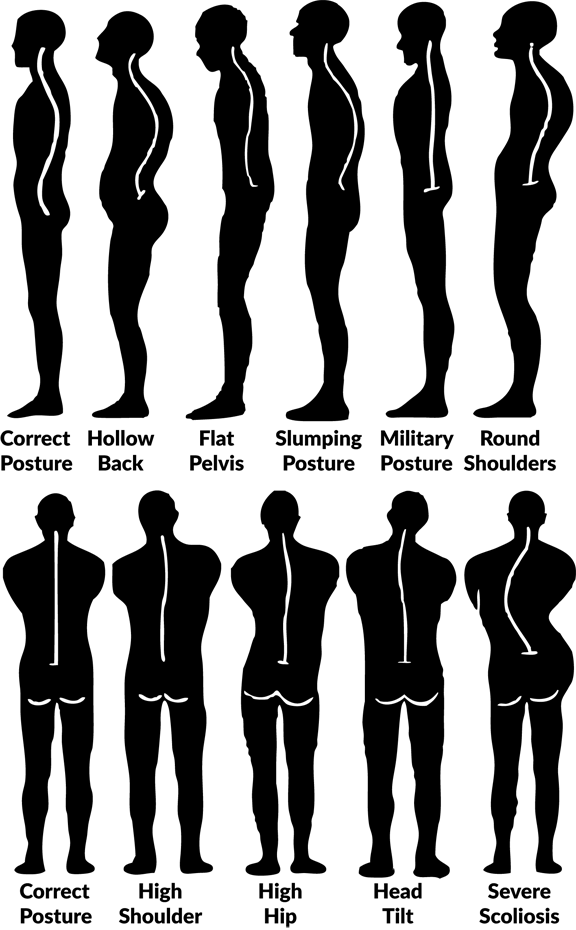
Postural Realignment: The goal is to improve the body’s relationship with gravity, leading to better posture, movement, and often relief from chronic pain.
-
Movement Education: Clients may be guided in how to move more efficiently and with better awareness.
Benefits
-
Improved posture and alignment
-
Increased flexibility and range of motion
-
Relief from chronic tension or pain (especially in the back, neck, and shoulders)
-
Enhanced athletic performance
-
Greater body awareness
Key Principles
-
The body is a system of interconnected parts, not just isolated muscles or bones.
-
Misalignment or imbalance in one area affects the whole.
-
By restoring balance in the fascial network, the body can move more freely and function better.
How Structural Integration Supports Post-Cesarean & Postpartum Healing
1. Fascial Release for Scar Tissue and Adhesions
-
Cesarean scars often lead to fascial restrictions, adhesions, or pulling in the abdomen and pelvic region.
-
SI uses gentle but precise fascial work to soften scar tissue and restore movement and elasticity around the scar and surrounding tissues.
-
This can help reduce pain, numbness, or the “stuck” feeling many women experience around their incision.
2. Pelvic Realignment
-
Pregnancy shifts the pelvis dramatically—tilts, rotations, and instability are common.
-
SI helps realign the pelvis, hips, sacrum, and lower spine, improving support and relieving pain in the lower back, hips, and pelvic floor.
3. Reintegrating Core Muscles
-
After birth, the abdominal muscles, especially the rectus abdominis, can be weak or separated (diastasis recti).
-
SI doesn’t “strengthen” muscles directly, but by releasing restrictions and improving alignment, it supports more effective core engagement and recovery during physical therapy or exercise.
4. Postural Rebalancing
-
Postpartum posture is often impacted by:
-
Breastfeeding
-
Baby carrying
-
Sleep deprivation
-
Abdominal weakness
-
-
SI helps restore balance by realigning the spine, shoulders, neck, and ribcage, relieving tension and improving breathing mechanics.
5. Nervous System Regulation
-
SI often includes elements of somatic awareness and touch-based calming, which can help the nervous system settle after the intensity of childbirth.
-
Many postpartum clients report increased relaxation, emotional release, and a deeper sense of connection to their body.
6. Reconnecting to the Body
-
Postpartum women often feel disconnected from their bodies after birth.
-
SI encourages embodiment—bringing awareness and integration back to areas that feel foreign, numb, or in pain.
This work can benefit you months after delivery, or years later. There is no deadline for reconnecting to your body’s structure, breath, or movement capabilities.
As always, please call the office if you have additional questions (614) 725-2488.
Contact Urban Acupuncture Center in Columbus, OH For More Information
 For more information about how acupuncture, massage therapy, electroacupuncture and other alternative healing treatments can help you, please contact the Urban Acupuncture Center Board Certified Licensed Acupuncturist’s team at Indianola Ave, Columbus, Ohio (Clintonville) (614) 725-2488 or click here. Taking new patients in and around greater Columbus, Ohio.
Voted Best of Columbus Two Years in a Row!
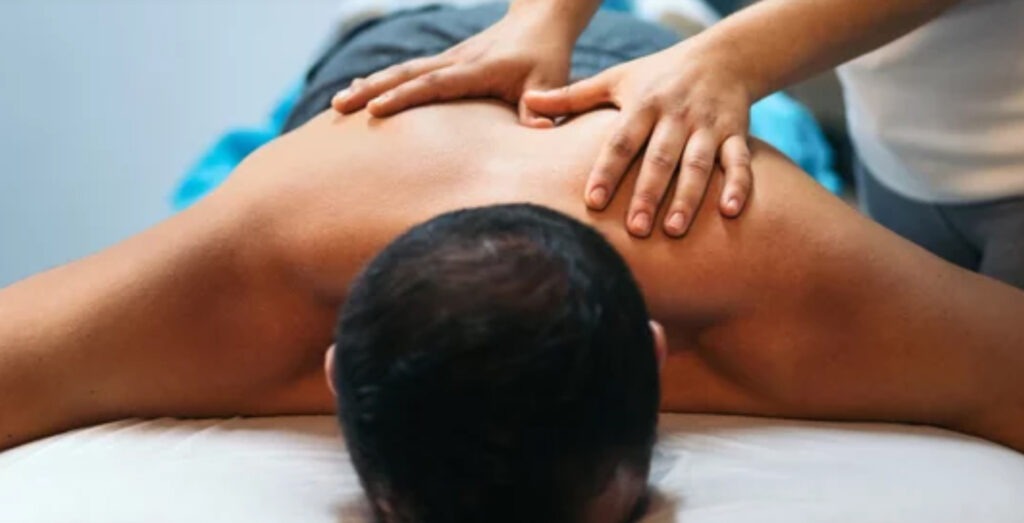 If you’re interested in bodywork therapies that focus on posture, movement, and chronic pain relief, you’ve likely come across both Rolfing and Structural Integration. While these terms are often used interchangeably, they have subtle differences that set them apart. Understanding their origins, techniques, and benefits can help you decide which is best suited to your needs.
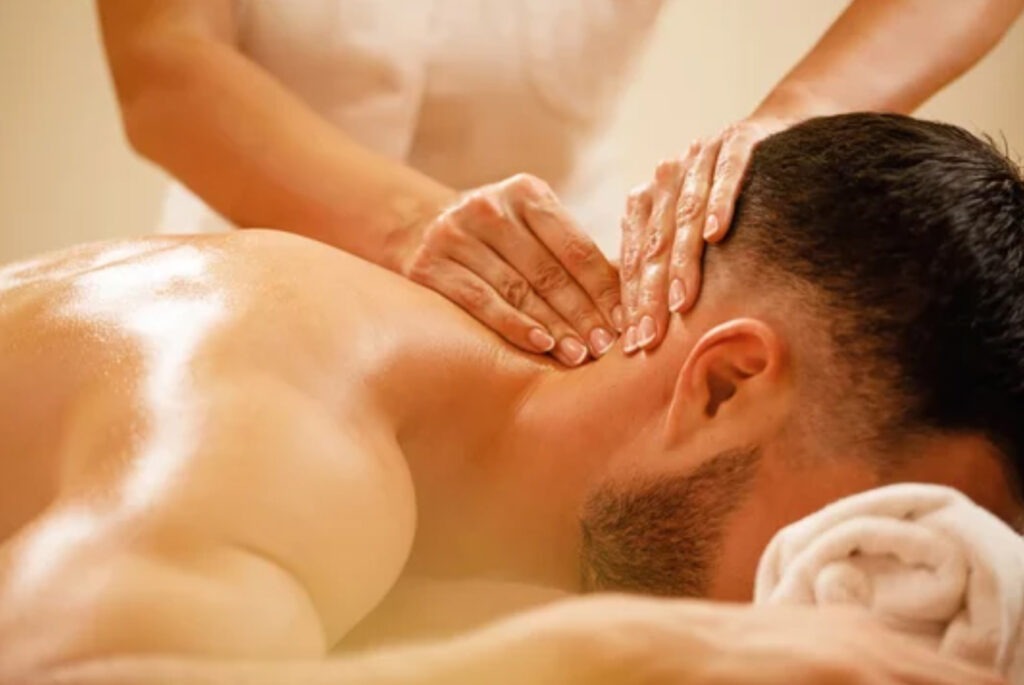 Structural Integration (SI), renowned for its holistic approach to body alignment and well-being, offers a myriad of benefits for diverse individuals seeking improved physical alignment, enhanced mobility, and overall wellness. Who might find SI beneficial? Let’s delve into the various groups and individuals who can reap the rewards of this transformative practice.