
If you experience burning, tingling, numbness, sensitivity, or nerve pain in your feet, legs, hands, or other parts of your body, you may be looking for alternatives to medication for managing peripheral neuropathy symptoms.
Electrical stimulation is one approach that may be used to help manage certain types of neuropathic pain. However, “electrical stimulation” can refer to several different technologies and treatment approaches. Understanding the differences can help you make more informed decisions about your care.
For people in Columbus, Ohio, finding a provider who can explain the type of electrical stimulation being used, what it is intended to accomplish, and what the evidence shows is an important part of evaluating treatment options.
Key Takeaways
- Peripheral neuropathy is a condition involving damage or dysfunction of nerves outside the brain and spinal cord.
- Neuropathy can have many causes, including diabetes, certain medications, nutritional deficiencies, autoimmune conditions, infections, alcohol exposure, inherited conditions, and nerve injuries.
- Electrical stimulation may be used as part of neuropathic pain management, but different types of electrical stimulation work differently.
- TENS is a noninvasive form of electrical stimulation delivered through electrodes placed on the skin.
- Other approaches, including peripheral nerve stimulation and spinal cord stimulation, use different technologies and are generally more specialized.
- Electrical stimulation should not automatically be described as a cure or a way to regenerate damaged nerves.
- The underlying cause of neuropathy matters. Proper evaluation can help determine what type of treatment may be appropriate.
- If you are searching for peripheral neuropathy treatment in Columbus, Ohio, ask the provider exactly what type of electrical stimulation they use and what evidence supports that specific treatment.
What Is Peripheral Neuropathy?
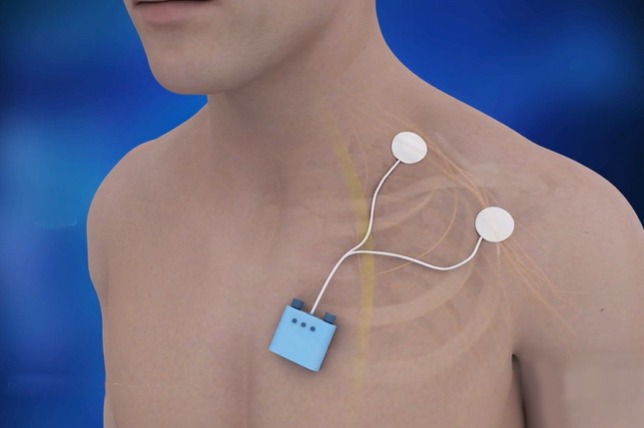 Peripheral neuropathy refers to problems involving the peripheral nervous system—the nerves that connect the brain and spinal cord with the rest of the body.
These nerves transmit sensory information, help control muscles, and regulate certain involuntary functions.
Depending on which nerves are affected, peripheral neuropathy may cause:
- Numbness
- Tingling or prickling sensations
- Burning pain
- Sharp or shooting pain
- Increased sensitivity to touch
- Muscle weakness
- Balance problems
- Changes in sensation in the feet or hands
Symptoms can vary significantly from one person to another.
Peripheral neuropathy also has many possible causes. Diabetes is a common cause, but neuropathy can also be associated with certain medications, vitamin deficiencies, autoimmune diseases, infections, alcohol exposure, inherited disorders, nerve compression, and other medical conditions.
That is why identifying the possible cause of neuropathy is an important part of treatment.
What Is Electrical Stimulation for Peripheral Neuropathy?
Electrical stimulation uses controlled electrical impulses to stimulate nerves, muscles, or pathways involved in pain signaling.
The phrase “electrical stimulation” does not describe one single treatment.
Depending on the technology, electrical stimulation may be delivered through electrodes placed on the skin or through specialized devices positioned near nerves or other structures.
Some forms are noninvasive, while others require medical procedures and implanted equipment.
The purpose may also differ. A particular treatment might be intended to help with pain, muscle activation, or other symptoms rather than to treat the underlying cause of neuropathy itself.
How Can Electrical Stimulation Help With Neuropathic Pain?
Neuropathic pain occurs when nerves or the nervous system are damaged or functioning abnormally.
Electrical stimulation is one way clinicians may attempt to influence pain signaling.
For example, transcutaneous electrical nerve stimulation (TENS) delivers low electrical pulses through electrodes placed on the skin. The National Institute of Neurological Disorders and Stroke identifies TENS as a noninvasive intervention that can be used for pain relief and notes that it may be prescribed along with other treatments for severe nerve pain.
Research into electrical stimulation for neuropathic pain is ongoing.
A 2025 systematic review and meta-analysis examining TENS for neuropathic pain found that the evidence remained inconclusive overall. This is important because it means electrical stimulation should not be presented as a guaranteed treatment for everyone with neuropathy.
What Is TENS?
TENS stands for transcutaneous electrical nerve stimulation.
“Transcutaneous” means that the stimulation is delivered through the skin.
TENS generally involves placing small electrodes on the skin and delivering mild electrical pulses through them.
TENS is:
- Noninvasive
- Delivered through the skin
- Used primarily for pain management
- Different from implanted neuromodulation procedures
- Sometimes used as part of a broader pain-management plan
Mayo Clinic lists TENS among therapies that may be used for symptoms of diabetic neuropathy, while also noting that it does not work for everyone or for every type of pain.
Does TENS Cure Peripheral Neuropathy?
No. TENS should not be described as a cure for peripheral neuropathy.
Peripheral neuropathy can result from many different underlying conditions. Treating the underlying cause, when possible, remains an important part of managing neuropathy.
Electrical stimulation may be used to address symptoms such as pain, but symptom management and treatment of the underlying nerve disorder are not necessarily the same thing.
Electrical Stimulation Is Not One-Size-Fits-All
One of the most important things to understand when researching peripheral neuropathy treatment is that different electrical stimulation technologies have different purposes.
TENS
TENS delivers electrical stimulation through electrodes placed on the skin.
It is noninvasive and is generally used for pain management.
Peripheral Nerve Stimulation
Peripheral nerve stimulation, or PNS, involves delivering electrical stimulation near a specific peripheral nerve.
This is different from simply placing electrodes on the skin. Depending on the specific technology and treatment plan, PNS may involve a procedure to position the stimulation device near the nerve.
Research into PNS for neuropathic pain continues to develop. A 2025 systematic review specifically examining peripheral percutaneous electrical nerve stimulation for neuropathies evaluated randomized clinical trials involving neuropathic pain and found evidence supporting continued investigation of this approach.
Spinal Cord Stimulation
Spinal cord stimulation is another form of neuromodulation.
It involves an implanted system that delivers electrical impulses to areas involved in pain signaling. It is a more invasive treatment and is generally considered for selected patients with persistent pain.
Mayo Clinic lists spinal cord stimulation among procedures that may help certain people with peripheral neuropathy symptoms.
These treatments should not be treated as interchangeable.
If a provider offers electrical stimulation for neuropathy, ask what specific technology is being used.
Electrical Stimulation Treatment vs. Nerve Testing
There is another important distinction that can be confusing when researching neuropathy.
Electrical stimulation can also be part of a nerve conduction study, which is a diagnostic test.
During a nerve conduction study, electrodes are placed on the skin and a small electrical current stimulates nerves while the response is measured. This helps healthcare professionals evaluate how well nerves are functioning.
That is very different from using electrical stimulation as a treatment.
In simple terms:
Nerve conduction study: Electrical stimulation is used to evaluate nerve function.
TENS: Electrical stimulation is delivered through the skin as a noninvasive pain-management treatment.
Peripheral nerve stimulation: Electrical stimulation is delivered near a peripheral nerve as a form of neuromodulation.
Spinal cord stimulation: An implanted device delivers electrical impulses to influence pain signaling.
Understanding this distinction can help you ask better questions when comparing neuropathy treatment options.
Why Does the Cause of Neuropathy Matter?
Peripheral neuropathy is not one single disease with one single cause.
For example, diabetic neuropathy is associated with diabetes, while chemotherapy-induced peripheral neuropathy can develop after certain cancer treatments. Other forms may be associated with vitamin deficiencies, autoimmune diseases, inherited disorders, infections, alcohol exposure, or nerve compression.
Treatment therefore depends on the individual.
The National Institute of Neurological Disorders and Stroke explains that treatment depends on the type and location of nerve damage and the person’s symptoms. In some cases, addressing the underlying cause may allow nerves to recover.
This is why a comprehensive approach can be important.
Managing symptoms is one part of neuropathy care. Understanding why the neuropathy developed is another.
What Are Other Peripheral Neuropathy Treatment Options?
Depending on the cause and symptoms, treatment may include:
- Treating or managing the underlying medical condition
- Managing blood glucose in people with diabetes
- Correcting certain vitamin deficiencies
- Adjusting medications when medically appropriate
- Prescription medications for neuropathic pain
- Topical treatments
- Physical therapy
- Exercise appropriate for the individual
- Foot care and injury prevention
- Neuromodulation or other procedures for selected patients
The appropriate treatment depends on the individual’s diagnosis, symptoms, medical history, and overall health.
There is no single treatment that is appropriate for every person with peripheral neuropathy.
Is Electrical Stimulation Right for You?
If you are considering electrical stimulation for neuropathy, it is reasonable to ask specific questions before beginning treatment.
Consider asking:
What type of electrical stimulation do you use?
The answer matters because TENS, peripheral nerve stimulation, spinal cord stimulation, and other forms of electrical stimulation are different treatments.
What is the goal of the treatment?
Is it intended to address pain, improve function, stimulate muscles, or accomplish something else?
What type of neuropathy is the treatment intended for?
The evidence may differ depending on the underlying cause.
What does the research show?
Ask about evidence for the specific technology and protocol—not simply electrical stimulation in general.
How will my progress be evaluated?
A responsible treatment plan should have a way to determine whether you are experiencing meaningful improvement.
Finding Peripheral Neuropathy Treatment in Columbus, Ohio
If you live in Columbus or the surrounding Central Ohio area and are researching peripheral neuropathy treatment with electrical stimulation, look for a provider who clearly explains the treatment being offered.
A trustworthy provider should be able to explain:
- What type of electrical stimulation is used
- What symptoms the treatment is intended to address
- Who may be an appropriate candidate
- What the known limitations of the treatment are
- What other treatment options may be appropriate
- When medical evaluation or referral is necessary
Be cautious of claims that promise a guaranteed cure, permanent nerve regeneration, or identical results for everyone.
Peripheral neuropathy is a complex condition, and treatment should be individualized.
Frequently Asked Questions About Electrical Stimulation for Peripheral Neuropathy
Can electrical stimulation help peripheral neuropathy?
Electrical stimulation may help manage neuropathic pain for some people, depending on the type of stimulation and the underlying condition. However, the evidence varies between treatment approaches, and electrical stimulation should not be considered a universal cure for peripheral neuropathy.
What is the best electrical stimulation for peripheral neuropathy?
There is no single electrical stimulation treatment that has been established as the best option for everyone with peripheral neuropathy. TENS, peripheral nerve stimulation, spinal cord stimulation, and other technologies have different purposes, levels of invasiveness, and evidence.
Can TENS help neuropathy in the feet?
TENS may help relieve pain in some people with neuropathy, but it does not work for everyone. Evidence regarding TENS specifically for neuropathic pain remains mixed.
Does electrical stimulation repair damaged nerves?
Electrical stimulation should not generally be marketed as a treatment that repairs all forms of damaged nerves. Some electrical stimulation techniques are used in specific nerve injuries or studied for their effects on nerve and muscle function, but the evidence depends on the type of nerve problem and the specific technology.
Is electrical stimulation safe?
The safety of electrical stimulation depends on the specific treatment, device, placement, and individual health circumstances. A qualified healthcare professional can determine whether a particular treatment is appropriate.
Is electrical stimulation the same as an EMG?
No. An EMG and nerve conduction study are diagnostic tests used to evaluate nerve and muscle function. Some of these tests use electrical stimulation to measure nerve responses. Therapeutic electrical stimulation is intended to manage symptoms or affect nerve or muscle function.
Can diabetic neuropathy be treated with electrical stimulation?
Electrical stimulation may be considered as part of symptom management for some people with diabetic neuropathy. However, managing diabetes and other underlying risk factors remains an important part of diabetic neuropathy care.
Should I see a doctor before trying electrical stimulation for neuropathy?
If you have new, unexplained, worsening, or significant numbness, tingling, burning pain, or weakness, medical evaluation is appropriate. Determining the cause of neuropathy can help guide treatment.
The Bottom Line
Electrical stimulation is a potential treatment approach for managing certain neuropathy symptoms, particularly pain, but it is not a single treatment and it is not appropriate for everyone.
TENS is a noninvasive form of electrical stimulation that may provide pain relief for some people. Other approaches, including peripheral nerve stimulation and spinal cord stimulation, use different technologies and are used in different clinical circumstances.
The most important question is not simply, “Does electrical stimulation work for neuropathy?”
A better question is:
“What type of electrical stimulation is being used, what is it designed to treat, and what does the evidence show for someone with my specific type of neuropathy?”
If you are looking for peripheral neuropathy treatment in Columbus, Ohio, a qualified provider can help you understand your symptoms, discuss appropriate treatment options, and determine whether electrical stimulation may have a role in your care.
Contact Urban Acupuncture Center in Columbus, OH For More Information
For more information about how acupuncture, massage therapy, electroacupuncture and other alternative healing treatments can help you, please contact the Urban Acupuncture Center Board Certified Licensed Acupuncturist’s team at Indianola Ave, Columbus, Ohio (Clintonville) (614) 725-2488 or click here. Taking new patients in and around greater Columbus, Ohio.
Voted Best of Columbus Two Years in a Row!
References
- National Institute of Neurological Disorders and Stroke — Peripheral Neuropathy
- Mayo Clinic — Peripheral Neuropathy: Diagnosis and Treatment
- Mayo Clinic — Diabetic Neuropathy: Diagnosis and Treatment
- NINDS — Pain and Electrical Stimulation
- PubMed — Peripheral Percutaneous Electrical Nerve Stimulation for Neuropathies
- PubMed — TENS Systematic Review and Meta-analysis
Medical Disclaimer
This article is provided for general educational purposes and is not a substitute for professional medical diagnosis or treatment. Peripheral neuropathy can have many causes, and treatment should be based on an individual’s diagnosis, medical history, symptoms, and healthcare needs. Speak with a qualified healthcare professional about your specific condition before beginning a new treatment.