
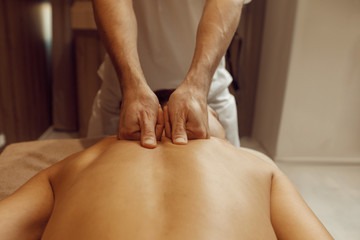
 Mental health care is increasingly becoming more integrated, with providers recognizing that physical and mental health are deeply connected. Therapeutic bodywork is now widely recognized as a complementary approach that may help reduce symptoms associated with anxiety, depression, and chronic stress by supporting nervous system regulation and improving physiological balance.
At the Urban Acupuncture Center, this integrated approach focuses on how hands-on therapies can support the nervous system, muscular system, and stress response pathways to help patients feel calmer, more resilient, and better able to manage daily stressors.
Key Takeaways About Mental Health and Bodywork
- Therapeutic bodywork may help regulate the autonomic nervous system
- Physical treatments can help reduce stress hormone levels
- Treatment may support improved sleep and relaxation responses
- Modern research shows connections between fascia, the nervous system, and emotional stress
- Body-based therapies are increasingly used alongside traditional mental health care
Understanding the Connection Between Physical Tension and Mental Health
Stress and anxiety are not just psychological experiences—they also create measurable physical changes in the body. Chronic stress can lead to:
- Increased muscle tension
- Elevated cortisol levels
- Nervous system overactivation
- Poor sleep quality
- Increased inflammation
- Digestive disruption
When the body remains in a prolonged stress response, the sympathetic nervous system (fight-or-flight response) can remain overactive. Therapeutic bodywork may help activate the parasympathetic nervous system, often called the rest-and-recovery response, which supports relaxation and recovery.
How Therapeutic Bodywork Affects the Nervous System
Modern research suggests that therapeutic touch may influence neurological signaling by stimulating sensory receptors in the skin and connective tissue. These signals travel through the peripheral nervous system to the brain, where they can influence stress regulation.
Physiological responses may include:
- Reduced heart rate
- Lower blood pressure
- Decreased cortisol levels
- Increased serotonin activity
- Increased dopamine activity
- Improved vagal nerve activity
These responses are associated with improved emotional regulation and reduced stress symptoms.
The Role of Fascial Pathways in Stress and Emotional Health
Fascia is the connective tissue network that surrounds muscles, organs, nerves, and blood vessels. Research continues to show that fascia contains sensory nerve endings that communicate directly with the nervous system.
Chronic stress may contribute to fascial tension patterns that can affect:
- Posture
- Breathing patterns
- Muscle tightness
- Pain sensitivity
- Movement efficiency
Therapeutic bodywork may help improve fascial mobility, which may reduce physical tension signals being sent to the brain. This may contribute to an overall reduction in perceived stress.
How Bodywork May Help Reduce Anxiety Symptoms
Many patients report improvements in anxiety symptoms after consistent treatment. This may be related to how therapeutic touch affects nervous system regulation.
Potential benefits may include:
- Improved relaxation response
- Reduced muscle guarding
- Improved breathing patterns
- Better sleep quality
- Reduced physical stress symptoms
- Improved body awareness
These physical improvements may help reduce the intensity of anxiety symptoms when combined with appropriate medical or mental health care.
How Bodywork May Support Depression Management
Depression is often associated with both psychological and physiological symptoms including fatigue, sleep disruption, and chronic pain. Therapeutic bodywork may help address some of these physical components.
Potential supportive effects may include:
- Improved circulation
- Reduced physical pain
- Improved sleep quality
- Increased endorphin activity
- Improved mind-body awareness
These effects may help support overall treatment plans when used alongside primary mental health care.
The Importance of an Integrated Care Approach
Modern healthcare increasingly recognizes the value of integrated treatment approaches. Therapeutic bodywork is not a replacement for mental health care, but it may serve as a supportive component of a comprehensive wellness plan.
Integrated care may include:
- Primary care providers
- Mental health professionals
- Physical therapists
- Chiropractic providers
- Acupuncture providers
- Wellness practitioners
This collaborative approach reflects a growing understanding that mental health is influenced by neurological, hormonal, and musculoskeletal factors.
Who May Benefit From Therapeutic Bodywork for Mental Health Support?
Patients experiencing the following may benefit from supportive bodywork:
- Chronic stress
- Anxiety symptoms
- Mild to moderate depression symptoms
- Muscle tension related to stress
- Headaches related to tension
- Stress-related sleep issues
- Burnout symptoms
Treatment plans should always be individualized based on patient needs and medical history.
What Patients Should Know Before Starting Treatment
Patients considering therapeutic bodywork for stress or mental health support should understand:
- Results are often cumulative with consistent care
- Treatment works best as part of a comprehensive wellness plan
- Communication with providers improves outcomes
- Treatment plans should be personalized
- Expectations should focus on regulation rather than instant change
A consultation helps determine the most appropriate approach based on individual health goals.
How Modern Bodywork Supports Whole-Person Wellness
As healthcare continues to evolve toward integrative models, therapies that support nervous system regulation and physical recovery are becoming more widely accepted. Treatments that address both physical and neurological stress responses may help patients build resilience and improve overall wellbeing.
By focusing on anatomy, physiology, and measurable nervous system responses, modern therapeutic bodywork continues to gain recognition as a supportive tool in comprehensive wellness strategies.
Frequently Asked Questions
Can therapeutic bodywork help with anxiety?
Some patients report reduced stress and anxiety symptoms due to improved nervous system regulation and relaxation responses.
Can bodywork replace mental health treatment?
No. Therapeutic bodywork should be considered a complementary approach rather than a replacement for mental health care.
How often should someone receive treatment for stress support?
Frequency varies, but some patients benefit from consistent sessions during periods of high stress.
Does bodywork affect the nervous system?
Yes. Sensory stimulation from therapeutic touch may influence nervous system activity and relaxation responses.
Is therapeutic bodywork medically recognized?
Body-based therapies are increasingly included in integrative health models that combine physical and mental healthcare approaches.
Contact Urban Acupuncture Center in Columbus, OH For More Information
For more information about how acupuncture, massage therapy, electroacupuncture and other alternative healing treatments can help you, please contact the Urban Acupuncture Center Board Certified Licensed Acupuncturist’s team at Indianola Ave, Columbus, Ohio (Clintonville) (614) 725-2488 or click here. Taking new patients in and around greater Columbus, Ohio.
Voted Best of Columbus Two Years in a Row!
References
Cleveland Clinic – Benefits of Massage Therapy
https://health.clevelandclinic.org/massage-therapy-benefits
National Center for Complementary and Integrative Health – Massage Therapy for Health
https://www.nccih.nih.gov/health/massage-therapy-what-you-need-to-know
American Psychological Association – Stress Effects on the Body
https://www.apa.org/topics/stress/body