
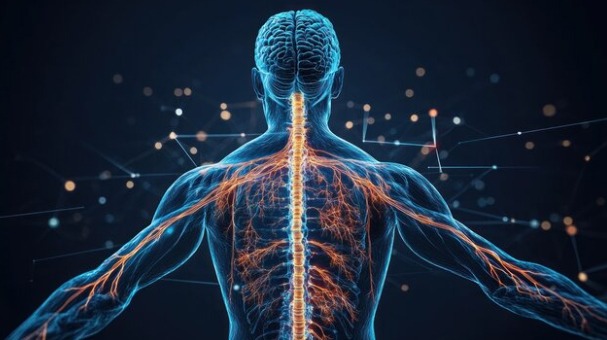
 Peripheral nerve stimulation (PNS) is a neuromodulation treatment used to manage certain types of chronic and neuropathic pain. By delivering electrical impulses near a targeted peripheral nerve, PNS may help change pain signaling and reduce pain for appropriately selected patients.
PNS has been studied for a growing number of pain conditions, including nerve injuries, post-amputation pain, headaches, back pain, shoulder pain, knee pain, peripheral neuropathy, and other chronic pain conditions.
However, PNS is not a treatment for every type of pain, and the strength of evidence varies considerably by condition. The best candidates are generally people with persistent pain that has not responded adequately to more conservative treatments and where a specific nerve or pain pathway can be identified.
Key Takeaways
- Peripheral nerve stimulation is primarily used to manage chronic and neuropathic pain.
- PNS can target specific peripheral nerves associated with a painful area.
- Conditions studied include peripheral nerve injuries, post-surgical pain, post-amputation pain, complex regional pain syndrome, chronic migraine, occipital neuralgia, chronic low back pain, shoulder pain, knee pain, foot and ankle pain, pelvic pain, and certain neuropathies.
- PNS may also be considered for some types of facial pain, nerve entrapment, plexus injuries, and other focal nerve-related pain conditions.
- Evidence is stronger for some applications than others.
- PNS should not be described as a universal cure. Patient selection, the specific nerve being targeted, the cause of the pain, and the type of PNS system used all matter.
What Is Peripheral Nerve Stimulation?
Peripheral nerve stimulation is a form of neuromodulation designed to influence pain signaling through a targeted peripheral nerve.
Unlike spinal cord stimulation, which targets structures near the spinal cord, PNS focuses on nerves outside the brain and spinal cord.
Depending on the system and treatment plan, a small electrode or lead may be positioned near the nerve associated with the painful area. Electrical impulses are then delivered to the targeted nerve.
The goal is generally to reduce pain and improve function, rather than simply mask the sensation temporarily.
Researchers believe PNS can influence the way pain signals are transmitted and processed by the nervous system, although the precise mechanisms are still being studied.
What Conditions Can Peripheral Nerve Stimulation Treat?
PNS has been studied for a wide range of chronic pain conditions. Some applications have stronger clinical evidence than others.
1. Peripheral Nerve Injury and Neuropathic Pain
One of the primary applications of PNS is chronic pain resulting from peripheral nerve injury or dysfunction.
Peripheral nerve pain can develop after trauma, surgery, nerve compression, or other types of nerve damage.
Symptoms may include:
- Burning pain
- Electric or shooting pain
- Tingling
- Numbness
- Hypersensitivity
- Pain from light touch
- Persistent aching along the path of a nerve
Research reviews have found evidence supporting PNS for selected patients with refractory peripheral nerve injuries and neuropathic pain.
2. Post-Surgical Nerve Pain
Some people develop persistent pain following surgery.
When the pain is related to a specific injured or irritated peripheral nerve, PNS may be considered as one treatment option.
Post-surgical neuropathic pain is different from the normal short-term pain expected during recovery. Persistent nerve-related pain may require a different treatment strategy.
Evidence for postsurgical pain varies depending on the specific procedure, nerve involved, and type of PNS treatment being considered.
3. Complex Regional Pain Syndrome (CRPS)
Complex regional pain syndrome, or CRPS, is a chronic pain condition that can develop after an injury, surgery, or other event affecting an extremity.
Symptoms can include:
- Severe pain
- Burning sensations
- Changes in skin temperature
- Changes in skin color
- Swelling
- Increased sensitivity
- Changes in movement or function
PNS has been studied as a treatment option for selected patients with CRPS and other peripheral neuropathic pain conditions.
Because CRPS can involve complicated changes throughout the nervous system, treatment needs to be individualized.
4. Post-Amputation and Phantom Limb Pain
PNS is also used in the management of post-amputation pain and phantom limb pain.
Phantom limb pain occurs when a person experiences pain or other sensations that seem to come from a body part that has been amputated.
PNS may target nerves associated with the residual limb or painful region.
This is one of the areas where clinical research has produced meaningful evidence. American Society of Pain and Neuroscience guidelines identify lower-extremity post-amputation pain as an indication with strong evidence for PNS.
5. Chronic Migraine
PNS has also been studied for certain chronic headache disorders.
One example is stimulation involving the occipital nerves, which are located at the back of the head.
Research and clinical guidelines have evaluated occipital nerve stimulation for chronic migraine and other headache disorders. A systematic review found Level I and II evidence for chronic migraine, although the specific technique and patient population matter.
PNS should not be assumed to be appropriate for every person with migraine. Headache diagnosis and previous treatments are important considerations.
6. Occipital Neuralgia
Occipital neuralgia causes pain involving the occipital nerves at the back of the head and neck.
Pain may be described as:
- Burning
- Sharp
- Shooting
- Electric
- Aching
PNS targeting the occipital nerves has been investigated for patients whose pain has not responded adequately to other treatments.
Recent consensus guidance identifies occipital neuralgia as an application with moderate evidence for certain PNS approaches.
7. Chronic Low Back Pain
PNS has increasingly been studied for chronic low back pain, including certain forms of persistent spinal pain.
Importantly, PNS is not appropriate for every type of back pain. Treatment selection depends on the source and pattern of the pain and whether an appropriate nerve or target can be identified.
Systematic reviews and more recent guidelines have reported evidence supporting PNS for selected patients with chronic low back pain.
8. Chronic Shoulder Pain
Shoulder pain is another area where PNS has been studied.
Peripheral nerves involved in shoulder movement and sensation can provide potential targets for stimulation.
Research has evaluated PNS for chronic shoulder pain, including pain associated with certain neurological or musculoskeletal conditions.
The American Society of Pain and Neuroscience has identified chronic shoulder pain among the conditions for which PNS has been studied, with evidence varying according to the specific diagnosis and treatment approach.
9. Chronic Knee Pain
PNS has also been investigated for chronic knee pain.
Treatment may involve targeting nerves associated with sensation around the knee, including genicular nerve targets.
Current consensus guidance includes knee pain among the applications being studied, including persistent pain after knee surgery and selected patients who are not candidates for or do not want additional surgery.
The evidence depends on the type of knee pain and the specific PNS technique used.
10. Foot and Ankle Pain
PNS can also be used to target nerves associated with chronic foot and ankle pain.
Potential applications include certain neuropathic pain conditions and persistent pain following surgery.
Recent guidelines specifically address foot and ankle pain, including refractory postoperative pain, as an area where PNS has been studied.
11. Diabetic Peripheral Neuropathy
Diabetic peripheral neuropathy can cause:
- Burning feet
- Tingling
- Numbness
- Shooting pain
- Electric sensations
- Increased sensitivity
PNS and other forms of neuromodulation have been investigated for neuropathic pain associated with diabetes.
However, it is important to distinguish pain management from treatment of the underlying diabetes or nerve damage.
PNS may be considered for selected patients with painful neuropathy, but it should not be presented as a way to reverse diabetes or automatically repair damaged nerves.
12. Chronic Pelvic Pain
PNS has also been studied for certain forms of chronic pelvic pain.
Because pelvic pain can have many different causes, identifying the source of the pain is particularly important before considering neuromodulation.
Systematic reviews have found evidence supporting PNS for selected chronic pelvic pain patients, although the evidence base is not as extensive as for some other applications.
13. Intercostal Neuralgia
Intercostal neuralgia involves pain affecting the nerves that run between the ribs.
It can cause:
- Burning pain
- Sharp or stabbing pain
- Shooting pain
- Pain that wraps around the chest or abdomen
When a specific peripheral nerve is responsible for persistent pain, PNS may be considered as a targeted treatment approach.
However, chest pain should always be appropriately evaluated before being attributed to a nerve condition.
14. Nerve Entrapment and Mononeuropathies
PNS may also have applications for certain nerve entrapment syndromes and mononeuropathies.
Examples include conditions in which an individual peripheral nerve becomes compressed, irritated, or damaged.
The advantage of PNS in these situations is that stimulation can potentially be directed toward a specific nerve rather than treating the nervous system more broadly.
Evidence for individual nerve entrapment conditions varies, and appropriate diagnosis is essential.
15. Plexus Injuries
Peripheral nerve stimulation has also been explored for pain associated with nerve plexus injuries.
A plexus is a network of nerves that supplies a particular region of the body. Injuries to these networks can result in significant and persistent neuropathic pain.
PNS may be considered when an appropriate peripheral nerve target can be identified.
16. Certain Facial and Trigeminal Pain Conditions
PNS has also been investigated for certain types of facial pain, including pain involving the trigeminal nerve and other peripheral cranial nerve targets.
These conditions require careful diagnosis because facial pain can have many different causes and may require neurological, dental, or other medical evaluation.
Recent reviews of neuromodulation describe PNS as an emerging treatment option for selected facial and trigeminal pain conditions, although evidence varies by diagnosis.
Other Conditions Being Investigated
Research into peripheral nerve stimulation continues to expand.
Additional applications being studied include:
- Chronic trunk pain
- Certain postoperative pain conditions
- Persistent pain following joint replacement
- Selected musculoskeletal pain conditions
- Certain nerve entrapment conditions
- Plexus-related pain
- Some neurological pain conditions
- Certain types of central or post-stroke pain
The important distinction is that “studied for” does not necessarily mean “proven to treat.”
Some applications have randomized controlled trial evidence and clinical guidelines supporting their use. Others are supported primarily by smaller studies, observational research, or emerging evidence.
Which Conditions Have the Strongest Evidence?
The evidence for PNS is not equal across every condition.
Research reviews and professional guidelines have identified relatively strong evidence for several applications, including certain forms of:
- Chronic migraine
- Post-amputation pain
- Lower-extremity neuropathic pain
- Chronic shoulder pain
- Selected chronic low back pain
- Certain knee pain conditions
Other applications, including some peripheral neuropathies, postsurgical pain, pelvic pain, facial pain, and nerve injuries, have varying levels of evidence depending on the specific diagnosis and PNS technique.
This is why a reputable PNS evaluation should focus on the specific diagnosis and nerve involved, rather than simply asking whether PNS “treats” a particular condition.
Who May Be a Candidate for Peripheral Nerve Stimulation?
PNS is generally considered for people with chronic, significant pain that is interfering with function or quality of life, particularly when more conservative treatments have not provided adequate relief.
Potential candidates may have:
- A clearly identified painful nerve or target
- Chronic neuropathic or focal pain
- Pain that has not responded adequately to conservative treatment
- Significant limitations caused by pain
- A diagnosis for which there is evidence supporting PNS
Professional guidelines emphasize appropriate patient selection and, in many circumstances, diagnostic nerve blocks or a stimulation trial before longer-term treatment.
Is Peripheral Nerve Stimulation a Cure?
No. PNS should generally be considered a pain-management treatment, not a guaranteed cure for the underlying disease or nerve injury.
The goal may be to reduce pain and improve function.
For example, someone with diabetic peripheral neuropathy may continue to have the underlying condition even if PNS reduces their neuropathic pain.
Similarly, a person with post-surgical nerve pain may still have the underlying nerve injury even if stimulation reduces the pain associated with it.
This distinction is important when evaluating any neuromodulation treatment.
How Does Peripheral Nerve Stimulation Work?
The exact mechanism is still being investigated, but PNS is thought to influence pain signaling within the peripheral and central nervous systems.
Electrical stimulation of sensory nerve fibers may alter the transmission and processing of pain signals. Researchers have also identified potential effects involving endogenous pain-inhibition pathways and other nervous-system mechanisms.
Because PNS can be directed toward a specific nerve, it may offer a more targeted approach for some forms of focal pain.
PNS vs. Other Electrical Stimulation Treatments
It is important not to confuse peripheral nerve stimulation with every other form of electrical stimulation.
TENS, for example, uses electrodes on the skin and is generally a noninvasive therapy.
Peripheral nerve stimulation can involve a lead positioned near a specific peripheral nerve, depending on the system being used.
Spinal cord stimulation targets structures associated with the spinal cord rather than an individual peripheral nerve.
These treatments have different mechanisms, indications, procedures, and evidence.
When researching “electrical stimulation for pain,” patients should ask exactly which technology is being recommended.
Frequently Asked Questions
What conditions can peripheral nerve stimulation treat?
PNS is primarily used to manage selected chronic and neuropathic pain conditions. Applications studied include peripheral nerve injuries, post-surgical nerve pain, CRPS, post-amputation pain, chronic migraine, occipital neuralgia, chronic low back pain, shoulder pain, knee pain, foot and ankle pain, pelvic pain, diabetic peripheral neuropathy, and certain facial or nerve-related pain conditions.
Can PNS help nerve pain?
PNS may help selected patients with chronic neuropathic pain, particularly when a specific peripheral nerve can be identified as a pain source. Evidence varies by diagnosis and treatment technique.
Can peripheral nerve stimulation help diabetic neuropathy?
PNS has been investigated for painful diabetic peripheral neuropathy and other forms of neuropathic pain. However, it should be viewed as a potential pain-management treatment rather than a cure for diabetes or the underlying nerve damage.
Can PNS help back pain?
Yes, PNS has been studied for selected forms of chronic low back and persistent spinal pain. It is not appropriate for every type of back pain, and identifying the source and pattern of pain is important.
Can PNS help knee pain?
PNS has been studied for chronic knee pain, including certain persistent postoperative knee pain conditions. Treatment depends on the cause of the knee pain and the nerves that can be targeted.
Can PNS help shoulder pain?
Yes. Chronic shoulder pain is one of the areas in which PNS has been studied, including stimulation of nerves involved in shoulder function and sensation.
Can PNS help phantom limb pain?
Yes. Peripheral nerve stimulation has been studied for post-amputation and phantom limb pain, and current professional guidelines identify post-amputation pain as an important PNS application.
Is peripheral nerve stimulation permanent?
Not necessarily. There are different PNS systems and treatment approaches, including temporary systems and implantable systems. The appropriate approach depends on the condition, treatment goals, and specific device being considered.
Is peripheral nerve stimulation the same as a TENS unit?
No. TENS delivers electrical stimulation through electrodes placed on the skin. PNS generally refers to stimulation directed at a specific peripheral nerve and may involve a lead placed near that nerve. The treatments should not be treated as interchangeable.
Peripheral nerve stimulation may help selected patients with chronic or neuropathic pain when a specific nerve or pain target can be identified.
Research has investigated PNS for a broad range of conditions, including nerve injuries, post-surgical pain, CRPS, post-amputation pain, migraine, occipital neuralgia, back pain, shoulder pain, knee pain, foot and ankle pain, pelvic pain, diabetic peripheral neuropathy, and certain facial and nerve-related pain conditions.
However, the strength of evidence differs substantially between conditions.
If you are considering PNS, the most important question is not simply “Can PNS treat my condition?” It is:
“Is there good evidence for PNS for my specific type of pain, and is there a nerve that can be appropriately targeted?”
A qualified healthcare professional can evaluate the source of your pain, previous treatments, medical history, and potential nerve targets to determine whether peripheral nerve stimulation is an appropriate option.
Contact Urban Acupuncture Center in Columbus, OH For More Information
For more information about how acupuncture, massage therapy, electroacupuncture and other alternative healing treatments can help you, please contact the Urban Acupuncture Center Board Certified Licensed Acupuncturist’s team at Indianola Ave, Columbus, Ohio (Clintonville) (614) 725-2488 or click here. Taking new patients in and around greater Columbus, Ohio.
Voted Best of Columbus Two Years in a Row!
References
PubMed — Peripheral Nerve Stimulation in Pain Management: A Systematic Review
PubMed: Peripheral Nerve Stimulation in Pain Management
American Society of Pain and Neuroscience — Evidence-Based Clinical Guidelines for Implantable PNS
PubMed: Evidence-Based Clinical Guidelines for Implantable Peripheral Nerve Stimulation
American Society of Pain and Neuroscience — 60-Day Peripheral Nerve Stimulation Consensus Guidelines
PMC: 60-Day Peripheral Nerve Stimulation Guidelines
Peripheral Nerve Stimulation for Chronic Pain — Systematic Review of Effectiveness and Safety
PMC: Peripheral Nerve Stimulation for Chronic Pain
American Society of Interventional Pain Physicians — Comprehensive Evidence-Based Guidelines for Implantable PNS
PubMed: Comprehensive PNS Guidelines
Medical Disclaimer
This article is intended for educational purposes only and does not constitute medical advice, diagnosis, or treatment. Peripheral nerve stimulation is not appropriate for everyone, and the evidence varies by condition and treatment approach. Patients should discuss their symptoms and treatment options with a qualified healthcare professional.