
Diabetes Help
Diabetes is one of the most common chronic health conditions worldwide, affecting millions of people’s daily lives. Managing blood sugar levels usually involves a combination of medication, healthy eating, and regular exercise — but did you know that acupuncture can also be a supportive tool for people living with diabetes?
While acupuncture is not a replacement for your prescribed diabetes treatments, many people find it helps them manage symptoms, reduce complications, and improve overall well-being. Here’s how acupuncture fits into a diabetes care plan, what it may help with, and what to expect if you decide to try it.
Understanding Diabetes and Its Challenges
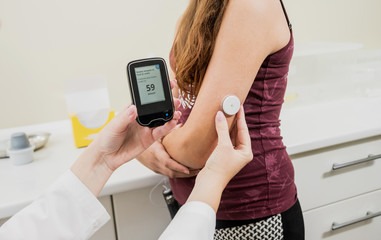 Diabetes occurs when your body either doesn’t produce enough insulin (Type 1 diabetes) or doesn’t use insulin effectively (Type 2 diabetes). Over time, poorly managed blood sugar can lead to:
- Fatigue and low energy
- Weight fluctuations
- Nerve pain (diabetic neuropathy)
- Slow wound healing
- Poor circulation
- Increased stress and mood swings
Modern diabetes care focuses on keeping blood sugar stable to prevent these complications. Many patients also look for holistic ways to manage stress, improve energy, and address symptoms like nerve pain — and that’s where acupuncture can come in.
How Acupuncture May Help People with Diabetes
Acupuncture is an ancient therapy that involves placing very thin, sterile needles at specific points on the body. From a Western medicine perspective, this process can help:
- Regulate the nervous system: Calming the fight-or-flight response and lowering stress hormones, which may indirectly help keep blood sugar levels steadier.
- Improve circulation: Better blood flow supports wound healing and helps supply oxygen and nutrients to tissues affected by diabetes.
- Reduce inflammation: Chronic inflammation is linked to insulin resistance and complications. Acupuncture may help calm inflammatory pathways.
- Relieve diabetic neuropathy: Studies suggest acupuncture can help ease tingling, numbness, and nerve pain in the hands and feet.
- Support overall well-being: Many people report better sleep, improved mood, and more energy — all important for staying active and making healthy lifestyle choices.
What Acupuncture Cannot Do
While acupuncture can be a helpful complement to your diabetes care, it is not a substitute for your insulin, oral medications, or regular doctor visits. Always follow your doctor’s treatment plan and use acupuncture as a supportive therapy, not a cure.
Tips for Getting the Most Out of Acupuncture:
- Stay hydrated before and after your session
- Eat a small, healthy meal beforehand (avoid coming on an empty stomach)
- Wear comfortable clothing
- Allow time to rest afterward if you feel very relaxed
How Many Treatments Do I Need?
- Many people start with 1–2 sessions per week for a few weeks
- Maintenance visits can help keep up results
- Your plan will be personalized based on your symptoms and goals
What to Expect During an Acupuncture Session
A licensed acupuncturist will take a detailed health history, including your diabetes type, medications, and symptoms. Treatment usually includes:
- Comfortable placement: Tiny needles are gently inserted at points related to energy balance, circulation, and nerve health.
- Relaxation time: You’ll rest for about 20–30 minutes while the needles do their work. Many people feel deeply relaxed and may even nap!
- Mild side effects: You might notice slight redness or mild soreness at needle sites — these go away quickly.
Most people benefit from a series of treatments — for example, once or twice a week for several weeks — followed by occasional maintenance visits.
Safety Considerations
- Always choose a licensed acupuncturist familiar with treating patients with chronic conditions.
- Let your acupuncturist know about all your medications and any complications like neuropathy or poor wound healing.
- Check your blood sugar as recommended, especially if you feel extra relaxed or sleepy after treatment.
Acupuncture can be a gentle, natural way to complement your diabetes management plan — helping with nerve pain, stress, circulation, and overall quality of life.
When paired with medication, healthy eating, and exercise, acupuncture may help you feel more comfortable and in control of your health.
Interested in trying acupuncture for diabetes support?
Talk with your doctor and schedule a consultation with a licensed acupuncturist to see how this ancient practice can fit into your modern diabetes care plan.
Contact Urban Acupuncture Center in Columbus, OH For More Information
For more information about how acupuncture, massage therapy, electroacupuncture and other alternative healing treatments can help you, please contact the Urban Acupuncture Center Board Certified Licensed Acupuncturist’s team at Indianola Ave, Columbus, Ohio (Clintonville) (614) 725-2488 or click here. Taking new patients in and around greater Columbus, Ohio.