by urban-acupuncture | Mar 1, 2026 | Acupuncture Columbus, Holistic Health, Massage Therapy
 Living with chronic or recurring pain can affect every aspect of daily life—from sleep and mobility to mood and overall quality of life. At Urban Acupuncture Center in Columbus, Ohio, a holistic approach to pain management combines acupuncture, massage therapy, and Reiki to help address pain at its source while supporting the body’s natural healing processes.
Rather than masking symptoms, these complementary therapies focus on restoring balance, reducing inflammation, improving circulation, and calming the nervous system—key factors in long-term pain relief.
Frequently Asked Questions About Holistic Pain Management
Can acupuncture, massage, and Reiki really help with pain?
Yes. Numerous clinical studies show that acupuncture and massage are effective for managing chronic pain, muscle tension, headaches, joint pain, and stress-related discomfort. Reiki has also been shown to reduce pain perception and promote deep relaxation.
What types of pain respond best to these treatments?
These therapies are commonly used for back and neck pain, migraines, arthritis, sciatica, sports injuries, repetitive strain injuries, fibromyalgia, and stress-related pain conditions.
How long does it take to feel results?
Some patients experience relief after their first session, while chronic pain conditions often improve gradually over a series of treatments. Consistency is key for lasting results.
Are these therapies safe?
When provided by trained professionals, acupuncture, massage, and Reiki are considered very safe with minimal side effects. Mild soreness or temporary fatigue may occur as the body adjusts.
A Whole-Body Approach to Pain Relief
Acupuncture: Targeting Pain at Its Source
Acupuncture is a cornerstone of integrative pain management. Using ultra-thin needles placed at specific points, acupuncture helps regulate the nervous system, increase blood flow, reduce inflammation, and stimulate the release of natural pain-relieving chemicals such as endorphins.
At Urban Acupuncture Center, acupuncture is commonly used to help manage:
-
Chronic muscle and joint pain
-
Migraines and tension headaches
-
Back, neck, and shoulder pain
-
Stress-related pain and tension
This therapy supports both immediate relief and long-term pain reduction by addressing underlying imbalances rather than just symptoms.
Massage Therapy: Releasing Tension and Improving Mobility
Massage therapy plays an important role in pain management by addressing muscular tightness and restricted movement. Therapeutic massage helps:
-
Loosen tight or overworked muscles
-
Improve circulation and lymphatic flow
-
Increase range of motion
-
Reduce stress that contributes to pain flare-ups
Massage is especially beneficial when combined with acupuncture, as relaxed muscles allow acupuncture treatments to work more effectively.
Reiki: Supporting the Nervous System and Stress Response
Reiki is a gentle energy-based therapy that promotes deep relaxation and emotional balance. While Reiki does not involve physical manipulation, it can significantly impact pain by calming the nervous system and reducing stress-related tension.
For individuals whose pain is worsened by anxiety, emotional stress, or poor sleep, Reiki can be a valuable part of a comprehensive pain management plan.
Why Combine These Therapies?
Pain is rarely caused by one factor alone. Muscle tension, inflammation, stress, posture, emotional health, and nervous system regulation all play a role. By combining acupuncture, massage, and Reiki, Urban Acupuncture Center offers a multi-layered approach that supports the body physically and mentally.
Benefits of integrative pain care include:
-
More comprehensive pain relief
-
Reduced reliance on medications
-
Improved sleep and energy levels
-
Enhanced overall wellness and resilience
Pain Management at Urban Acupuncture Center in Columbus, OH
Urban Acupuncture Center is committed to providing accessible, effective, and compassionate care. Their experienced practitioners tailor each treatment plan to the individual, ensuring that pain management strategies align with personal health goals and lifestyles.
Whether you are dealing with chronic pain or looking for a natural way to manage stress-related discomfort, integrative therapies can offer meaningful relief and long-term support.
Contact Urban Acupuncture Center in Columbus, OH For More Information
For more information about how acupuncture, massage therapy, electroacupuncture and other alternative healing treatments can help you, please contact the Urban Acupuncture Center Board Certified Licensed Acupuncturist’s team at Indianola Ave, Columbus, Ohio (Clintonville) (614) 725-2488 or click here. Taking new patients in and around greater Columbus, Ohio.
Voted Best of Columbus Two Years in a Row!
References & Additional Reading
by urban-acupuncture | Sep 5, 2025 | Acupuncture, Holistic Health
 Healthcare is evolving to emphasize whole-body wellness rather than just treating isolated symptoms. Acupuncture, when combined with personalized nutrition and herbal medicine, creates a powerful, integrative approach to improving health and maintaining long-term balance.
Acupuncture as a Core Therapy
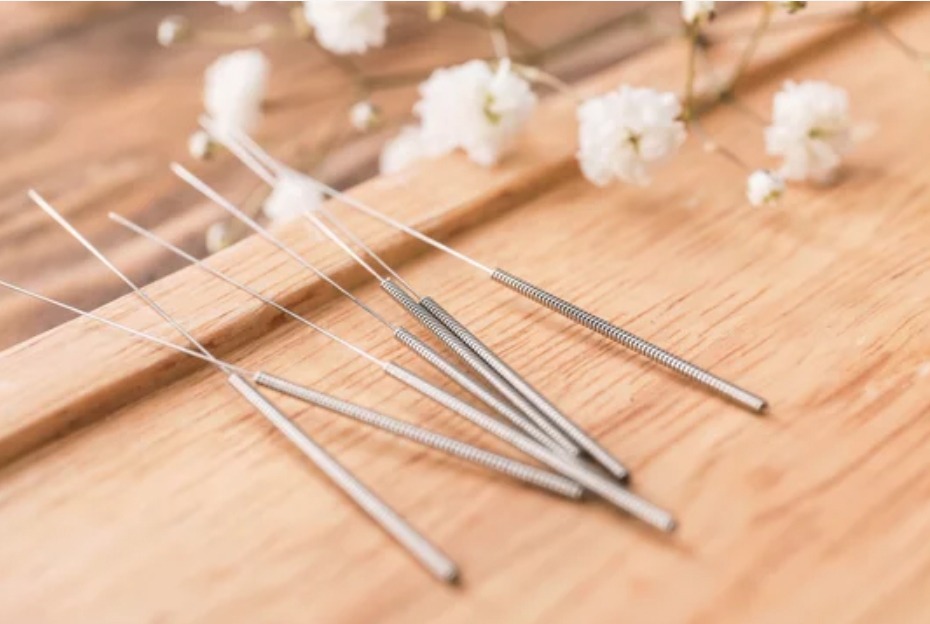
Acupuncture involves the gentle placement of fine, sterile needles at specific points on the body. These points are chosen to encourage circulation, support the nervous system, and promote the body’s natural healing response. Many people turn to acupuncture for pain relief, but its benefits go much further:
- Reducing stress and calming the mind
- Improving sleep and digestive function
- Supporting immune health and overall energy
- Encouraging hormonal and metabolic balance
By helping the body function more efficiently, acupuncture lays a strong foundation for other natural therapies to take effect.
Nutrition: Fueling the Healing Process
Food plays a central role in health. When combined with acupuncture, a personalized nutrition plan can speed recovery, reduce inflammation, and build lasting vitality.
- Choosing whole, nutrient-rich foods helps regulate blood sugar and stabilize energy levels.
- Minimizing processed foods can lower inflammation and reduce the burden on the body.
- Adjusting meal patterns and portion sizes can improve digestion and metabolism.
When acupuncture and nutrition work hand in hand, the body becomes more resilient and better equipped to repair itself.
Herbal Medicine: A Natural Complement
Herbal supplements and remedies have been used for generations to support specific health goals. When guided by a knowledgeable practitioner, they can:
- Extend the benefits of acupuncture between sessions
- Target issues like stress, poor sleep, or joint discomfort
- Provide antioxidant and anti-inflammatory support to the body
When carefully selected, herbal remedies work in harmony with acupuncture and nutrition to create steady, long-lasting improvements in health.
Acupuncture as Part of a Holistic Wellness Plan
Rather than viewing acupuncture as a single solution, it’s most effective when used as the centerpiece of an overall wellness strategy:
- Assessment: Understand your individual health goals and challenges.
- Treatment: Use acupuncture to address symptoms and improve systemic balance.
- Nutritional Support: Reinforce progress through personalized dietary changes.
- Herbal Remedies: Provide targeted support to keep the body functioning at its best.
This integrated approach not only relieves immediate concerns but also helps prevent them from returning, leading to better long-term health and vitality.
Contact Urban Acupuncture Center in Columbus, OH For More Information
For more information about how acupuncture, massage therapy, electroacupuncture and other alternative healing treatments can help you, please contact the Urban Acupuncture Center Board Certified Licensed Acupuncturist’s team at Indianola Ave, Columbus, Ohio (Clintonville) (614) 725-2488 or click here. Taking new patients in and around greater Columbus, Ohio.
Voted Best of Columbus Two Years in a Row!
by urban-acupuncture | Jun 1, 2025 | Holistic Health, Treatments
Ways Herbal Medicines Affect the Immune System
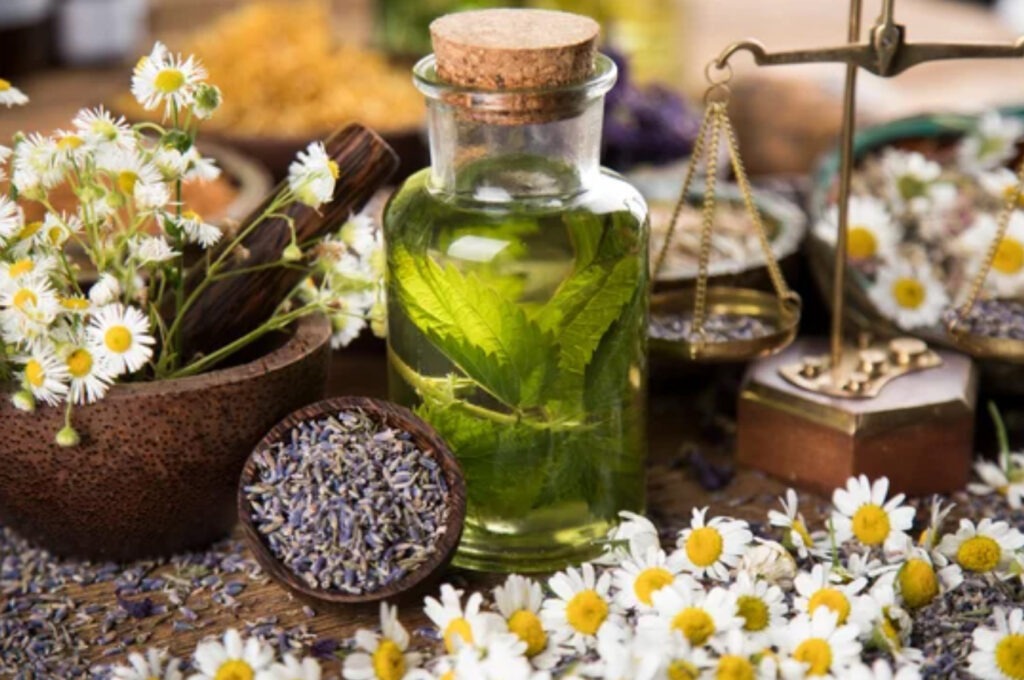 Herbal medicines can impact the immune system in cancer patients by acting as immunomodulators, which means they can enhance, restore, or modify the immune response. This is crucial in cancer treatment, as cancer often evades immune surveillance due to its low immunogenicity. Here are some ways herbal medicines affect the immune system:
Impact of Herbal Medicines on the Immune System
- Immunomodulation
Herbal medicines like Ganoderma lucidum (reishi mushroom), Sophora flavescens, and Scutellaria baicalensis have been shown to stimulate the immune system by activating macrophages, T lymphocytes, and natural killer (NK) cells. These cells play a key role in recognizing and eliminating cancer cells.
- Enhancing Innate Immunity
Herbs such as Astragalus membranaceus and Panax ginseng are known to increase white blood cell counts, which can help restore immune function in cancer patients. This is particularly important during chemotherapy, which can suppress the immune system.
- Regulation of Tumor Microenvironment (TME)
Some herbal compounds can regulate the TME by exhibiting anti-inflammatory and cytotoxic effects on tumors. This regulation helps in creating an environment unfavorable for cancer growth and progression.
- Adjuvant Effects
Herbal medicines can also enhance the sensitivity of cancer cells to chemotherapy, potentially improving treatment outcomes. For example, certain herbs may increase the effectiveness of chemotherapeutic agents by modulating immune responses.
- Safety Considerations
While herbal medicines are generally considered natural and safe, they can interact with conventional treatments or have side effects, especially in high doses or with prolonged use. It’s essential for cancer patients to consult healthcare providers before using herbal remedies.
Several herbal remedies have shown promise in cancer treatment, although they are generally used as complementary therapies rather than replacements for conventional treatments. Here are some of the most promising herbal remedies:
Promising Herbal Remedies for Cancer Treatment
- Turmeric/Curcumin
Turmeric contains curcumin, which has been shown to inhibit the growth of cancer cells and exhibit anti-inflammatory and antioxidant properties. It is used for both cancer prevention and treatment.
- Ginger
Ginger has anti-inflammatory and anti-cancer effects in lab studies. It is particularly effective in reducing chemotherapy-related nausea and vomiting.
- Astragalus
Astragalus may reduce the side effects of chemotherapy, such as nausea and fatigue, and improve quality of life for cancer patients. It is often used in combination with conventional treatments.
- Dong Quai
Traditionally used in Chinese medicine, dong quai may offer protective effects against heart damage caused by certain chemotherapy drugs. However, its safety and efficacy for cancer treatment need further research.
- Moringa Tree
Moringa has been shown to kill ovarian cancer cells in test tube studies and may help alleviate symptoms such as difficulty breathing and joint pain.
- Berberine
This compound, found in plants like goldenseal and barberry, has shown promise in fighting lung cancer in laboratory experiments.
- Essiac Tea
While not proven to cure cancer, Essiac tea contains antioxidants that may help manage symptoms and support overall health.
- Ginseng
Ginseng is believed to reduce inflammation and tumor growth and protect healthy cells from damage. It is often used to mitigate chemotherapy side effects.
- Centella Asiatica (Gotu Kola)
This herb has shown potential as an anticancer agent by inhibiting tumor cell proliferation in animal studies.
- Phyllanthus amarus
Known for its antitumor effects, this plant may inhibit carcinogenic compound activation and induce cell cycle arrest.
While these herbal remedies show promise, it’s crucial to consult with healthcare providers before using them, as they may interact with conventional treatments or have side effects.
Learn More About Herbal Therapy at UAC…
Contact Urban Acupuncture Center in Columbus, OH For More Information
For more information about how acupuncture, massage therapy, electroacupuncture and other alternative healing treatments can help you, please contact the Urban Acupuncture Center Board Certified Licensed Acupuncturist’s team at Indianola Ave, Columbus, Ohio (Clintonville) (614) 725-2488 or click here. Taking new patients in and around greater Columbus, Ohio.
by urban-acupuncture | May 21, 2025 | Holistic Health
Join Ian for a Sitting Meditation Workshop! Sunday, June 1st from 2 – 3:30 pm
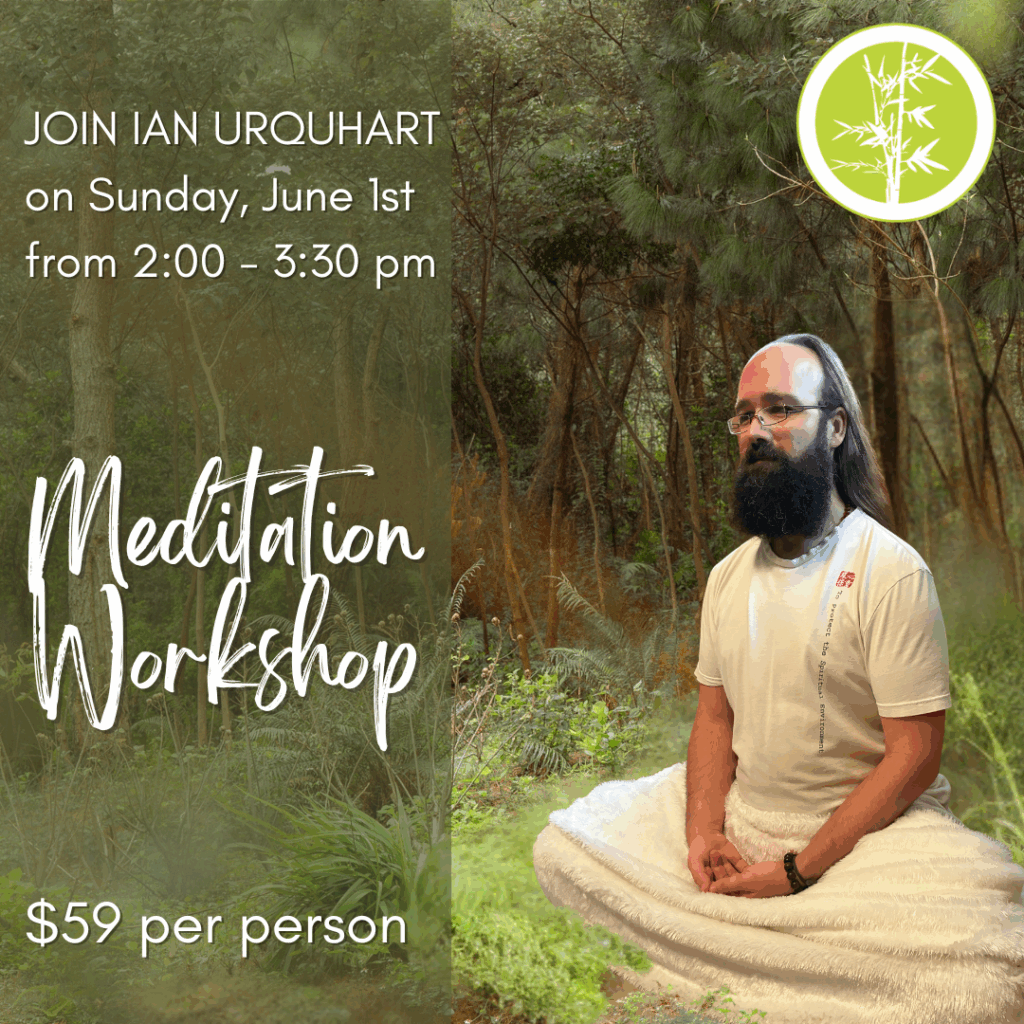 Meditation works like observer phenomenon in quantum mechanics in which the act of observing the process, changes it. If you know you are being watched, your behavior changes. Apparently this is true for people, brains, and particles! In this case, meditation allows us to observe how our mind functions in relation to the world and subsequently reprogram our habitual reactivity. Teaching the mind to settle (or focus) on one object improves our ability to choose in life.
Meditation helps calm the nervous system, improve emotional awareness and regulation, and increase neuroplasticity. Neuroplasticity is the extraordinary ability of the brain to adapt, change, and rewire itself in response to activities or experiences that stimulate it. Meditation can actually strengthen existing neural pathways, create new ones, or weaken existing ones that are no longer benefitting you.
Ian will cover the underlying concepts of how and why meditation is so impactful along with:
- Prepping the body for stretching & meditation posture
- Methods of practice &
- Practical applications
This workshop is for anyone (of any age) looking for tools to ease anxiety, calm their nervous system, improve emotional awareness & regulation, increase neuroplasticity, or just wanting to live a clearer, more intentional life. Meditation is one of myriad instruments that can guide you throughout a lifelong journey of growth and healing.
As always, please call the office if you have additional questions (614) 725-2488.
Contact Urban Acupuncture Center in Columbus, OH For More Information
For more information about how acupuncture, massage therapy, electroacupuncture and other alternative healing treatments can help you, please contact the Urban Acupuncture Center Board Certified Licensed Acupuncturist’s team at Indianola Ave, Columbus, Ohio (Clintonville) (614) 725-2488 or click here. Taking new patients in and around greater Columbus, Ohio.
by urban-acupuncture | May 1, 2025 | Holistic Health, Treatments
What is Herbal Medicine Therapy?
 Herbal medicine, also known as botanical medicine or phytomedicine, involves using plants or plant extracts like seeds, berries, roots, leaves, bark, or flowers to treat illnesses and enhance overall health. It has ancient origins and is used to prevent or cure disease, relieve symptoms, boost energy, relax, or lose weight.
- How it works Herbal medicine aims to restore the body so it can protect, regulate, and heal itself, taking a whole-body approach that considers physical, mental, and emotional well-being.
- Forms Herbal supplements are available in various forms, including tablets, capsules, powders, teas, extracts, and fresh or dried plants. They can be swallowed as pills, brewed as tea, used on the skin as gels or creams, or added to bath water.
- Regulation Herbal remedies are a type of dietary supplement but are not regulated or tested like medicines.
- Western herbal medicine Focuses on treating the whole person, considering their health history, family history, diet, and lifestyle, and commonly uses European and North American herbs.
- Traditional Chinese Medicine (TCM) Uses hundreds of medicinal substances from plants, combining different plant parts into teas, capsules, tinctures, or powders.
Common Herbs Used and Their Potential Benefits:
- Chamomile: Used as a remedy for nausea and upper respiratory infections.
- Dong quai: Used for gynecological complaints such as premenstrual tension, menopause symptoms, and period pain.
- Echinacea: Used to stimulate the immune system and aid the body in fighting infection.
- Elderberry: Primarily marketed as a treatment for symptoms associated with the flu and common cold.
- Turmeric: Contains curcumin, known for its anti-inflammatory and antioxidant properties, which may inhibit the growth of cancer cells. To increase absorption, it can be mixed with black pepper and olive oil.
- Ginger: May effectively reduce nausea (including motion sickness), vomiting, and pain associated with cancer treatments. It also exhibits anti-inflammatory and anticancer effects in lab studies.
- Garlic: Used to reduce the risk of heart disease and fight colds and respiratory infections. May reduce tumor growth and help protect healthy cells from damage caused by chemotherapy drugs. It also helps boost the immune system.
- Ginseng: Generally used to treat fatigue. May reduce inflammation and cancer tumor growth and protect healthy cells from damage.
- Essiac Tea: Contains herbs known for their immune-boosting effects and is rich in antioxidants.
- Cayenne Pepper: Contains capsaicin, a powerful antioxidant and anti-inflammatory compound that is toxic to cancer cells and helps prevent their growth.
- Ginkgo: Used to treat poor blood circulation and tinnitus. Contains ginkgolides, which possess anti-inflammatory, antioxidant, and anticancer properties.
It is important to consult with a healthcare provider before using herbal medicine, as some herbs can cause harm or interact with medications.
What Herbal Medicine Therapy Treats:
- Allergies and Asthma: Herbal medicine is used to treat allergies and asthma.
- Anxiety and Depression: Herbal medicine can help people relax and cope with anxiety and depression. St. John’s wort is known for its antidepressant effects. Valerian root is often used as a natural sleep and anti-anxiety aid.
- Cancer: Herbal medicine is one of the most used complementary and alternative therapies by people with cancer. Some herbal remedies might prevent or relieve cancer symptoms and help with treatment side effects.
- Cardiovascular Conditions: Garlic is generally used for cardiovascular conditions, including high cholesterol and triglyceride levels linked to atherosclerosis. Other herbs are used for several heart-related conditions, such as angina, atherosclerosis, heart failure, and high blood pressure.
- Chronic Fatigue: Herbal medicine is used to treat chronic fatigue.
- Colds and Flu: Echinacea is used to stimulate the immune system and aid the body in fighting infection, such as colds and flu. Elderberry is primarily marketed as a treatment for symptoms associated with the flu and common cold.
- Eczema: Herbal medicine is used to treat eczema.
- Gynaecological Complaints: Dong quai is used for gynaecological complaints such as premenstrual tension, menopause symptoms, and period pain. Feverfew’s pain-relieving properties have been used for menstrual cramps.
- Irritable Bowel Syndrome: Herbal medicine is used to treat irritable bowel syndrome.
- Migraine: Herbal medicine is used to treat migraine. The pain-relieving properties of feverfew have been used for migraine headaches.
- Nausea: Ginger has been shown to be useful in treating nausea, including motion sickness and morning sickness. Chamomile has been used as a remedy for nausea.
- Prostate Issues: Saw palmetto is used for the treatment of benign prostatic hyperplasia (BPH), a noncancerous enlargement of the prostate gland.
- Respiratory Infections: Garlic’s antibiotic and antiviral properties mean that it is also used to fight colds, sinusitis, and other respiratory infections. Chamomile has been used as a remedy for upper respiratory infections.
- Rheumatoid Arthritis and Fibromyalgia: Herbal medicine is used to treat rheumatoid arthritis and fibromyalgia.
It is best to take herbal supplements under the guidance of a trained provider. Since herbal medicines can potentially interact with prescription medications and may worsen certain medical conditions, be sure to consult with your doctor or pharmacist before taking any herbs.
Learn More about Herbal Medicine Therapy at UAC…
Contact Urban Acupuncture Center in Columbus, OH For More Information and Treatment Options
For more information about how acupuncture, massage therapy, electroacupuncture and other alternative healing treatments can help you, please contact the Urban Acupuncture Center Board Certified Licensed Acupuncturist’s team at Indianola Ave, Columbus, Ohio (Clintonville) (614) 725-2488 or click here. Taking new patients in and around greater Columbus, Ohio.
by urban-acupuncture | Apr 1, 2025 | Holistic Health, Treatments
Gong Sound Baths, Gua Sha, and Singing Bowls – Book Your Appointment Today!
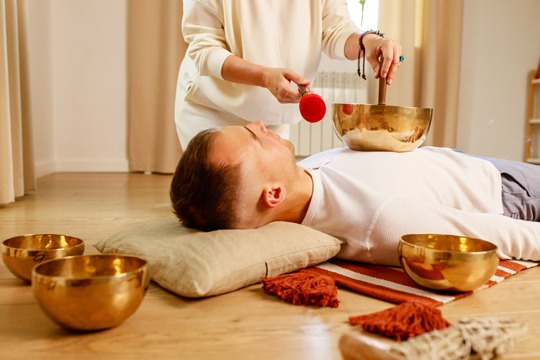
In today’s fast-paced world, stress and anxiety have become common challenges, making relaxation and mindfulness more important than ever. Ancient healing techniques such as gong sound baths, Gua Sha, and singing bowls offer powerful ways to promote deep relaxation, meditation, and stress reduction. These practices, rooted in traditional medicine and sound therapy, help harmonize the mind and body, fostering a sense of balance and well-being.
Gong Sound Baths: Immersion in Healing Vibrations
A gong sound bath is a form of sound therapy where participants are immersed in the deep, resonant vibrations of gongs. Unlike a traditional bath, this experience involves “bathing” in sound waves, which stimulate the body’s natural healing processes and promote deep relaxation.
Benefits of Gong Sound Baths
- Reduces Stress & Anxiety: Gong vibrations interact with the brain’s frequencies, shifting the mind from an active state (beta waves) to a relaxed state (alpha and theta waves), leading to deep relaxation.
- Enhances Meditation: The continuous sound helps quiet mental chatter, allowing for deeper focus and mindfulness.
- Encourages Emotional Release: Vibrations can help release stored emotions and energy blockages, promoting emotional balance.
- Improves Sleep & Mental Clarity: Many participants experience improved sleep patterns and greater mental clarity after sessions.
- Supports Physical Well-being: The frequencies of gongs may also reduce pain, improve circulation, and boost immune function.
What to Expect in a Gong Sound Bath Session
A typical session lasts 45 to 90 minutes and includes:
- Intention Setting: Participants set a personal intention for relaxation or healing.
- Comfortable Positioning: Lying on mats or cushions for comfort.
- Breathwork & Grounding: Some sessions start with guided breathing exercises.
- Immersion in Sound: Gongs create a layered vibrational experience, often described as a “massage for the mind and body.”
- Gradual Closing: Gentle sounds help transition participants back to full awareness.
Singing Bowls: Harmonizing Body and Mind
Similar to gong sound baths, singing bowls are used for meditation, relaxation, and healing. These bowls, typically made from metal or crystal, produce soothing tones when struck or played with a mallet.
Benefits of Singing Bowls
- Promotes Deep Relaxation: The gentle, harmonic vibrations induce a meditative state.
- Balances Energy Centers: Singing bowls are often used in chakra balancing practices.
- Enhances Emotional Well-being: The tones help release emotional blockages and reduce stress.
- Aids in Sleep & Mental Focus: Regular use of singing bowls has been linked to improved sleep and concentration.
Singing bowls are commonly used in yoga, meditation, and holistic healing sessions. Their frequencies resonate with different energy centers in the body, helping to restore balance.
Gua Sha: Physical and Energetic Healing
While sound healing works on a vibrational level, Gua Sha is a physical practice that complements sound therapy by promoting circulation and releasing tension. Gua Sha is a traditional Chinese healing technique that involves using a smooth-edged tool to gently scrape the skin, stimulating blood flow and reducing inflammation.
Benefits of Gua Sha
- Reduces Muscle Tension: Helps relieve stiffness and pain by improving circulation.
- Enhances Lymphatic Drainage: Supports detoxification and reduces puffiness.
- Boosts Energy Flow (Qi): Restores balance in the body’s energy pathways.
- Promotes Skin Health: Increases collagen production, improving skin texture and glow.
Gua Sha is often practiced alongside meditation and sound healing to enhance relaxation and physical well-being. It can be used on the face, neck, and body to release tension and improve overall vitality.
Integrating Gong Sound Baths, Singing Bowls, and Gua Sha for Holistic Healing
Combining these three healing modalities can create a powerful self-care routine that nurtures both the body and mind. Here’s how they work together:
- Start with Gua Sha: Begin by gently massaging the face or body to release tension and improve circulation.
- Follow with a Singing Bowl Session: Let the harmonic tones calm your nervous system and bring mental clarity.
- End with a Gong Sound Bath: Allow the deep vibrations to guide you into a meditative and restful state.
This combination of physical touch, vibration, and sound healing creates a comprehensive experience that supports relaxation, mindfulness, and holistic well-being.
A Journey to Inner Peace
Incorporating gong sound baths, singing bowls, and Gua Sha into your wellness routine can lead to profound relaxation, stress reduction, and emotional balance. Whether you’re looking for a meditative escape, relief from anxiety, or a way to deepen your mind-body connection, these ancient practices offer a holistic path to healing and self-care.
Would you like to explore more about sound healing and alternative therapies? Contact Urban Acupuncture Center in Columbus, OH for more information…
For more information about how acupuncture, massage therapy, electroacupuncture and other alternative healing treatments can help you, please contact the Urban Acupuncture Center Board Certified Licensed Acupuncturist’s team at Indianola Ave, Columbus, Ohio (Clintonville) (614) 725-2488 or click here. Taking new patients in and around greater Columbus, Ohio.