by urban-acupuncture | Jun 1, 2019 | Acupuncture Columbus
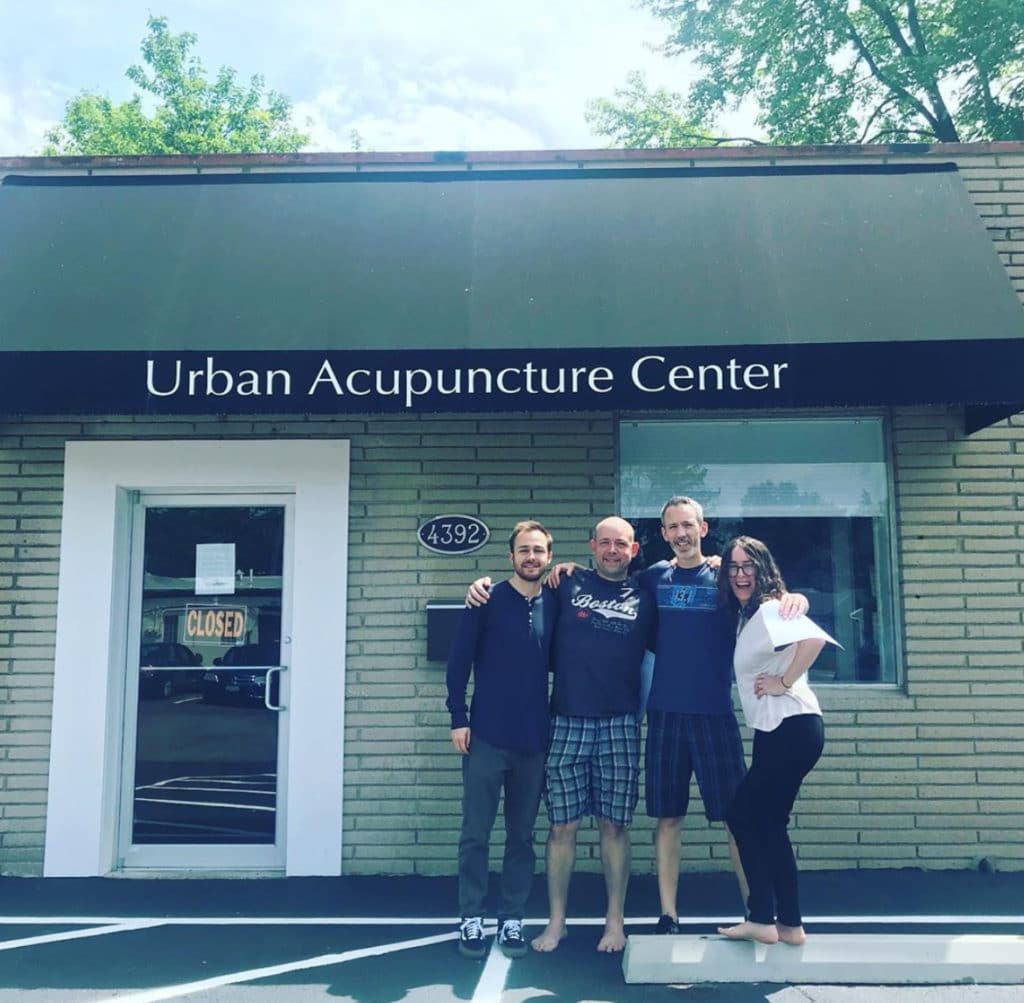
Urban Acupuncture Center’s New Home is located at:
4392 Indianola Ave
Columbus, OH 43214
Farewell to our first location on High St.
We look forward to creating beautiful energy at our new space!
by urban-acupuncture | Jun 1, 2019 | Acupuncture Columbus
Menstrual Pain Treatment
 Studies show that the intensity and duration of period pain can be reduced by up to 50 percent by administering acupuncture. Acupuncture is a way to resolve menstrual pain and other reproductive health-related issues naturally, without the unwanted side effects that often come with other forms of treatment.
How does acupuncture work to ease menstrual pain?
Acupuncture works for reproductive health in four ways:
- Promotes optimal blood flow to and through the reproductive organs
- Reduces chronic inflammation – acupuncture stimulates the vagus nerve and causes a rise in dopamine (a neurotransmitter linked to pleasure). In turn, this reduces inflammation.
- Improves hormone balance
- Reduces stress by releasing endorphins — a naturally-produced chemical that plays a large role in relieving pain, stress, and depression.
Causes of Menstrual Pain
Menstrual cramps are pains in a woman’s lower abdomen that occur when her menstrual period begins (or just before) and may continue for two to three days. They may be throbbing or aching and can be dull or sharp. Symptoms can range in severity from a mild annoyance to severe pain that interferes with normal activities.
Prostaglandins are chemicals a woman’s body produces that cause many of the symptoms associated with menstrual discomfort. The tissue that lines the uterus makes these chemicals. Prostaglandins stimulate the uterine muscles to contract. Women who have high levels of prostaglandin may experience more intense contractions of their uterus and more pain. Prostaglandins may also be responsible for vomiting, diarrhea, and headaches that accompany painful periods.
Symptoms of Menstrual Pain
In addition to cramps in the lower abdomen, a woman may also experience some of these symptoms with menstrual cramps:
- Lower back pain
- Leg pain, radiating down the legs
- Nausea
- Vomiting
- Diarrhea
- Headaches
- Irritability
- Weakness
- Fainting spells (in extreme cases)
For more information about how acupuncture and other treatments can help you, please contact the Urban Acupuncture Center Board Certified Licensed Acupuncturist’s team at Indianola Ave, Clintonville (614) 725-2488 | Main St, Westerville (614) 426-4406 or click here. Taking new patients in and around greater Columbus, Ohio.
by urban-acupuncture | May 20, 2019 | Acupuncture Columbus
Acupuncture Can Help Increase Circulation
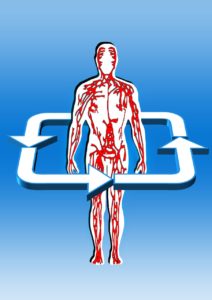 Acupuncture helps improve the circulatory system by stimulating energy pathways in the body and can enhance peripheral blood flow. This healing treatment began thousands of years ago in China and is still used in modern medicine.
Acupuncture practitioners insert needles in various parts of the body to stimulate nerve fibers. According to the University of Maryland Medical Center, the action causes the release of hormones to the brain that may increase pain threshold, helping patients who suffer from back or neck pain and migraine headaches.
Massage Also Helps Circulation
Not only is massage a great way to relax but the pushing, kneading, and pulling all help increase circulation. As the massage therapist presses down she moves blood in a congested area and when she releases pressure new blood flows in to replenish this. By squeezing and kneading a muscle the massage therapist helps release lactic acid and improves the circulation of lymph.
Symptoms of poor circulation
The most common symptoms of poor circulation include:
- tingling
- numbness
- throbbing or stinging pain in your limbs
- pain
- muscle cramps
Each condition that might lead to poor circulation can also cause unique symptoms. For example, people with peripheral artery disease may have erectile dysfunction along with typical pain, numbness, and tingling.
Causes of poor circulation
There are several different causes of poor circulation.
Peripheral artery disease
Peripheral vascular disease (PVD) is a slow and progressive circulation disorder. Narrowing, blockage, or spasms in a blood vessel can cause PVD.
PVD may affect any blood vessel outside of the heart including the arteries, veins, or lymphatic vessels. Organs supplied by these vessels, such as the brain, and legs, may not get enough blood flow for proper function. However, the legs and feet are most commonly affected.
Peripheral vascular disease is also called peripheral arterial disease.
Over time, reduced blood flow in your extremities can cause:
- numbness
- tingling
- nerve damag
- tissue damage
If left untreated, reduced blood flow and plaque in your carotid arteries may result in a stroke. Your carotid arteries are the major blood vessels that deliver blood to your brain. If plaque buildup takes place in the arteries in your heart, you’re at risk of having a heart attack.
Blood clots
Blood clots can occur in veins or arteries, which are vessels that are part of the body’s circulatory system. While both types of vessels help transport blood throughout the body, they each function differently. Veins are low-pressure vessels that carry deoxygenated blood away from the body’s organs and back to the heart. An abnormal clot that forms in a vein may restrict the return of blood to the heart and can result in pain and swelling as the blood gathers behind the clot.
Deep vein thrombosis (DVT) is a type of clot that forms in a major vein of the leg or, less commonly, in the arms, pelvis, or other large veins in the body. In some cases, a clot in a vein may detach from its point of origin and travel through the heart to the lungs where it becomes wedged, preventing adequate blood flow. This is called a pulmonary (lung) embolism (PE) and can be extremely dangerous.
Varicose veins
Varicose veins are enlarged veins caused by valve failure. When inflamed, they become tender to the touch and can hinder circulation to the point of causing swollen ankles, itchy skin, and aching in the affected limb.
Diabetes
You may think diabetes only affects your blood sugar, but it can also cause poor circulation in certain areas of your body. This includes cramping in your legs, as well as pain in your calves, thighs, or buttocks. This cramping may be especially bad when you’re physically active. People with advanced diabetes may have difficulty detecting the signs of poor circulation. This is because diabetic neuropathy can cause reduced sensation in the extremities.
Poor circulation (blood flow) can make your foot less able to fight infection and to heal. Diabetes causes blood vessels of the foot and leg to narrow and harden. You can control some of the things that cause poor blood flow.
Obesity
The most common health-related issues caused by obesity are hypertension, diabetes and heart disease but, obesity can also lead to poor circulation which can cause blood clots.
Raynaud’s disease
People who experience chronic cold hands and feet may have a condition called Raynaud’s disease. This disease causes some areas of your body — such as your fingers and toes — to feel numb and cold in response to cold temperatures or stress. In Raynaud’s disease, smaller arteries that supply blood to your skin narrow, limiting blood circulation to affected areas.
For more information about how acupuncture and other treatments can help you, please contact the Urban Acupuncture Center Board Certified Licensed Acupuncturist’s team at Indianola Ave, Clintonville (614) 725-2488 | Main St, Westerville (614) 426-4406 or click here. Taking new patients in and around greater Columbus, Ohio.
by urban-acupuncture | May 15, 2019 | Massage
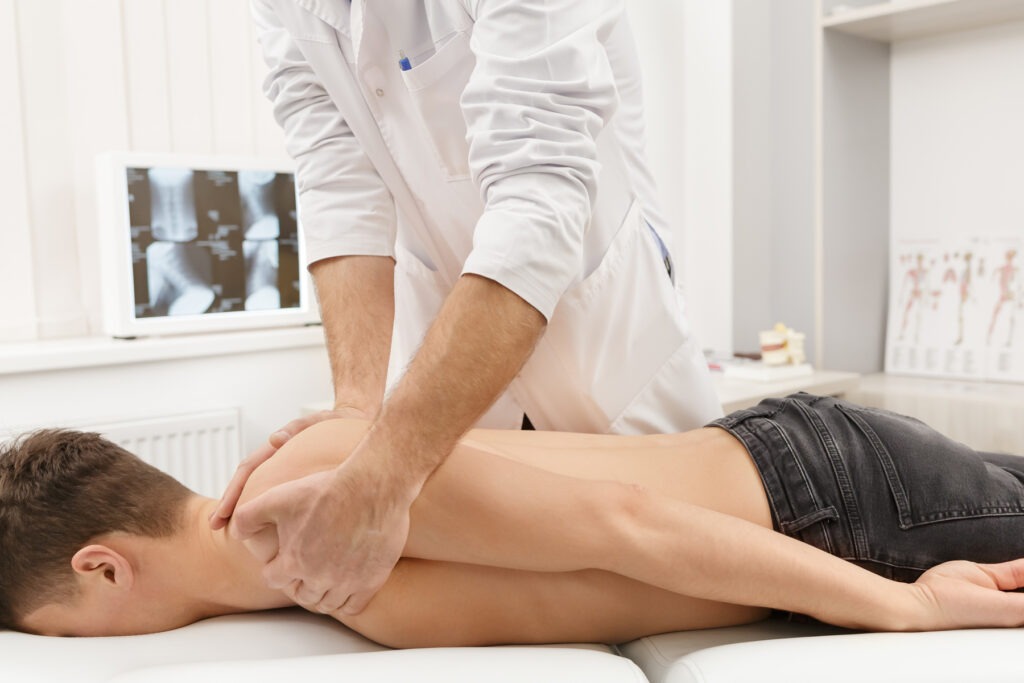
Manual therapist doing manual adjustment on patient’s spine. Chiropractic, osteopathy, manual therapy, post traumatic rehabilitation, sport physical therapy. Alternative medicine, pain relief concept.
Traditional Chinese medicine promotes the stimulation and flow of energy or “qi” through the channels in a body’s energy network to improve circulation, movement and overall quality of life.
Reflexology, acupressure, acupuncture and massage have similar origins in Chinese medicine and share the concept of using pressure points on the body to relieve stress and promote the body’s ability to heal.
Benefits of Massage
Massage is an ancient and universal therapy found in cultures all around the world, including ancient Chinese medicine. Practitioners reduce stress and relieve muscle tension through rubbing and manipulation, and relax muscles by increasing the flow of blood. The benefits for a patient can include reduced anxiety and depression, pain relief, and a healthy decrease in heart rate and blood pressure. There are many styles of massage and massage practitioners often specialize in several techniques.
What are the different types of massage?
The term “massage therapy” includes many techniques. The most common form of massage therapy in Western countries is called Swedish or classical massage; it is the core of most massage training programs. Other styles include sports massage, clinical massage to accomplish specific goals such as releasing muscle spasms, and massage traditions derived from Eastern cultures, such as Shiatsu and Tuina.
- Swedish massage: This is a gentle form of massage that uses long strokes, kneading, deep circular movements, vibration and tapping to help relax and energize you.
- Deep massage: This massage technique uses slower, more-forceful strokes to target the deeper layers of muscle and connective tissue, commonly to help with muscle damage from injuries.
- Sports massage: This is similar to Swedish massage, but it’s geared toward people involved in sport activities to help prevent or treat injuries.
- Trigger point massage: This massage focuses on areas of tight muscle fibers that can form in your muscles after injuries or overuse.
Benefits of Massage
Massage is generally considered part of complementary and integrative medicine. It’s increasingly being offered along with standard treatment for a wide range of medical conditions and situations.
Studies of the benefits of massage demonstrate that it is an effective treatment for reducing stress, pain and muscle tension.
While more research is needed to confirm the benefits of massage, some studies have found massage may also be helpful for:
- Anxiety
- Digestive disorders
- Fibromyalgia
- Headaches
- Insomnia related to stress
- Myofascial pain syndrome
- Soft tissue strains or injuries
- Sports injuries
- Temporomandibular joint pain
Beyond the benefits for specific conditions or diseases, some people enjoy massage because it often produces feelings of caring, comfort and connection.
Despite its benefits, massage isn’t meant as a replacement for regular medical care. Let your doctor know you’re trying massage and be sure to follow any standard treatment plans you have.
What you can expect during a massage
You don’t need any special preparation for massage. Before a massage therapy session starts, your massage therapist should ask you about any symptoms, your medical history and what you’re hoping to get out of massage. Your massage therapist should explain the kind of massage and techniques he or she will use.
In a typical massage therapy session, you undress or wear loose-fitting clothing. Undress only to the point that you’re comfortable. You generally lie on a table and cover yourself with a sheet. You can also have a massage while sitting in a chair, fully clothed. Your massage therapist should perform an evaluation through touch to locate painful or tense areas and to determine how much pressure to apply.
Depending on preference, your massage therapist may use oil or lotion to reduce friction on your skin. Tell your massage therapist if you might be allergic to any ingredients.
For more information about how massage and other treatments can help you, please contact the Urban Acupuncture Center Board Certified Licensed Acupuncturist’s team at Indianola Ave, Clintonville (614) 725-2488. Taking new patients in and around greater Columbus, Ohio.
by urban-acupuncture | Aug 5, 2018 | Acupuncture
Chronic Pain Management & Treatment
More Americans are beginning to realize that they don’t want to consume modern medications, as they come with a myriad of side effects. Due to this reason, they started looking for alternatives, which are effective in treating a variety of problems.
Acupuncture, a traditional Chinese medicine (TCM), is growing in popularity because it offers numerous advantages, minus the side effects. However, as alternative treatments become mainstream, a large number of questions arise in the minds of consumers. Today, you will get to learn everything about acupuncture, so that you can make the right and healthy choice for your body.
What is acupuncture?
One of the most well-known TCM in the medical industry, acupuncture is a type of treatment, which involves the insertion of extremely thin needles into your body. The practitioner will identify the key points of your body and insert the needles in these areas.
Through acupuncture, the practitioner aims to balance the natural energy in your body, known as qi or chi. According to TCM beliefs, pain and illness in patients occur due to imbalance or blockage of this energy.
Is acupuncture an effective and valid form of treatment?
The most common question in every patient’s mind is whether acupuncture is a valid and effective form of treatment. According to UC San Diego, acupuncture is quite effective in promoting self-healing and improving the functions of your body. The practitioner may use electrical, heat, or pressure stimulation to boost the effects of this type of treatment. According to research conducted by the National Institute of Health (NIH), this treatment helps manage different health conditions.
Does it hurt?
As this treatment involves the insertion of needles, it is quite common to have this question on your mind. One of the benefits of choosing acupuncture treatment is that it doesn’t hurt. In fact, there will be times when you don’t even realize that the practitioner has inserted several needles into your body until pointed out. As the needles are in strategic points, it will decrease inflammation, while improving blood flow. The result is relaxing, as you will notice a sharp decrease in pain.
Advantages of acupuncture
Now that you have a proper idea about acupuncture, let’s take a closer look at some of its advantages:
Decrease in stress levels
Stress causes a lot of problems in your body without your knowledge. For example, it affects your immune and digestive systems, which decrease the amount of sleep you get every day. Also, there is a high chance that you may suffer from life-threatening diseases during the later stages of your life. Acupuncture helps in decreasing the stress levels, by balancing the hormones in your body.
Reduces headaches and migraines
The number of headaches and migraines will reduce significantly, thanks to acupuncture. According to a review of clinical trials, which involved 4,985 people, the frequency of headaches decrease by 50% – 59%. Even the American Migraine Foundation agrees that acupuncture is effective in combating migraines and headaches.
Reduction in chronic pain
Patients suffering from chronic pain, especially in their lower back or neck, will observe considerable relief, after undergoing acupuncture treatments. Also, patients with arthritis will notice a reduction in chronic pain.
Are you looking for the services of a reputable acupuncture practitioner in Columbus, Ohio? Contact Acupuncture of Columbus today so that you can start the process of getting relief from your medical problems as soon as possible!
Contact Us For More Information
For more information about how acupuncture, massage therapy and other alternative healing treatments can help you, please contact the Urban Acupuncture Center Board Certified Licensed Acupuncturist’s team at Indianola Ave, Clintonville (614) 725-2488 | Main St, Westerville (614) 426-4406 or click here. Taking new patients in and around greater Columbus, Ohio.