Electroacupuncture, a contemporary adaptation of traditional acupuncture, has gained increasing attention and popularity in recent years for its effectiveness in treating a wide range of health conditions. Combining the principles of traditional acupuncture with modern technology, electroacupuncture offers a unique approach to stimulating the body’s natural healing mechanisms. In this article, we delve into the intricacies of electroacupuncture, exploring its procedure, benefits, and potential applications in healthcare.
Electroacupuncture is a type of acupuncture that uses a low-level electrical current to stimulate the body’s release of beta-endorphins. At the same time, ACTH (a precursor to Cortisol) is also released and provides a powerful anti-inflammatory effect. This is a mighty combination to shift your body out of a chronic pain cycle. A series of treatments can provide relief for months or even years as a higher baseline level of endorphin continues to be released by the body even after treatment is completed.
Understanding Electroacupuncture
At its core, electroacupuncture involves the insertion of fine needles into specific points on the body known as acupoints. These acupoints correspond to pathways of energy flow, or meridians, within the body according to traditional Chinese medicine theory. However, what sets electroacupuncture apart is the incorporation of a mild electrical current applied to the needles.
Procedure
During an electroacupuncture session, the practitioner inserts thin, sterile needles into selected acupoints based on the individual’s condition and treatment goals. Once the needles are in place, electrodes are attached to the needles, allowing for the transmission of a low-frequency electrical impulse.
The electrical stimulation can vary in intensity and frequency, depending on the specific needs of the patient and the condition being treated. Some may experience a mild tingling or pulsating sensation, while others may feel nothing at all.
Benefits of Electroacupuncture
Electroacupuncture offers several potential benefits over traditional acupuncture alone. The electrical stimulation enhances the effects of needle insertion by providing a more controlled and consistent stimulus to the acupoints. This can result in:
Increased pain relief: The electrical stimulation triggers the release of endorphins, the body’s natural painkillers, providing effective relief from acute and chronic pain conditions.
Improved circulation: The gentle electrical currents help to stimulate blood flow and enhance circulation, promoting healing and reducing inflammation in the body.
Enhanced muscle relaxation: Electroacupuncture can help to relax tense muscles and alleviate muscle spasms, making it particularly beneficial for musculoskeletal issues and sports injuries.
Regulation of physiological functions: By modulating the body’s nervous system and hormonal balance, electroacupuncture can help to regulate various internal functions, such as digestion, sleep, and mood.
Applications
Electroacupuncture has shown promise in treating a wide range of conditions, including but not limited to:
Chronic pain syndromes, such as arthritis, fibromyalgia, and back pain.
Neurological disorders, including stroke rehabilitation, Parkinson’s disease, and neuropathy.
Mental health conditions, such as anxiety, depression, and insomnia.
Gastrointestinal disorders, like irritable bowel syndrome (IBS) and nausea.
Electroacupuncture represents a modern evolution of traditional acupuncture, offering enhanced therapeutic effects and broader applications in healthcare. With its ability to stimulate the body’s natural healing mechanisms and regulate physiological functions, electroacupuncture holds promise as a safe and effective adjunctive therapy for various health conditions. As research continues to elucidate its mechanisms and efficacy, electroacupuncture is poised to play an increasingly integral role in integrative and holistic healthcare approaches.
Electro-Acupuncture Medicine utilizes a type of electricity that is congruent with the human body to elicit the release of endorphins, hormones, neurotransmitters and other chemicals to regulate internal body functions.
Electro-Acupuncture Medicine treatments are available during private acupuncture treatments at Urban Acupuncture Center. Schedule yours today and start the shift within your body away from a state of pain and towards greater health and vitality.
Electroacupuncture Medicine treatments are available during private acupuncture treatments at Urban Acupuncture Center. Schedule yours today and start the shift within your body away from a state of pain and towards greater health and vitality.
Contact Urban Acupuncture Center in Columbus, OH For More Information
Unlocking Digestive Wellness: Can Acupuncture Help You Lose Weight?
Struggling with weight loss can be a frustrating and challenging journey, especially when traditional methods seem ineffective or unsustainable. While diet and exercise are fundamental aspects of any weight loss regimen, complementary therapies such as acupuncture are gaining attention for their potential to support digestive health and promote sustainable weight management. In this article, we delve into the role of acupuncture in addressing digestion issues related to weight loss and explore its potential benefits and considerations.
Understanding the Link Between Digestion and Weight Loss
The digestive system plays a crucial role in metabolism and energy regulation, making it a key factor in weight management. Digestive issues such as bloating, constipation, and slow metabolism can hinder weight loss efforts and contribute to feelings of discomfort and sluggishness. Addressing these underlying digestive imbalances is essential for promoting optimal digestion and supporting weight loss goals.
How Acupuncture Supports Digestive Health for Weight Loss
Acupuncture, a cornerstone of Traditional Chinese Medicine (TCM), involves the insertion of thin needles into specific points on the body to stimulate energy flow and promote healing. From a TCM perspective, digestive issues are often attributed to imbalances in the body’s energy, or qi, and disruptions in the flow of qi along meridians or energy channels.
Acupuncture for weight loss focuses on restoring balance to the digestive system and addressing underlying imbalances that may contribute to weight gain. By targeting specific acupuncture points related to digestion, practitioners aim to:
Boost Metabolism: Certain acupuncture points are believed to stimulate metabolism and enhance the body’s ability to burn calories and fat more efficiently.
Regulate Appetite: Acupuncture can help regulate appetite by balancing hunger hormones such as leptin and ghrelin, which play a role in controlling food intake and satiety.
Improve Digestion: Acupuncture promotes better digestion by enhancing gastrointestinal motility, reducing bloating, and alleviating symptoms of indigestion and constipation.
Reduce Stress: Stress and emotional factors can contribute to overeating and weight gain. Acupuncture has been shown to promote relaxation, reduce stress hormones, and improve emotional well-being, which can support healthier eating habits and weight management.
Research on Acupuncture for Weight Loss
While more research is needed to fully understand the mechanisms of acupuncture for weight loss, several studies have suggested promising results:
Appetite Regulation: A study published in the journal Obesity Reviews found that acupuncture may help regulate appetite-related hormones and reduce food cravings, leading to decreased calorie intake and weight loss.
Metabolic Effects: Research published in the journal Acupuncture in Medicine suggests that acupuncture may have metabolic effects, including improved insulin sensitivity and lipid metabolism, which can contribute to weight loss and improved metabolic health.
Gut Microbiota: Emerging evidence suggests that acupuncture may influence gut microbiota composition, which plays a role in digestion, metabolism, and weight regulation. A study published in the journal Evidence-Based Complementary and Alternative Medicine found that acupuncture treatment led to changes in gut microbiota diversity and composition in obese individuals.
Considerations and Additional Strategies
While acupuncture can be a valuable adjunct to weight loss efforts, it is essential to approach it as part of a comprehensive plan that includes healthy eating habits, regular physical activity, and lifestyle modifications. Here are some additional considerations:
Consultation with a Qualified Practitioner: Seek guidance from a qualified acupuncturist who specializes in weight management and digestive health. They can tailor treatment plans to address your specific needs and goals.
Integration with Other Therapies: Acupuncture can complement other weight loss strategies, such as dietary changes, exercise, and behavior modification. Integrating multiple approaches can enhance overall effectiveness and sustainability.
Consistency and Commitment: Like any therapeutic modality, acupuncture requires consistency and commitment to achieve meaningful results. Be prepared to undergo a series of acupuncture sessions over time to experience the full benefits.
Holistic Approach: Take a holistic approach to weight loss by addressing underlying factors such as stress, sleep quality, and emotional well-being. Incorporating techniques like mindfulness, stress management, and adequate sleep can support overall health and weight management efforts.
Acupuncture offers a holistic and integrative approach to supporting digestive health and promoting weight loss. By targeting specific acupuncture points related to digestion, metabolism, and appetite regulation, acupuncture can help address underlying imbalances and enhance the body’s natural ability to achieve and maintain a healthy weight. While acupuncture alone may not lead to significant weight loss, it can be a valuable component of a comprehensive weight management plan when combined with healthy lifestyle habits and other therapeutic interventions. If you’re considering acupuncture for weight loss, consult with a qualified practitioner to explore how acupuncture can support your journey to improved digestive wellness and sustainable weight management.
Contact Urban Acupuncture Center in Columbus, OH For More Information
Electroacupuncture Medicine: A Gateway to Holistic Healing
In the realm of alternative medicine, Electroacupuncture Medicine (EAM) stands out as a remarkable fusion of ancient wisdom and modern technology. Rooted in the principles of traditional acupuncture, EAM harnesses the power of electricity to harmonize with the body’s natural energy pathways, facilitating the release of vital biochemical substances.
What is EAM?
Electroacupuncture is a type of acupuncture that uses a low-level electrical current to stimulate the body’s release of beta-endorphins. At the same time, ACTH (a precursor to Cortisol) is also released and provides a powerful anti-inflammatory effect. This is a mighty combination to shift your body out of a chronic pain cycle. A series of treatments can provide relief for months or even years as a higher baseline level of endorphin continues to be released by the body even after treatment is completed.
Harnessing Synergy with the Human Body
Electroacupuncture Medicine utilizes a type of electricity that is congruent with the human body to elicit the release of endorphins, hormones, neurotransmitters and other chemicals to regulate internal body functions.
Did you know that your pituitary gland, located behind your forehead, produces beta-endorphins (endogenous opioids) that are 18-30x stronger than morphine?!
Not only are they strong and natural, but they are also non-addictive and provide long-lasting pain relief.
This is an amazing fact that suggests our body’s natural and healthy state is meant essentially to be pain-free. But, how does one release them? Exercise-Meditation-Sex-Music-Laughter and Acupuncture!!
The electrical current utilized in Electro-Acupuncture is carefully calibrated to resonate with the body’s own bioelectricity, creating a synergistic resonance that amplifies the therapeutic effects of acupuncture. This synergy serves as a catalyst for the release of a myriad of biochemical substances within the body, including:
Endorphins: Often referred to as the body’s natural painkillers, endorphins are released in response to the electrical stimulation of EAM. These endogenous opioids not only alleviate pain but also induce feelings of euphoria and well-being
Hormones: EAM has been shown to modulate hormone levels, including cortisol, the body’s primary stress hormone, and various reproductive hormones. By restoring hormonal balance, EAM can help regulate bodily functions such as metabolism, sleep-wake cycles, and stress response.
Neurotransmitters: The electrical stimulation of EAM prompts the release of neurotransmitters, chemical messengers that facilitate communication between nerve cells. This neurotransmitter modulation plays a vital role in regulating mood, cognition, and autonomic functions.
Other Chemicals: Beyond endorphins, hormones, and neurotransmitters, EAM also elicits the release of other biochemical substances, including cytokines, growth factors, and antioxidants. These chemicals contribute to the body’s healing processes, promoting tissue repair, immune function, and overall well-being.
Regulating Internal Body Functions
By harnessing the power of electricity to stimulate specific acupuncture points, EAM acts as a catalyst for the regulation of internal body functions. Whether targeting pain management, stress reduction, hormonal balance, or immune modulation, EAM offers a holistic approach to health and wellness.
Electroacupuncture Medicine treatments are available during private acupuncture treatments at Urban Acupuncture Center. Schedule yours today and start the shift within your body away from a state of pain and towards greater health and vitality.
Contact Urban Acupuncture Center in Columbus, OH For More Information
Abdominal pain, a common symptom of various digestive disorders, can significantly impact an individual’s quality of life, causing discomfort, distress, and disruption to daily activities. While conventional treatments such as medications and dietary changes can offer relief, many people are turning to alternative therapies like acupuncture to manage digestive issues effectively. In this article, we explore how acupuncture can alleviate abdominal pain and improve overall digestive health.
Understanding Abdominal Pain and Digestive Disorders
Abdominal pain can stem from a wide range of digestive disorders, including:
Gastroesophageal Reflux Disease (GERD): Characterized by heartburn and acid reflux, GERD occurs when stomach acid flows back into the esophagus, causing irritation and discomfort.
Irritable Bowel Syndrome (IBS): IBS is a chronic condition that affects the large intestine, leading to symptoms such as abdominal pain, bloating, diarrhea, and constipation.
Gastritis: Gastritis is inflammation of the stomach lining, often caused by infection, excessive alcohol consumption, or long-term use of nonsteroidal anti-inflammatory drugs (NSAIDs).
Peptic Ulcers: Peptic ulcers are open sores that develop on the lining of the stomach, small intestine, or esophagus, resulting in abdominal pain, bloating, and indigestion.
Gallstones: Gallstones are hardened deposits that form in the gallbladder, leading to sharp, intense pain in the upper abdomen.
These conditions, among others, can cause varying degrees of abdominal discomfort, ranging from mild to severe and intermittent to persistent.
How Acupuncture Works for Digestive Health
Acupuncture involves the insertion of thin needles into specific points on the body to stimulate energy flow and promote healing. Digestive disorders are often attributed to imbalances in the body’s energy, or qi, and disruptions in the flow of qi along meridians or energy channels.
Acupuncture for digestive issues focuses on restoring balance to the digestive system and addressing underlying imbalances that contribute to symptoms like abdominal pain. By targeting specific acupuncture points related to digestion, practitioners aim to:
Regulate gastrointestinal motility: Acupuncture can help regulate the contraction and relaxation of muscles in the digestive tract, promoting smoother digestion and alleviating symptoms such as bloating and discomfort.
Reduce inflammation: Studies suggest that acupuncture may have anti-inflammatory effects, which can help reduce inflammation in the gastrointestinal tract associated with conditions like gastritis and inflammatory bowel disease (IBD).
Alleviate pain: Acupuncture stimulates the release of endorphins, the body’s natural pain-relieving chemicals, which can help reduce abdominal pain and discomfort associated with digestive disorders.
Improve stress management: Stress is closely linked to digestive health, as it can exacerbate symptoms and contribute to gastrointestinal issues. Acupuncture has been shown to promote relaxation, reduce stress hormones, and improve overall emotional well-being, which can benefit digestive health.
Research on Acupuncture for Abdominal Pain
Numerous studies have investigated the efficacy of acupuncture in treating abdominal pain and digestive disorders, with promising results:
Irritable Bowel Syndrome (IBS): Research suggests that acupuncture may help alleviate symptoms of IBS, including abdominal pain, bloating, and irregular bowel habits. A systematic review and meta-analysis published in the Journal of Neurogastroenterology and Motility found that acupuncture was associated with significant improvements in IBS symptoms compared to sham acupuncture or conventional treatment.
Gastroesophageal Reflux Disease (GERD): While more research is needed, some studies suggest that acupuncture may provide relief from symptoms of GERD, such as heartburn and regurgitation. Acupuncture points targeting the stomach and esophagus may help reduce reflux episodes and improve esophageal function.
Functional Dyspepsia: Acupuncture has shown promise in alleviating symptoms of functional dyspepsia, a condition characterized by recurring or persistent upper abdominal pain, bloating, and early satiety. A study published in the Journal of Alternative and Complementary Medicine found that acupuncture was more effective than sham acupuncture in reducing dyspeptic symptoms and improving quality of life.
Acupuncture offers a holistic and non-invasive approach to managing abdominal pain and improving digestive health. By restoring balance to the body’s energy systems, regulating gastrointestinal function, and reducing inflammation and pain, acupuncture can provide relief for individuals suffering from various digestive disorders. While acupuncture can be used as a standalone treatment, it is often integrated into comprehensive treatment plans alongside conventional therapies and lifestyle modifications. If you’re experiencing abdominal pain or digestive issues, consider consulting with a qualified acupuncturist to explore how acupuncture may benefit your overall well-being and digestive health.
Contact Urban Acupuncture Center in Columbus, OH For More Information
In the realm of alternative therapies promoting holistic wellness, Structural Integration (such as Rolfing®) stands out as a profound method that addresses physical alignment, movement, and overall vitality. Developed by Dr. Ida P. Rolf in the mid-20th century, this systematic approach aims to reorganize the body’s structure, fostering balance and improved functionality. But what exactly is Structural Integration and how does it work?
The Foundation of Structural Integration
At its core, it is a form of bodywork centered on manipulating the body’s myofascial system—the interconnected network of muscles, connective tissues, and fascia—to enhance alignment and alleviate strain. Fascia, a web-like tissue surrounding muscles and organs, plays a crucial role in maintaining bodily structure. Practitioners work to release tension and reshape this tissue to bring about positive structural changes.
The Ten-Series Approach
Central to Rolfing is the Ten-Series, a systematic series of sessions designed to address specific areas of the body gradually. Each session focuses on different segments, targeting alignment, mobility, and balance. Practitioners employ hands-on techniques, applying pressure and manipulation to release tension, encourage better movement patterns, and realign the body’s structure over the ten-session course.
Goals and Benefits
Structural Integration aims to improve posture, flexibility, and overall well-being by resolving imbalances and restrictions within the body. By restoring optimal alignment, this practice seeks to alleviate chronic pain, enhance mobility, and promote greater ease and efficiency of movement. Structural Integration is not solely about addressing physical issues but often leads to emotional and psychological benefits, fostering a deeper mind-body connection and heightened self-awareness.
Structural Integration in Practice
During a session, the practitioner assesses the client’s posture, movement patterns, and areas of tension or imbalance. The practitioner then employs hands-on techniques, applying pressure and gentle manipulation to address these areas. Clients may experience a combination of sensations, from pressure and stretching to relaxation, as the body responds to the process.
Integrating Structural Integration into Wellness Practices
Structural Integration is not a quick fix; it is a process that unfolds over time, aiming for lasting changes in the body’s structure and movement patterns. Many individuals incorporate Structural Integration into their wellness routines to complement other practices such as yoga, Pilates, or physical therapy. Regular sessions can facilitate ongoing improvements in posture, mobility, and overall vitality.
Conclusion: A Holistic Path to Alignment and Well-being
Structural Integration stands as a holistic approach to achieving optimal body alignment and well-being. By addressing the body’s structural imbalances and enhancing its natural movement potential, Rolfing offers individuals an opportunity to experience improved physical comfort, greater flexibility, and an enhanced sense of overall vitality and well-being. Whether seeking relief from chronic pain or aiming for enhanced physical performance, Structural Integration presents a pathway to align the body, restoring balance, and fostering a deeper connection between body and mind.
Contact Urban Acupuncture Center in Columbus, OH For More Information

 Electroacupuncture, a contemporary adaptation of traditional acupuncture, has gained increasing attention and popularity in recent years for its effectiveness in treating a wide range of health conditions. Combining the principles of traditional acupuncture with modern technology, electroacupuncture offers a unique approach to stimulating the body’s natural healing mechanisms. In this article, we delve into the intricacies of electroacupuncture, exploring its procedure, benefits, and potential applications in healthcare.
 Struggling with weight loss can be a frustrating and challenging journey, especially when traditional methods seem ineffective or unsustainable. While diet and exercise are fundamental aspects of any weight loss regimen, complementary therapies such as acupuncture are gaining attention for their potential to support digestive health and promote sustainable weight management. In this article, we delve into the role of acupuncture in addressing digestion issues related to weight loss and explore its potential benefits and considerations.
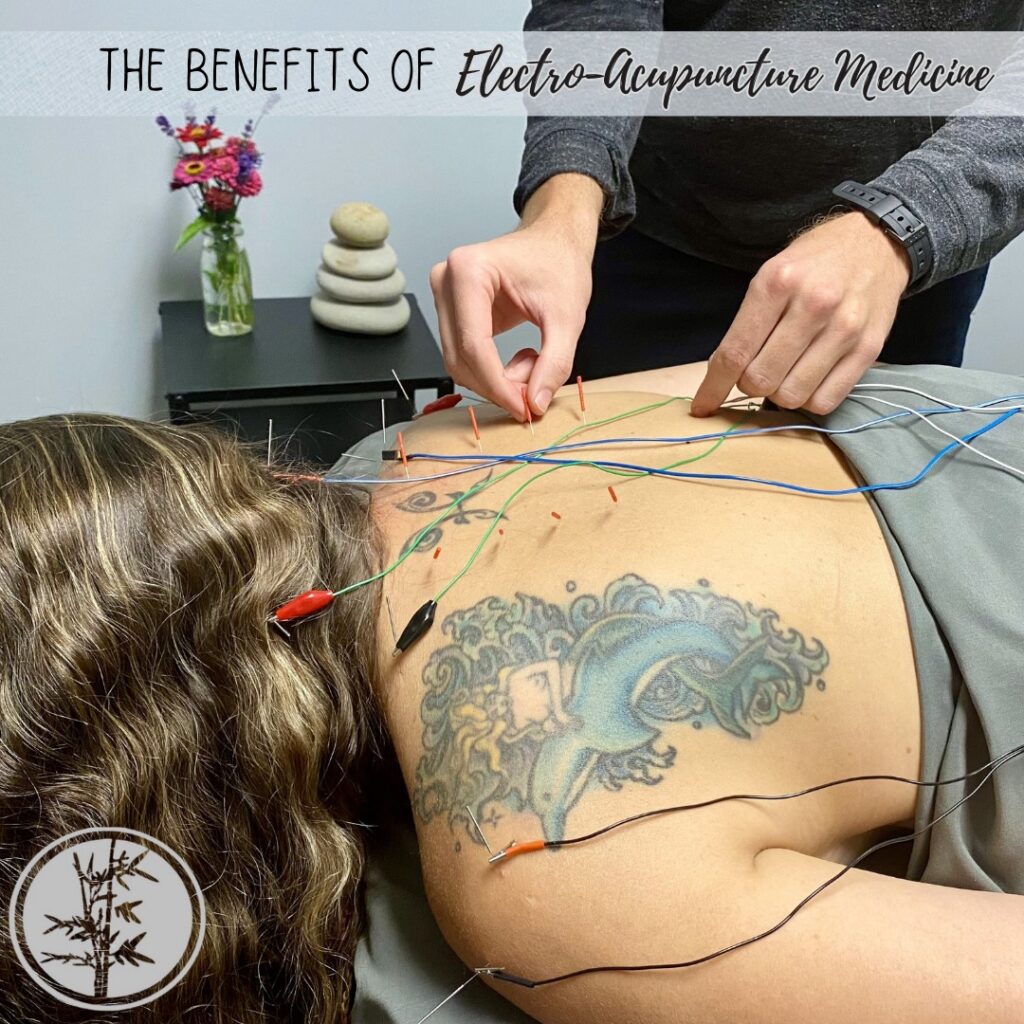 In the realm of alternative medicine, Electroacupuncture Medicine (EAM) stands out as a remarkable fusion of ancient wisdom and modern technology. Rooted in the principles of traditional acupuncture, EAM harnesses the power of electricity to harmonize with the body’s natural energy pathways, facilitating the release of vital biochemical substances.
 Abdominal pain, a common symptom of various digestive disorders, can significantly impact an individual’s quality of life, causing discomfort, distress, and disruption to daily activities. While conventional treatments such as medications and dietary changes can offer relief, many people are turning to alternative therapies like acupuncture to manage digestive issues effectively. In this article, we explore how acupuncture can alleviate abdominal pain and improve overall digestive health.