by urban-acupuncture | Mar 1, 2025 | Acupuncture
Acupuncture Before IVF Increased Success Rates
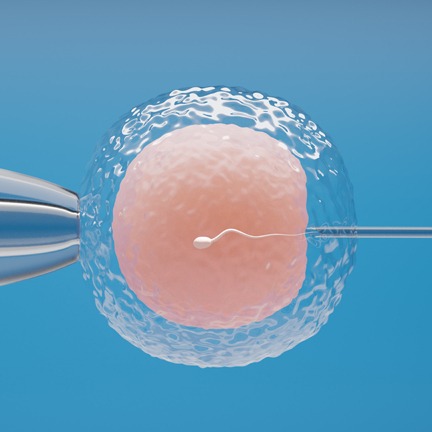
Acupuncture has long been explored as a complementary therapy to improve in vitro fertilization (IVF) outcomes. A recent study published in PMC has provided compelling evidence that acupuncture performed 25 minutes before embryo transfer (ET) significantly enhances IVF success rates. However, the study also found that repeating acupuncture 25 minutes after ET did not yield additional benefits.
Key Findings of the Study
The research aimed to determine whether acupuncture at specific time intervals around ET could positively influence implantation and pregnancy rates. The study evaluated women undergoing IVF and found that:
- Acupuncture performed 25 minutes before embryo transfer led to a statistically significant improvement in IVF success rates.
- However, repeating acupuncture 25 minutes after ET did not contribute to further enhancement of outcomes.
These findings suggest that the timing of acupuncture plays a crucial role in its effectiveness as a complementary IVF treatment.
Why Does Acupuncture Before ET Improve IVF Outcomes?
There are several potential explanations for why pre-ET acupuncture improves IVF success:
- Increased Uterine Blood Flow – Acupuncture is known to enhance blood circulation, particularly to the uterus, which may improve the chances of successful implantation.
- Reduced Uterine Contractions – Stress and anxiety can cause uterine contractions that may hinder implantation. Acupuncture is believed to have a calming effect, reducing contractions at a critical moment.
- Hormonal Regulation – Acupuncture may help balance reproductive hormones, supporting a more favorable environment for embryo implantation.
Why Doesn’t Acupuncture After ET Provide Additional Benefits?
While acupuncture is beneficial before ET, performing it after transfer may not offer the same advantages. Possible reasons include:
- Implantation Window Timing – The most crucial period for improving uterine receptivity may occur before ET rather than afterward.
- Minimal Additional Physiological Impact – Once the embryo is transferred, the key factors influencing implantation are already in place, limiting acupuncture’s ability to further improve outcomes.
- Potential for Unnecessary Stimulation – In some cases, post-ET acupuncture could slightly disturb the embryo’s positioning, though more research is needed to confirm this.
Clinical Implications
For women undergoing IVF, this study provides valuable insight into optimizing acupuncture as a complementary treatment. Based on the findings:
- Acupuncture should be scheduled 25 minutes before embryo transfer to maximize potential benefits.
- Additional acupuncture sessions immediately after ET may not be necessary.
- Future research should explore whether acupuncture at different pre-ET intervals could further enhance outcomes.
Acupuncture is a promising adjunct therapy for improving IVF success, but timing is critical.
This study underscores that performing acupuncture before embryo transfer significantly enhances implantation success, while post-ET acupuncture does not provide added benefits. As acupuncture continues to be integrated into fertility treatments, these findings can help refine protocols and maximize the chances of a successful pregnancy.
For further details, you can read the full study here.
Contact Urban Acupuncture Center in Columbus, OH For More Information
For more information about how acupuncture, massage therapy, electroacupuncture and other alternative healing treatments can help you, please contact the Urban Acupuncture Center Board Certified Licensed Acupuncturist’s team at Indianola Ave, Columbus, Ohio (Clintonville) (614) 725-2488 or click here. Taking new patients in and around greater Columbus, Ohio.
by urban-acupuncture | Feb 6, 2025 | Acupuncture
 If you’re dealing with bloating, stomach pain, cramping, discomfort, constipation, diarrhea, acid-reflux or appetite issues (low or high), acupuncture can help restore balance to your digestive system, improving comfort and function naturally. The gut is often referred to as “the second brain,” in traditional Chinese medicine because there exists a bi-directional communication network between the central nervous system and the “gut-brain” or enteric nervous system. Acupuncture helps regulate the central nervous system, allowing improved communication throughout the body. Additionally, it helps aid in nutrient absorption, triggers the release of digestive enzymes, improves blood circulation to the gut, reduces inflammation, balances gut microbial, and stimulates the release of endorphins and other pain relief chemicals.
The digestive system is sensitive to stress, diet, and lifestyle. While these factors impact our overall health and wellness, they are particularly noticeable in our digestive system because they can have an immediate impact on our quality of life on a day to day basis. When we are stressed, our bodies go into “fight or flight mode,” which quickly diverts our resources away from digestion. Acupuncture gently reminds our bodies to restore balance. We can help with the process by learning ways to decrease stress, eating more fiber and less refined sugar, and of course moving our bodies more. Acupuncture is your partner in the wellness journey.
Patients notice improved energy and relief from chronic digestive issues with regular treatments. Common digestive concerns we treat include: bloating, gas, or abdominal discomfort, constipation or irregular bowel movements, acid reflux or heartburn, post-meal fatigue or sluggish digestion, and stress-related digestive issues.
Contact Urban Acupuncture Center in Columbus, OH For More Information
For more information about how acupuncture, massage therapy, electroacupuncture and other alternative healing treatments can help you, please contact the Urban Acupuncture Center Board Certified Licensed Acupuncturist’s team at Indianola Ave, Columbus, Ohio (Clintonville) (614) 725-2488 or click here. Taking new patients in and around greater Columbus, Ohio.
by urban-acupuncture | Feb 5, 2025 | Electroacupuncture
Electroacupuncture Improved Motor Dysfunction and Constipation
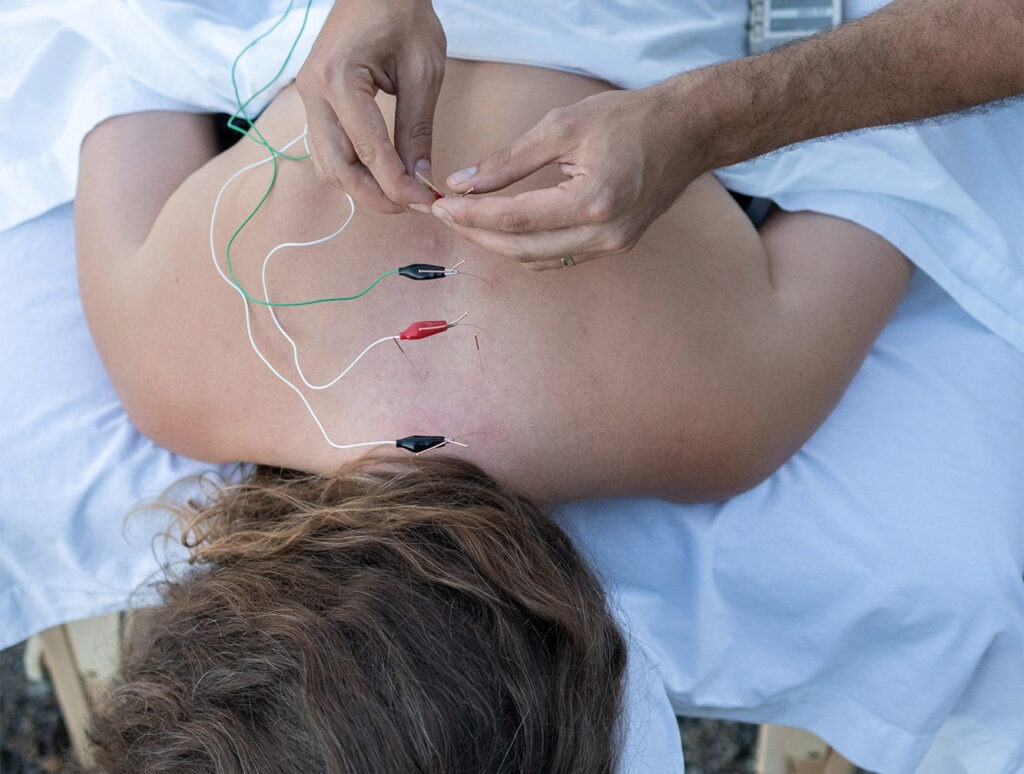 Parkinson’s disease (PD), a progressive neurodegenerative disorder, is characterized by motor dysfunctions such as tremors, rigidity, bradykinesia, and postural instability, as well as non-motor symptoms like constipation. While dopaminergic medications have been the cornerstone of PD treatment, their effectiveness tends to diminish over time, and they are often accompanied by undesirable side effects. Consequently, alternative treatments such as electroacupuncture have garnered increasing attention for their potential to alleviate symptoms, particularly in patients with motor dysfunction and constipation. A recent randomized controlled multi-centre trial provides compelling evidence on the efficacy of electroacupuncture in managing these common PD symptoms.
Study Overview
The study aimed to assess the impact of electroacupuncture on motor dysfunction and constipation in PD patients. Conducted across multiple centres, the trial randomized patients into two groups: one group received electroacupuncture treatment, while the other was given a placebo treatment. Over a period of 12 weeks, the study evaluated changes in motor function, as well as the frequency and severity of constipation symptoms.
Methods
The study involved a total of 150 participants diagnosed with PD, all of whom exhibited significant motor dysfunction and constipation. Electroacupuncture was administered by skilled practitioners, targeting specific acupoints traditionally used to enhance motor function and relieve gastrointestinal issues. The intervention consisted of 20-minute sessions, three times per week, for 12 weeks.
The primary outcomes of the trial were improvements in motor function, measured using the Unified Parkinson’s Disease Rating Scale (UPDRS), and improvements in constipation, assessed using the Cleveland Clinic Constipation Score (CCCS). Secondary outcomes included changes in quality of life and adverse events.
Results: Electroacupuncture Led to Significant Improvements in Motor Function
The results of the study demonstrated that electroacupuncture led to significant improvements in both motor function and constipation when compared to the placebo group. Specifically, patients receiving electroacupuncture showed a notable reduction in UPDRS scores, reflecting improvements in motor performance. Furthermore, these patients reported significant relief from constipation symptoms, evidenced by decreased CCCS scores.
Notably, the benefits of electroacupuncture were sustained over the 12-week treatment period, and the treatment was generally well-tolerated with minimal adverse effects. The placebo group, on the other hand, showed no significant improvements in either motor function or constipation.
Discussion
The results from this multi-centre trial add to a growing body of evidence suggesting that electroacupuncture may be an effective complementary therapy for managing both motor and non-motor symptoms of Parkinson’s disease. The mechanisms underlying these improvements are not entirely understood, but it is hypothesized that electroacupuncture may help modulate the autonomic nervous system and restore the balance of neurotransmitters involved in motor control and gastrointestinal function.
The study also underscores the potential of electroacupuncture as a safe and non-invasive treatment option for PD patients who may not respond adequately to pharmacological treatments or those who experience undesirable side effects from conventional therapies.
This randomized controlled trial provides stronger evidence supporting the use of electroacupuncture for the treatment of motor dysfunction and constipation in patients with Parkinson’s disease.
The significant improvements observed in both motor symptoms and gastrointestinal function suggest that electroacupuncture can be a valuable adjunct to conventional treatments for PD, particularly in patients seeking alternative therapies. Given its safety profile and minimal adverse effects, electroacupuncture should be further explored in larger-scale trials to better understand its long-term efficacy and potential for widespread clinical use.
For a more detailed review of the study, refer to the full article available here.
Contact Urban Acupuncture Center in Columbus, OH For More Information
For more information about how acupuncture, massage therapy, electroacupuncture and other alternative healing treatments can help you, please contact the Urban Acupuncture Center Board Certified Licensed Acupuncturist’s team at Indianola Ave, Columbus, Ohio (Clintonville) (614) 725-2488 or click here. Taking new patients in and around greater Columbus, Ohio.
by urban-acupuncture | Feb 1, 2025 | Electroacupuncture
Insomnia Treatment

Insomnia is a common sleep disorder that affects millions of people worldwide, leading to difficulties falling asleep, staying asleep, or waking up too early. Chronic insomnia can negatively impact overall health, mood, and cognitive function. While traditional treatments like medications and cognitive behavioral therapy are commonly prescribed, many people seek alternative or complementary therapies to manage their symptoms. One such treatment gaining attention is electroacupuncture. This technique combines traditional acupuncture with electrical stimulation and has shown promise in improving sleep architecture and increasing deep sleep time in individuals with insomnia. In this article, we’ll explore how electroacupuncture works and how it can help improve sleep quality for those struggling with insomnia.
What is Electroacupuncture?
Electroacupuncture is a modern variation of traditional acupuncture. It involves the use of small electrical currents applied to acupuncture needles placed at specific points along the body’s energy channels, or meridians. The electrical stimulation enhances the effects of acupuncture by promoting deeper penetration of the treatment and potentially increasing the therapeutic benefits. Unlike traditional acupuncture, which relies solely on needle insertion, electroacupuncture adds a gentle electrical current to stimulate the points more effectively.
Acupuncture itself has been used for thousands of years in traditional Chinese medicine (TCM) to balance the body’s energy, promote healing, and address various ailments. Electroacupuncture takes this ancient practice a step further by using electrical stimulation to amplify its effects, making it a powerful tool for treating modern health conditions like insomnia.
Understanding Sleep Architecture and Deep Sleep
To understand how electroacupuncture can improve sleep, it’s important to first know about sleep architecture. Sleep architecture refers to the structure of sleep cycles, including the different stages of sleep we experience throughout the night:
- Stage 1 (Light Sleep): The transition from wakefulness to sleep. It is a short, light phase where muscle activity and heart rate slow down.
- Stage 2 (Light Sleep): Deeper than stage 1, but still not considered restorative. The body temperature drops, and heart rate continues to slow.
- Stage 3 and 4 (Deep Sleep): Often referred to as slow-wave sleep (SWS), these stages are critical for physical restoration, tissue repair, immune function, and memory consolidation. Deep sleep is the most restorative phase of sleep.
- REM Sleep (Rapid Eye Movement): This stage is associated with vivid dreaming and brain activity similar to wakefulness. REM sleep plays a significant role in cognitive functions like memory, learning, and emotional regulation.
People with insomnia often experience disruptions in their sleep architecture, such as reduced deep sleep or REM sleep, and prolonged periods of light sleep. These disruptions prevent the body from fully restoring itself during sleep, leading to daytime fatigue, mood disturbances, and decreased cognitive performance.
How Electroacupuncture Can Improve Sleep Architecture
Electroacupuncture may help improve sleep architecture in people with insomnia by:
- Increasing Deep Sleep Time One of the most significant benefits of electroacupuncture for people with insomnia is its ability to increase the amount of deep sleep (stage 3 and 4). Deep sleep is vital for physical restoration and immune system functioning, and it is often lacking in people with insomnia. Research suggests that electroacupuncture can help enhance the production of slow-wave sleep, allowing for longer periods of deep sleep. This is likely due to the stimulation of specific acupuncture points that regulate the nervous system, promote relaxation, and balance sleep-wake cycles.
- Balancing the Sleep-Wake Cycle Electroacupuncture is believed to influence the hypothalamus, a part of the brain that regulates sleep, body temperature, and hormone secretion. By modulating hypothalamic activity, electroacupuncture may help restore balance to the circadian rhythm (the body’s internal clock) and promote a more consistent sleep-wake cycle. As a result, individuals may find it easier to fall asleep, stay asleep, and experience more restorative sleep throughout the night.
- Promoting Relaxation and Reducing Stress Stress is a common trigger for insomnia, and many individuals with sleep problems experience an overactive sympathetic nervous system (the fight-or-flight response). Electroacupuncture helps stimulate the parasympathetic nervous system, which is responsible for promoting relaxation and rest. The electrical stimulation of acupuncture points can help reduce cortisol levels (the stress hormone), ease muscle tension, and activate the body’s relaxation response. This leads to an improved ability to wind down and enter deeper stages of sleep.
- Increasing Melatonin Production Melatonin is a hormone that plays a crucial role in regulating sleep-wake cycles. Electroacupuncture may help enhance melatonin production by stimulating specific acupuncture points. Studies have shown that acupuncture and electroacupuncture can increase melatonin levels, potentially helping individuals with insomnia fall asleep more easily and enjoy better sleep quality. Higher melatonin levels are associated with both improved sleep onset and prolonged deep sleep.
- Improving Overall Sleep Quality In addition to increasing deep sleep, electroacupuncture may also improve overall sleep quality. This means that individuals may experience fewer awakenings during the night, more time spent in restorative sleep stages, and reduced sleep fragmentation. The cumulative effects of improved deep sleep, better sleep continuity, and reduced anxiety contribute to a more restful and rejuvenating night of sleep.
Evidence Supporting Electroacupuncture for Insomnia
Several studies have explored the effects of electroacupuncture on sleep disorders, particularly insomnia. Research has shown that electroacupuncture can significantly improve sleep quality by increasing deep sleep time, reducing sleep onset latency (the time it takes to fall asleep), and decreasing nighttime awakenings. For example, a study published in the Journal of Alternative and Complementary Medicine found that electroacupuncture was effective in improving sleep quality and duration in patients with primary insomnia. Participants reported feeling more refreshed and rested after treatment.
Another study in the Journal of Sleep Research demonstrated that electroacupuncture helped reduce the frequency of awakenings and prolonged deep sleep in patients with insomnia. These studies highlight the potential of electroacupuncture as a viable treatment for improving sleep architecture in individuals with sleep disturbances.
Is Electroacupuncture Safe for Insomnia?
Electroacupuncture is generally considered safe when performed by a trained practitioner. It is a non-invasive therapy that does not involve the use of medications, which makes it an attractive option for individuals who prefer natural treatments. However, as with any treatment, it’s important to consult with a healthcare provider before starting electroacupuncture, especially if you have underlying health conditions or are taking medication.
Electroacupuncture offers a promising approach to improving sleep quality for people with insomnia by enhancing sleep architecture, increasing deep sleep time, and promoting relaxation.
By addressing the underlying causes of sleep disturbances and restoring balance to the sleep-wake cycle, electroacupuncture provides a holistic treatment option for those seeking relief from insomnia. As a non-invasive and drug-free therapy, electroacupuncture may be an effective complementary treatment for those struggling with sleep disorders and looking for an alternative to traditional medications.
Contact Urban Acupuncture Center in Columbus, OH For More Information
For more information about how acupuncture, massage therapy, electroacupuncture and other alternative healing treatments can help you, please contact the Urban Acupuncture Center Board Certified Licensed Acupuncturist’s team at Indianola Ave, Columbus, Ohio (Clintonville) (614) 725-2488 or click here. Taking new patients in and around greater Columbus, Ohio.
by urban-acupuncture | Jan 30, 2025 | Acupuncture
 Aging is inevitable. We start aging the day we’re born. Aging isn’t just about how we look, it’s about how we feel.
Acupuncture can improve longevity, vitality, quality of life, and restore our energy flow. Not only can it help us live longer, it can make the process more enjoyable.
Regular acupuncture (and for that matter, any modality that helps maintain your health including reiki, cupping, massage, bodywork, reflexology, exercise, stretching, etc) can reduce stress, increase circulation, decrease puffiness, improve hormonal balance, regulate oxidative stress, promote healing after surgery, and decrease inflammation and pain.
Acupuncture, along with other health modalities, can significantly extend the quality of life you experience as you age. Even if you are fortunate enough to age with minimal pain or chronic conditions, regular monthly or bi-monthly acupuncture treatments can help maintain the status quo.
Taking care of yourself is critical to longevity. This means taking care of your WHOLE self. Feed your spiritual, mental, social, and physical body as best you can to keep it steady, grounded, and as pain free as possible. If you haven’t tried reflexology, cupping, GuaSha, reiki, Trager, deep-tissue massage or structural bodywork yet, maybe now is the time. We look forward to seeing you soon!
Contact Urban Acupuncture Center in Columbus, OH For More Information
For more information about how acupuncture, massage therapy, electroacupuncture and other alternative healing treatments can help you, please contact the Urban Acupuncture Center Board Certified Licensed Acupuncturist’s team at Indianola Ave, Columbus, Ohio (Clintonville) (614) 725-2488 or click here. Taking new patients in and around greater Columbus, Ohio.