by urban-acupuncture | Jul 24, 2025 | Acupuncture Columbus
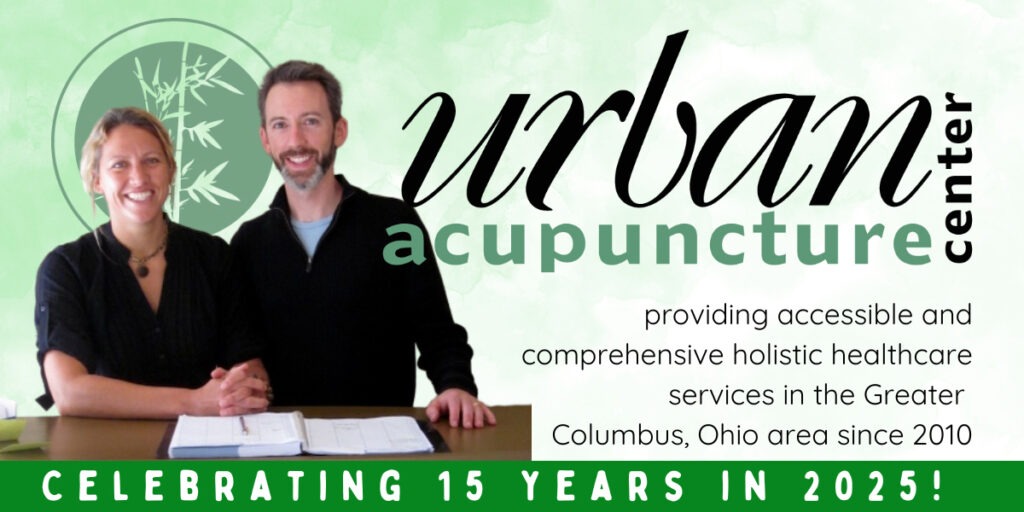
This September marks a special milestone for Urban Acupuncture Center—15 years of compassionate care, community healing, and holistic wellness! Founded in 2010 by Steve Drugan and Susan Bowlus, Urban Acupuncture was built on a simple yet powerful vision: to provide high-quality, affordable acupuncture in a welcoming community setting. Fifteen years later, that vision has blossomed into a thriving wellness center that has touched the lives of thousands.
A Legacy of Healing
From humble beginnings, Urban Acupuncture has grown into so much more than just a community acupuncture clinic. Today, we offer an array of holistic treatments including:
-
Private acupuncture
-
Massage therapy
-
Structural integration
-
Cupping therapy
-
Reiki
-
Sound therapy
Through every treatment and interaction, our mission remains the same: to deliver nurturing, whole-person care in a space that feels safe, supportive, and deeply healing.
At the heart of our center is the unwavering dedication of Steve and Susan, whose passion, empathy, and skilled hands have set the tone for everything we do. Their open hearts and commitment to treating people—not just symptoms—have inspired both patients and practitioners over the years.
Help Us Celebrate!
As we prepare to celebrate 15 incredible years, we want you—our beloved community—to be part of the story.
If Urban Acupuncture has been a part of your wellness journey, we would love to hear from you! Whether it’s a quick note or a short video, your story matters. Sharing how your experience with Urban has helped your health and well-being is the greatest gift we could ask for during this anniversary.
You can:
-
Send a short video or written story via email or by replying to this newsletter
-
Let us record your story at the clinic
-
Chat with a team member in person—just let us know it’s okay to share your story on social media (first names only, of course!)
Thank You for 15 Wonderful Years
We are so grateful for the trust and support you’ve shown us through the years. Urban Acupuncture Center is more than just a place of healing—it’s a community, and that community is what makes this anniversary so meaningful.
Here’s to 15 years of healing—and to many more to come!
With deep gratitude,
The Urban Acupuncture Team
Please call the office if you have additional questions (614) 725-2488.
by urban-acupuncture | Jul 18, 2025 | Structural Integration
 Whether months or years after giving birth, structural integration can help re-align the body. If you are feeling the lingering effects of a C-section or just sense that your body isn’t quite moving the way it did pre-pregnancy, Ros offers one-on-one sessions to support the physical reassembly of the body after birth.
With skilled, respectful bodywork, structural integration can release and reintegrate scar tissue, restore natural breath and core connection, support pelvic and spinal alignment, and help you feel grounded, upright, and whole in your body.
What is Structural Integration?
Structural Integration (SI) is a form of bodywork that focuses on aligning and balancing the body by manipulating the fascia, the connective tissue that surrounds muscles, bones, and organs. It’s most commonly associated with Rolfing®, the original brand developed by Dr. Ida Rolf in the mid-20th century.
What It Involves
-
Series-Based Treatment: Typically delivered in a structured series of 10 sessions, each with a specific focus and goal (commonly referred to as “The 10-Series”).
-
Deep Manual Therapy: Practitioners use slow, deep pressure and stretching techniques to release fascial restrictions.
-
Postural Realignment: The goal is to improve the body’s relationship with gravity, leading to better posture, movement, and often relief from chronic pain.
-
Movement Education: Clients may be guided in how to move more efficiently and with better awareness.
Benefits
-
Improved posture and alignment
-
Increased flexibility and range of motion
-
Relief from chronic tension or pain (especially in the back, neck, and shoulders)
-
Enhanced athletic performance
-
Greater body awareness
Key Principles
-
The body is a system of interconnected parts, not just isolated muscles or bones.
-
Misalignment or imbalance in one area affects the whole.
-
By restoring balance in the fascial network, the body can move more freely and function better.
How Structural Integration Supports Post-Cesarean & Postpartum Healing
1. Fascial Release for Scar Tissue and Adhesions
-
Cesarean scars often lead to fascial restrictions, adhesions, or pulling in the abdomen and pelvic region.
-
SI uses gentle but precise fascial work to soften scar tissue and restore movement and elasticity around the scar and surrounding tissues.
-
This can help reduce pain, numbness, or the “stuck” feeling many women experience around their incision.
2. Pelvic Realignment
-
Pregnancy shifts the pelvis dramatically—tilts, rotations, and instability are common.
-
SI helps realign the pelvis, hips, sacrum, and lower spine, improving support and relieving pain in the lower back, hips, and pelvic floor.
3. Reintegrating Core Muscles
-
After birth, the abdominal muscles, especially the rectus abdominis, can be weak or separated (diastasis recti).
-
SI doesn’t “strengthen” muscles directly, but by releasing restrictions and improving alignment, it supports more effective core engagement and recovery during physical therapy or exercise.
4. Postural Rebalancing
-
Postpartum posture is often impacted by:
-
Breastfeeding
-
Baby carrying
-
Sleep deprivation
-
Abdominal weakness
-
SI helps restore balance by realigning the spine, shoulders, neck, and ribcage, relieving tension and improving breathing mechanics.
5. Nervous System Regulation
-
SI often includes elements of somatic awareness and touch-based calming, which can help the nervous system settle after the intensity of childbirth.
-
Many postpartum clients report increased relaxation, emotional release, and a deeper sense of connection to their body.
6. Reconnecting to the Body
-
Postpartum women often feel disconnected from their bodies after birth.
-
SI encourages embodiment—bringing awareness and integration back to areas that feel foreign, numb, or in pain.
This work can benefit you months after delivery, or years later. There is no deadline for reconnecting to your body’s structure, breath, or movement capabilities.
As always, please call the office if you have additional questions (614) 725-2488.
Contact Urban Acupuncture Center in Columbus, OH For More Information
 For more information about how acupuncture, massage therapy, electroacupuncture and other alternative healing treatments can help you, please contact the Urban Acupuncture Center Board Certified Licensed Acupuncturist’s team at Indianola Ave, Columbus, Ohio (Clintonville) (614) 725-2488 or click here. Taking new patients in and around greater Columbus, Ohio.
Voted Best of Columbus Two Years in a Row!
by urban-acupuncture | Jul 5, 2025 | Acupuncture Columbus
Diabetes Help
Diabetes is one of the most common chronic health conditions worldwide, affecting millions of people’s daily lives. Managing blood sugar levels usually involves a combination of medication, healthy eating, and regular exercise — but did you know that acupuncture can also be a supportive tool for people living with diabetes?
While acupuncture is not a replacement for your prescribed diabetes treatments, many people find it helps them manage symptoms, reduce complications, and improve overall well-being. Here’s how acupuncture fits into a diabetes care plan, what it may help with, and what to expect if you decide to try it.
Understanding Diabetes and Its Challenges
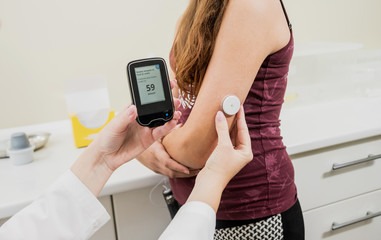 Diabetes occurs when your body either doesn’t produce enough insulin (Type 1 diabetes) or doesn’t use insulin effectively (Type 2 diabetes). Over time, poorly managed blood sugar can lead to:
- Fatigue and low energy
- Weight fluctuations
- Nerve pain (diabetic neuropathy)
- Slow wound healing
- Poor circulation
- Increased stress and mood swings
Modern diabetes care focuses on keeping blood sugar stable to prevent these complications. Many patients also look for holistic ways to manage stress, improve energy, and address symptoms like nerve pain — and that’s where acupuncture can come in.
How Acupuncture May Help People with Diabetes
Acupuncture is an ancient therapy that involves placing very thin, sterile needles at specific points on the body. From a Western medicine perspective, this process can help:
- Regulate the nervous system: Calming the fight-or-flight response and lowering stress hormones, which may indirectly help keep blood sugar levels steadier.
- Improve circulation: Better blood flow supports wound healing and helps supply oxygen and nutrients to tissues affected by diabetes.
- Reduce inflammation: Chronic inflammation is linked to insulin resistance and complications. Acupuncture may help calm inflammatory pathways.
- Relieve diabetic neuropathy: Studies suggest acupuncture can help ease tingling, numbness, and nerve pain in the hands and feet.
- Support overall well-being: Many people report better sleep, improved mood, and more energy — all important for staying active and making healthy lifestyle choices.
What Acupuncture Cannot Do
While acupuncture can be a helpful complement to your diabetes care, it is not a substitute for your insulin, oral medications, or regular doctor visits. Always follow your doctor’s treatment plan and use acupuncture as a supportive therapy, not a cure.
Tips for Getting the Most Out of Acupuncture:
- Stay hydrated before and after your session
- Eat a small, healthy meal beforehand (avoid coming on an empty stomach)
- Wear comfortable clothing
- Allow time to rest afterward if you feel very relaxed
How Many Treatments Do I Need?
- Many people start with 1–2 sessions per week for a few weeks
- Maintenance visits can help keep up results
- Your plan will be personalized based on your symptoms and goals
What to Expect During an Acupuncture Session
A licensed acupuncturist will take a detailed health history, including your diabetes type, medications, and symptoms. Treatment usually includes:
- Comfortable placement: Tiny needles are gently inserted at points related to energy balance, circulation, and nerve health.
- Relaxation time: You’ll rest for about 20–30 minutes while the needles do their work. Many people feel deeply relaxed and may even nap!
- Mild side effects: You might notice slight redness or mild soreness at needle sites — these go away quickly.
Most people benefit from a series of treatments — for example, once or twice a week for several weeks — followed by occasional maintenance visits.
Safety Considerations
- Always choose a licensed acupuncturist familiar with treating patients with chronic conditions.
- Let your acupuncturist know about all your medications and any complications like neuropathy or poor wound healing.
- Check your blood sugar as recommended, especially if you feel extra relaxed or sleepy after treatment.
Acupuncture can be a gentle, natural way to complement your diabetes management plan — helping with nerve pain, stress, circulation, and overall quality of life.
When paired with medication, healthy eating, and exercise, acupuncture may help you feel more comfortable and in control of your health.
Interested in trying acupuncture for diabetes support?
Talk with your doctor and schedule a consultation with a licensed acupuncturist to see how this ancient practice can fit into your modern diabetes care plan.
Contact Urban Acupuncture Center in Columbus, OH For More Information
For more information about how acupuncture, massage therapy, electroacupuncture and other alternative healing treatments can help you, please contact the Urban Acupuncture Center Board Certified Licensed Acupuncturist’s team at Indianola Ave, Columbus, Ohio (Clintonville) (614) 725-2488 or click here. Taking new patients in and around greater Columbus, Ohio.
by urban-acupuncture | Jul 3, 2025 | Acupuncture
We’re #1 – Thanks to YOU, Columbus!
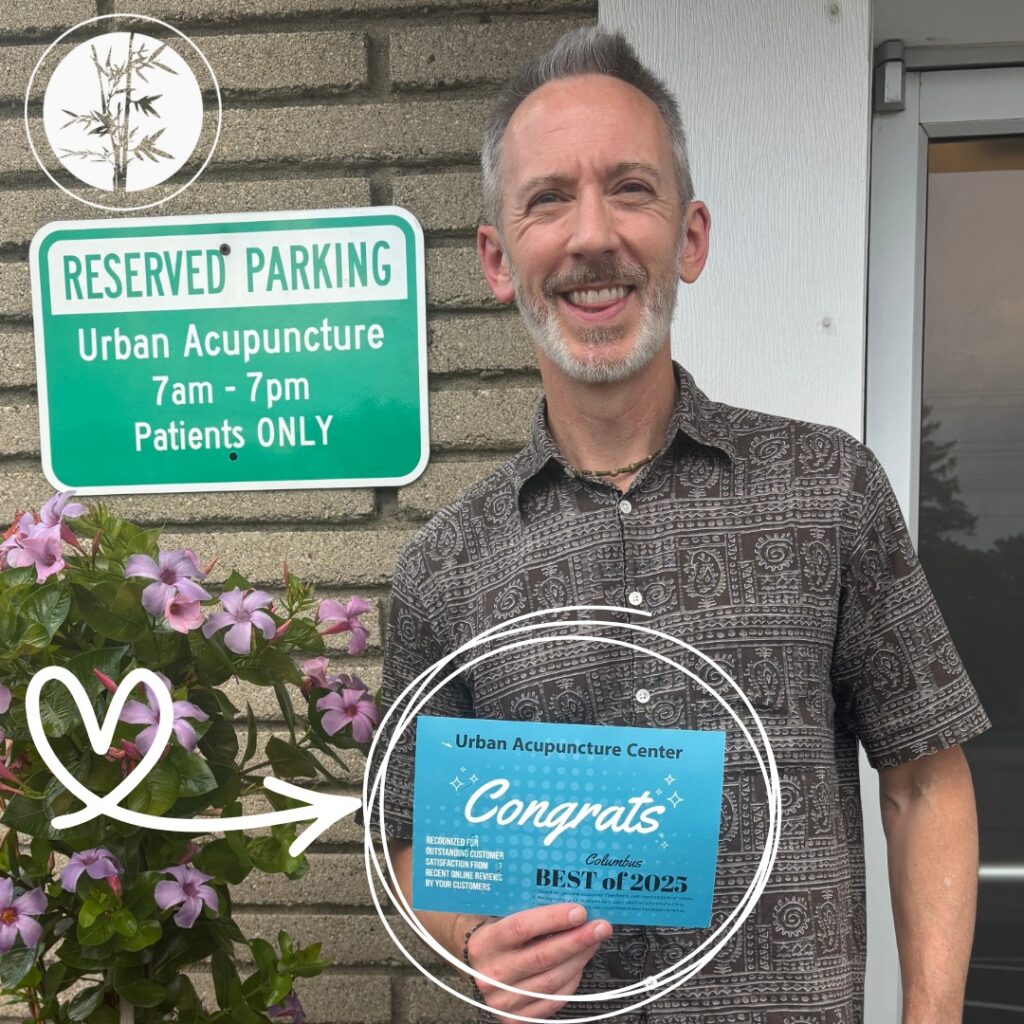
I’m beyond thrilled and honored to share that Urban Acupuncture has been voted the #1 Acupuncture Clinic in Columbus for the second year in a row!
From the bottom of my heart, thank you to everyone who took the time to vote for us, support us, and believe in what we do. This recognition means the world—not just to me, but to our entire team of talented, compassionate practitioners who show up every day with a deep commitment to healing and community care.
When we opened our doors back in 2010, our mission was simple: to provide quality, affordable acupuncture that is truly accessible to everyone. We believed then—as we still do now—that healing should not be a luxury.
Over the years, we’ve been incredibly lucky to grow alongside this amazing community. You’ve trusted us with your health, shared your stories, brought your friends and families, and helped make this clinic something so much bigger than just a wellness space.
This award is not just a reflection of our work—it’s a celebration of you, our clients, friends, and neighbors who have made this possible.
Thank you for making the dream work. We see you, we appreciate you, and we can’t wait to keep showing up for you.
by urban-acupuncture | Jul 1, 2025 | Acupuncture Columbus
Chronic and Acute Pain Treatment
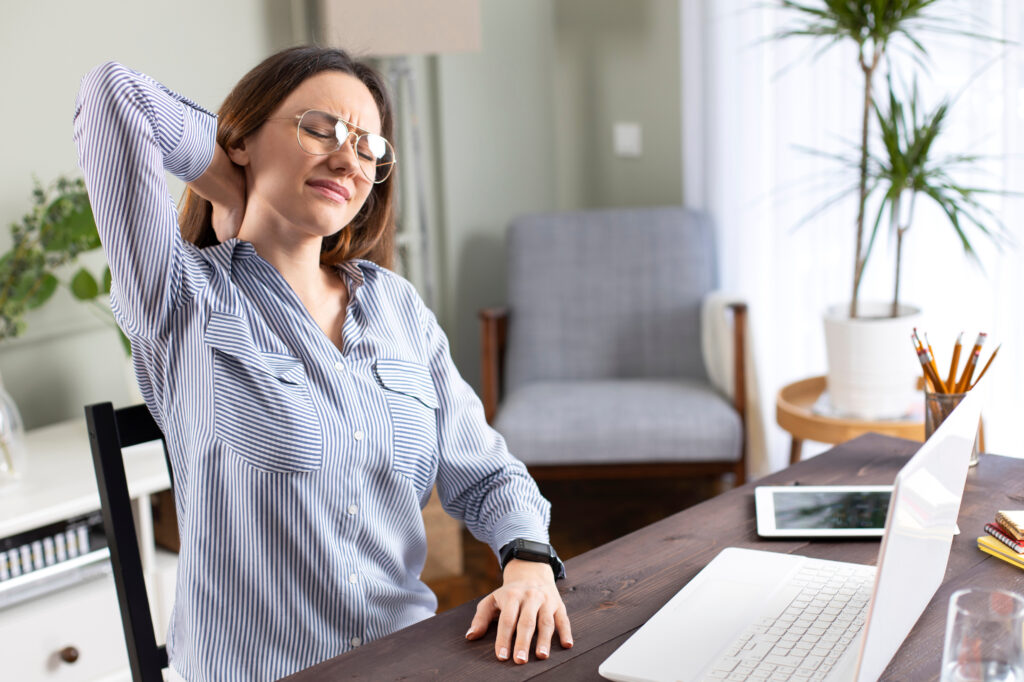 Chronic and acute pain can significantly limit mobility, disrupt sleep, and reduce your quality of life. While pain medications and physical therapy are common options, an increasing number of people are turning to acupuncture as a trusted, evidence-supported addition to modern pain management plans. Here’s how acupuncture works from a Western medical perspective, what kinds of pain it can help with, and what to expect during treatment.
How Acupuncture Works
Acupuncture is a precise technique that uses very fine, sterile needles to stimulate specific points along the body’s nervous system pathways and fascial planes. When these points are activated, they help regulate the body’s pain response through measurable effects on the nervous, endocrine, and immune systems.
Modern research shows that acupuncture can:
- Stimulate the release of endorphins and other natural pain-relieving chemicals in the brain and spinal cord.
- Modulate pain signaling by influencing how nerves transmit pain messages.
- Improve local blood circulation, supporting tissue repair and reducing inflammation.
- Relax tight muscles and decrease pressure on surrounding nerves and joints.
- Help regulate the stress response, which can amplify chronic pain if left unchecked.
Think of acupuncture as a highly targeted way to help your body recalibrate its own built-in pain control systems.
Types of Pain Acupuncture Can Help Manage
Many medical professionals now recommend acupuncture as part of a comprehensive pain management plan. Common conditions supported by acupuncture include:
- Low back pain and neck pain
- Joint pain and arthritis
- Chronic headaches and migraines
- Muscle strains, sprains, and overuse injuries
- Sciatica and nerve pain
- Fibromyalgia and widespread chronic pain
- Post-surgical pain management
For many patients, acupuncture can reduce the need for pain medications and support faster recovery alongside other treatments such as physical therapy or chiropractic care.
Benefits of Acupuncture for Pain Relief
- Non-pharmaceutical pain control — reduces reliance on opioids and anti-inflammatories.
- Minimal side effects — occasional mild bruising or temporary soreness at needle sites.
- Works well alongside other medical treatments — complements physical therapy, exercise, and other pain interventions.
- Promotes overall well-being — many patients report better sleep, reduced stress, and improved energy.
What to Expect During an Acupuncture Session
A typical acupuncture session includes:
- Assessment: Your provider will take a detailed health history and evaluate your pain patterns and lifestyle to design a customized plan.
- Treatment: You’ll lie comfortably while very thin needles are gently placed into specific points on the body. Most people feel little to no pain — sometimes a mild tingling or gentle pressure.
- Relaxation: The needles remain in place for about 20–30 minutes while you rest. Many patients feel deeply relaxed during and after the session.
- Aftercare: You can usually resume normal activities immediately. Mild redness or slight soreness may occur but resolves quickly.
Contact Urban Acupuncture Center in Columbus, OH For More Information
For more information about how acupuncture, massage therapy, electroacupuncture and other alternative healing treatments can help you, please contact the Urban Acupuncture Center Board Certified Licensed Acupuncturist’s team at Indianola Ave, Columbus, Ohio (Clintonville) (614) 725-2488 or click here. Taking new patients in and around greater Columbus, Ohio.