
Sleep Apnea Treatment and Acupuncture
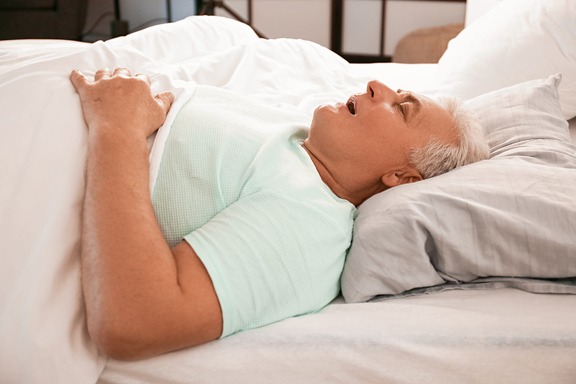 Sleep apnea is a common but serious sleep disorder that can significantly affect your quality of life. Characterized by repeated interruptions in breathing during sleep, it often leads to daytime fatigue, poor concentration, and long-term health risks if left untreated. While traditional treatments like CPAP machines and oral appliances remain the standard of care, many patients are turning to acupuncture as a complementary therapy to manage symptoms more holistically.
This article explores how acupuncture may support individuals with sleep apnea and what you can expect from treatment.
What Is Sleep Apnea?
Sleep apnea occurs when the muscles in the throat or tongue relax too much during sleep, blocking the airway and causing repeated breathing interruptions. The most common type is obstructive sleep apnea (OSA), which results from physical airway obstruction.
Common symptoms include:
-
Loud, chronic snoring
-
Pauses in breathing during sleep
-
Gasping or choking sensations at night
-
Excessive daytime sleepiness
-
Morning headaches
-
Difficulty focusing or memory issues
-
Irritability or mood changes
Sleep apnea increases the risk of high blood pressure, cardiovascular disease, diabetes, and stroke, making early diagnosis and effective treatment essential.
How Acupuncture May Help
Acupuncture, involves inserting fine, sterile needles into specific points on the body to stimulate physiological responses. While it is not a replacement for conventional medical treatments, acupuncture may support sleep apnea management in several ways:
Improved muscle tone in the airway
Certain acupuncture points may help strengthen the muscles of the throat and soft palate, reducing the likelihood of airway collapse during sleep.
Regulation of the autonomic nervous system
Acupuncture is known to calm the nervous system, helping to regulate breathing patterns and reduce night-time arousals associated with sleep apnea.
Reduction of inflammation
Inflammation in the nasal passages, sinuses, or upper airway can contribute to obstruction. Acupuncture may help reduce localized inflammation and improve airflow.
Stress and sleep quality support
Many individuals with sleep apnea also suffer from anxiety or insomnia. Acupuncture is frequently used to reduce stress, calm the mind, and improve overall sleep quality.
What the Research Shows
Preliminary studies have shown that acupuncture may improve several key markers in individuals with sleep apnea, including:
-
Reduction in the number of apnea and hypopnea episodes
-
Improved oxygen saturation levels
-
Decrease in snoring frequency and intensity
-
Enhanced sleep quality and less daytime fatigue
While more large-scale clinical trials are needed, current evidence suggests that acupuncture is a promising adjunct to traditional therapies for sleep apnea.
Who Can Benefit
Acupuncture may be especially useful for:
-
Patients with mild to moderate obstructive sleep apnea
-
Individuals who are unable to tolerate CPAP therapy
-
Those looking for additional, non-invasive support alongside conventional treatments
-
People with sleep difficulties related to stress, anxiety, or poor sleep hygiene
It is important to speak with your primary care physician or sleep specialist before beginning any complementary therapy, especially if you have severe sleep apnea or other medical conditions.
What to Expect from Acupuncture Treatment
During your first appointment, your licensed acupuncturist will conduct a detailed intake, asking about your sleep habits, symptoms, lifestyle, and general health history. Treatment typically involves:
-
Placement of very thin needles into specific acupuncture points, often located on the face, neck, chest, and limbs
-
A 20 to 30 minute rest period while the needles remain in place
-
A calm, quiet environment to encourage relaxation and nervous system balance
Most patients describe the sensation as painless or mildly tingly. A course of several weekly treatments may be recommended, depending on your symptoms and goals.
Acupuncture is a safe, non-invasive, and drug-free therapy that may complement traditional treatments for sleep apnea.
By supporting airway function, improving relaxation, and enhancing sleep quality, acupuncture offers an integrative approach to managing this complex condition. If you’re looking for additional support beyond CPAP or oral appliances, speak with your healthcare provider and a qualified acupuncturist to explore whether this treatment may be a good fit for your needs.
 Contact Urban Acupuncture Center in Columbus, OH For More Information
For more information about how acupuncture, massage therapy, electroacupuncture and other alternative healing treatments can help you, please contact the Urban Acupuncture Center Board Certified Licensed Acupuncturist’s team at Indianola Ave, Columbus, Ohio (Clintonville) (614) 725-2488 or click here. Taking new patients in and around greater Columbus, Ohio.
Voted Best of Columbus Two Years in a Row! ?