Key Takeaways
-
-
Gentle, Non-Invasive Technique: CranioSacral Therapy (CST) uses a light touch—about the weight of a nickel (5 grams)—to release restrictions in the soft tissues surrounding the central nervous system.
-
Supports the Central Nervous System: CST focuses on the craniosacral system, which encompasses the membranes, fluid (cerebrospinal fluid), and bones protecting the brain and spinal cord.
-
Broad Health Benefits: Commonly sought for relief from chronic migraines, tension headaches, neck and back pain, stress, anxiety, temporomandibular joint (TMJ) dysfunction, and post-concussion symptoms.
-
Complements Acupuncture: Combining CST with acupuncture at Urban Acupuncture Center creates a synergistic effect, balancing the body’s energy channels (meridians) alongside physical neurological relief.
-
What to Expect: Sessions take place with the client fully clothed on a comfortable treatment table. Most people experience deep relaxation or a calm, restful state during treatment.
-
Understanding CranioSacral Therapy (CST)
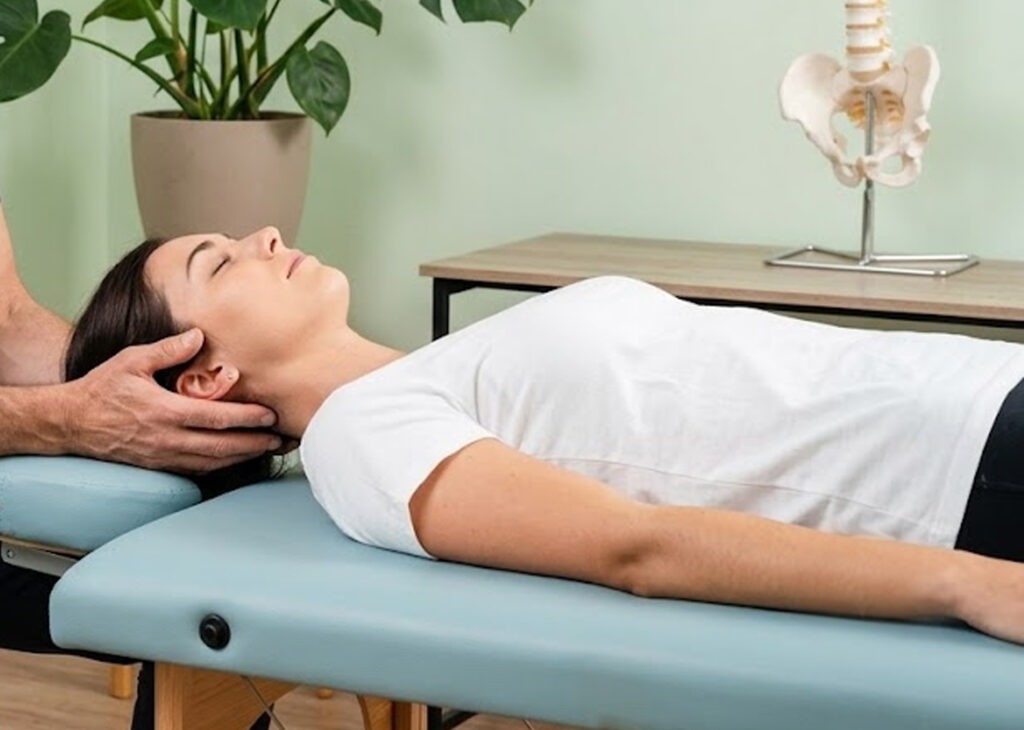 CranioSacral Therapy (CST) is a gentle, hands-on bodywork method designed to evaluate and enhance the function of the craniosacral system. Developed in the 1970s by osteopathic physician Dr. John Upledger following extensive research at Michigan State University, CST has become one of the most trusted gentle modalities in integrative health care.
What Is the Craniosacral System?
The craniosacral system consists of:
- The Cranium: The bones of the skull and face.
- The Sacrum: The triangular bone at the base of the spine.
- The Meningeal Membranes: Protective layers wrapping the brain and spinal cord.
- Cerebrospinal Fluid (CSF): The clear fluid circulating within the membranes that cushions and nourishes the central nervous system.
Just like your heart has a cardiac rhythm and your lungs have a respiratory rhythm, your craniosacral system has a subtle craniosacral rhythm. This rhythm is created by the continuous production and absorption of cerebrospinal fluid.
How Does CranioSacral Therapy Work?
Every day, your body absorbs physical and emotional strain. Over time, tissue stress can tighten the membranes surrounding your brain and spinal cord. These tight areas (often called tissue restrictions) can hamper the natural movement of cerebrospinal fluid and put subtle strain on the central nervous system.
During a CST session:
-
The practitioner uses a light touch—no heavier than 5 grams (roughly the weight of a five-cent coin)—to feel the craniosacral rhythm throughout your body.
-
By monitoring the subtle fluid movement, the practitioner identifies areas where tissue mobility is restricted or fascia (connective tissue) is tight.
-
Using precise, micro-pressure holds on the skull, spine, and sacrum, the practitioner assists your body in releasing these physical blockages.
Because the central nervous system influences nearly every organ and tissue in your body, relieving pressure around the brain and spinal cord helps calm the sympathetic nervous system (fight-or-flight) and activate the parasympathetic nervous system (rest-and-digest).
Health Benefits of CranioSacral Therapy
Because CranioSacral Therapy works directly with the central nervous system and soft connective tissues, its benefits span physical, emotional, and neurological health:
| Condition / Goal | How CranioSacral Therapy Helps |
| Migraines & Chronic Headaches | Relieves fluid pressure inside the cranial cavity and eases tension in the suboccipital muscles at the base of the skull. |
| TMJ Dysfunction & Jaw Pain | Eases tightness in temporal bones, masseter muscles, and jaw fascia, improving alignment and opening range. |
| Chronic Neck & Back Pain | Releases fascial restrictions along the spinal column and sacrum, reducing muscular spasm and stiffness. |
| Stress, Anxiety & Burnout | Down-regulates an overactive sympathetic nervous system, inducing a deep state of relaxation and restorative rest. |
| Post-Concussion Symptoms | Promotes cerebrospinal fluid circulation to aid tissue recovery and decrease lingering brain fog or dizziness. |
| Fibromyalgia & Chronic Fatigue | Lowers overall systemic pain sensitivity by softening fascial strain and soothing hyper-vigilant nerve pathways. |
Combining CranioSacral Therapy with Acupuncture
At Urban Acupuncture Center, we specialize in holistic care that honors how different healing disciplines work together. Combining CST with community or private acupuncture offers a powerful integrative approach:
-
Traditional Chinese Medicine (TCM) Perspective: In TCM, health depends on the smooth flow of Qi (vital energy) and Blood through channels called meridians. The Governing Vessel (Du Mai) runs directly along the spine and up over the head—mirroring the physical axis of the craniosacral system.
-
Dual Nervous System Reset: While acupuncture points recalibrate nervous system messaging and reduce inflammation, CST physically softens tight cranial membranes and spinal fascia.
-
Enhanced Healing Capacity: Releasing physical structural tension allows acupuncture needles to achieve deeper energetic balance in fewer sessions.
What to Expect During a CST Session
If you are new to CranioSacral Therapy, here is what a typical appointment involves:
- Intake & Assessment: Your practitioner reviews your medical history, health goals, and current symptoms (e.g., headaches, back pain, elevated stress).
- Fully Clothed Treatment: Unlike traditional massage, CST is performed while you remain fully dressed in comfortable, soft clothing. You lie comfortably on a cushioned treatment table.
- Gentle Touch: The practitioner places their hands lightly on key areas—such as your feet, sacrum, chest, neck, or head—to feel your craniosacral rhythm.
- Deep Relaxation: You may feel gentle warmth, subtle pulsing, or muscle releases. Many clients enter a light sleep or a state of meditative stillness.
- Post-Session Guidance: After the session, you’ll be encouraged to sit up slowly and drink plenty of water to help your body process the soft-tissue releases.
Frequently Asked Questions (FAQs)
Is CranioSacral Therapy safe for everyone?
Yes, CST is exceptionally safe for children, adults, and seniors due to its non-invasive, light-touch nature. However, CST is contraindicated in rare acute conditions where changes in intracranial pressure could be hazardous (such as acute intracranial hemorrhage, recent severe traumatic brain injury, or acute aneurysm). Always inform your practitioner of your complete medical history.
How is CranioSacral Therapy different from chiropractic care or deep tissue massage?
Chiropractic care focuses on manual bone adjustments, and deep tissue massage applies firm pressure to muscular tissue. In contrast, CST uses extremely light touch (5 grams) to work with the fascia, dura mater membranes, and cerebrospinal fluid flow, making it much gentler and suitable for sensitive or pain-intolerant individuals.
How many CST sessions will I need?
The number of sessions depends on whether your condition is acute or chronic. While many people report noticeable relief after 1 to 3 sessions, chronic conditions like long-term migraines or severe stress often benefit from a series of weekly or bi-weekly treatments.
Will I feel sore after a treatment?
Most clients leave feeling deeply relaxed, calm, and clear-headed. Occasionally, light soreness or temporary emotional release may occur over the next 24 hours as your body adapts to fascial realignments—this is a normal part of the body’s healing integration.
Experience CranioSacral Therapy at Urban Acupuncture Center
Whether you are seeking relief from chronic migraines, recovering from an injury, or simply looking to calm an overworked nervous system, CranioSacral Therapy offers a gentle, effective pathway back to balance.
To learn more about our holistic offerings or schedule a consultation with our experienced practitioners, visit Urban Acupuncture Center.
Contact Urban Acupuncture Center in Columbus, OH For More Information
For more information about how acupuncture, massage therapy, electroacupuncture and other alternative healing treatments can help you, please contact the Urban Acupuncture Center Board Certified Licensed Acupuncturist’s team at Indianola Ave, Columbus, Ohio (Clintonville) (614) 725-2488 or click here. Taking new patients in and around greater Columbus, Ohio.
Voted Best of Columbus Two Years in a Row!
References
- Upledger Institute International: What is CranioSacral Therapy? Available at: https://www.upledger.com/therapies/index.php (Authoritative source on CST principles and clinical research).
- Cleveland Clinic Health Essentials: Craniosacral Therapy Benefits & Indications. Available at: https://my.clevelandclinic.org/health/treatments/17677-craniosacral-therapy