by urban-acupuncture | Sep 5, 2025 | Acupuncture, Holistic Health
 Healthcare is evolving to emphasize whole-body wellness rather than just treating isolated symptoms. Acupuncture, when combined with personalized nutrition and herbal medicine, creates a powerful, integrative approach to improving health and maintaining long-term balance.
Acupuncture as a Core Therapy
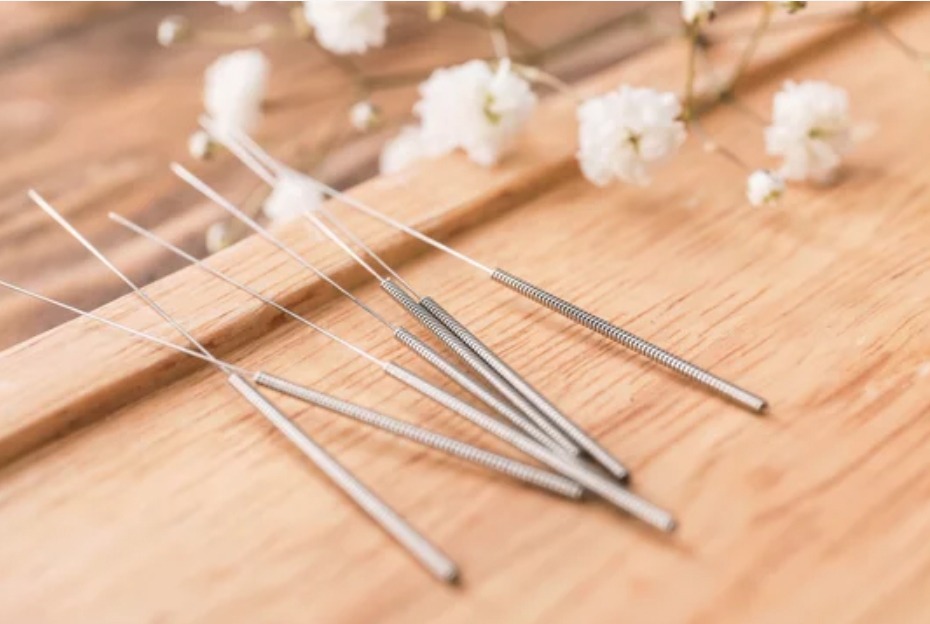
Acupuncture involves the gentle placement of fine, sterile needles at specific points on the body. These points are chosen to encourage circulation, support the nervous system, and promote the body’s natural healing response. Many people turn to acupuncture for pain relief, but its benefits go much further:
- Reducing stress and calming the mind
- Improving sleep and digestive function
- Supporting immune health and overall energy
- Encouraging hormonal and metabolic balance
By helping the body function more efficiently, acupuncture lays a strong foundation for other natural therapies to take effect.
Nutrition: Fueling the Healing Process
Food plays a central role in health. When combined with acupuncture, a personalized nutrition plan can speed recovery, reduce inflammation, and build lasting vitality.
- Choosing whole, nutrient-rich foods helps regulate blood sugar and stabilize energy levels.
- Minimizing processed foods can lower inflammation and reduce the burden on the body.
- Adjusting meal patterns and portion sizes can improve digestion and metabolism.
When acupuncture and nutrition work hand in hand, the body becomes more resilient and better equipped to repair itself.
Herbal Medicine: A Natural Complement
Herbal supplements and remedies have been used for generations to support specific health goals. When guided by a knowledgeable practitioner, they can:
- Extend the benefits of acupuncture between sessions
- Target issues like stress, poor sleep, or joint discomfort
- Provide antioxidant and anti-inflammatory support to the body
When carefully selected, herbal remedies work in harmony with acupuncture and nutrition to create steady, long-lasting improvements in health.
Acupuncture as Part of a Holistic Wellness Plan
Rather than viewing acupuncture as a single solution, it’s most effective when used as the centerpiece of an overall wellness strategy:
- Assessment: Understand your individual health goals and challenges.
- Treatment: Use acupuncture to address symptoms and improve systemic balance.
- Nutritional Support: Reinforce progress through personalized dietary changes.
- Herbal Remedies: Provide targeted support to keep the body functioning at its best.
This integrated approach not only relieves immediate concerns but also helps prevent them from returning, leading to better long-term health and vitality.
Contact Urban Acupuncture Center in Columbus, OH For More Information
For more information about how acupuncture, massage therapy, electroacupuncture and other alternative healing treatments can help you, please contact the Urban Acupuncture Center Board Certified Licensed Acupuncturist’s team at Indianola Ave, Columbus, Ohio (Clintonville) (614) 725-2488 or click here. Taking new patients in and around greater Columbus, Ohio.
Voted Best of Columbus Two Years in a Row!
by urban-acupuncture | Sep 1, 2025 | Acupuncture
Depression and Mood Disorders Reduction
 Mental health has become a central focus in today’s fast-paced world, with stress, anxiety, depression, and mood disorders affecting millions globally. While traditional approaches such as therapy and medication are vital, acupuncture is increasingly recognized as a complementary therapy that supports emotional balance, reduces depressive symptoms, and enhances overall mental well-being.
How Acupuncture Supports Mental Health
Acupuncture, an ancient practice rooted in Traditional Chinese Medicine (TCM), involves the insertion of fine needles into specific points on the body to stimulate energy flow (qi) and restore balance. Modern research shows that acupuncture can influence neurotransmitter levels, regulate the nervous system, and reduce inflammation—all of which play a role in mood regulation.
Key Mechanisms:
-
Neurotransmitter Regulation
Acupuncture may increase the production of serotonin, dopamine, and gamma-aminobutyric acid (GABA), which are crucial for mood stabilization and emotional regulation.
-
Stress Hormone Modulation
By regulating cortisol and other stress-related hormones, acupuncture helps reduce anxiety and the physiological effects of chronic stress, which are often linked to depression.
-
Autonomic Nervous System Balance
Acupuncture promotes parasympathetic activity (the “rest and digest” system), which calms the body and mind, reducing symptoms of anxiety and irritability.
-
Inflammation Reduction
Emerging studies suggest that inflammation may contribute to depressive symptoms. Acupuncture has anti-inflammatory effects, which can indirectly improve mood and mental clarity.
Acupuncture for Depression and Mood Disorders
Research indicates that acupuncture can be particularly beneficial for individuals with mild to moderate depression or mood disorders:
-
Clinical Evidence: Multiple studies have shown that regular acupuncture sessions can significantly reduce depressive symptoms, sometimes matching or enhancing the effects of standard antidepressant treatments.
-
Adjunct Therapy: Acupuncture is often used alongside therapy or medication, helping reduce side effects and improve overall treatment outcomes.
-
Personalized Treatment: TCM practitioners create individualized acupuncture plans targeting emotional imbalances, energy stagnation, and stress-related physiological symptoms.
Emotional Regulation Through Acupuncture
Emotional regulation—the ability to manage and respond to emotional experiences—is often impaired in mood disorders. Acupuncture supports emotional regulation by:
-
Calming the nervous system, reducing hyperarousal and anxiety.
-
Enhancing resilience to stress through improved parasympathetic activity.
-
Supporting hormonal and neurotransmitter balance that stabilizes mood swings.
Patient Stories and Experiences
Many patients report profound benefits from acupuncture for mental health:
-
“After several weeks of acupuncture, I noticed my anxiety was more manageable, and I felt more emotionally balanced throughout the day.” – Sarah, 34
-
“Acupuncture sessions became a time of mental clarity and relaxation. It didn’t replace my therapy, but it made me feel calmer and more in control of my emotions.” – James, 42
-
“I struggled with depressive episodes for years. Acupuncture helped me sleep better, reduced my anxiety, and improved my overall outlook on life.” – Maria, 29
How to Incorporate Acupuncture into Mental Health Care
-
Consult a Licensed Practitioner: Ensure your acupuncturist is trained and certified, particularly in treating mental health concerns.
-
Combine with Conventional Care: Acupuncture works best as part of a holistic plan, including therapy, lifestyle adjustments, and medication if prescribed.
-
Consistency is Key: Regular sessions, often weekly or biweekly, are recommended for sustained improvement.
-
Self-Care Support: Complement acupuncture with mindfulness, meditation, exercise, and healthy nutrition to optimize results.
Acupuncture offers a safe, non-invasive, and effective approach to supporting mental health.
By regulating neurotransmitters, balancing the nervous system, and reducing inflammation, it can help alleviate depressive symptoms and improve emotional regulation. For individuals struggling with depression or mood disorders, acupuncture may serve as a valuable complement to traditional mental health care, enhancing overall well-being and providing a sense of balance and calm in daily life.
 Contact Urban Acupuncture Center in Columbus, OH For More Information
For more information about how acupuncture, massage therapy, electroacupuncture and other alternative healing treatments can help you, please contact the Urban Acupuncture Center Board Certified Licensed Acupuncturist’s team at Indianola Ave, Columbus, Ohio (Clintonville) (614) 725-2488 or click here. Taking new patients in and around greater Columbus, Ohio.
Voted Best of Columbus Two Years in a Row! ?