Massage, Cupping & Moxibustion
 Massage
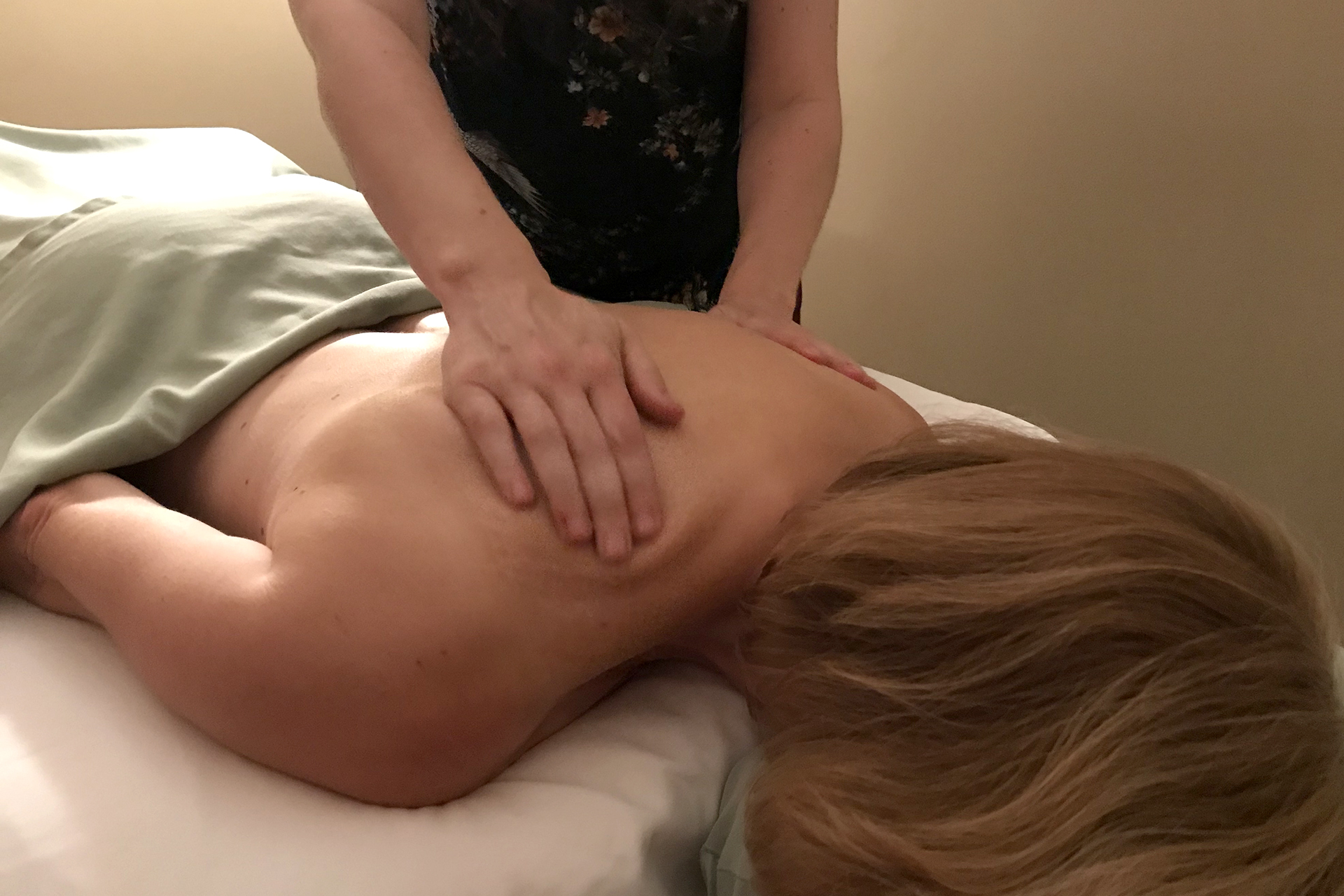
Massage therapy is the manipulation of the soft tissues of the body for the purpose of normalizing those tissues and consists of a group of manual techniques that include applying fixed or movable pressure, holding, and/or causing movement to parts of the body. While massage therapy is applied primarily with the hands, sometimes the forearms or elbows are used. These techniques affect the muscular, skeletal, circulatory, lymphatic, nervous, and other systems of the body. The basic philosophy of massage therapy embraces the concept of vis medicatrix naturae, which means “aiding the ability of the body to heal itself.”
Going for a massage requires little in the way of preparation. Generally, one should be clean and should not eat just before a massage. Massage therapists generally work by appointment and usually provide information about how to prepare for an appointment. To receive the most benefit from a massage, clients should give the therapist accurate health information about themselves and report discomfort of any kind (whether it is from the massage itself or due to the room temperature or any other distractions). The client is encouraged to be as receptive to the process as possible. There are no special recommendations for after a massage. A period of quiet activity or rest following the massage helps maintain full benefits from the procedure.
Some of the many benefits of massage are as follows:
- reducing muscle tension and stiffness
- relieving muscle spasms
- increasing joint and limb flexibility and range of motion
- increasing ease and efficiency of movement
- relieving points of tension and overall stress; inducing relaxation
- promoting deeper and easier breathing
- improving blood circulation and movement of lymph
- relieving tension-related headaches and eyestrain
- promoting faster healing of soft tissue injuries, such as pulled muscles and sprained ligaments
- reducing pain and swelling related to injuries
- reducing the formation of scar tissue following soft tissue injuries
- enhancing health and nourishment of skin
- improving posture by changing tension patterns that affect posture
- reducing emotional or physical stress and reducing anxiety
- promoting feelings of well-being
- increasing awareness of the mind-body connection
- improving mental awareness
There are several classifications of movements used in massage therapy. Static methods such as superficial and deep touch or holding may involve gently resting a hand on the body, pressing into a pressure point, holding or supporting the body in a way where there is no visible movement. Gliding or Effleurage methods can be superficial or deep and even include no touch at all in the case of aura stroking. In most cases the gliding method maintains contact with the skin and can affect a variety of body tissues and systems depending on the amount of force being applied. Aura gliding, also known as ethereal gliding, uses long smooth strokes where the hand glides the length of the body in close proximity but not touching it. The intent is to affect the energy fields that surround and permeate the body. Torsion methods, also known as kneading or petrissage, applies a torsion force or torque that deforms the tissues by compressing and twisting in opposite directions. Hands alternate in a rhythmic pattern over the body part being massaged. This helps to loosen, soften and stretch superficial tissues and the connective fascia. Also, this can improve muscle tone, elasticity and pliability. Oscillating, also known as vibrational or percussion, methods can be accomplished both manually and mechanically. This method allows the release of tension by gently shaking or vibrating the area where tension is stored. This rapidly releases muscle tension, increases circulation and relaxes all of the muscles in that area. Joint movements can be either active or passive depending on the client’s participation. These movements provide a stretch to the fascia and associated muscles while assisting to maintain or increase the flexibility and range of motion.
There are several styles of massage. Some of the more common forms of massage are as follows:
Swedish massage is the most commonly used form of massage. It uses a system of long gliding strokes, kneading, and friction techniques on the more superficial layers of muscles, generally in the direction of blood flow toward the heart, and sometimes combined with active and passive movements of the joints. It is used to promote general relaxation, improve circulation and range of motion, and relieve muscle tension.
Deep tissue massage is used to release chronic patterns of muscular tension using slow strokes, direct pressure, or friction directed across the grain of the muscles. It is applied with greater pressure and to deeper layers of muscle than Swedish, which is why it is called deep tissue and is effective for chronic muscular tension.
Sports massage uses techniques that are similar to Swedish and deep tissue but are specially adapted to deal with the effects of athletic performance on the body and the needs of athletes regarding training, performing, and recovery from injury.
Neuromuscular massage is a form of deep massage that is applied to individual muscles. It is used primarily to release trigger points (intense knots of muscle tension that refer pain to other parts of the body) and also to increase blood flow. It is often used to reduce pain. Trigger point massage and myotherapy are similar forms.
Acupressure applies finger or thumb pressure to specific points located on the energy pathways or “meridians” in order to release blocked energy along these meridians that may be causing physical discomfort. The rebalance of energy flow releases tension and restores function of organs and muscles in the body. Shiatsu is a Japanese form of acupressure that applies these principles.
Oscillating, also known as vibrational or percussion, methods can be accomplished both manually and mechanically. This method allows the release of tension by gently shaking or vibrating the area where tension is stored. This rapidly releases muscle tension, increases circulation and relaxes all of the muscles in that area.
Cranial Sacral Therapy is a gentle, non-invasive form of bodywork that addresses the bones of the head, spinal column, and sacrum. The goal is to release restrictions in these areas allowing the cerebral spinal fluid to flow freely, which in turn will alleviate pain and stress in the body.
 Cupping
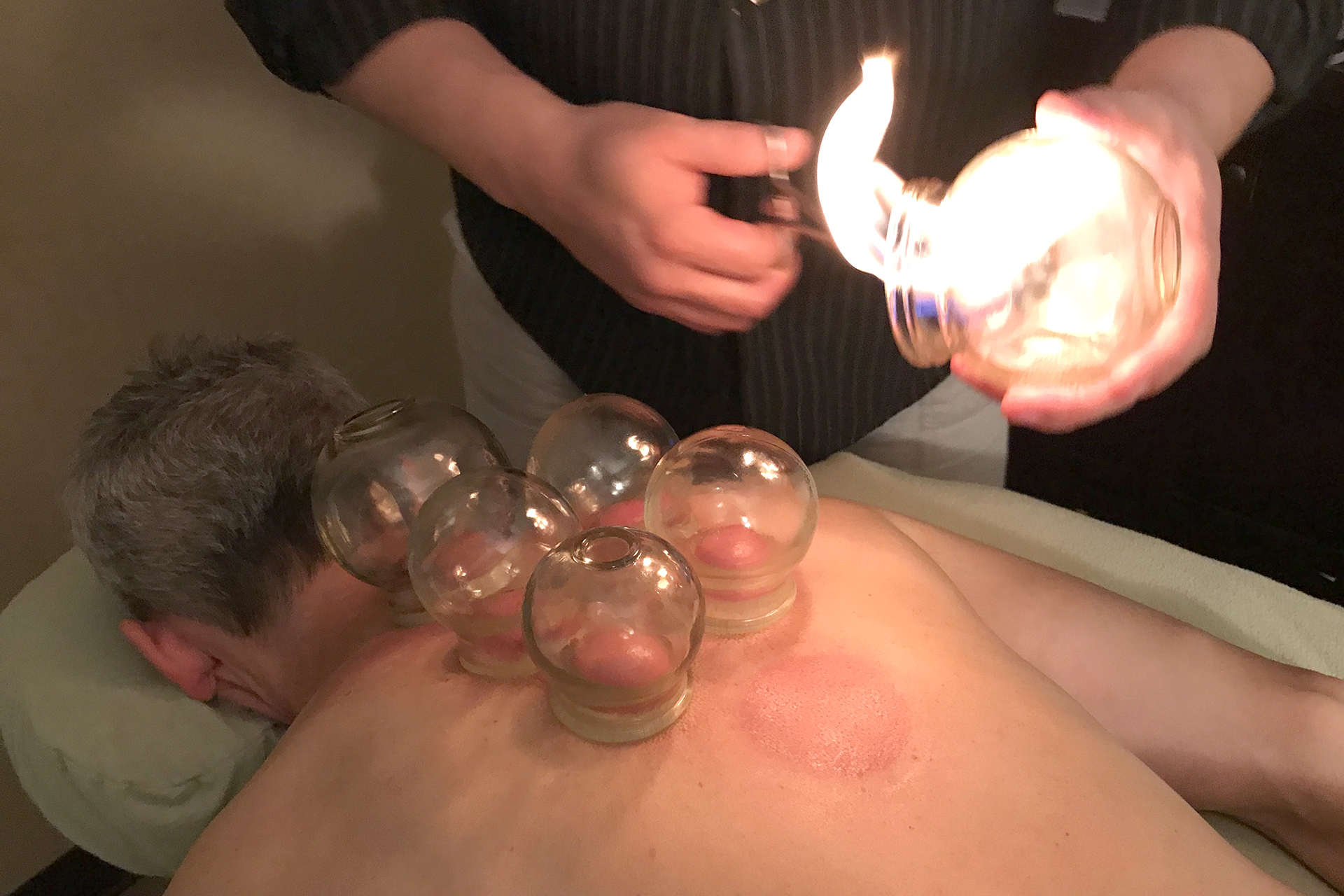
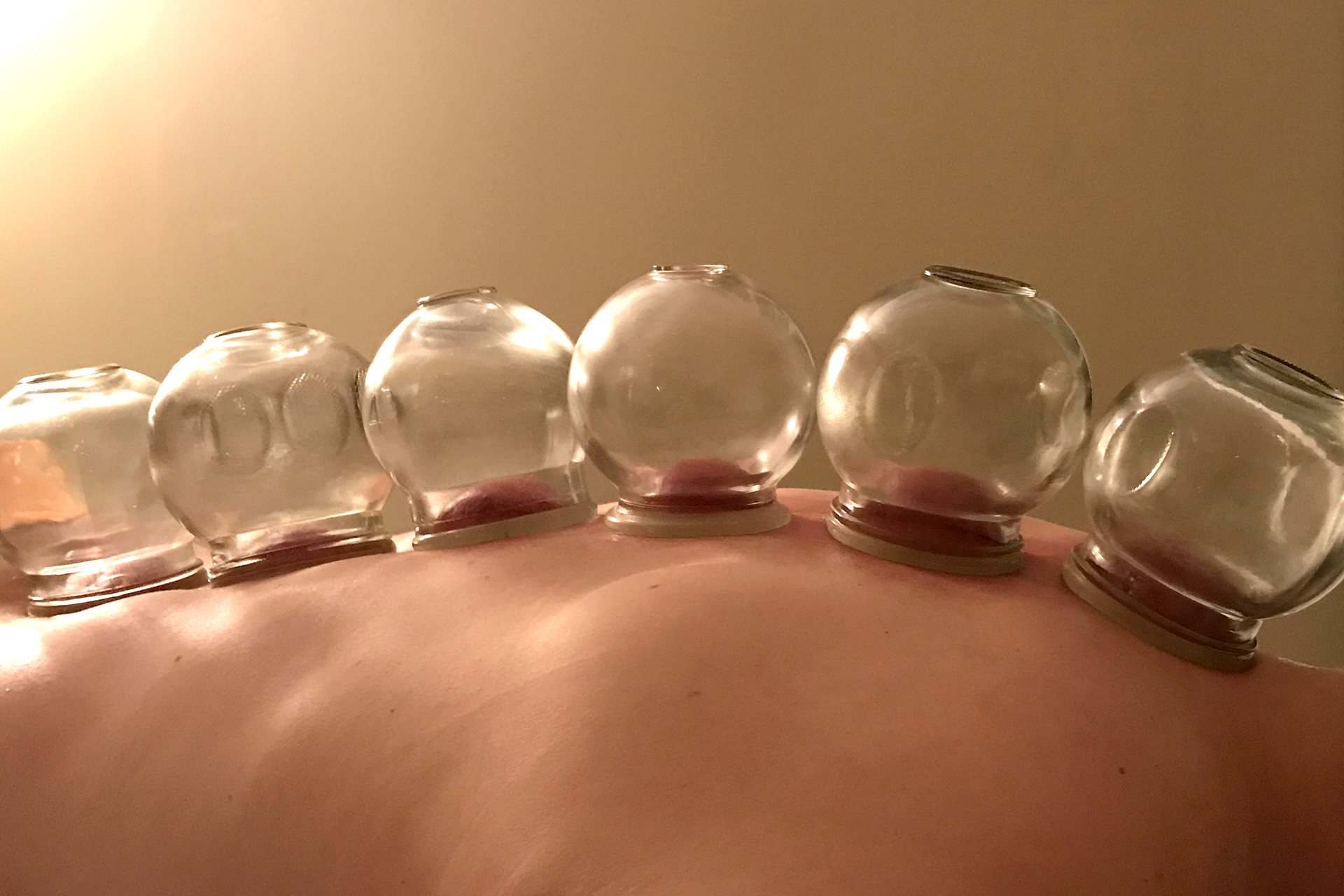
Cupping (sometimes called ‘myofascial decompression’) is a simple and effective therapeutic technique which can be used alone or in combination with acupuncture or massage therapy. One way to think about cupping is that it is the opposite of massage. Rather than applying pressure to muscles, suction is created to pull the skin, connective tissues and muscles upward. Cupping itself was developed thousands of years ago and though techniques have modernized, the original philosophy remains the same. Cupping involves placing glass, plastic, or silicone jars/cups on the skin and creating a vacuum by suctioning out the air. The underlying tissue is raised, or sucked, partway into the cup. The purpose of cupping is to enhance circulation, to help relieve pain, and to pull out the toxins that linger in your body’s tissues.
You usually will feel a tight sensation around the cup. Often, this sensation is relaxing and soothing. Depending on your comfort level and the assessment of your problem, cups may be moved around or left in place but rarely need to be applied for more than ten minutes. Cupping causes the skin to temporarily turn red, blue or purple, especially if there is an injury or functional blockage under the area that was cupped. These cupping marks are rarely painful and once they have cleared, the treatment may be repeated until the condition or ailment is resolved.
The suction or vacuum technique is designed to pull toxin build-up and muscle spasm from the body’s deeper tissues to the surface of the skin along the fascial or acupuncture pathways. The cells of the body use oxygen and give off carbon dioxide; when the energy and circulation to cells are blocked, the cell’s metabolic and carbon dioxide waste products become blocked as well. This is called acid or toxin build up. Physical pain implies a blockage in the circulation through a specific area. When toxins or cell waste stagnate in the muscles or joints, it can be very difficult for the body to get rid of this waste, causing further blockage and discomfort. Utilizing cupping techniques, we are able, by vacuum or suction to pull the blockage out of the deeper tissue and move it to the skin’s surface. Once on the surface, it is much easier for the body to eliminate these toxins through the superficial, capillary blood and lymphatic drainage systems. Essentially, cupping can pull toxin build-up out of specific areas and can also pull fresh, new blood and nutrients into those areas which will revitalize and restore proper blood flow.
Cupping is diagnostic as well as therapeutic and can tell us three basic things. First, cupping tells us exactly where the problem is, as we usually cup an area slightly larger than the painful area to ensure that the area of pain is completely covered. Some skin under the cups will color, and some won’t, though the same amount of suction has been used with all the cups. Even on the skin under a single cup, part may color while the rest does not. Second, cupping tells us the kind of problem with which we are dealing, as problems relating to toxin build up or muscle spasm will cause the skin under the cup to color, whereas issues dealing with nerve or bone will not color at all. Third, cupping will tell us the severity of the problem. Light or moderate blockage will cause the skin under a cup to color pink or red and take a day or two for the color to go away. Severe stagnation can cause the skin to color a deep scarlet red, purple or even black; it may take seven to ten days for the dark color to disperse. All this information is helpful not only in treating the patient, but also in making an accurate acupuncture diagnosis. Cupping is an extraordinary technique to add to acupuncture or massage, and its effects are immediate. The healing process may be shortened by weeks, even months, by using cupping, a method that manually removes blockages and restores proper blood circulation.
 Moxibustion
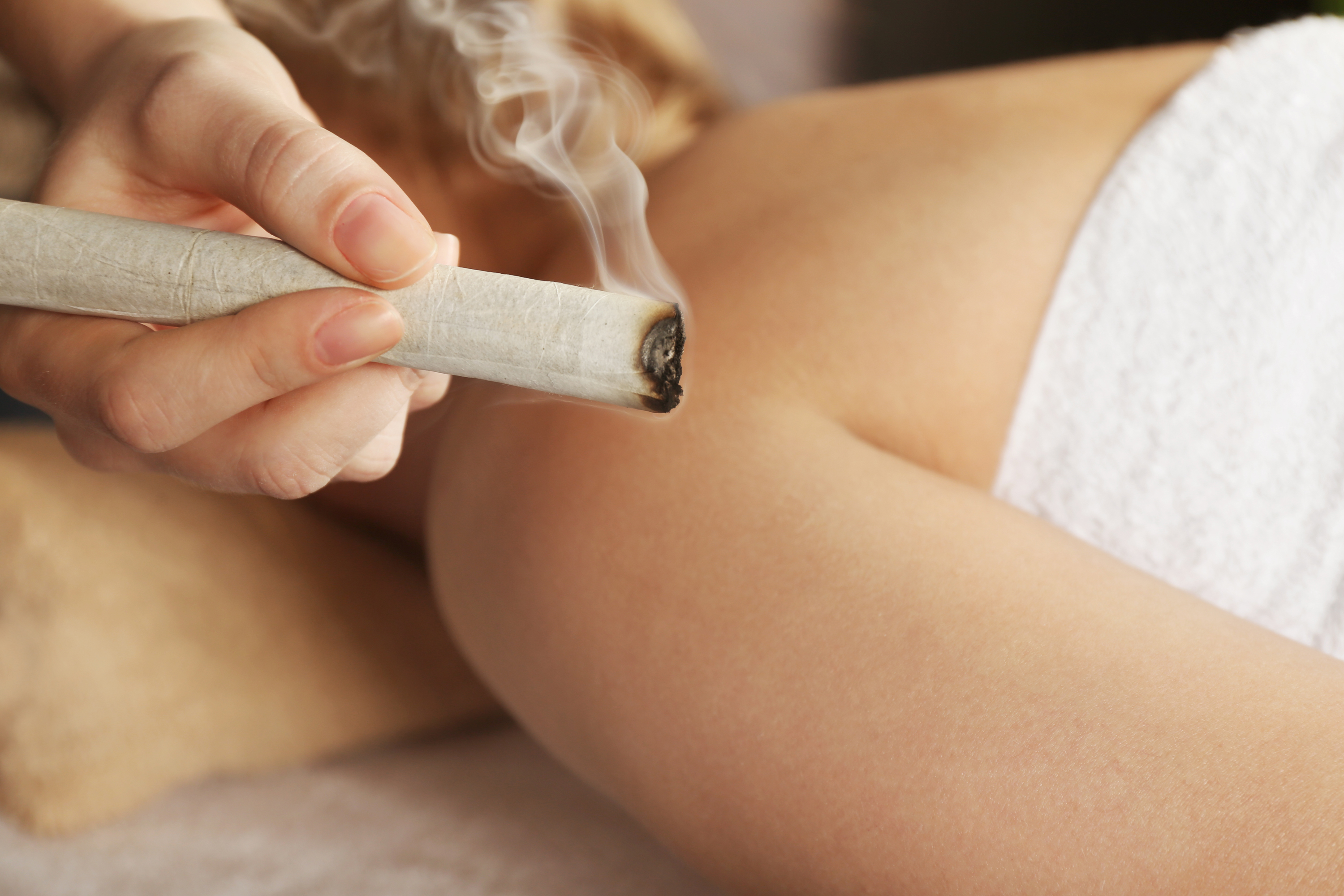
Moxibustion is another treatment method of stimulating acupuncture points through the application of heat. The literal translation of the word means ‘burning herb.’ The most commonly used substance to perform moxibustion treatment is a weed called mugwort whose pharmaceutical name is Artemisia Vulgaris or Artemisia Argyi. Mugwort is utilized because it can be easily be dried, compressed into cones or cigar-shaped sticks, and then burned to produce a deep, penetrating type of heat. It is utilized primarily for its tonifying or strengthening effects on the body.
Historically, there have been a variety of ways to apply it to stimulate acupuncture points, but the safest and most common method used today is referred to as indirect moxibustion. This means that the ignited moxa itself does not come into direct contact with the skin; instead, it is elevated above and directed towards a specific acupuncture point to provide the necessary stimulation. Like acupuncture, moxibustion has a wide variety of therapeutic indications but is more commonly used for conditions that are classified as chronic, cold, or deficient as well as disorders or diseases affecting the digestive, immune or reproductive systems. Moxibustion is also well known for its ability to help turn a breech baby into the proper delivery position.
As moxibustion often needs to be performed two to three times per week to achieve the maximum benefit, we often teach our patients which acupuncture points need to be stimulated and how to apply the moxibustion safely so that they may perform it at home. Many of them find it to be a very relaxing ritual as part of their weekly routine. It is also a simple and effective way to increase your energy, vitality and to boost your mood.